Tag

Subduction Zones

All articles tagged with #subduction zones

world5 months ago

Russian Earthquake Triggers Tsunami Warnings Across Pacific

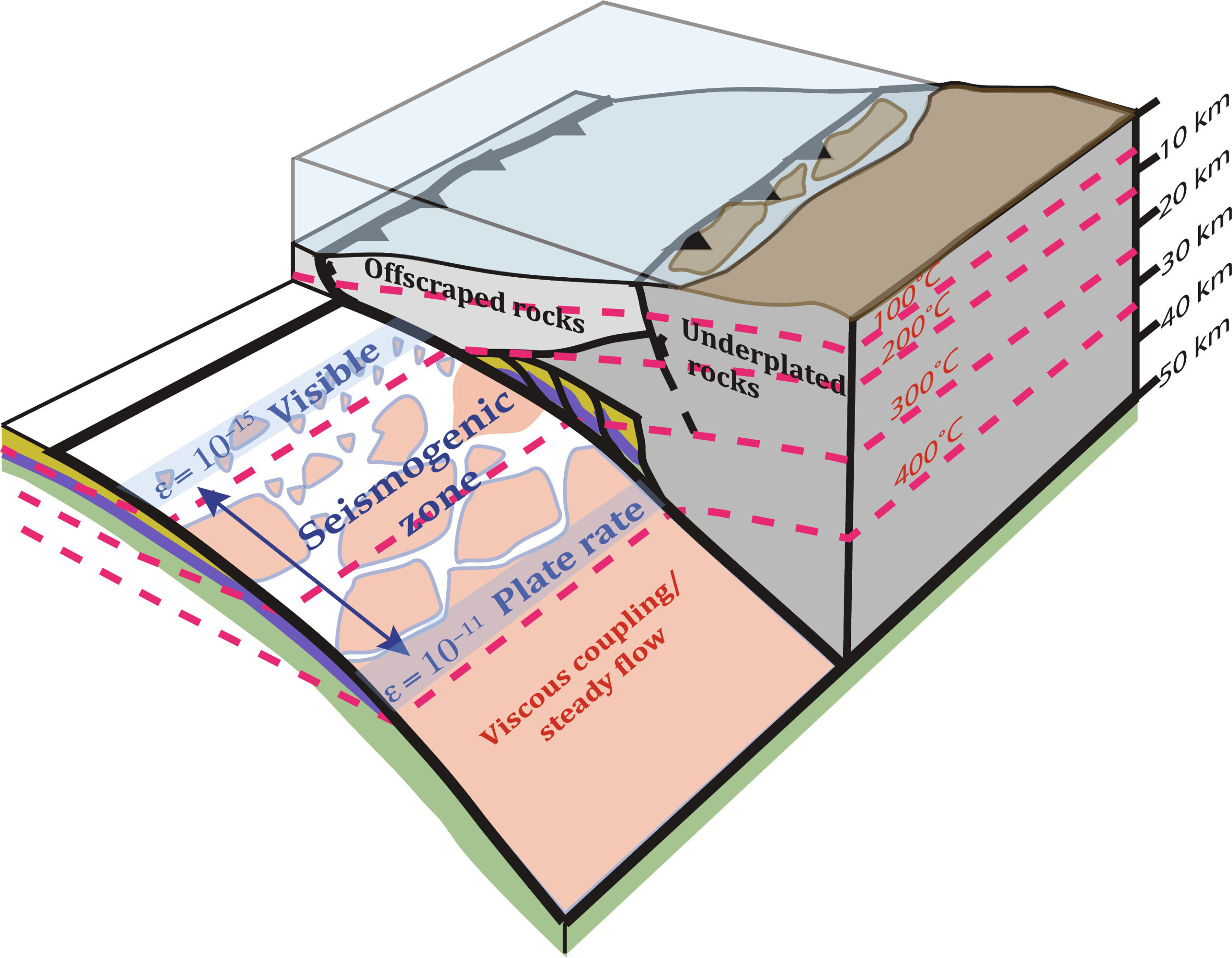
A magnitude 8.8 earthquake struck off Russia's Kamchatka Peninsula, ranking among the top 10 strongest ever recorded, causing damage, injuries, and triggering tsunami warnings across the Pacific region. The earthquake occurred along a tectonic plate boundary in the Ring of Fire, where the Pacific Plate subducts beneath the Okhotsk Plate, leading to frequent and powerful seismic events. Aftershocks and a tsunami have followed, emphasizing the ongoing seismic risk in subduction zones worldwide, including areas like New Zealand.

science1 year ago

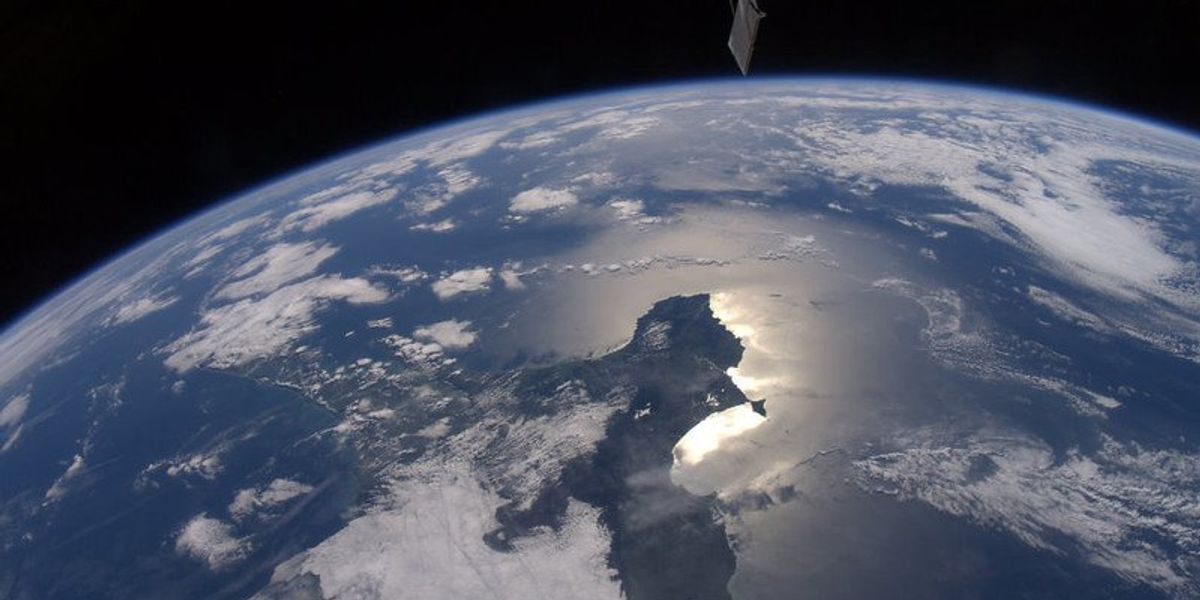
"Potential Formation of 'Ring of Fire' Threatens Atlantic Ocean's Future"

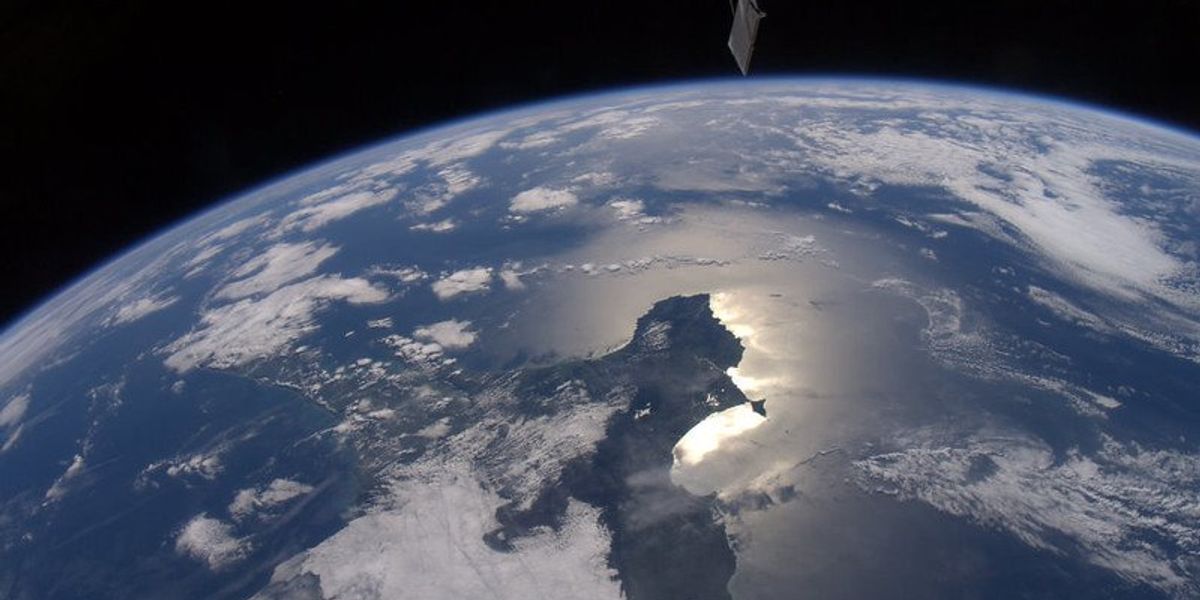
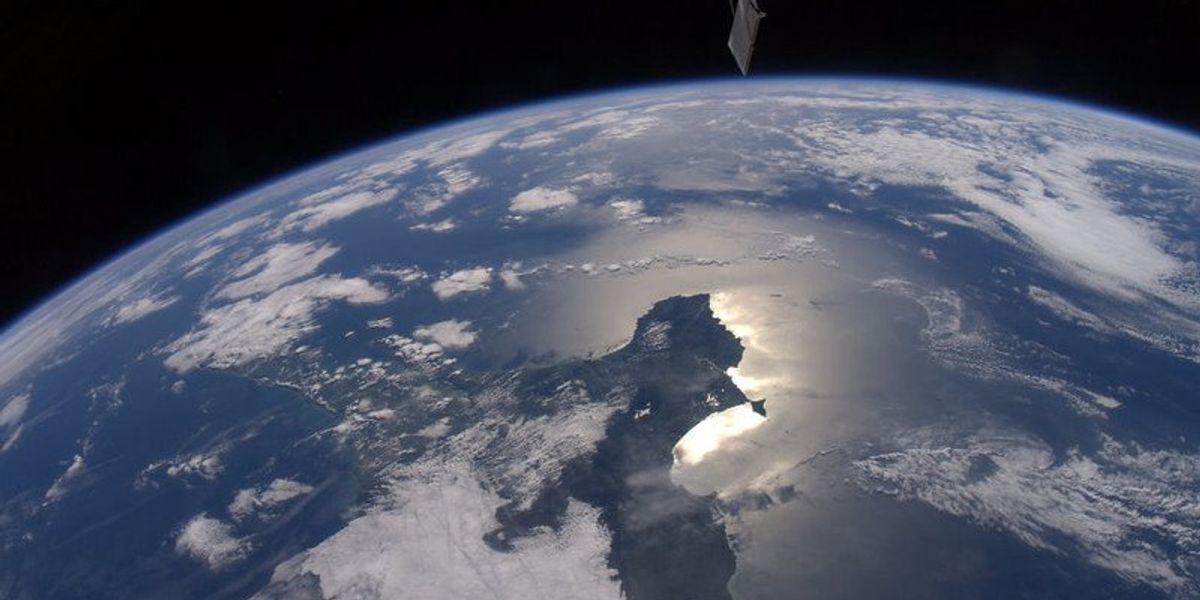
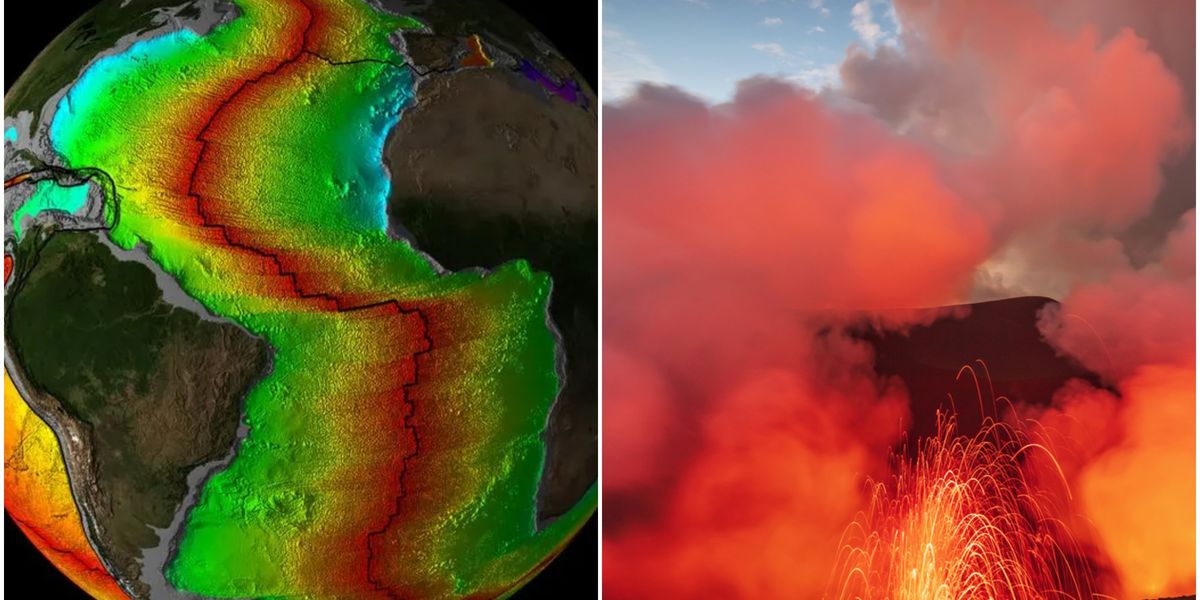
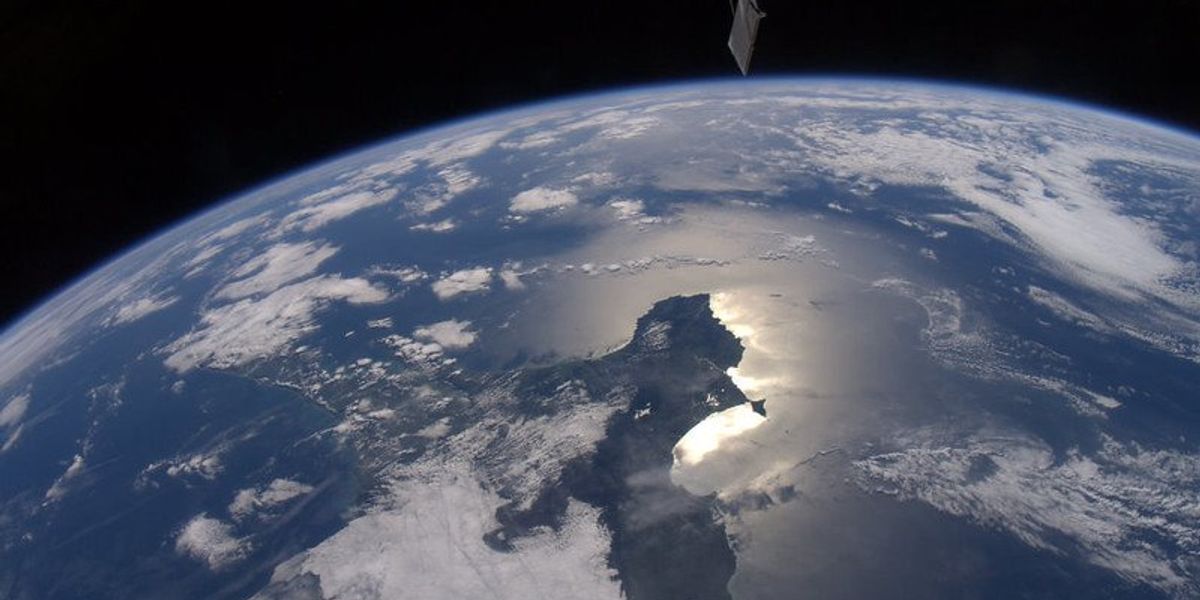
Researchers suggest that the Atlantic Ocean could eventually develop a "Ring of Fire" similar to the Pacific, due to an invasion of the Gibraltar subduction zone. This process could take up to 20 million years and would result in increased volcanic activity and earthquakes. While the Atlantic's thick oceanic lithosphere may provide some resistance, understanding and preparing for this potential future scenario is crucial for future generations.

science1 year ago

"Unearthing Earth's Ancient Mysteries: Strange Underwater Structures and Oldest Evidence of Earthquakes"

Scientists have discovered strange underwater structures off the coast of New Zealand and in South Africa, shedding light on the early Earth's history and possibly the origins of life. Their research challenges the traditional understanding of early Earth's seismic activity and suggests that subduction zones, associated with explosive volcanic eruptions, may have played a crucial role in the formation of the planet and the creation of basic organic molecules, potentially sparking the flame of life itself.

science1 year ago

"Pacific Discovery: Unearthing Earth's Mysterious Structures"

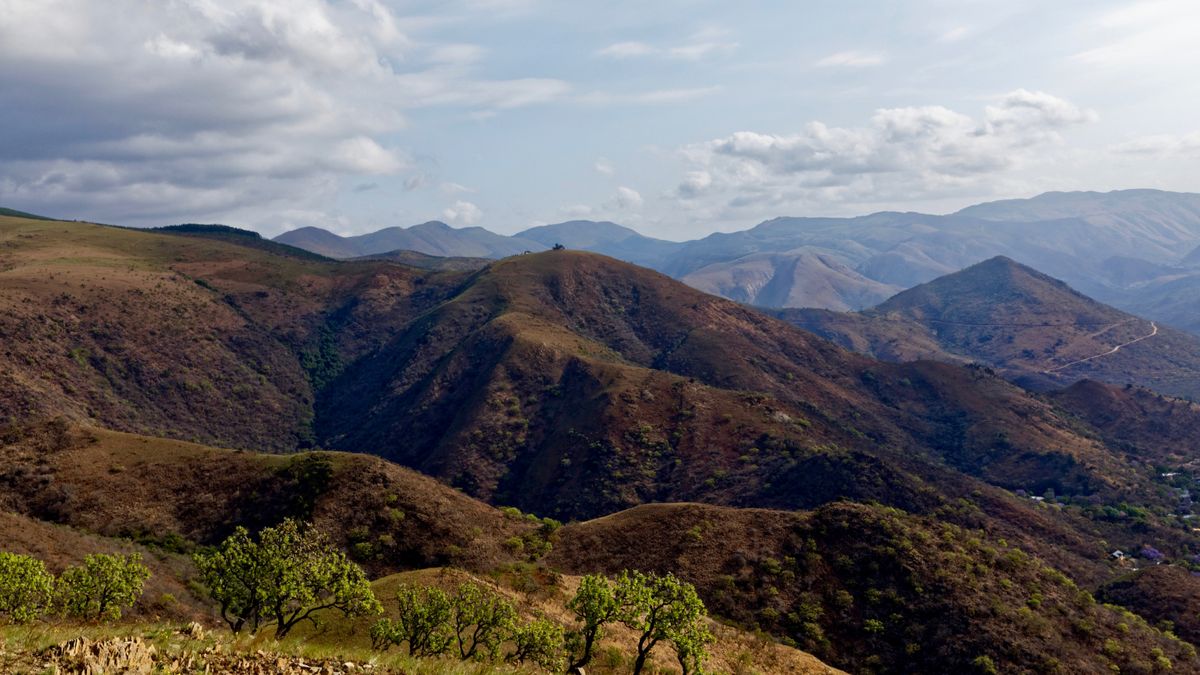
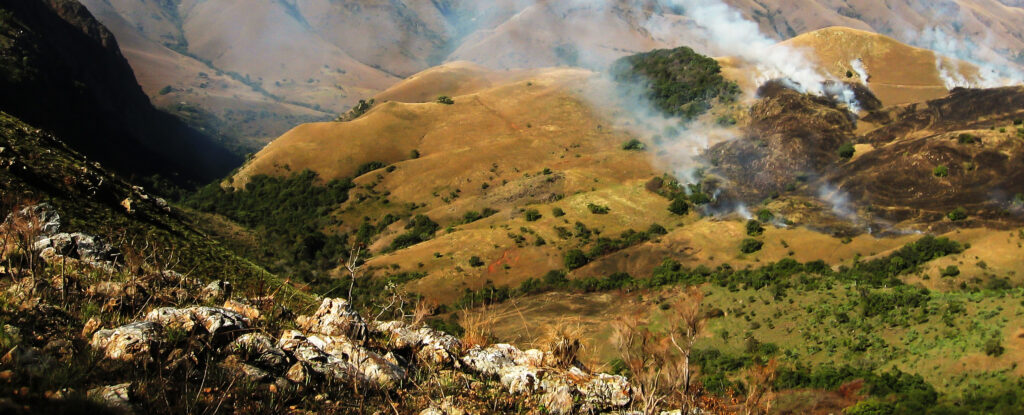
Scientists have discovered strange structures in the Pacific Ocean that could change our understanding of Earth's early history. By studying rock formations in South Africa's Barberton Greenstone Belt and off the coast of New Zealand, researchers have challenged the widely accepted understanding of early Earth's geological activity. They propose that subduction zones, where tectonic plates slide under each other, were active even in the planet's infancy, leading to large earthquakes and volcanic eruptions. These findings could offer unexpected clues about the origins of Earth and possibly life itself.

science1 year ago

"Pacific Discovery: Unearthing Earth's Mysterious Structures"

Scientists have discovered strange structures in the Pacific Ocean that could change our understanding of Earth's early history. By studying rock formations in South Africa's Barberton Greenstone Belt and off the coast of New Zealand, researchers have challenged the widely accepted understanding of early Earth's geological activity. They propose that subduction zones, where tectonic plates slide under each other, were active even in the planet's infancy, leading to large earthquakes and explosive volcanic eruptions. These findings could potentially shed light on the origins of life on Earth.

science-and-environment1 year ago

"Formation of Atlantic Ocean's Ring of Fire Imminent"

Experts warn that the Atlantic Ocean could eventually form its own Ring of Fire as new subduction zones may develop, leading to volcanic activity along the coastlines of Africa and Iberia. The Gibraltar subduction zone, currently under the Strait of Gibraltar, is predicted to "invade" the Atlantic, potentially leading to the formation of a subduction system in the ocean. This process is expected to occur in geological terms, at least 20 million years from now. Additionally, the Lesser Antilles in the Caribbean and the Scotia Arc near Antarctica are other subduction zones on the other side of the Atlantic, but their impact on the opening of the Atlantic may take more than 20 million years.

science1 year ago

"Pacific Ocean's Strange Structures: Unveiling Earth's Early Secrets"

Scientists have discovered strange structures in the Pacific Ocean that could change our understanding of Earth's early history. By studying rock formations in South Africa's Barberton Greenstone Belt and off the coast of New Zealand, researchers have challenged the widely accepted understanding of early Earth's geological activity. They propose that subduction zones, where tectonic plates slide under each other, were active and triggered large earthquakes, contrary to previous beliefs. These findings also suggest that subduction zones may have played a role in the origins of life on Earth.

science1 year ago

"Pacific Ocean Discoveries: Unveiling Earth's Ancient Secrets"

Scientists have discovered strange structures in the Pacific Ocean that could change our understanding of Earth's early history. By studying rock formations in South Africa's Barberton Greenstone Belt and off the coast of New Zealand, researchers have challenged the widely accepted understanding of early Earth as a fiery ball of molten magma and suggested that the planet was continuously rocked by large earthquakes triggered by subduction zones. They also propose that subduction zones may have been the spark that ignited the flame of life itself, shedding new light on the origins of the planet and possibly life.

geology1 year ago

"Unearthing Earth's Ancient Secrets: Strange Pacific Rock Formations Shed Light on Early Earth"

Scientists have discovered evidence of some of the earliest known earthquakes in 3.3 billion-year-old rocks from the Barberton Greenstone Belt in Africa, shedding light on early plate tectonics and conditions when life first evolved. The rocks resemble those in New Zealand that have experienced earthquake-triggered submarine landslides, suggesting a prolonged period of shaking. The findings hint at the role of subduction zones in creating conditions for life and offer insights into Earth's early geological history.

geology1 year ago

"Ancient African Rock Formations: Evidence of Earliest Earthquakes"

Researchers have uncovered evidence in the Barberton Greenstone Belt in Africa that suggests the early Earth experienced large earthquakes caused by tectonic plate subduction, contrary to previous beliefs. By studying rocks in New Zealand, they found similarities with the ancient rocks in Africa, indicating the presence of ancient landslides triggered by earthquakes. This discovery may also provide insights into early volcanic activity and the potential origins of life on Earth.

geology1 year ago

"Uncovering Tectonic Activity: Insights from Ancient Rocks"

Researchers from Penn State and Brown University have studied ancient rocks from subduction zones to develop a new model for predicting pressure solution activity in these zones between major earthquakes. The study provides insights into how rocks deform under pressure, influencing tectonic plate movement. The findings could improve earthquake predictions and have been applied to the Cascadia Subduction Zone, suggesting potential for a major earthquake in the region.

natural-disasters2 years ago

"Study Reveals New Zealand's Rare but Devastating 90-Foot Tsunamis"

A new study using synthetic earthquakes has found that tsunamis up to 90 feet high could hit parts of New Zealand, particularly along the northeast coast of the North Island, in a worst-case earthquake scenario. The research focused on the Hikurangi subduction zone and revealed that smaller, shallower faults called crustal faults also contribute significantly to the tsunami hazard. The study suggests that New Zealand can expect a tsunami of at least 16.4 feet every 77 years, with a wave of at least 49.2 feet every 580 years. The findings highlight the importance of understanding the risk of devastating waves in regions near subduction zones.

earth-science2 years ago

"Revealing Earth's Hidden Mysteries: Groundbreaking Study Sheds Light on Deep Carbon and Chlorine Cycles"

New research led by Macquarie University earth scientist Dr. Chunfei Chen reveals that Earth's gradual cooling has had a profound impact on the deep cycling of carbon and chlorine, altering their behavior from the surface to the interior. This shift in understanding has implications for Earth's geological history, climate evolution, and the development of life. The study suggests that subduction of massive tracts of carbonate sediments, rather than average sedimentary rock, played a significant role in these cycles. The findings provide insights into the conditions on early Earth and could also help us understand conditions on other planets like Mars.

earth-science2 years ago

"Revolutionary Study Challenges Conventional Wisdom on Mountain Formation"

A groundbreaking study led by Colorado State University challenges traditional views on mountain formation, particularly in subduction zones like southern Italy. The research suggests that the descension of a tectonic plate through Earth's mantle and its alteration of mantle flow may play a significant role in mountain building, contrary to the belief of crust crumpling and thickening. The study utilized landscapes in southern Italy to reconstruct extensive histories of mountain formation, revealing that the primary factor controlling rock uplift is the descension of the lower plate through the mantle. This finding challenges previous models and offers a new understanding of the mountain building process.

science2 years ago

Continent Origin Theory Debunked by Experiments.

A major hypothesis proposing a source of the volcanic magma that forged the continental crusts has come under scrutiny by scientists in the US. Geologist Elizabeth Cottrell and her colleague Megan Holycross measured the iron and iron oxide levels of simulated continental crust using a piston-cylinder which can press tiny molten rock samples with intense pressures and temperatures to match the conditions of magma chambers in Earth's crust. They found that garnet crystallization is "unlikely to be responsible" for the "iron-depletion trend observed in continental crust."