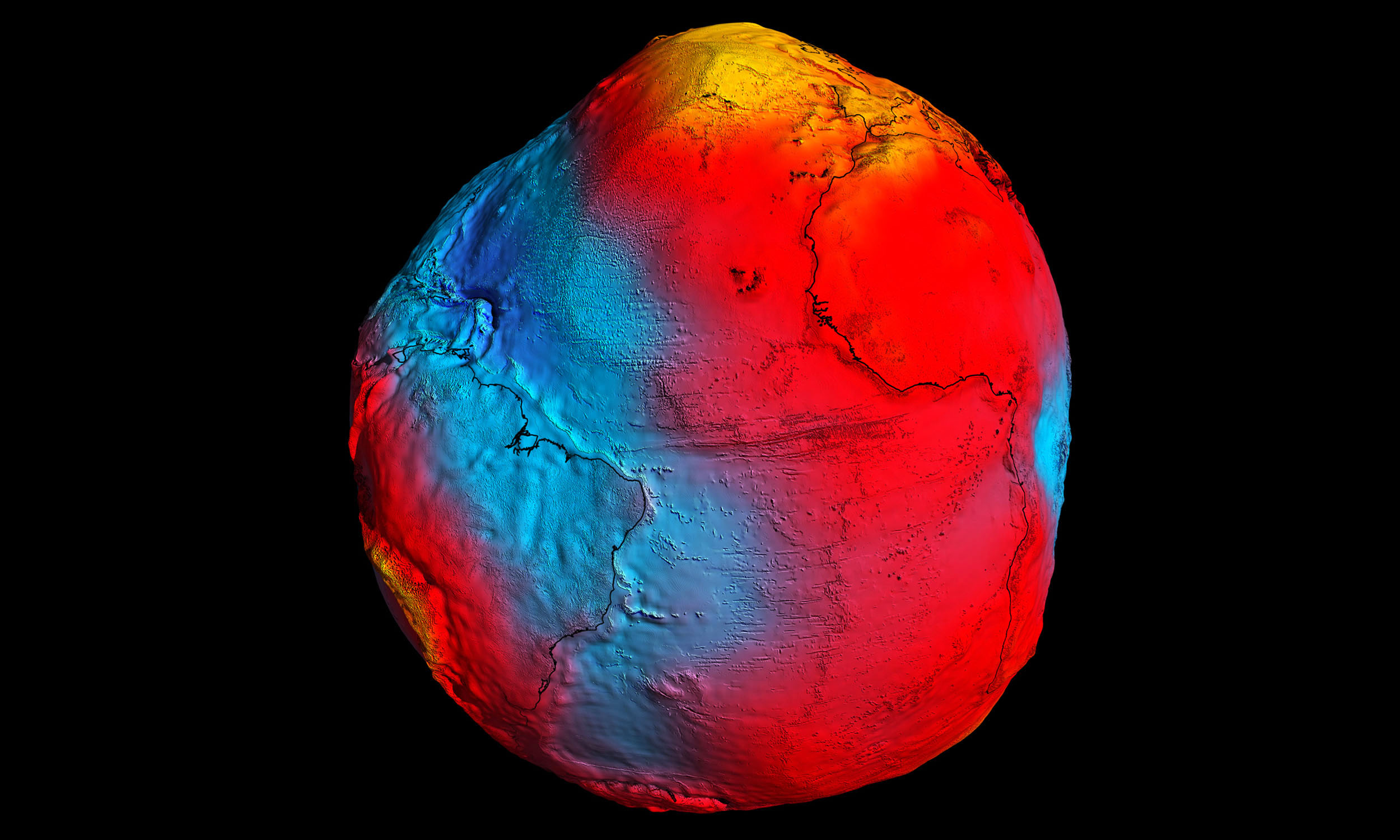
Scientists have identified the cause of the Indian Ocean Geoid Low, a large gravity anomaly, as deep mantle processes involving ancient subducted slabs and buoyant plumes beneath Africa, which have reshaped Earth's gravity field over the past 20 million years.
A study reveals a massive, hot mantle anomaly beneath New England, originating from the late Cretaceous Labrador Sea rifting, and migrating west-southwest over millions of years due to mantle dynamics, challenging traditional views of North American tectonic stability.
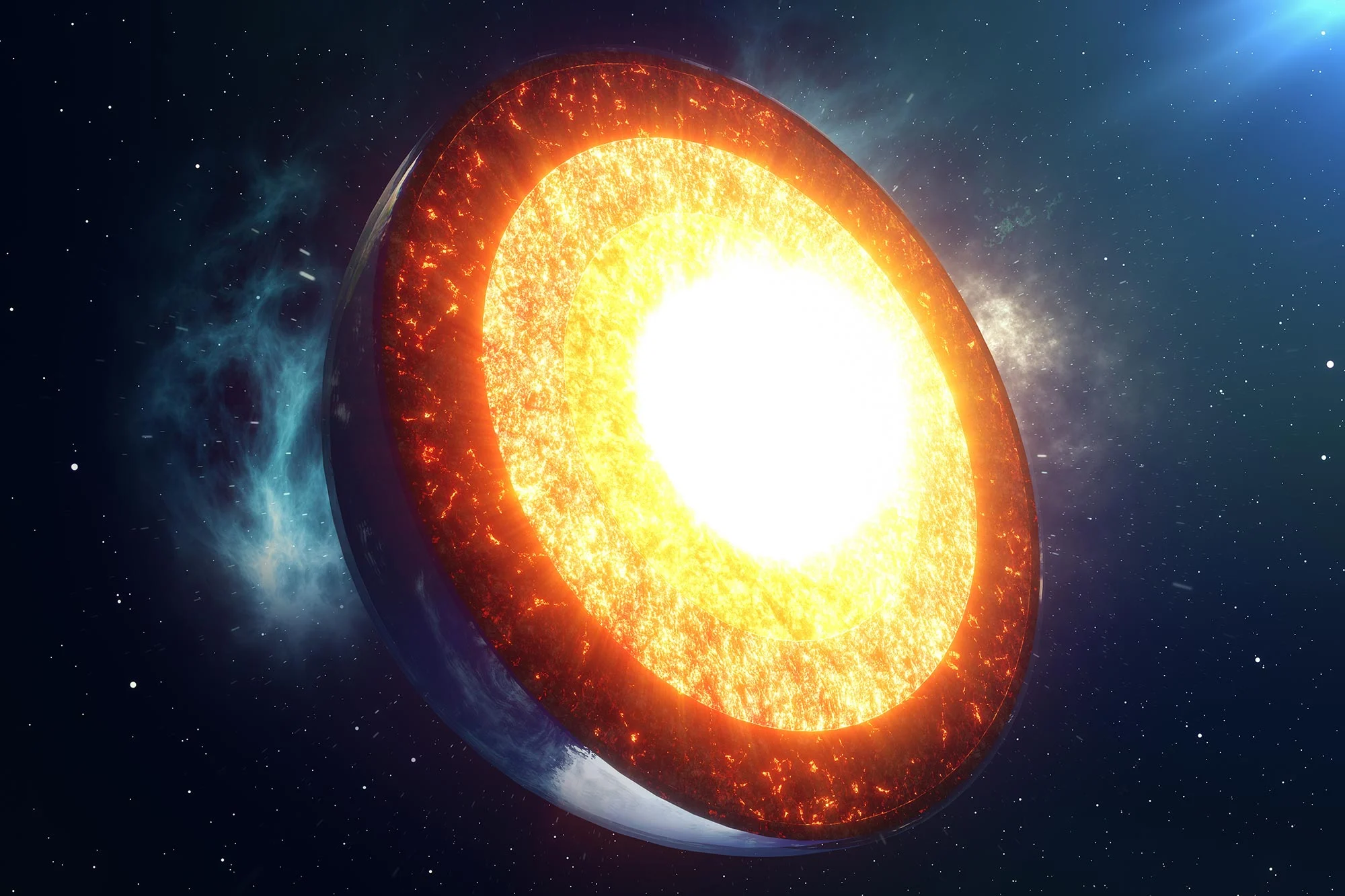
Scientists at ETH Zurich have confirmed that solid rock flows horizontally deep inside Earth, around 2700-3000 km beneath the surface, solving a 50-year-old mystery about the D” layer by demonstrating that mantle convection occurs in solid rock, not just liquid.
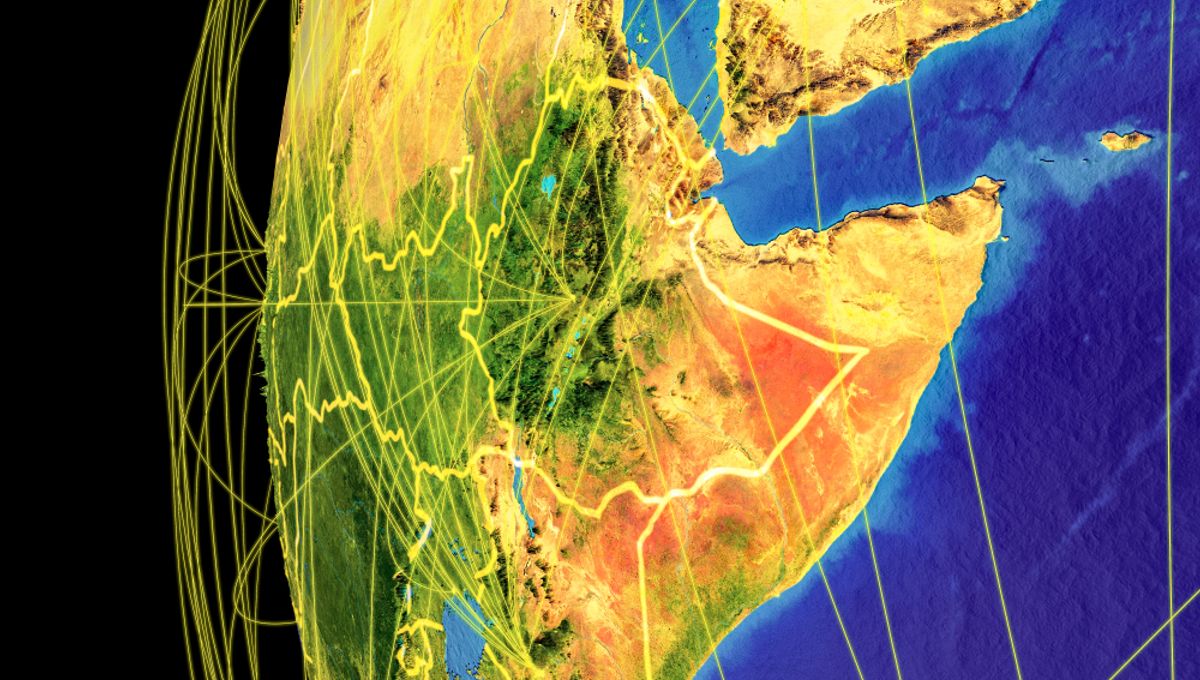
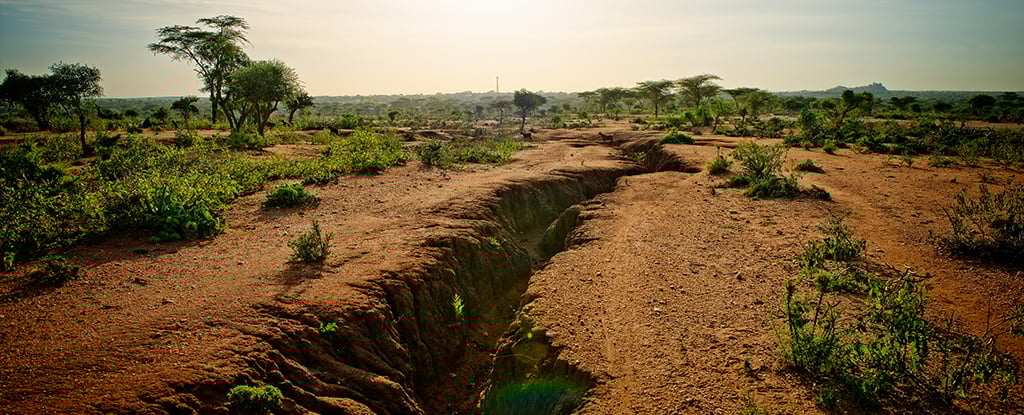
New research using GPS mapping and computer models has shed light on the movement of the East African Rift System (EARS), a crack in the African plate that could eventually split the continent into two plates. The EARS is being driven by both shallow lithospheric buoyancy forces and deeper mantle forces, with the northward flow of mantle material contributing to the vertical crack while the rift is being split open from east to west. Although the split is occurring at a slow pace, the EARS is already seismically active, causing earthquakes and forming giant cracks in the ground.
A groundbreaking study led by Colorado State University challenges traditional views on mountain formation, particularly in subduction zones like southern Italy. The research suggests that the descension of a tectonic plate through Earth's mantle and its alteration of mantle flow may play a significant role in mountain building, contrary to the belief of crust crumpling and thickening. The study utilized landscapes in southern Italy to reconstruct extensive histories of mountain formation, revealing that the primary factor controlling rock uplift is the descension of the lower plate through the mantle. This finding challenges previous models and offers a new understanding of the mountain building process.
A new study combining computer models with GPS satellite data has found that the African Superplume, a massive upwelling of hot mantle from deep within our planet, is responsible for the anomalous northward deformation parallel to the East African Rift (EAR). The same African Superplume is likely responsible for some of the seismic anisotropy occurring beneath the EAR. As the lithosphere stretches thinner, we're going to see more earthquakes and breaking rock structures across the region.
Computer models confirm that the African Superplume is responsible for the unusual, rift-parallel deformation observed beneath the Earth's largest continental rift system, the East African Rift System. The deformation that comes with continental rifting usually follows predictable directional patterns in relation to the rift, but the East African Rift System has both rift-perpendicular and rift-parallel deformations. The study's findings could help clear up scientific debate on which plate-driving forces dominate the rift system, accounting for both its rift-perpendicular and rift-parallel deformation: lithospheric buoyancy forces, mantle traction forces, or both.