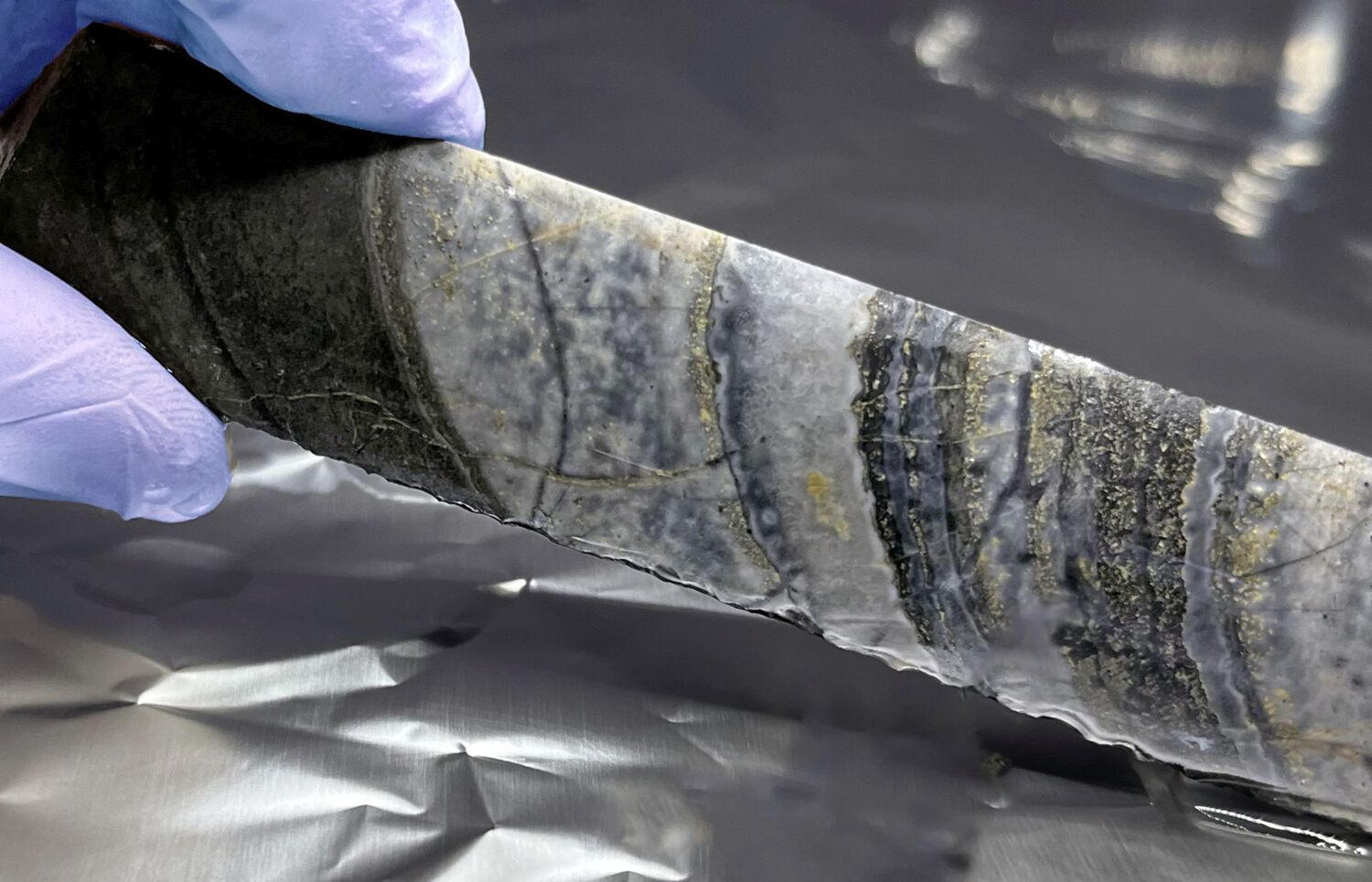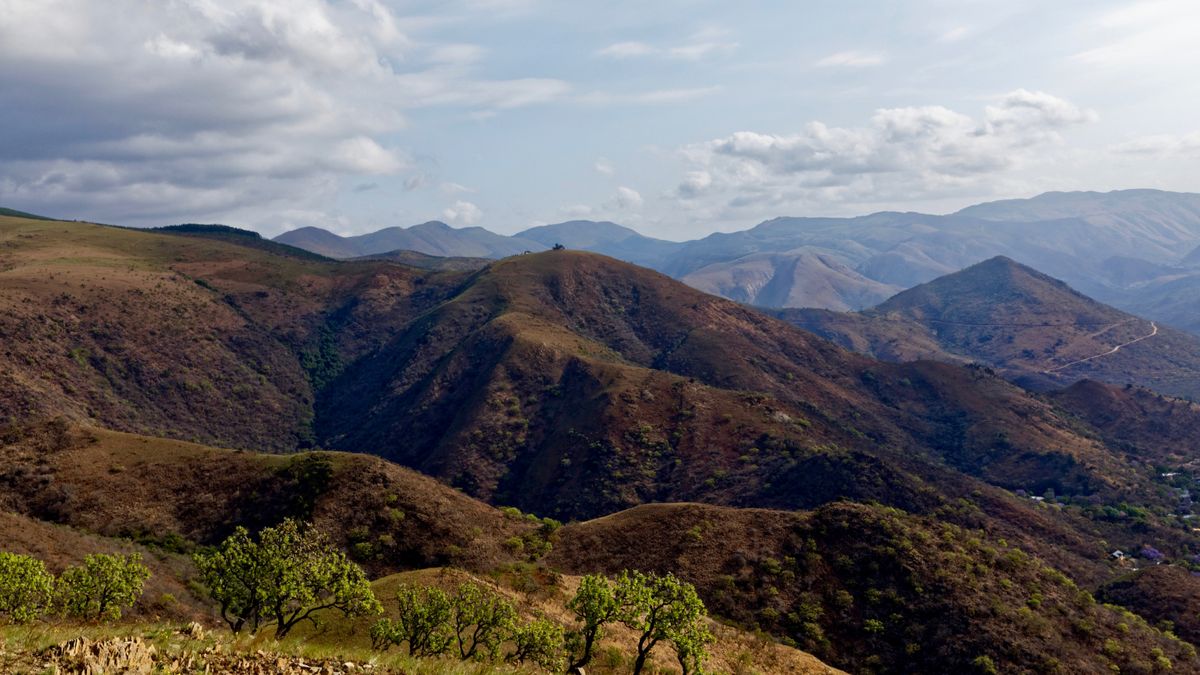
Scientists have discovered evidence of some of the earliest known earthquakes in 3.3 billion-year-old rocks from the Barberton Greenstone Belt in Africa, shedding light on early plate tectonics and conditions when life first evolved. The rocks resemble those in New Zealand that have experienced earthquake-triggered submarine landslides, suggesting a prolonged period of shaking. The findings hint at the role of subduction zones in creating conditions for life and offer insights into Earth's early geological history.
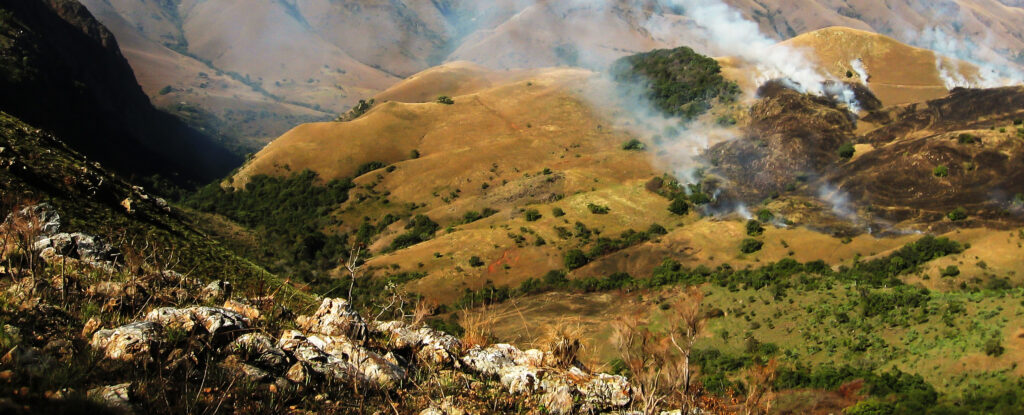
Researchers have uncovered evidence in the Barberton Greenstone Belt in Africa that suggests the early Earth experienced large earthquakes caused by tectonic plate subduction, contrary to previous beliefs. By studying rocks in New Zealand, they found similarities with the ancient rocks in Africa, indicating the presence of ancient landslides triggered by earthquakes. This discovery may also provide insights into early volcanic activity and the potential origins of life on Earth.
Researchers have discovered evidence of complex microbial communities dating back over 3 billion years in rock samples from South Africa's Barberton greenstone belt, shedding light on the earliest forms of life on Earth. By analyzing well-preserved particles of carbonaceous matter and corresponding rock layers, the team identified geochemical "fingerprints" of various microorganisms, revealing an unprecedentedly diverse carbon cycle involving different metabolic processes. These findings significantly advance our understanding of ancient microbial ecosystems and provide new avenues for research in the field of palaeobiology.