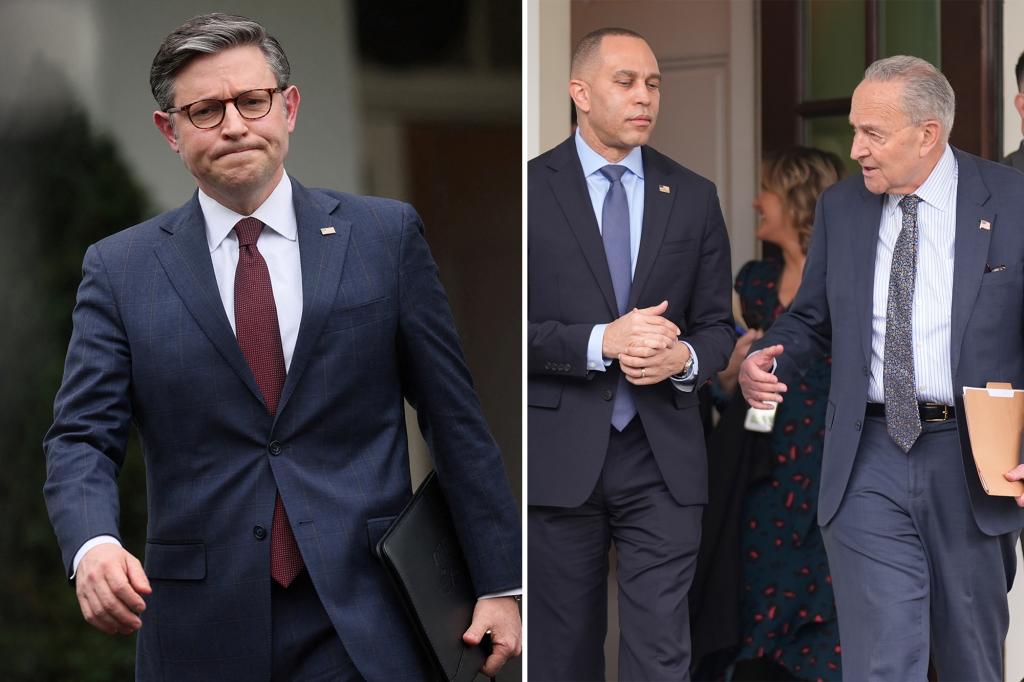
Top Democrats oppose a Republican stopgap spending plan, increasing the likelihood of a government shutdown before September 30, amid tensions over President Trump's policies and previous legislative decisions.
Senate Democrats are preparing to propose an alternative short-term spending bill to prevent a government shutdown, opposing the GOP's plan, amid ongoing bipartisan negotiations on government funding and policy issues like healthcare and tariffs.
House Republican leaders released a 91-page stopgap measure to fund the government through Nov. 20 and enhance lawmaker security, but it faces challenges in gaining bipartisan support and passing through the Senate, with some GOP members already indicating opposition.
The White House is urging Congress to pass a four-month stopgap spending bill until January 31, 2026, to prevent a government shutdown, amid ongoing disagreements over the appropriations process and funding priorities for fiscal 2026.
The White House submitted a list of funding anomalies to Congress for a potential stopgap government funding bill, including requests for exceptions like increased SNAP funding and D.C. financial relief, as the September 30 shutdown deadline approaches. Meanwhile, political developments include discussions on military authorizations, investigations into Jeffrey Epstein, and procedural changes in Senate nominations, all amidst ongoing negotiations and partisan debates.
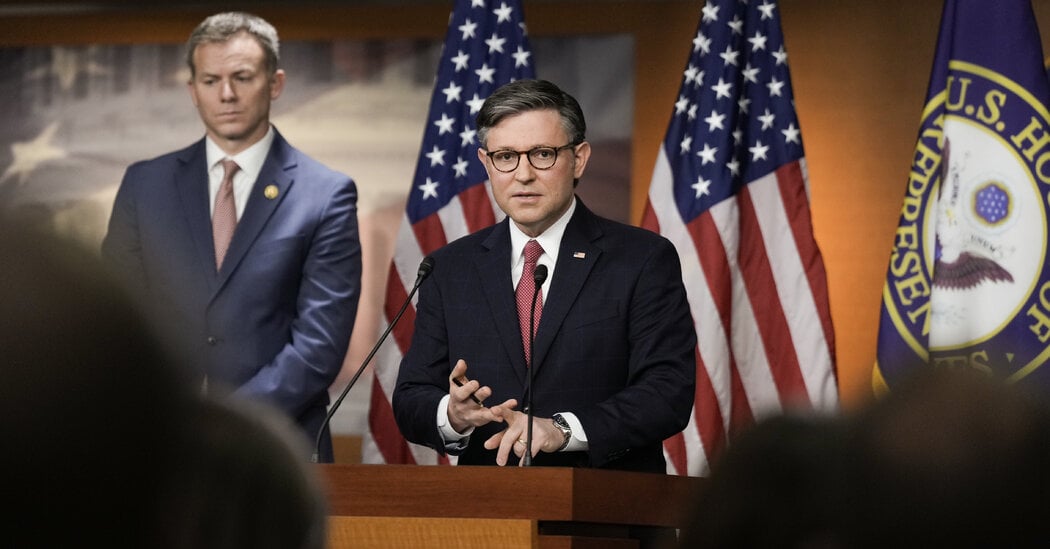
President Biden signed a stopgap bill to prevent a government shutdown, extending funding on a short-term basis and setting up deadlines on March 8 and March 22 for full-year funding bills to be finalized and passed. Congressional leaders have announced an agreement on six appropriations bills to be enacted before March 8, with the remaining bills to be finalized and passed before March 22. The House and Senate both passed the bill, with House Speaker Mike Johnson facing pressure from his right flank and defending his handling of the spending talks.
The Senate has approved a temporary spending measure in a 77-13 vote to prevent a partial government shutdown, pushing the funding deadlines for some government departments to March 8 and all remaining agencies to March 22. President Biden is expected to sign the bill, and Majority Leader Chuck Schumer announced that the Senate will take up votes on six appropriations bills next week. This measure comes after negotiators reached an agreement on full-year appropriations bills for several departments, with the remaining funding bills needing to be finalized and voted on before March 22.
The House passed a short-term stopgap spending bill to prevent a government shutdown, extending funding for half of the government for one week and the rest for three weeks. This move buys Congress time to finalize details of a deal on half of government spending and negotiate and pass the other half. The measure, passed by a vote of 320 to 99, averts a potential lapse in federal funding for several agencies and marks the fourth time since September that lawmakers have passed a stopgap spending bill to keep government funding flowing at current levels amidst ongoing funding disputes.
Congress is set to vote on a bill to prevent a government shutdown one day before the deadline, with the Democratic-led Senate scheduled to vote first and the Republican-controlled House hoping to pass it later Thursday. The bill would extend government funding through March 1 and March 8, giving appropriators more time to craft the 12 appropriations bills using newly agreed-to spending levels. The vote comes after a recent deal between Speaker Mike Johnson and Senate Majority Leader Chuck Schumer, but faces opposition from right-wing House Republicans.
President Biden signed a stopgap bill to temporarily fund federal agencies, avoiding a government shutdown for now. The bill, which passed with overwhelming bipartisan support, maintains current spending levels and does not include deep spending cuts sought by hardline Republicans. The continuing resolution funds certain government programs until January 19, with the rest funded through February 2. Biden urged Congress to address national security and domestic needs, while calling on House Republicans to honor the bipartisan budget agreement and stop wasting time on extreme bills.
The Senate has passed a stopgap bill to avert a government shutdown, which has already been approved by the House and will now be sent to President Joe Biden for signing. The bill extends funding until January 19 for various priorities, with the rest of the government funded until February 2. However, the stopgap bill sets up a contentious fight over funding in the new year, as lawmakers will need to negotiate and pass full-year spending bills in just over two months. Major partisan divisions and demands for spending cuts make the process complicated, and newly elected House Speaker Mike Johnson will face a significant leadership test.
Congress narrowly averted a government shutdown by passing a stopgap bill to keep the federal government open until mid-November. In a surprising turn of events, Speaker Kevin McCarthy pushed through the bill with Democratic votes, despite initially resisting partnering with Democrats. The bill did not include funding for Ukraine, but House Democrats supported it to avoid widespread government disruption. President Biden signed the bill shortly before midnight.
Congress passed a stopgap bill just hours before the midnight deadline to avert a government shutdown. The bill, which will keep the government open through November 17, includes natural disaster aid but not additional funding for Ukraine or border security. House Speaker Kevin McCarthy's decision to put forward a bipartisan bill could put his speakership at risk as hardline conservatives threaten to oust him. A vote to remove McCarthy as speaker is expected, but not yet scheduled. A shutdown would have significant impacts on various government operations.
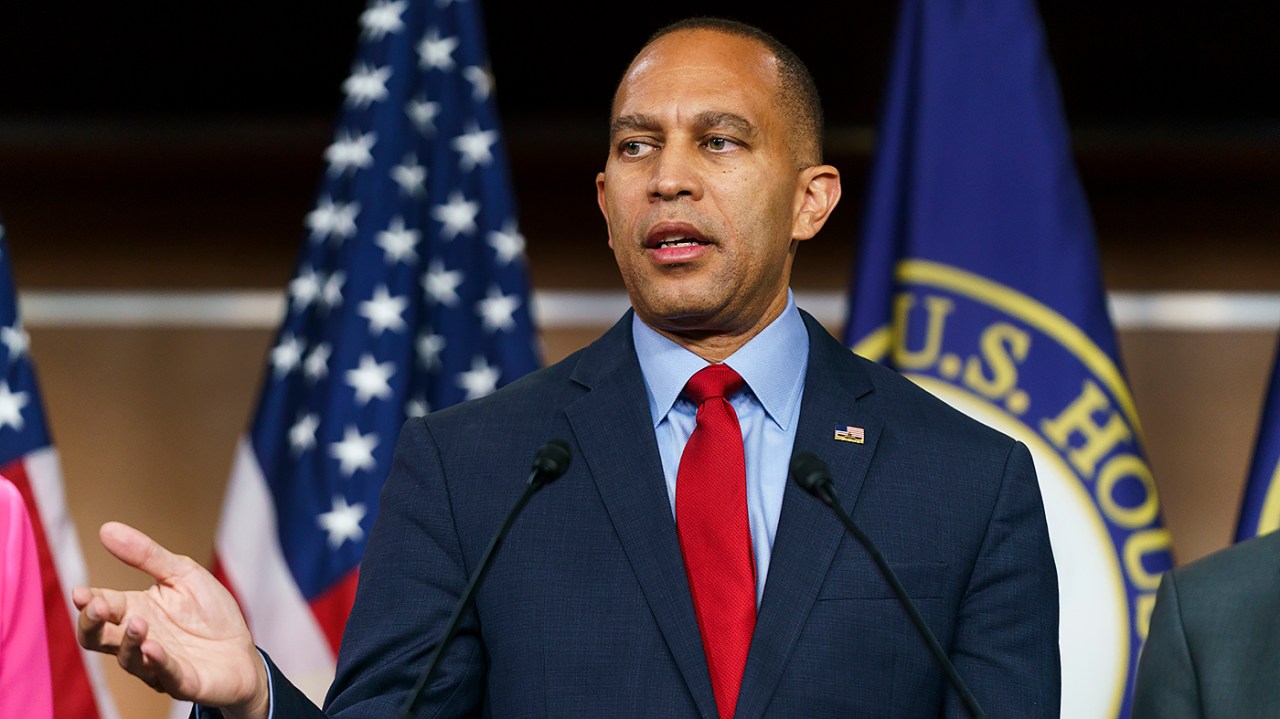
House Minority Leader Hakeem Jeffries is set to speak after the House passed a Republican stopgap measure to fund the government for 45 days. The measure received overwhelming Democratic support but faces opposition from some Republicans. The bill now moves to the Senate, where Senate Minority Leader Mitch McConnell has stated that Republicans will not allow it to come to a vote.
House Speaker Kevin McCarthy appears to lack the votes to pass a last-ditch stopgap bill to extend government funding beyond Saturday, increasing the likelihood of a government shutdown. McCarthy risks provoking a major confrontation with hardline conservatives if he tries to push through a one-month funding extension, as they argue Congress should focus on passing full-year spending bills. Even if the measure were to pass the House, the spending levels and border measures would likely doom it in the Democratic-controlled Senate. The House GOP leaders are uncertain they have the votes to win a key procedural vote, and a shutdown could have significant impacts across the country. The Senate is working on a bipartisan stopgap bill, but it may not pass in time to avoid a shutdown.