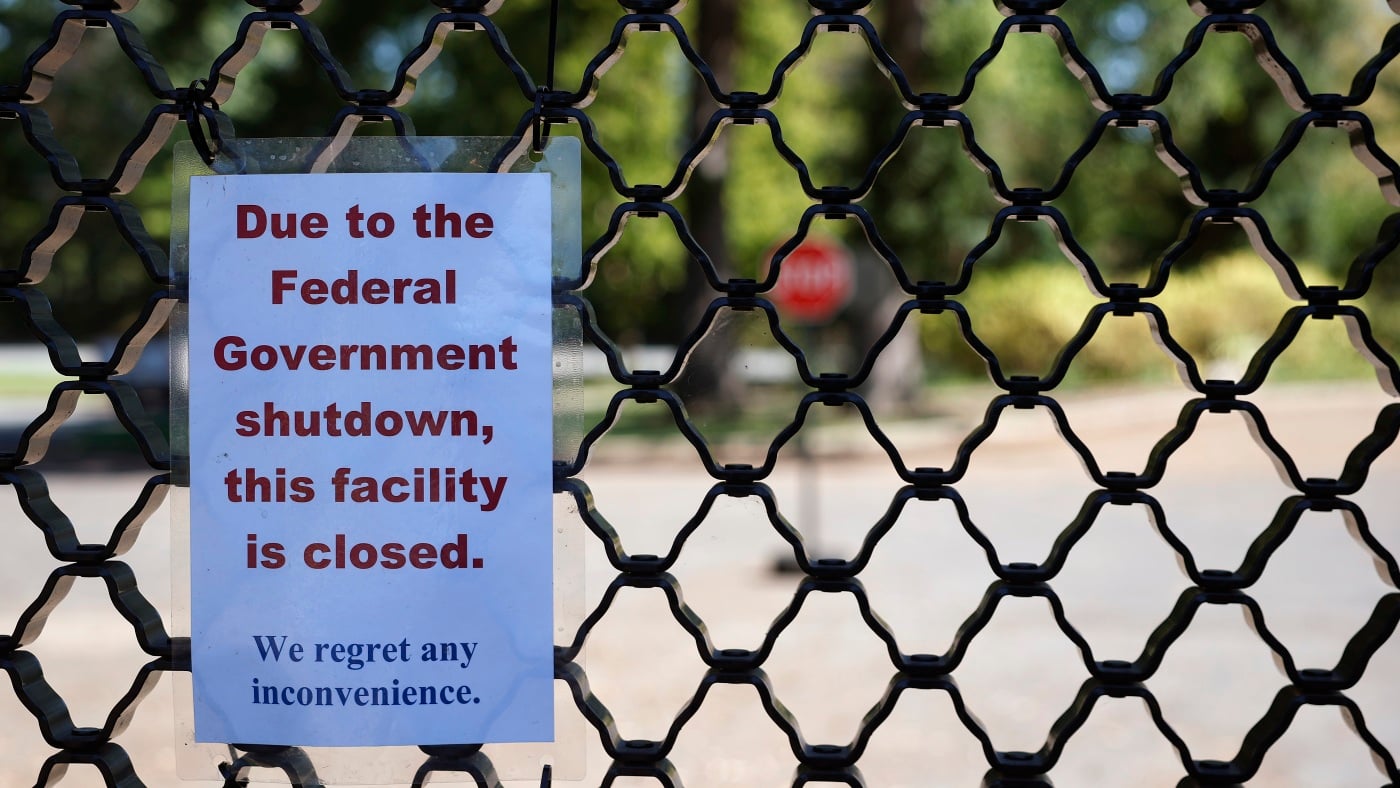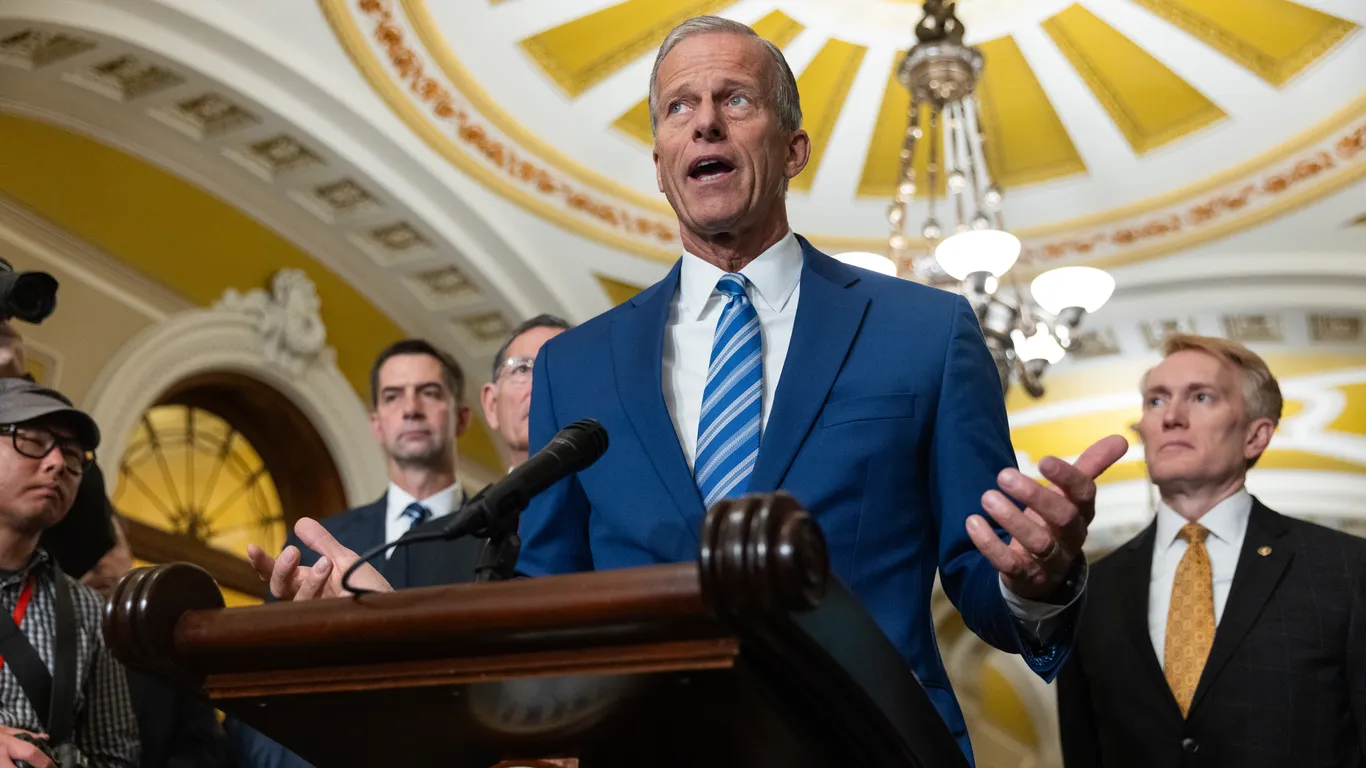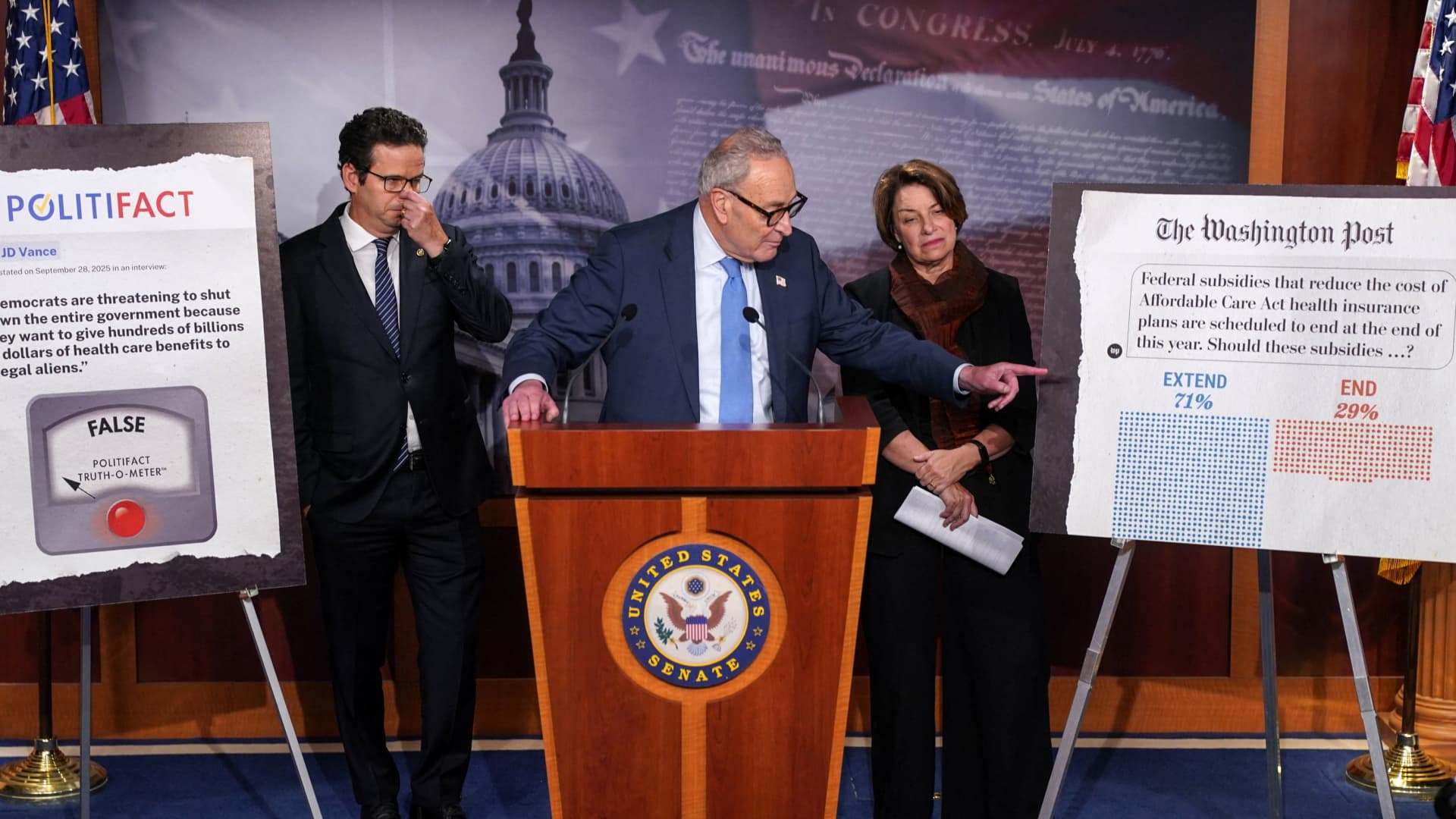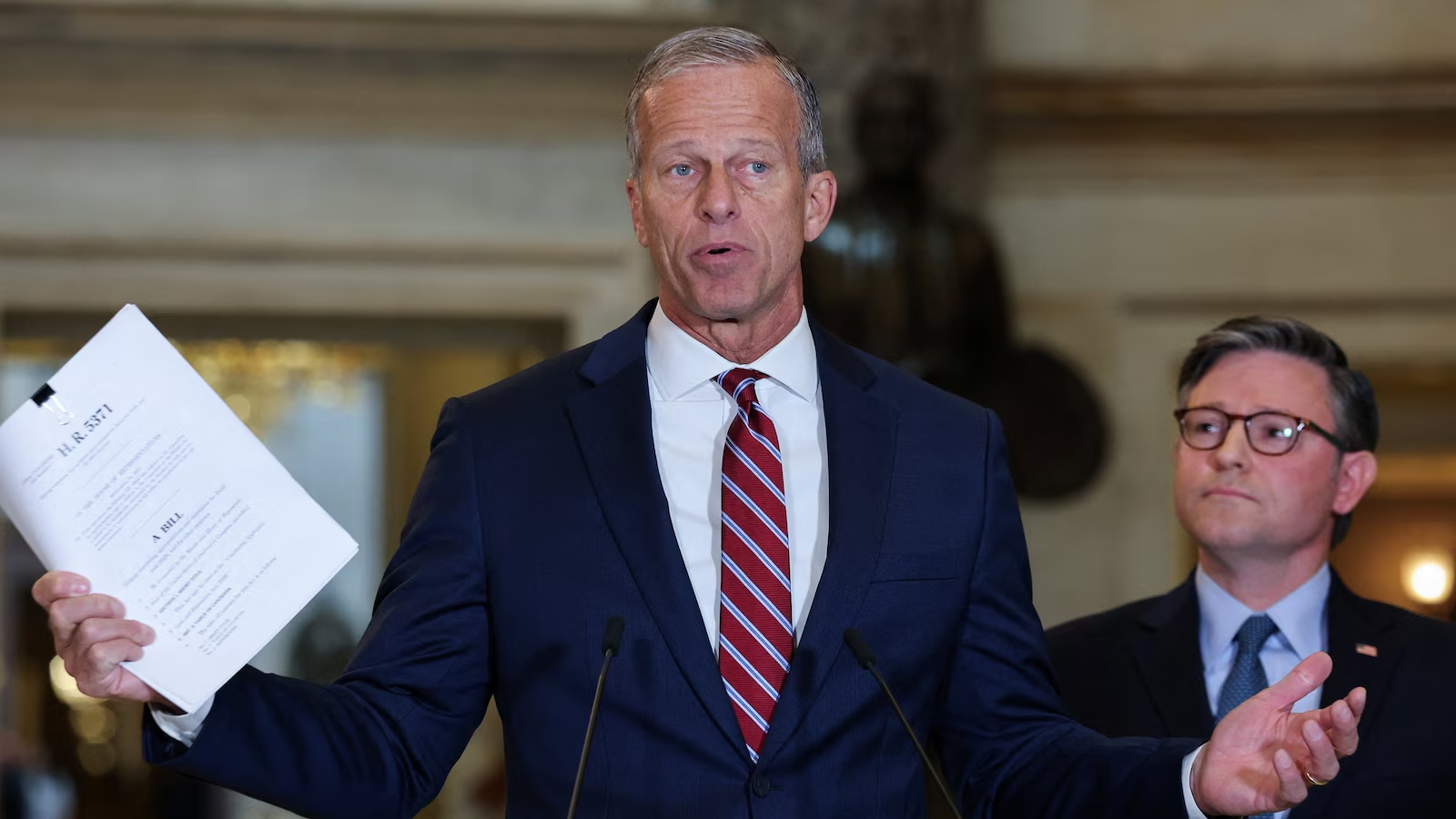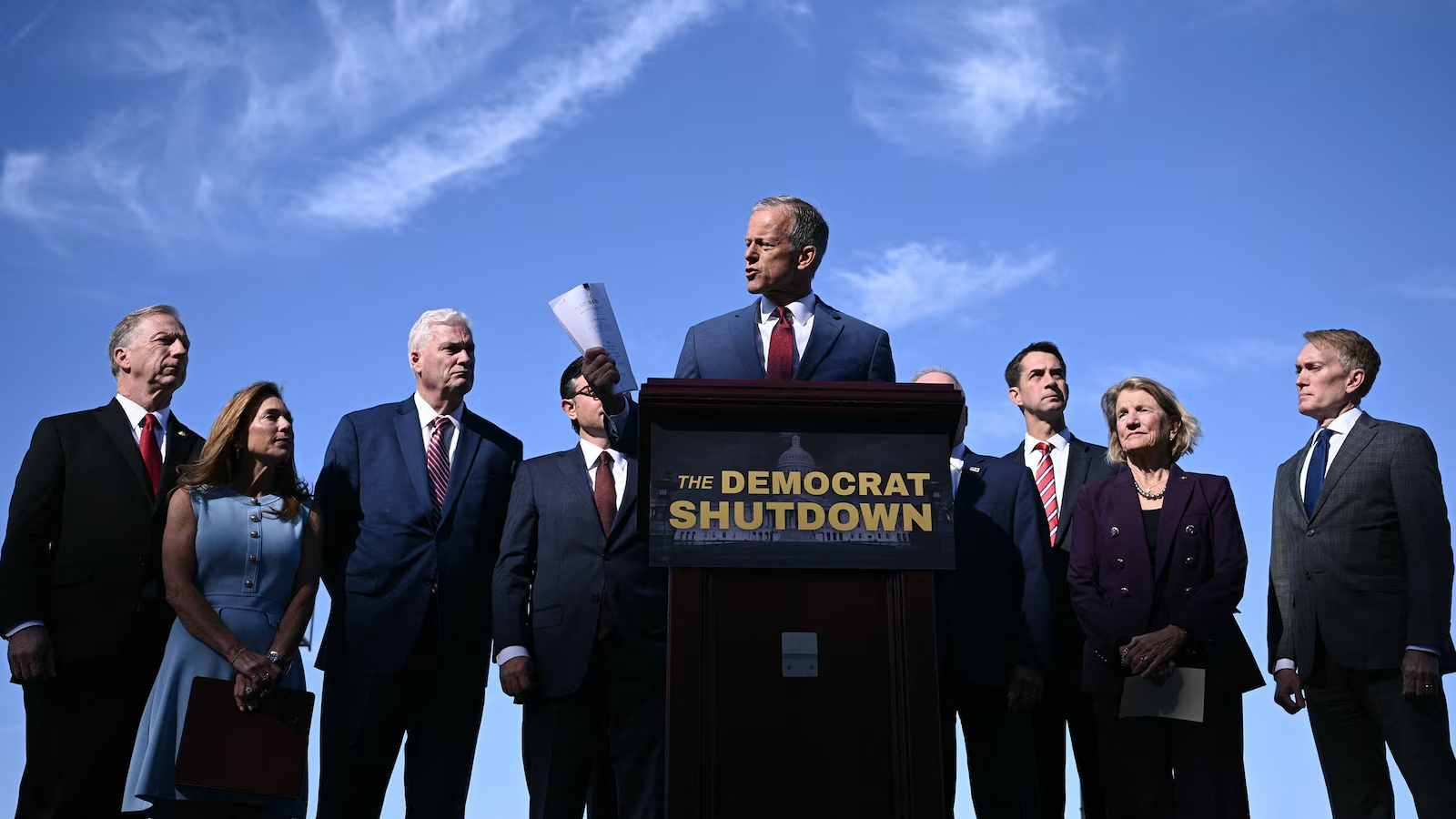
A potential bipartisan agreement is emerging in the Senate to end the government shutdown, with at least 10 Democrats supporting a package of funding bills and measures to aid federal workers, including a short-term funding extension through January and a vote on extending ACA tax credits, with a vote expected soon.
Senate Democrats are prepared to support a package of bills that could end the longest government shutdown in U.S. history, including a vote on extending Obamacare tax credits, marking a significant step toward bipartisan agreement.
Bipartisan negotiations in the U.S. Senate have shown promising progress towards ending the 39-day government shutdown, with lawmakers working on short-term funding measures and longer-term bills for various agencies, though disagreements remain over health insurance subsidies and SNAP benefits.
Senate negotiations to end the government shutdown are ongoing, with discussions focusing on a stopgap funding extension, appropriations bills, federal workforce protections, and healthcare issues, but no agreement is imminent as lawmakers prepare for potential further delays.
Bipartisan Senate talks to end the government shutdown are progressing but face hurdles, including extending funding through early 2026, addressing federal layoffs, and healthcare subsidies, with negotiations ongoing and no immediate resolution expected.
The Senate failed to pass measures to fund federal workers during the ongoing government shutdown, with disagreements between Democrats and Republicans over who should be paid and how, as the shutdown enters its 23rd day, the second-longest in U.S. history.
Senate Majority Leader John Thune plans to advance a package of full-year funding bills for multiple agencies to reopen the government, needing at least seven Democrats' support for a procedural vote, while Senate Minority Leader Chuck Schumer considers a short-term government reopening if a shutdown occurs.
The ongoing government shutdown has led to a stalemate in Congress, with the Senate leaving town until Tuesday and little movement on passing funding bills. Military personnel are at risk of missing their next paychecks, and there are delays at airports due to air traffic controller shortages. House Speaker Mike Johnson has canceled votes and is resistant to passing a standalone bill to pay troops, despite urgent pleas from military families and growing bipartisan pressure. The deadlock continues as Democrats and Republicans remain at an impasse over funding and healthcare issues.
The U.S. Senate has failed for the sixth time to pass a government funding bill amid ongoing shutdown negotiations, with internal GOP disagreements and conflicting messages from President Trump complicating efforts to reopen the government and address healthcare subsidies.
The U.S. Senate is set to vote again on competing funding proposals to end the government shutdown, which has entered its second week, with Democrats demanding healthcare protections and Republicans seeking a short-term funding extension; previous votes have failed, and negotiations remain deadlocked.
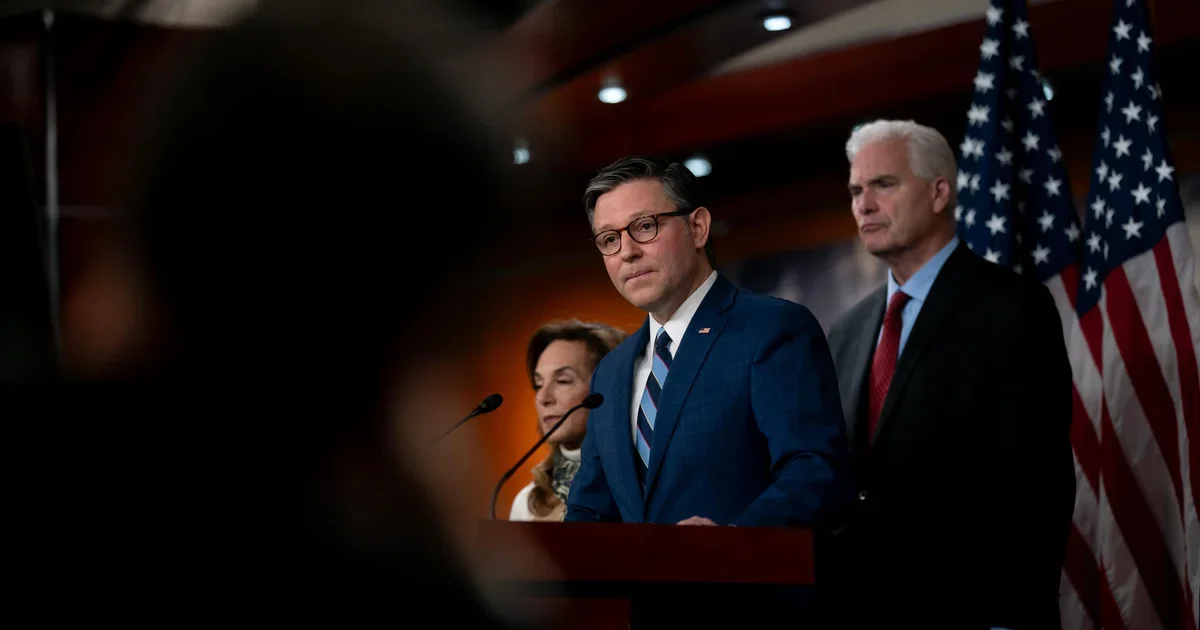
Speaker Mike Johnson has assured Senate Democrat Patty Murray of his intention to facilitate bipartisan negotiations on government funding bills once the shutdown ends, amid ongoing standoff and stalled negotiations between House and Senate leaders. Johnson expressed readiness to bring bills to the floor, while Democrats demand guardrails and extensions for ACA tax credits. The shutdown continues with little progress, as both sides remain entrenched in their positions.
House Minority Leader Hakeem Jeffries challenged Speaker Mike Johnson to a live debate on the government shutdown, which Johnson declined, citing previous debates and ongoing negotiations. Johnson has been engaging with Senate Democrats to facilitate bipartisan talks on government funding, while efforts to pass a continuing resolution face resistance in the Senate. The shutdown continues into its second week, with lawmakers and officials closely watching upcoming votes and negotiations.
The US government shutdown enters its third day with Senate votes on funding bills failing, as negotiations stall between Republicans and Democrats, with no resolution expected until at least Monday, amid political standoff and threats of federal layoffs.
The Senate failed to pass funding bills, leading to a government shutdown, with Democrats and Republicans blaming each other; negotiations continue as the shutdown impacts the American public.
The Senate rejected short-term funding bills due to partisan disagreements over healthcare subsidies, bringing the government closer to a potential shutdown as negotiations continue.