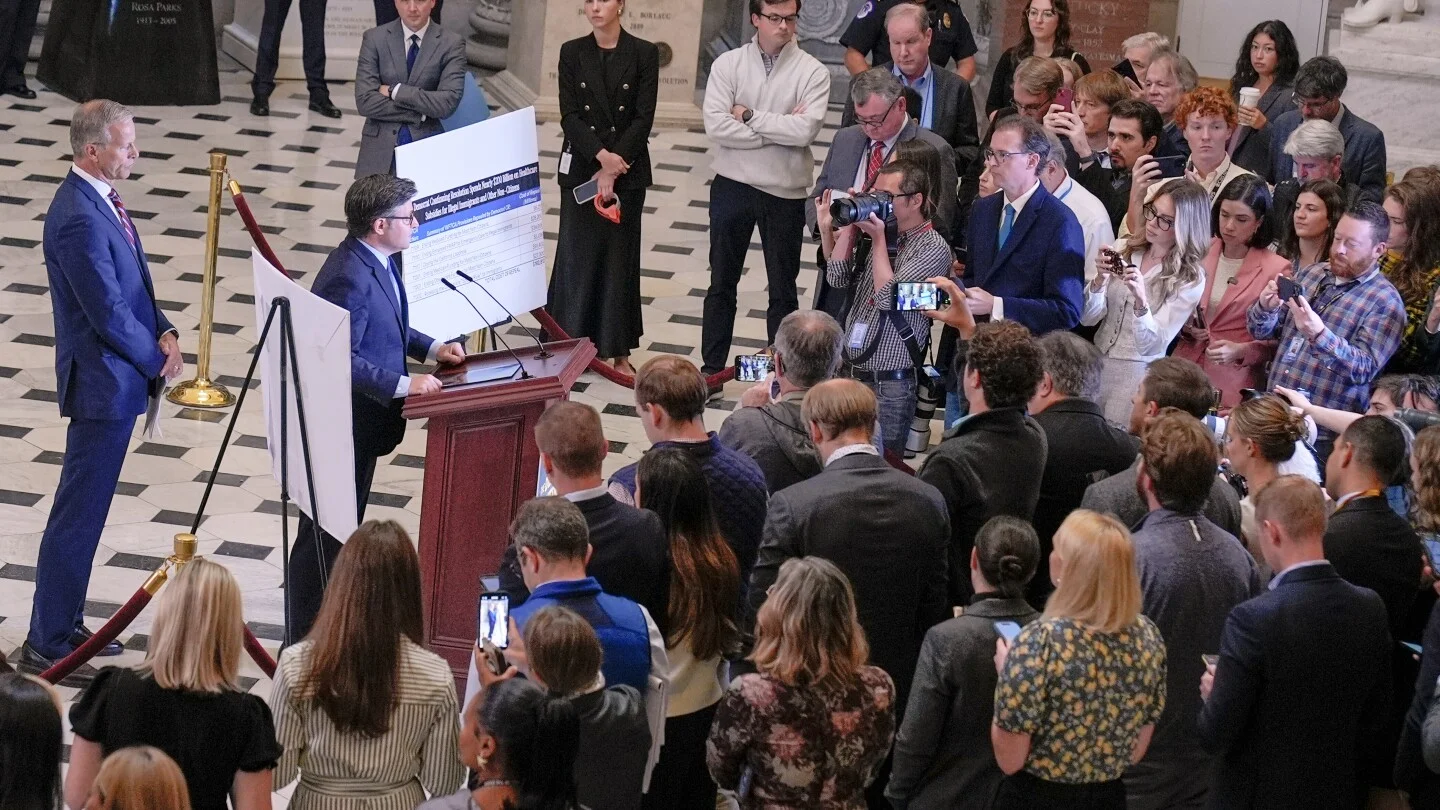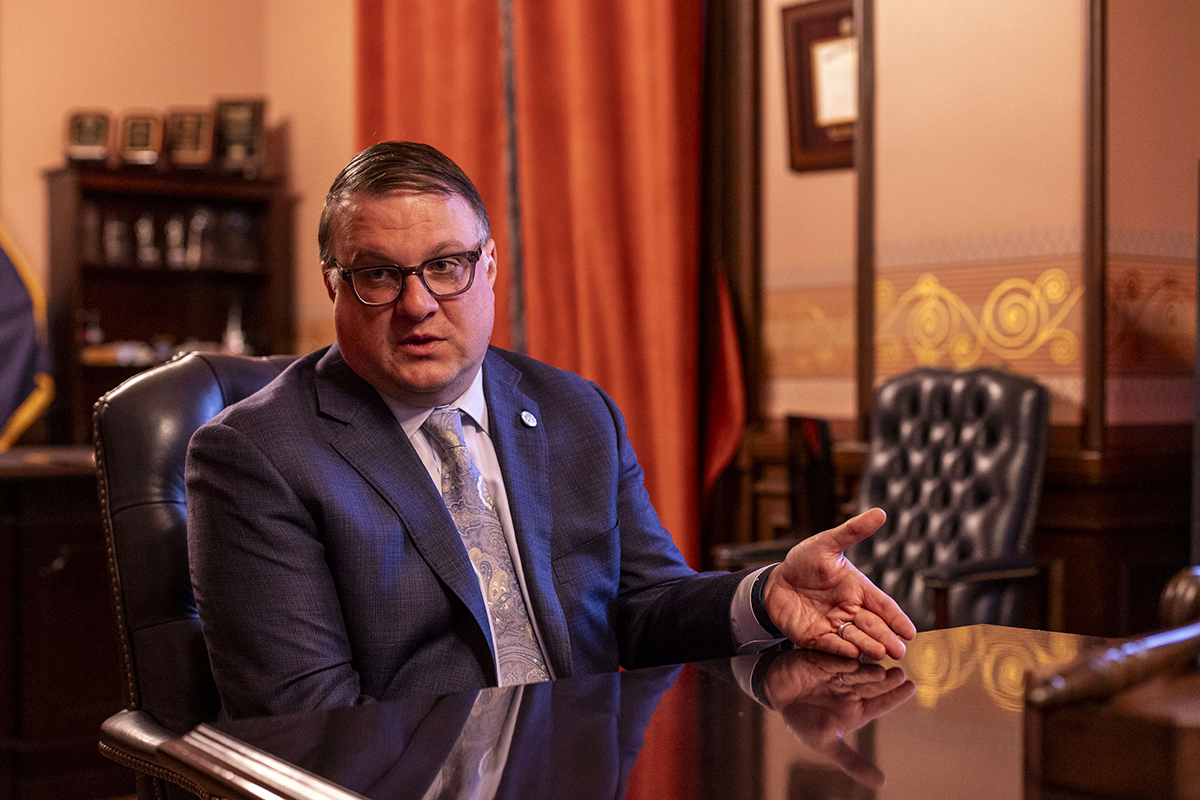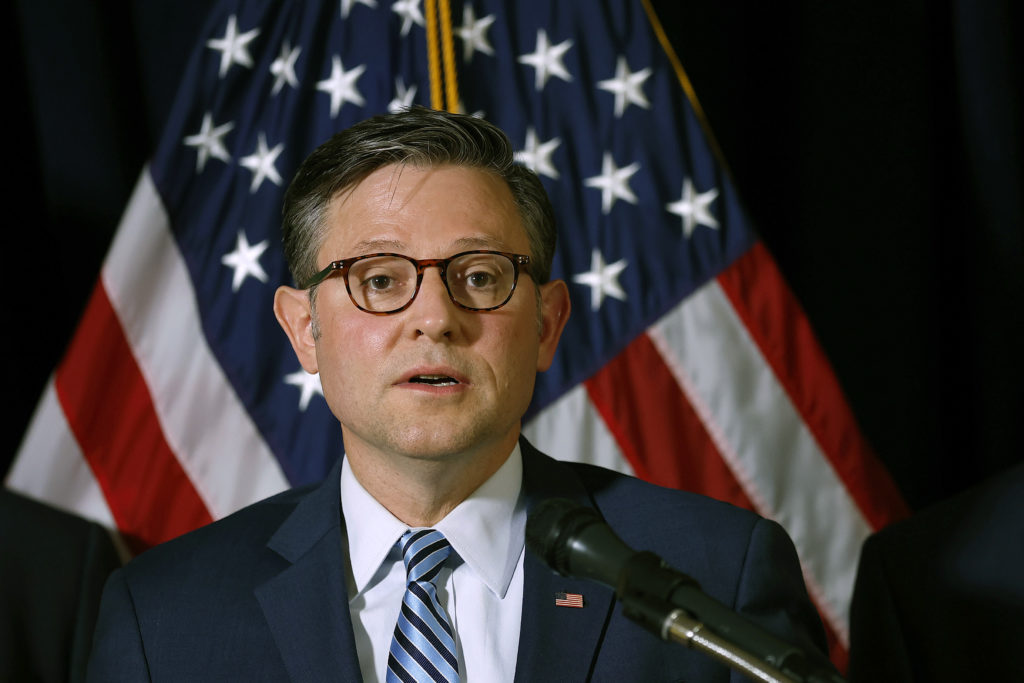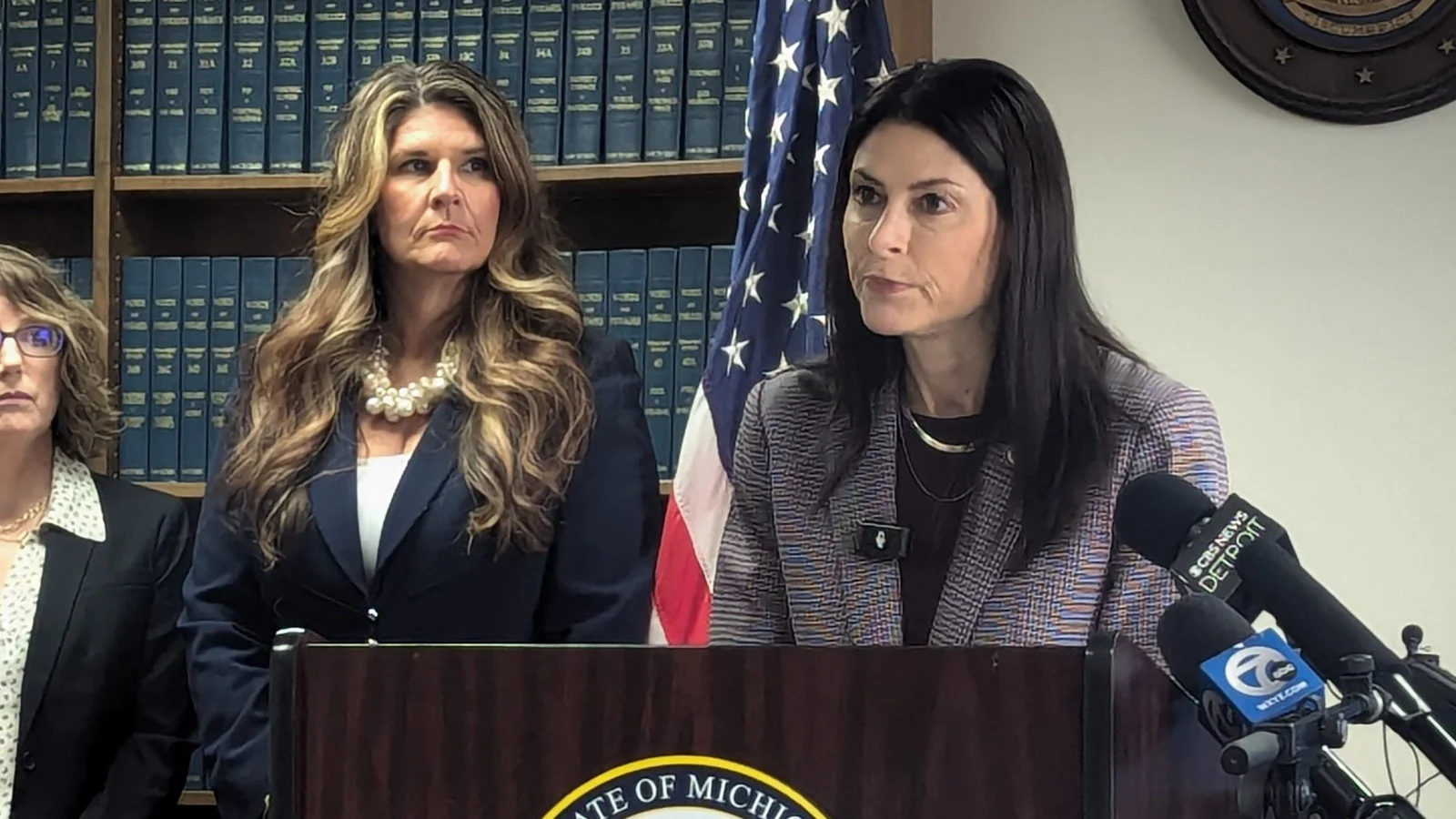
Michigan Attorney General Dana Nessel declared that the GOP-led House's $645 million spending cuts were unconstitutional, citing violations of separation of powers and bicameralism, and stated that funds would be restored, while House Republicans vowed to sue over what they called a political decision.
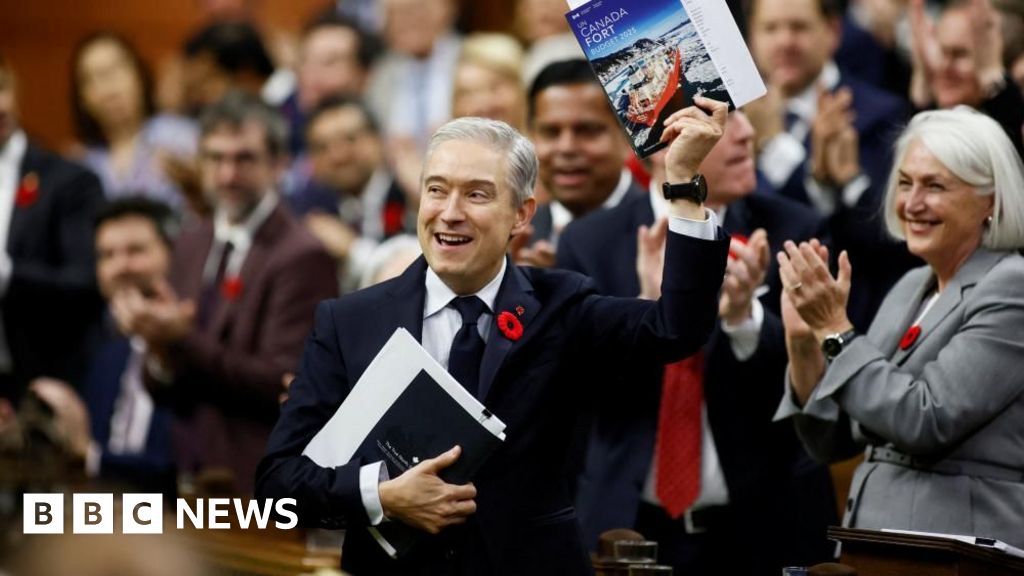
Canada's new federal budget, introduced by Finance Minister François-Philippe Champagne, features significant spending aimed at boosting competitiveness and infrastructure, alongside planned austerity measures including job cuts and ministry reductions. The budget emphasizes transforming Canada into a 'clean energy superpower,' increasing defense spending, and diversifying trade away from the US, while also marking a shift away from Trudeau-era policies such as immigration targets and environmental initiatives. It aims to address economic challenges posed by global shifts and US trade tensions through strategic investments and reforms.
During the government shutdown, President Trump implemented targeted spending cuts primarily affecting Democratic-voting states, raising concerns among Republicans about political backlash and potential electoral consequences, while Democrats criticize the moves as overreach and punitive.
White House press secretary Karoline Leavitt states that due to the ongoing government shutdown, the Trump administration is considering responsible spending cuts and has proposed layoffs for federal workers, blaming Democrats for the impasse and emphasizing the need to reopen the government before addressing healthcare and budget issues.
Donald Trump has threatened to implement permanent spending cuts amid the ongoing US government shutdown, highlighting escalating fiscal tensions and political disagreements over budget issues.
France is facing a severe budget crisis due to high government spending, tax cuts for the wealthy, and increased borrowing, leading to political instability and rising borrowing costs, with the government on the brink of collapse as it struggles to implement necessary fiscal reforms.
Michigan House Republicans proposed and approved a $54.6 billion budget that cuts spending across many state departments, eliminates thousands of jobs, bans diversity, equity, and inclusion initiatives, and allocates over $3 billion to improve roads, amidst ongoing partisan disagreements with Democrats that threaten a government shutdown.
Russia plans to increase taxes and reduce non-military spending to sustain record-high defense expenditures amid falling oil revenues and economic challenges, with potential spending cuts contingent on the end of the Ukraine conflict, while facing a growing budget deficit and economic pressures.
The House approved a $9 billion rescission request from President Trump, cutting funding for public broadcasting and foreign aid, marking a rare instance of a president successfully requesting such cuts. The measure faces opposition from Democrats and concerns about impacts on local stations and international aid programs, while Republicans argue it promotes fiscal responsibility. The bill now awaits Trump's signature.
The House passed a bill to rescind $9 billion in federal spending, including cuts to public media and foreign aid, marking the first successful rescission package in over 30 years, and potentially complicating the upcoming government funding deadline.
The House approved a $9 billion spending cuts package, mainly targeting foreign aid and public broadcasting, using a rare presidential budget law maneuver favored by Trump, marking a legislative win for him amid political tensions and debates over government funding and transparency issues.
The Senate approved a $9 billion spending cuts package, including reductions in foreign aid and public broadcasting funding, which now awaits final approval from the House before being signed into law by President Trump. The bill faced opposition from some Republicans concerned about transparency and the impact on programs like PEPFAR and NPR, with the outcome hinging on House support before the Friday deadline.
Some Senate Republicans express reservations about a $9 billion spending cut bill, mainly due to lack of details on implementation, but most plan to vote for it, with final approval pending further amendments and a vote in the House.
US Senate Republicans have agreed to exempt the HIV/AIDS program Pepfar from planned $400 million cuts, part of a broader effort to reduce government spending, which could impact global health efforts, especially in Africa. The amendment, supported by the White House, aims to preserve vital funding for HIV/AIDS relief, amid concerns over cuts to international aid and public broadcasting, with the bill awaiting further votes.
Senate and House leaders are navigating a complex process to approve a $9.4 billion rescissions package, with debates over details, amendments, and support, amid broader funding disputes including FBI relocation and Russia sanctions, while also addressing issues like Jeffrey Epstein files and judicial nominations.