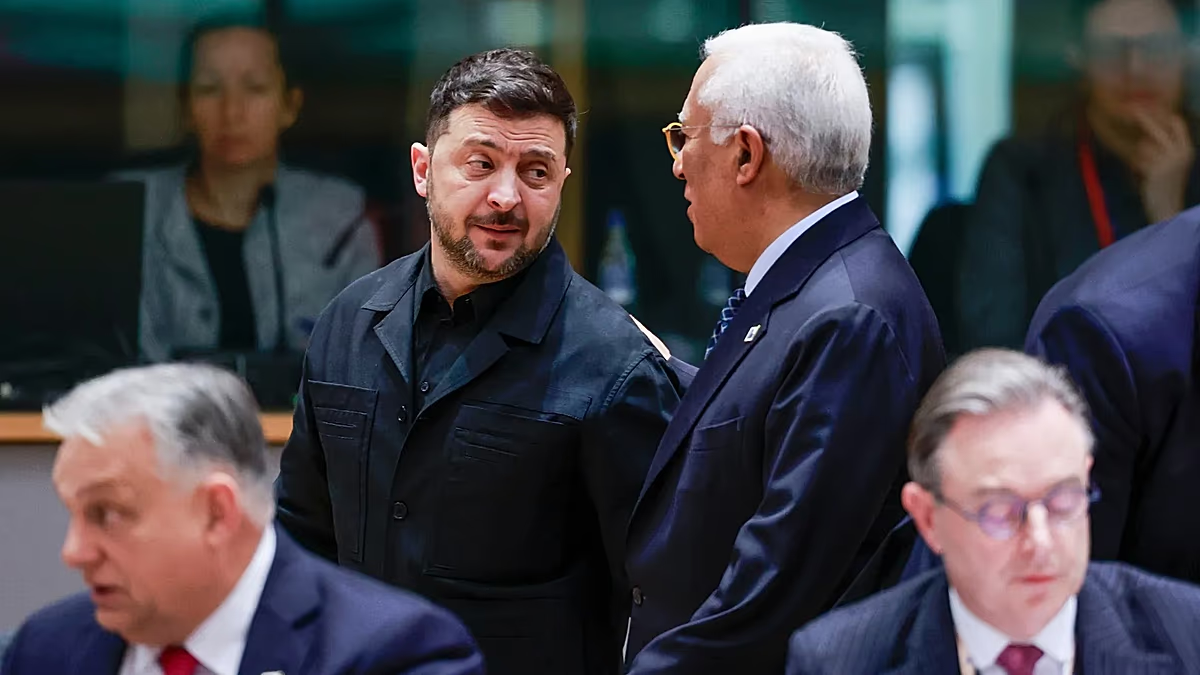
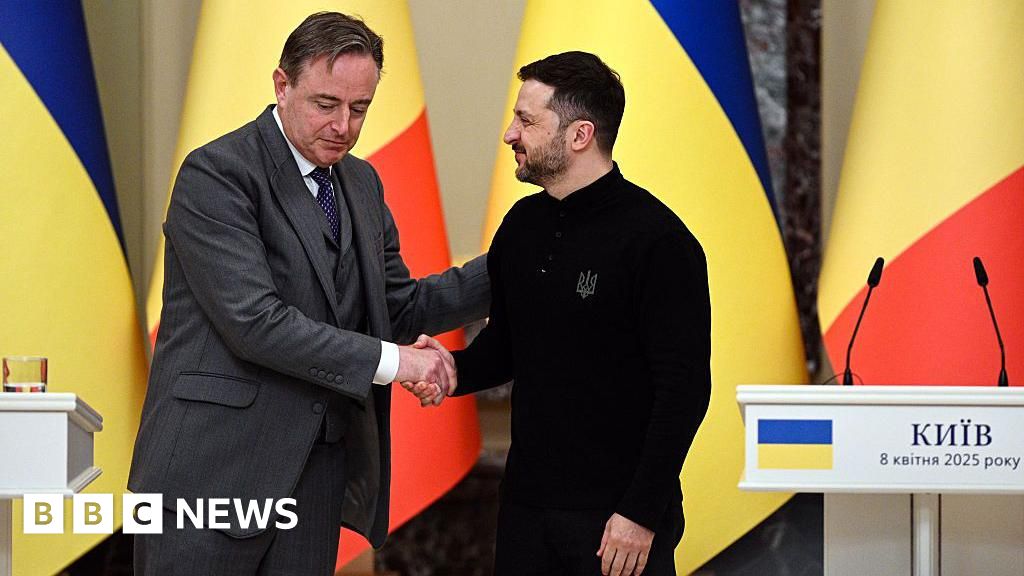
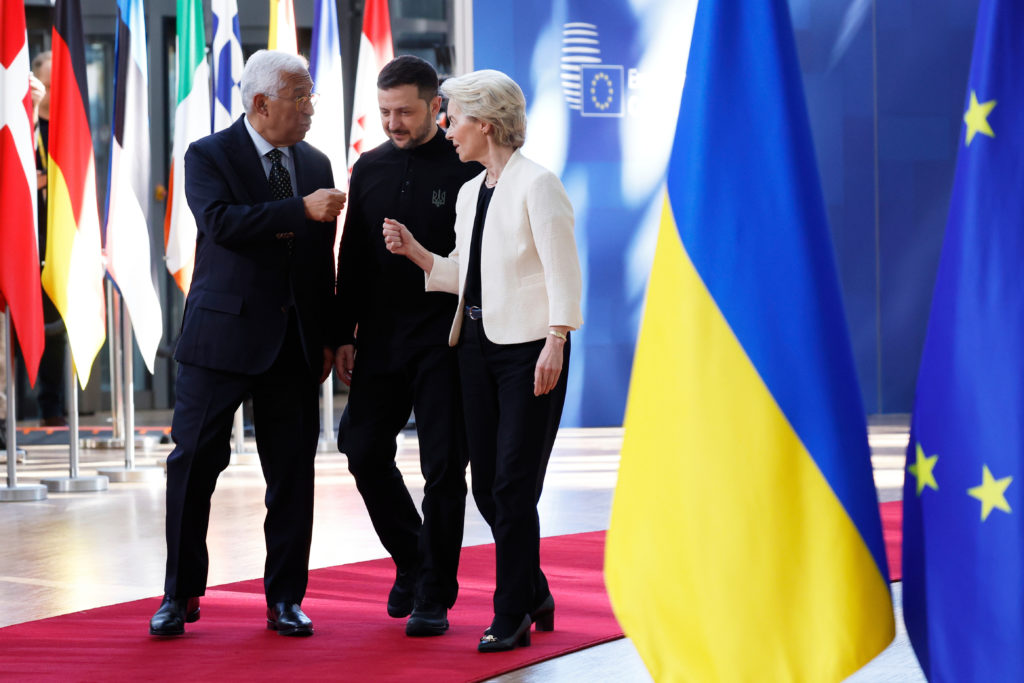
EU leaders initially considered a reparations loan for Ukraine based on Russian assets but ultimately abandoned the plan in favor of a joint borrowing scheme backed by the EU budget, allowing 24 member states to fund Ukraine without unanimity, amid internal disagreements and geopolitical considerations.
The EU has agreed to raise €90 billion through joint borrowing to support Ukraine's military and budget needs, with funds to be repaid only after Russia pays reparations, and with some countries exempted from vetoes and costs. The plan involves issuing bonds on the markets, with interest costs shared among member states, and includes conditions related to anti-corruption and defense industry criteria.
EU leaders are debating whether to loan Ukraine billions of euros from frozen Russian assets held in the EU, mainly in Belgium, to support Ukraine's military and economic needs amid ongoing war tensions. The decision faces opposition from Belgium and Hungary, with legal and political hurdles, but could significantly impact Ukraine's ability to continue fighting and influence the broader conflict.
EU leaders are debating whether to use frozen Russian assets, totaling €210bn, to fund Ukraine's needs, with plans to borrow €90bn through Euroclear, a move that faces legal, political, and diplomatic challenges, including opposition from Belgium and Russia, and concerns over global investor confidence and EU credibility.
EU leaders are preparing for a high-stakes summit to decide on using frozen Russian assets to fund Ukraine's economic and military needs, proposing a controversial 90 billion-euro reparations loan with potential legal and diplomatic challenges, amid disagreements among member states about the best approach and concerns over trust and legal implications.
European leaders face a critical summit amid deep divisions over using €210 billion in frozen Russian assets to fund Ukraine, with US pressure and internal disagreements threatening EU unity and its ability to support Ukraine effectively.
European markets closed higher overall, but defense and pharma stocks declined amid ongoing geopolitical and economic developments, including ECB policy decisions, inflation data, and Ukraine funding discussions.
EU leaders are set to discuss a 'drone wall' for continental defense and the use of frozen Russian assets to fund Ukraine at a Copenhagen summit, amid recent airspace violations by unidentified drones over Denmark and neighboring countries, prompting increased military and security measures across Europe.
Senate Republican Mitch McConnell is returning to the Appropriations Committee, where he is influencing key legislation including provisions on hemp regulation, defense spending, and Ukraine aid, as he prepares for his retirement and continues to shape U.S. foreign policy and domestic issues like Michigan's congressional race.
Mitch McConnell returns to the Senate Appropriations process, aiming to influence key spending bills, including provisions on industrial hemp and increased defense and Ukraine support, as part of his legacy before retirement.
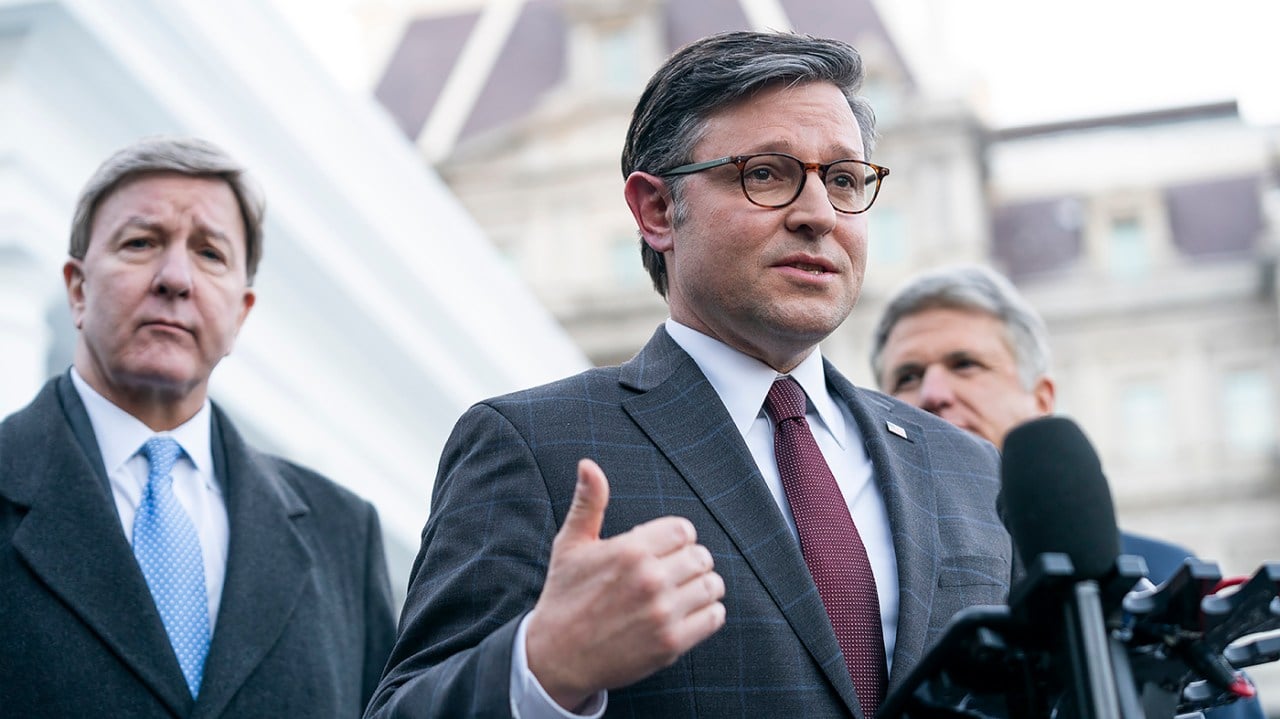
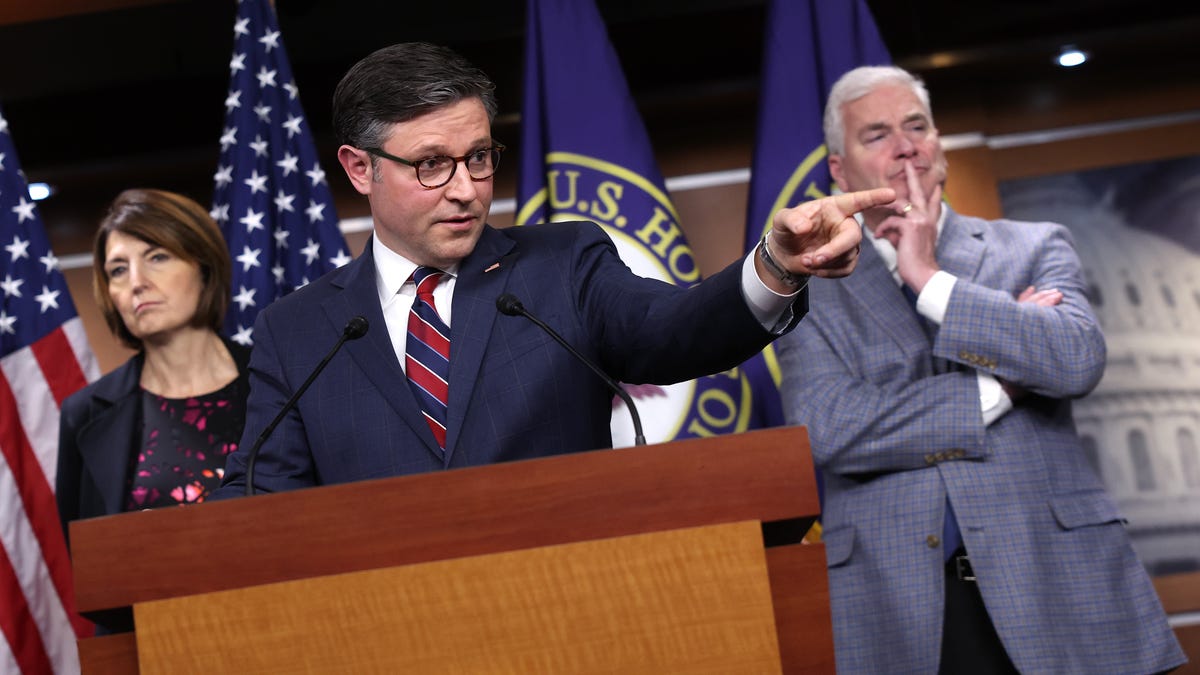
After finalizing a permanent spending package, House Speaker Mike Johnson faces pressure from hardline House Republicans, particularly the Freedom Caucus, who are critical of his concessions to pass the budget bill and are gearing up to challenge him on Ukraine funding. The hardliners are adamant that no aid should go to Ukraine if the U.S. border remains open, reflecting the growing influence of border security as a key issue for Republicans in the 2024 election. Johnson's efforts to balance the interests of hardline conservatives and keep the government running are reminiscent of former Speaker Kevin McCarthy's ouster, and the upcoming Ukraine funding decision poses a significant challenge for him.
Fox News Chief Political Analyst Brit Hume criticized hardline Republicans for killing a border security bill negotiated in the Senate, warning that it could make the GOP look like a "do-nothing Congress." The $118 billion bill was rejected by the House, with conservative hardliners arguing it didn't go far enough to end illegal immigration. Meanwhile, a $95.3 billion aid package for Ukraine, Israel, and Taiwan was approved in the Senate but faces opposition in the House, with demands for border security funding. President Biden urged House Speaker Mike Johnson to bring the bill to the House for a vote, emphasizing the importance of standing strong for allies and not bowing down to anyone, including Vladimir Putin.
President Biden and Senate GOP are pressuring Speaker Mike Johnson to accept a deal on Ukraine funding and border security, emphasizing the urgency of the situation. The package also includes funding for Israel and the Indo-Pacific region. Johnson has pushed back against the emerging Senate border deal, but Senate leaders are confident about finalizing the package. McConnell urges GOP to consider broader national security needs and warns of serious consequences if aid for Ukraine and Israel is delayed. Schumer is optimistic about reaching a deal in the Senate soon.
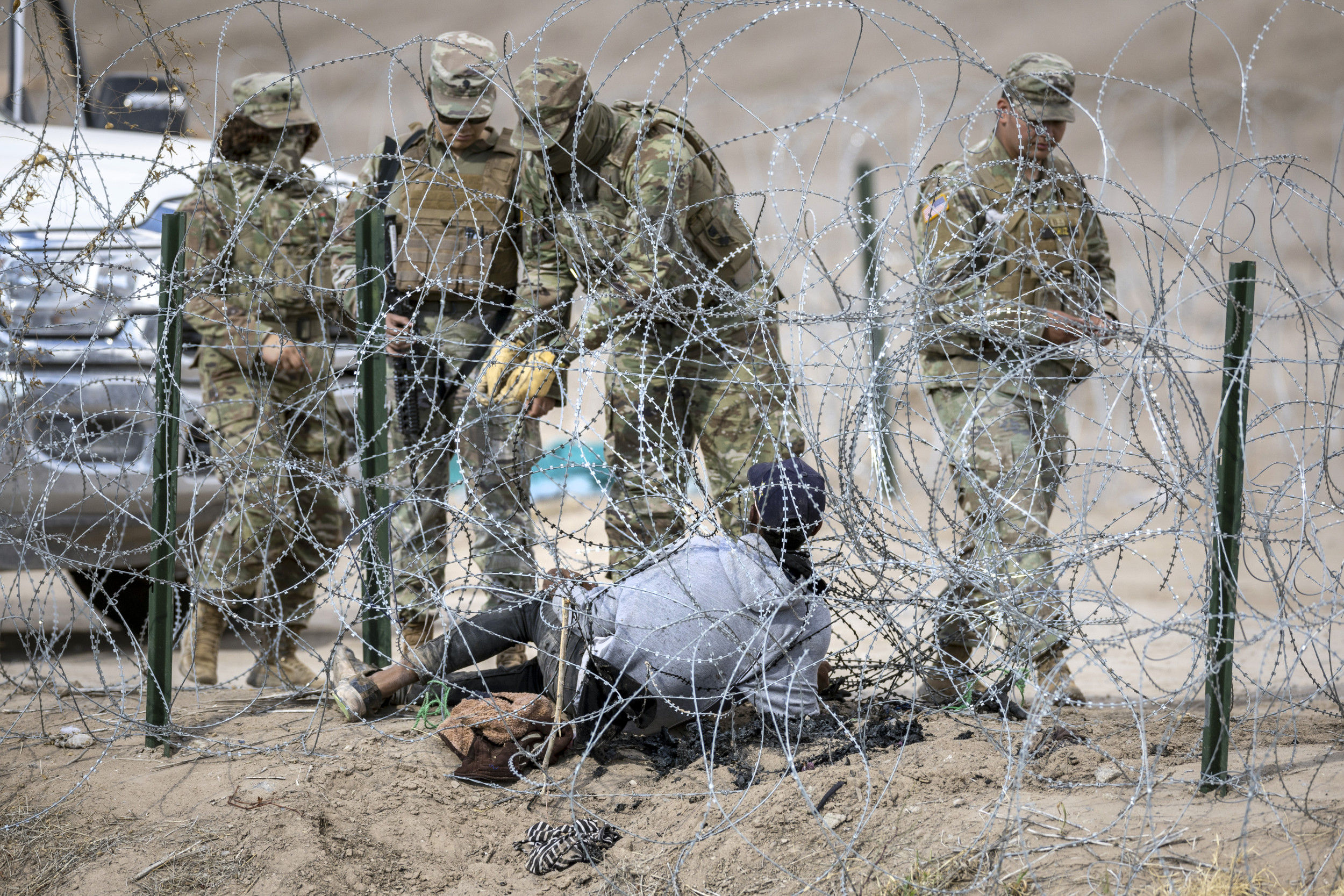
Lawmakers are unlikely to advance legislation on border security and Ukraine funding before Christmas, as negotiations continue without a finalized agreement. GOP lawmakers are tying border reform as a condition for passing aid to Ukraine, and while progress is being made, a written proposal has not been reached. Republican senators have raised concerns about rushed and secret negotiations with Democrats, requesting a conference meeting in January to discuss the matter. Senate Minority Leader Mitch McConnell has noted that without sufficient time to review the legislation, it would not succeed. Talks are expected to continue, and if a deal is not reached soon, negotiations may be delayed until the new year.
The House has passed the annual defense policy bill, known as the National Defense Authorization Act, which includes a 5.2% pay raise for troops, funding for Ukraine, and an extension of a controversial foreign surveillance program. The bill faced opposition from House conservatives due to the extension of Section 702 and the omission of culture war amendments. The House version, filled with controversial amendments, was rejected by the Senate, leading to a compromise version. The bill now awaits President Joe Biden's approval.