Europe's Economic Outlook Hinges on German Spending Surge
Economists say Europe's economic growth prospects heavily depend on Germany's increased spending, highlighting Germany's crucial role in the continent's economic outlook.
All articles tagged with #spending

Economists say Europe's economic growth prospects heavily depend on Germany's increased spending, highlighting Germany's crucial role in the continent's economic outlook.

The 2025 economy remains surprisingly steady with consistent consumer spending, business investment in AI, stable gas prices near $3, low unemployment around 4%, and Americans saving about 5% of their income, despite some challenges.

US consumer confidence has declined for the fifth consecutive month in December, driven by pessimism about the labor market and business conditions, with concerns over inflation, tariffs, and politics weighing on consumers. Despite a strong Q3 economic expansion, consumer sentiment remains subdued, and economists expect tepid hiring and little improvement in unemployment in 2026, which could further impact confidence and spending.

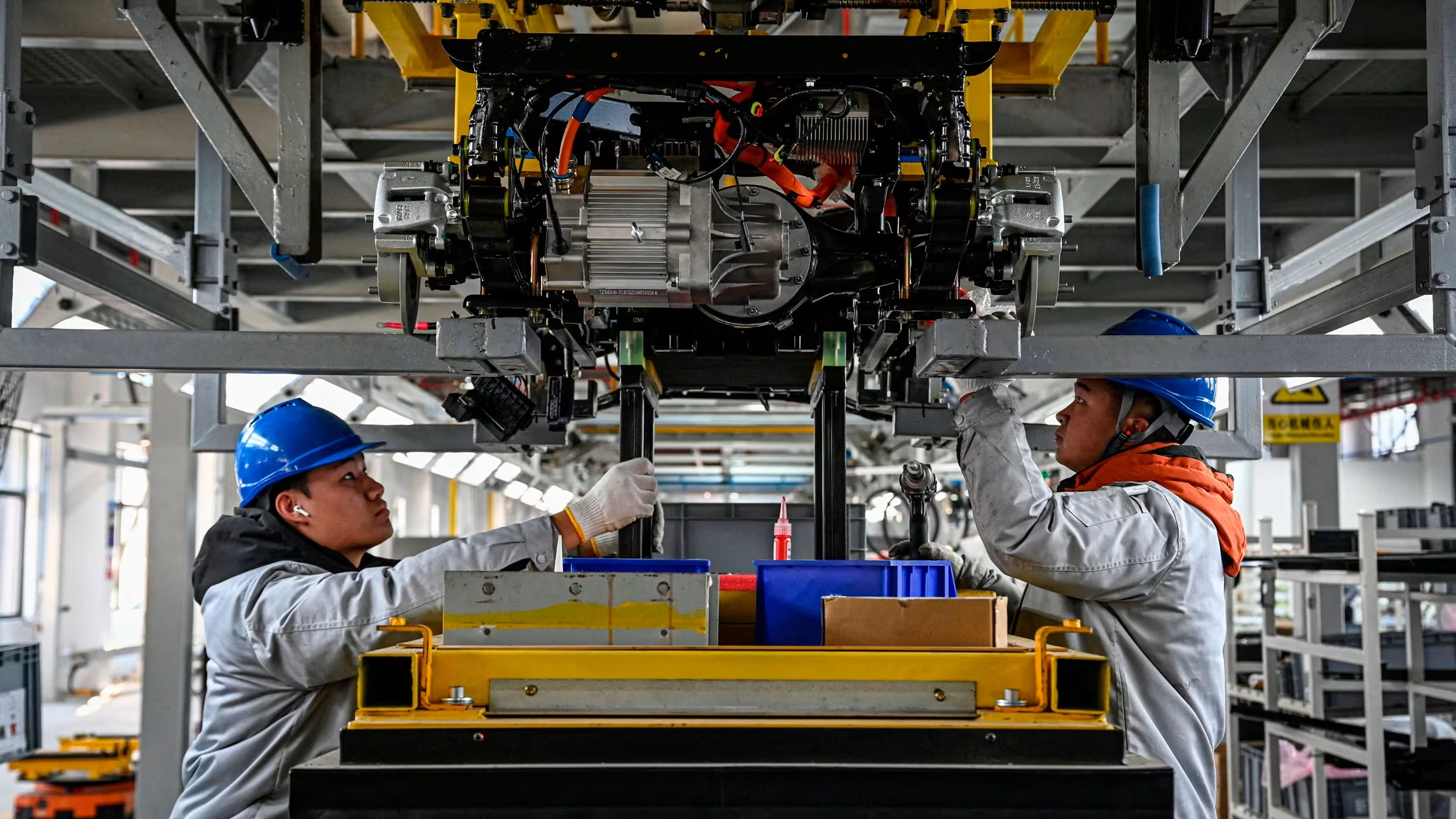
China's investment decline has worsened amid President Xi Jinping's criticism of 'reckless' spending, signaling potential economic challenges and shifts in government policy.

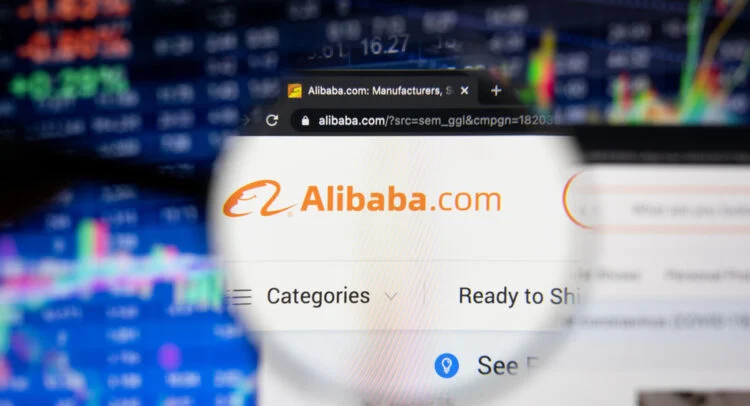
Alibaba's Singles' Day sales have slowed down, indicating a slowdown in consumer spending during this major shopping event.

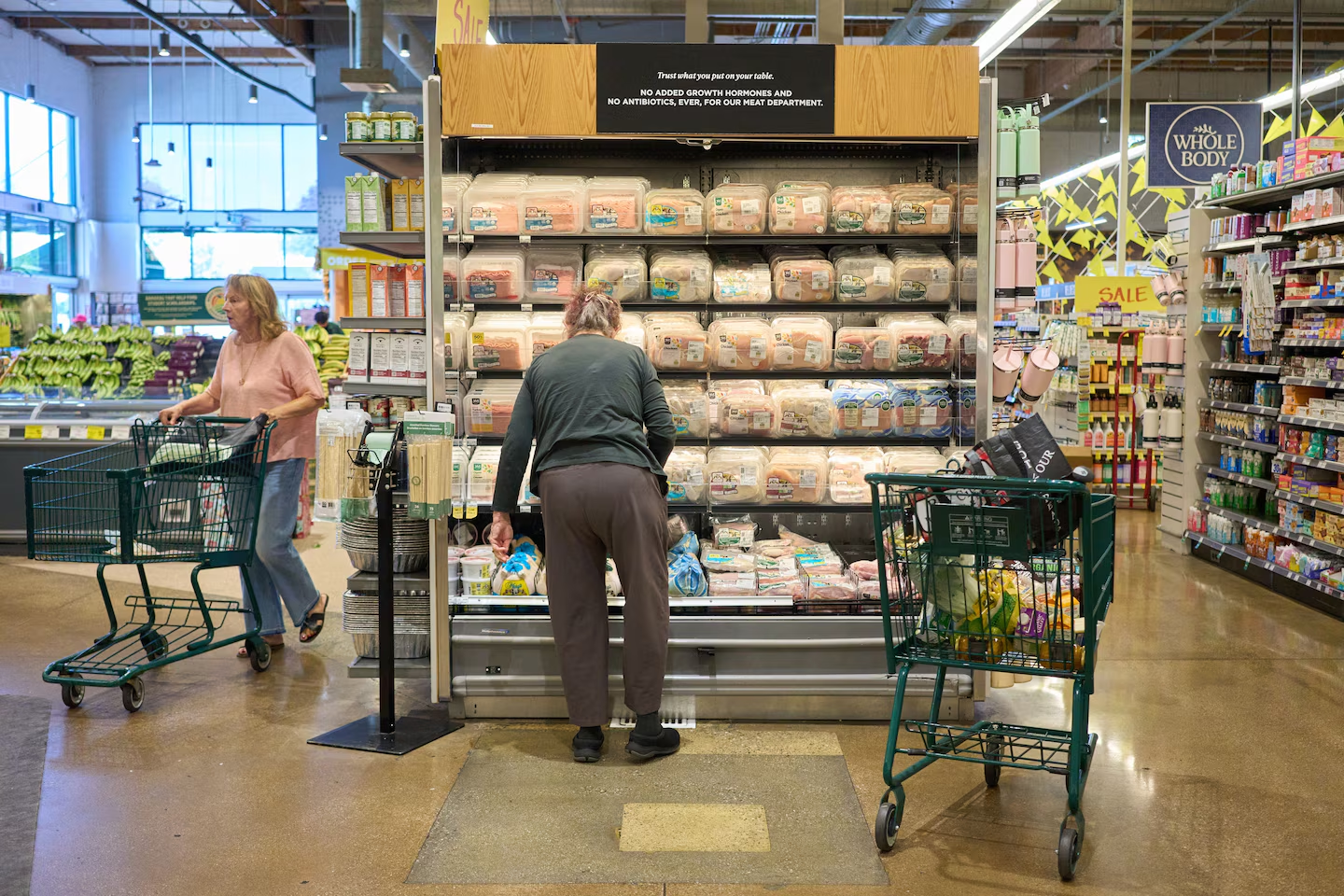
A survey indicates that a majority of Americans, especially Democrats and independents, blame President Trump for increased spending on essentials like groceries and gas, while most Republicans do not share this view.

Japan's Prime Minister Sanae Takaichi plans to accelerate the country's defense spending to 2% of GDP by the end of this fiscal year, using a supplementary budget, and will revise key security documents to support increased military capabilities ahead of U.S. President Trump's visit.
Republican leaders are planning a long-term continuing resolution to fund the government, potentially extending into 2026, as the shutdown continues, with debates over the length of the CR and strategies to manage upcoming deadlines and healthcare issues.

Despite widespread warnings from industry leaders about AI being a bubble, investors continue to pour money into AI companies, with lofty valuations, unprecedented spending, and opaque financial practices suggesting a bubble-like scenario, though some argue it may not be a repeat of the dot-com era.

Despite the ongoing federal government shutdown, Americans' confidence in the economy remains low due to concerns about high living costs and a weakening job market, but their spending habits have not significantly changed, supported by a relatively solid labor market and alternative economic data.

During China's Golden Week, a major travel period, there are concerns about whether tourists are spending enough, despite increased travel activity. The article discusses the situation and the potential economic impact of tourism during this holiday period.

The US faces a potential government shutdown due to deadlock between Democrats and Republicans over funding and health care spending, with a key measure at risk of not passing before the deadline, which could lead to federal operations halting and civil servants being furloughed.

Despite consumer sentiment reaching near-record lows due to inflation fears and labor market concerns, Americans continue to spend, especially those with higher incomes, supported by a resilient stock market and steady employment conditions.
Democrats proposed a bill to fund the government through October 31, adding over $1 trillion for Medicaid and health programs, extending Obamacare subsidies, reversing recent Medicaid cuts, and limiting executive funding powers, in a standoff with Republicans that risks a government shutdown.

Moody's economist Mark Zandi suggests the US can avoid a recession if the wealthy continue their current spending levels, as their consumption largely drives the economy, while lower-income groups' spending has only kept pace with inflation. A potential slowdown in spending by the wealthy could pose risks to economic stability.