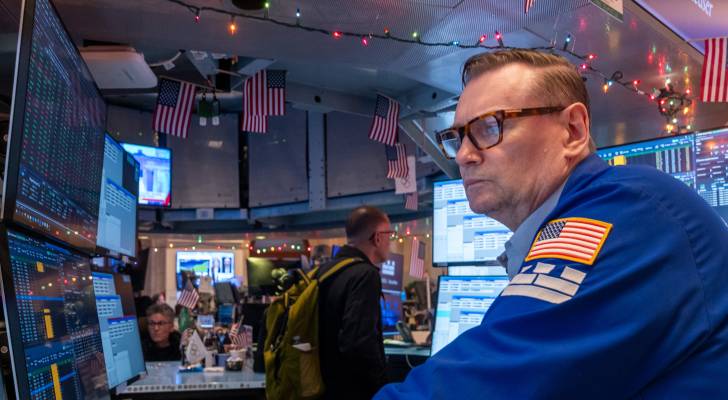
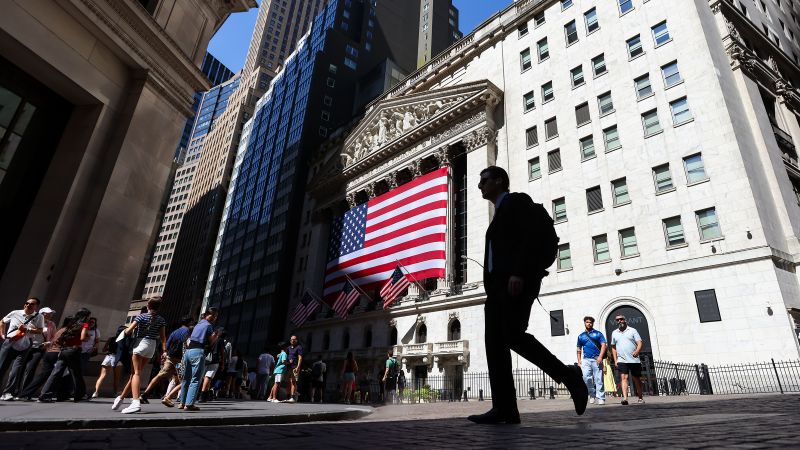
Americans now hold more wealth in stocks than ever before, surpassing levels seen in the 1990s, which raises concerns among economists about potential market risks and a possible downturn ahead, prompting some investors to consider shifting their investments for 2026.
Americans now hold a record high of 45% of their financial assets in stocks, raising concerns among economists about increased vulnerability to a market downturn, especially given the concentration of gains in a few tech giants and the growing economic disparity between the wealthy and lower-income Americans.
UnitedHealth Group's stock has fallen over 56% in 2025 due to various challenges, but it remains a popular investment with a diverse ownership structure, led by Vanguard. Despite recent setbacks, analysts see potential for a rebound, and the stock has a moderate buy rating with a significant upside potential of nearly 29%.
BigBear.ai (BBAI), a defense-focused AI solutions company, has seen a 74% rise in 2025 and is currently trading 4% higher pre-market, driven by new contracts and its VANE battlefield platform. Despite modest revenue growth and a $7 million EBITDA loss in Q1 2025, its $385 million backlog suggests potential for future growth. Ownership is primarily held by public investors (64.9%), with major stakes held by BBAI Ultimate Holdings and Vanguard. Wall Street is divided on its prospects, with a moderate buy rating and a price target indicating a potential 24% downside.
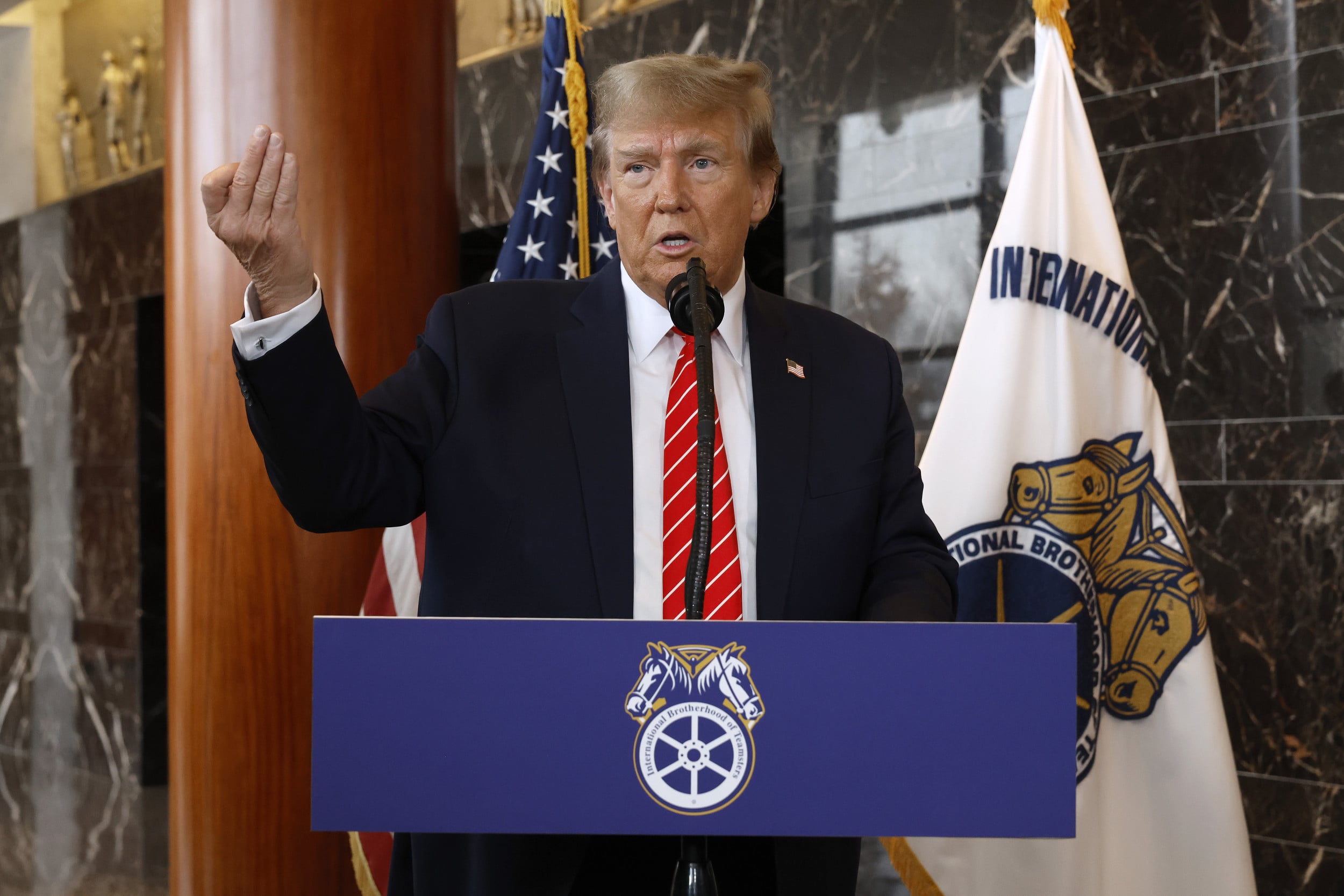
Former President Donald Trump's ownership of up to $5 million in stocks in Bud Light's parent company, Anheuser-Busch InBev, has raised questions after he defended the brand following backlash over its collaboration with a transgender influencer. Commentators have speculated that Trump's defense may be motivated by his financial ties to the company, including links to one of its lobbyists hosting a campaign fundraiser for him. Trump's financial links to the company have been reported by multiple publications, and he is not the only conservative figure to recently defend the brand, which is a prominent Republican Party donor.
Donald Trump, who owns between $1 million and $5 million in Anheuser-Busch stock, urged his supporters to give Bud Light a "second chance" following a conservative boycott over a brief partnership with a transgender influencer. Trump's endorsement raised questions about the ethics of promoting a company in which he holds a significant financial stake. Despite the backlash, Trump highlighted Anheuser-Busch's contributions to American farmers and veterans, and teased a list of "woke" companies he was compiling. Bud Light's attempts to rebrand itself post-controversy and boost sales, including a new sponsorship with comedian Shane Gillis, come as its sales remain down 30 percent.
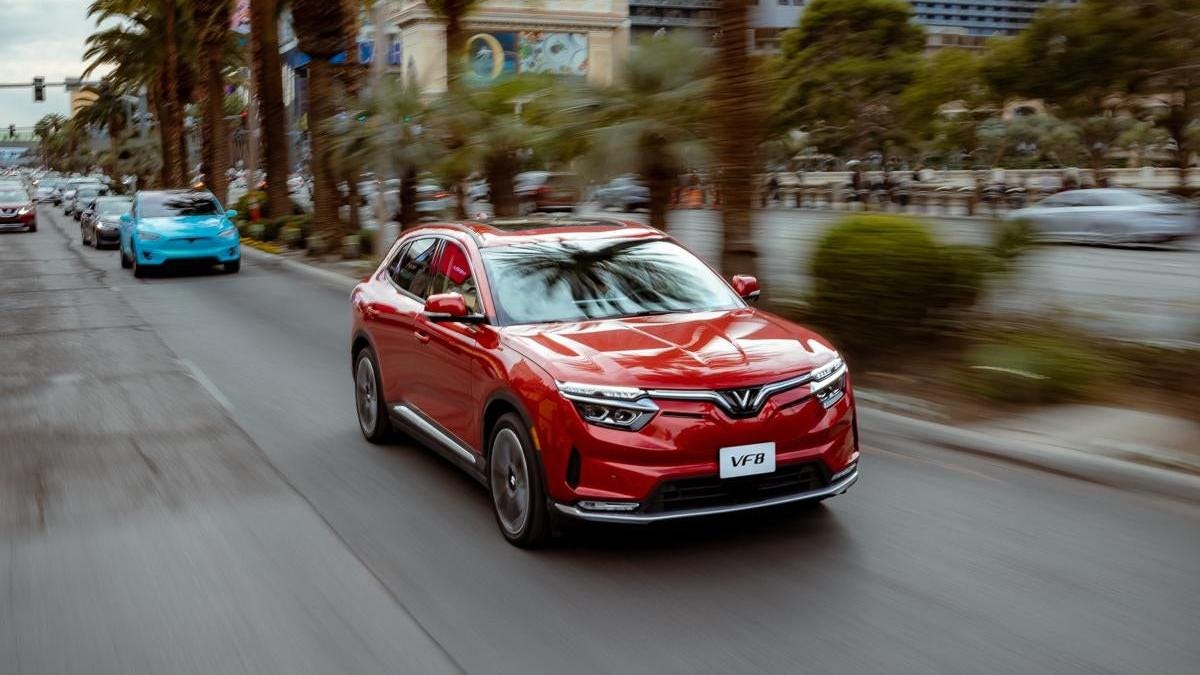
Vietnamese automaker VinFast has reportedly sold the majority of its 11,300 electric vehicles this year to Green and Smart Mobility, a taxi company controlled by Vingroup, the owner of VinFast. A filing with the Securities and Exchange Commission revealed that over 7,000 EVs were purchased by Green and Smart Mobility, totaling $6.3 million in the first quarter of 2023. Furthermore, it was discovered that Vingroup's former chairman, Pham Nhat Vuong, effectively controls 99.7% of all VinFast stock. This unusual situation, combined with the fact that most of VinFast's cars have been sold to itself, puts the Vietnamese automaker in a unique position.
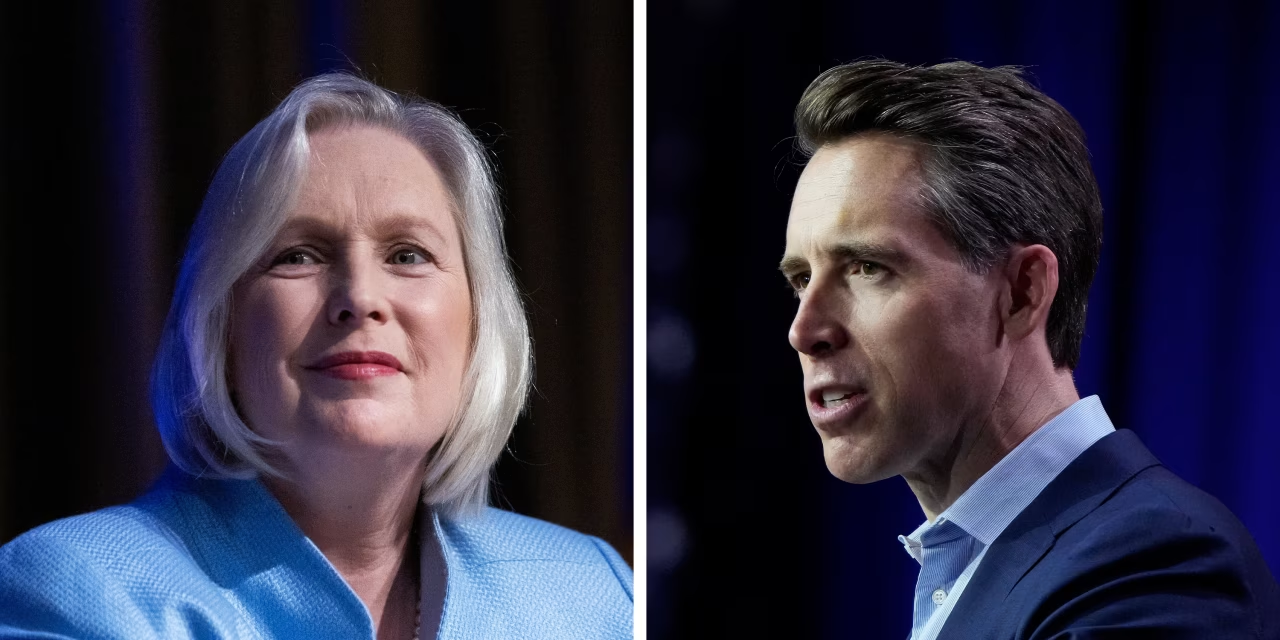
Senators Kirsten Gillibrand and Josh Hawley are set to introduce bipartisan legislation that would prohibit members of the federal executive branch and lawmakers from owning stock in individual companies. The bill includes strict penalties for government officials who violate the rules on stock ownership. A new poll shows strong public support for such a measure.
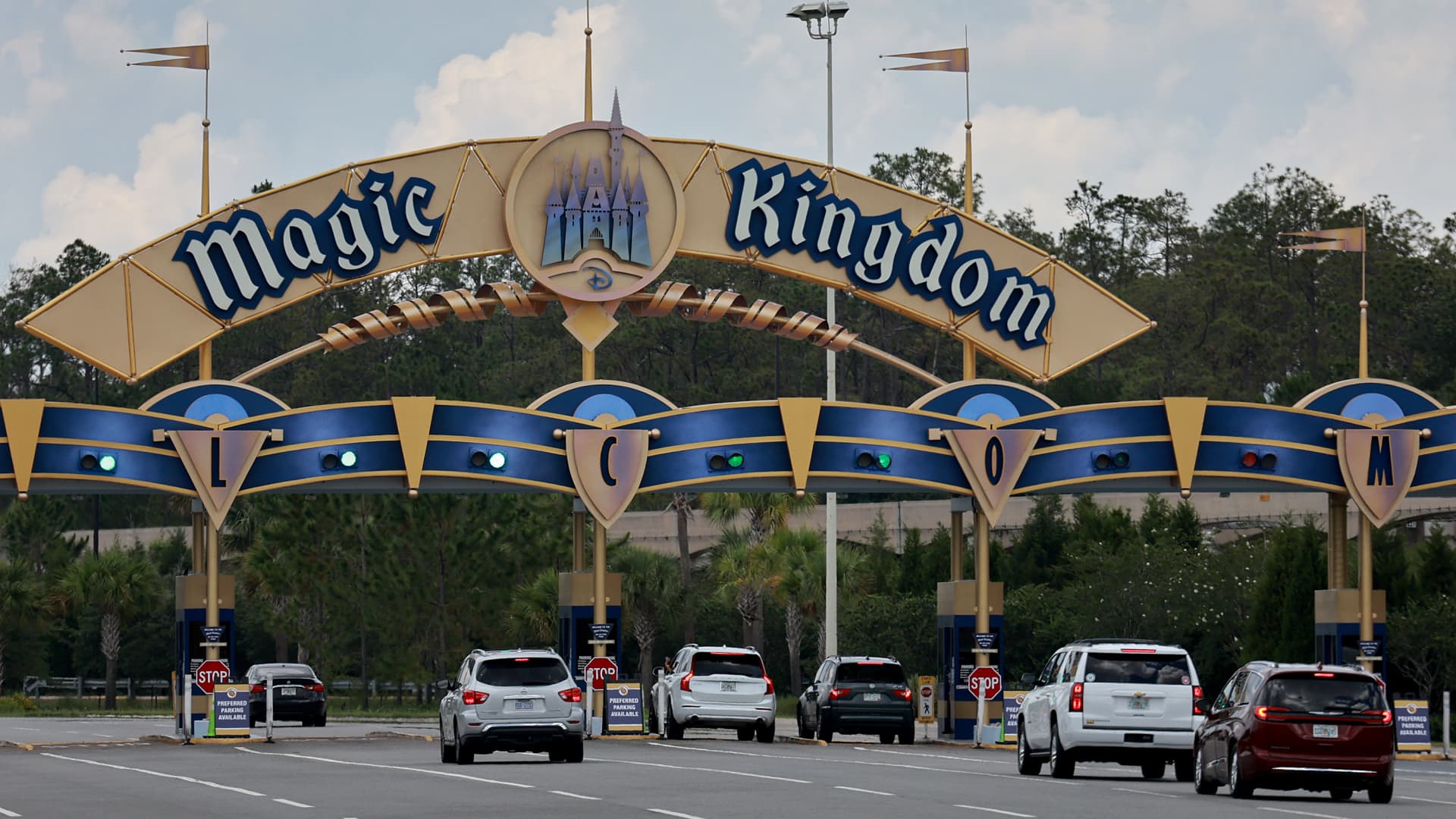
A federal judge overseeing Disney's civil free speech lawsuit against Florida Gov. Ron DeSantis recused himself from the case after learning that one of his relatives owns stock in The Walt Disney Company. The case will be taken over by Judge Allen Winsor. The judge denied DeSantis' motion for him to be disqualified, but concluded that he must disqualify himself "for reasons unrelated to Defendants' meritless motion." Disney alleges that DeSantis led a political retaliation campaign against the company after it publicly denounced the controversial classroom bill that critics have dubbed "Don't Say Gay."