The US national debt has surpassed $38 trillion, with a significant increase in corporate bond issuance, especially from tech hyperscalers, raising concerns about upward pressure on interest rates and potential market fragility. The growing competition for bond investors and shifting investor composition, from foreign governments to profit-driven entities, could threaten the stability of US financing and increase borrowing costs amid rising deficits and political debates over spending and tariffs.
Americans now hold more wealth in stocks than ever before, surpassing levels seen in the 1990s, which raises concerns among economists about potential market risks and a possible downturn ahead, prompting some investors to consider shifting their investments for 2026.
The OECD warns that the AI-driven stock market bubble poses a significant downside risk to the US economy, which is expected to slow growth and face inflation increases in the coming years, with potential for market corrections if AI optimism wanes.
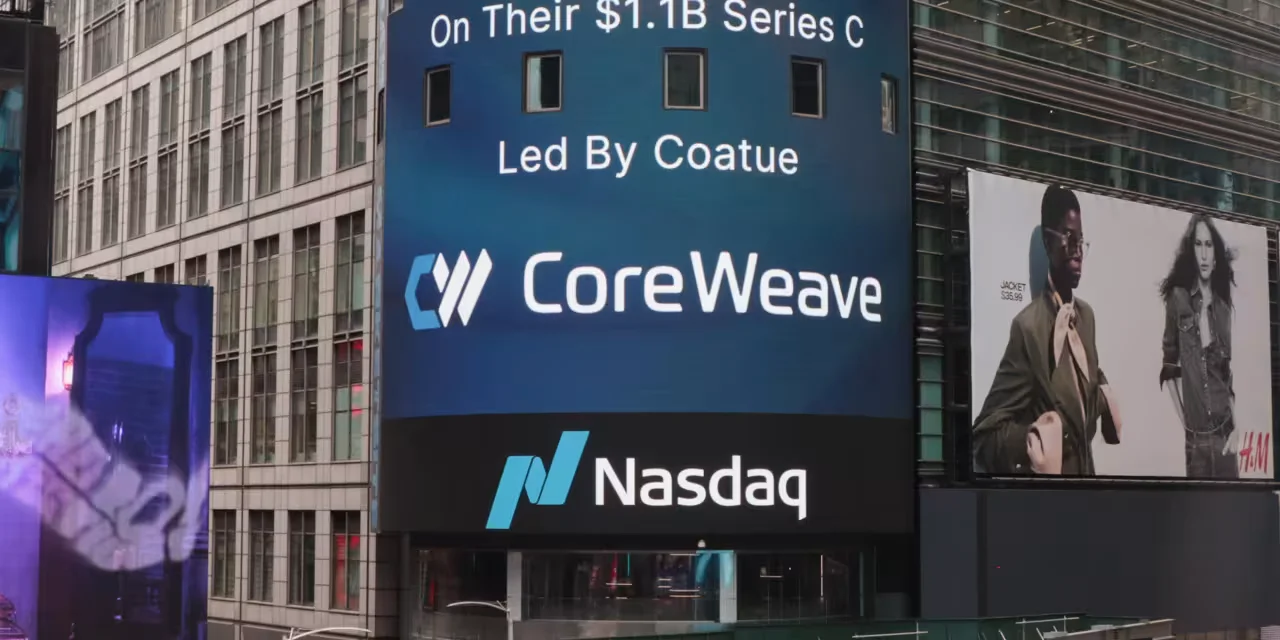
CoreWeave's financial struggles, including rising debt and delayed contracts, highlight the risks associated with the surge in AI infrastructure investment, raising concerns about potential bubbles and the sustainability of high leverage in the sector.
As crypto treasury companies diversify into fringe tokens amid market saturation and declining major cryptocurrencies like bitcoin, concerns grow over increased volatility and risks for investors, especially as many rely on private placements and are vulnerable to market downturns.
The article discusses the massive and complex AI investment spree by major tech companies like OpenAI, Amazon, Microsoft, and Google, highlighting the potential risks of opaque financial arrangements and the possibility of a bubble, despite positive revenue signs from AI firms. It also covers recent deals, company performances, and political influences in the market.
Major tech companies like Microsoft, Google, Amazon, and Meta are set to report strong earnings driven by AI investments, but concerns about an AI bubble persist due to uncertain returns, high spending, and risky circular deals, raising questions about the sustainability of the current AI-driven market rally.
US Treasuries saw gains in October with yields dropping below 4%, but upcoming September CPI data, expected to show a 0.4% increase, could disrupt this rally if it surprises on the upside, potentially leading to a reassessment of interest rate cuts and market stability.
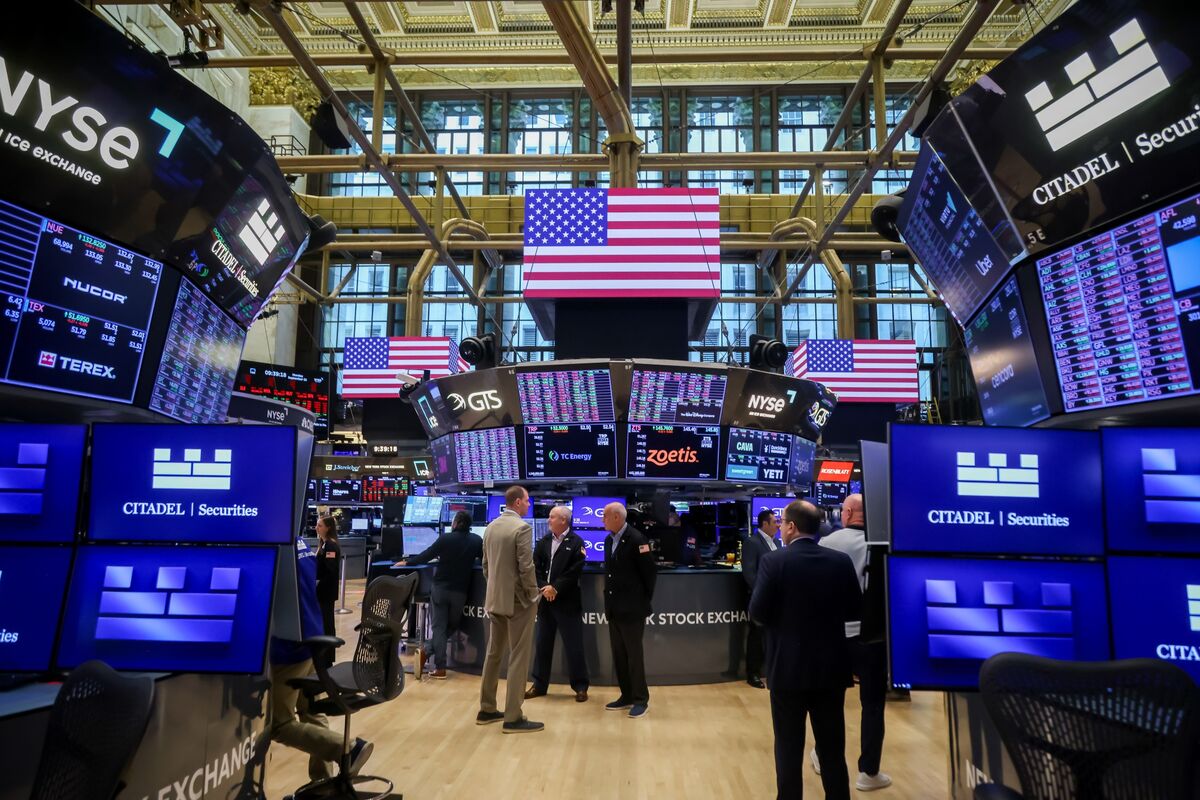
Despite ongoing political and economic uncertainties, including a government shutdown and trade tensions, U.S. stock markets have shown resilience, emphasizing the importance for long-term investors to stay the course, manage risks with clear rules, and focus on quality companies amid market fluctuations.
The article discusses whether the current AI boom is a bubble, with concerns that excessive investment may not be justified by returns, potentially leading to a market crash and recession, similar to past bubbles like the internet and housing crises. Experts emphasize the importance of transparency and cautious investment to mitigate risks.
The article discusses concerns that the current AI investment boom in the US may be a bubble driven by circular deals and inflated valuations, with little evidence of real technological or economic progress, risking a market crash if confidence wanes.
The US stock market's third anniversary of its bull run shows significant gains, driven mainly by tech giants, but concerns about overvaluation, concentration, and upcoming economic and political risks suggest the need for broader participation and caution for continued growth.
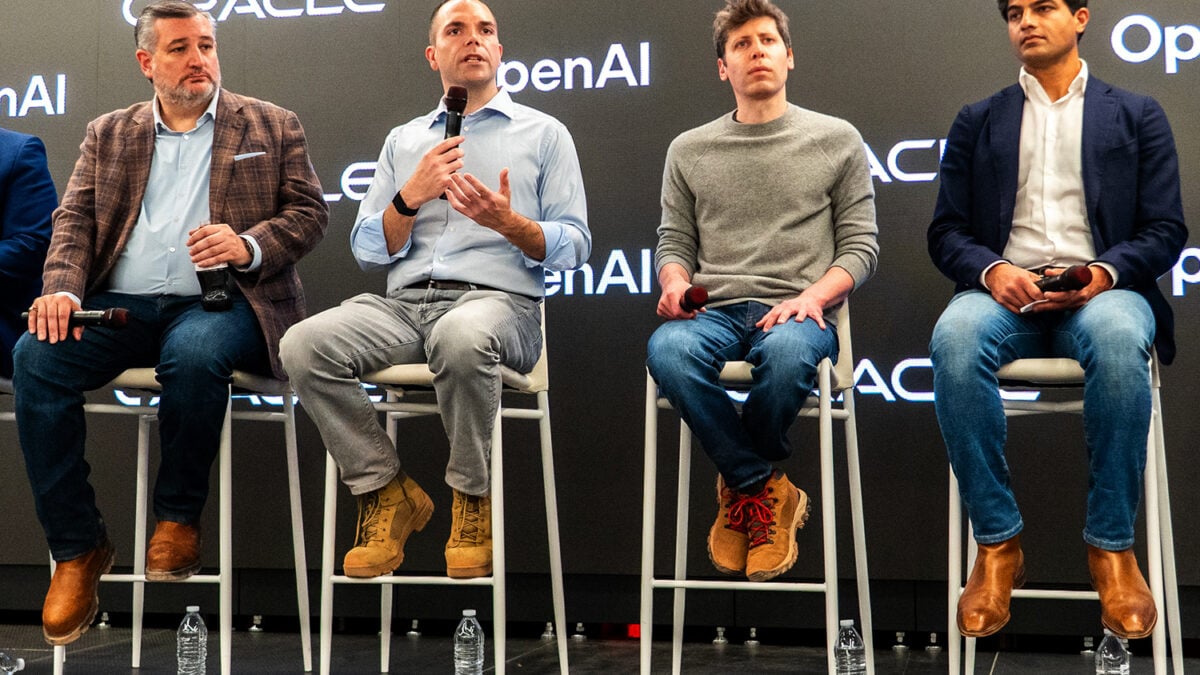
The article discusses the unprecedented AI spending spree led by OpenAI, which plans to invest around $1 trillion in data centers and cloud services, raising concerns about a potential bubble similar to the dot-com era. Despite massive investments and losses, OpenAI's reliance on future returns, major backers like Nvidia, and the enormous financial and power requirements pose significant risks to the sustainability of this market rally, with potential cascading effects if funding falls through.
A top analyst warns that the current AI-driven market rally, heavily centered on Nvidia and a few big tech stocks, may be a bubble fueled by circular financing and excessive capital expenditure, risking a crash similar to past tech bubbles like Enron and Cisco. Concerns include overinvestment in AI infrastructure, systemic risks from interconnected deals, and signs of a potential slowdown as data center investments mature. While some experts see opportunities, many acknowledge the market's fragility and the possibility of a downturn.