AI startups are leasing luxury apartments and offering rent stipends in San Francisco to attract talent amid a booming AI industry, which is driving up housing costs and office space demand in the city.
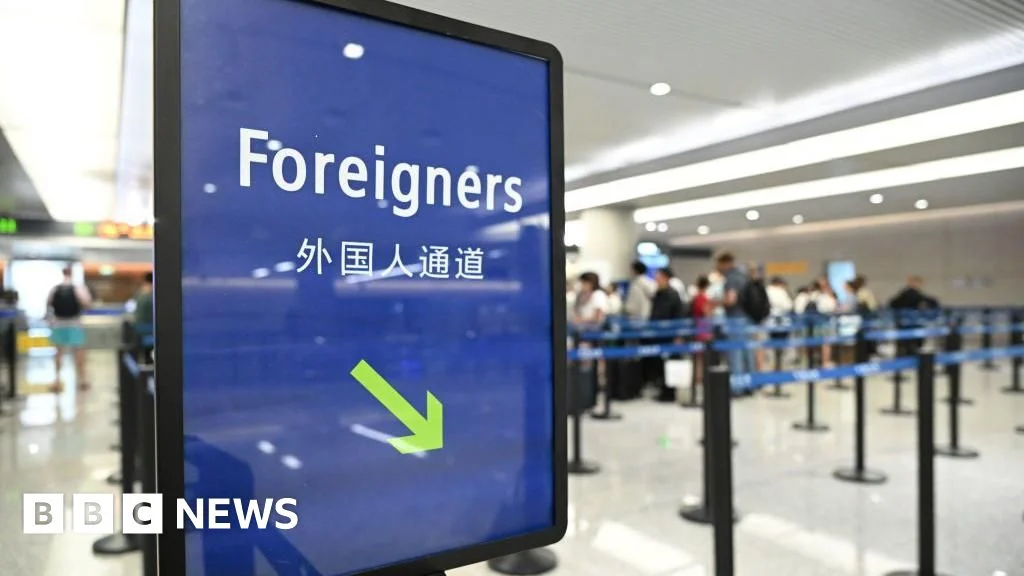
China has introduced a new K visa aimed at attracting foreign professionals in STEM fields, sparking public concern and xenophobic reactions domestically, while the government promotes it as a step towards a more open China. The visa's full scope and whether it allows work remain unclear, amidst broader efforts by China to attract international talent amid US restrictions. Public debate highlights tensions over domestic talent surplus and national identity.
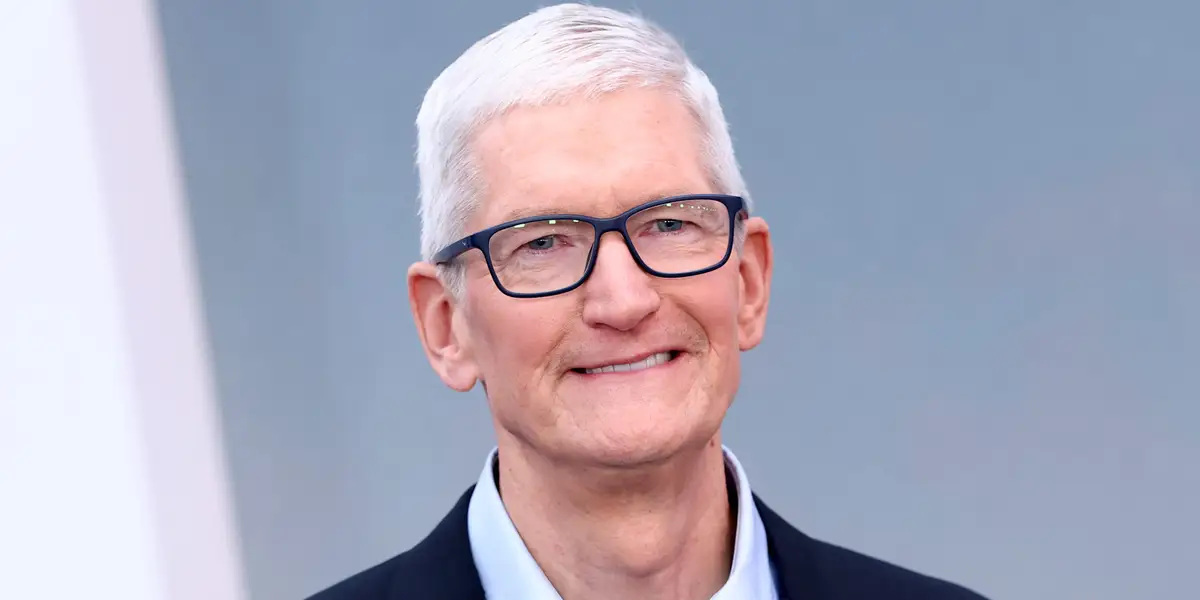
Federal filings reveal that Apple pays its machine learning staff up to $312,200 and key roles like human interface designers up to $468,500, amid ongoing competition in AI talent acquisition, despite lagging behind competitors like Meta in AI research.
Microsoft's internal pay guidelines reveal salary, bonus, and stock award ranges for various levels of technical staff, with higher levels offering significantly larger compensation packages, and a provision allowing recruiters to seek higher offers in competitive cases, highlighting the company's approach to attracting top AI talent amid fierce industry competition.
In 2025, AI startups and tech giants like OpenAI and Anthropic are offering extremely high salaries to attract top talent, with some research engineers earning up to $690,000 annually, reflecting a fierce competition in the AI industry for skilled professionals.
After a year of mass layoffs in Silicon Valley, tech workers are increasingly seeking stability over high-growth equity, leading to a shift in the job market. Non-tech enterprises are successfully attracting tech talent with promises of stable employment and cash prioritization, while big tech companies struggle with layoffs and disillusionment among employees. This trend is reshaping what it means to thrive in the tech industry, with tech workers seeking better work-life balance and stability in non-tech industries, despite the potential trade-offs in innovation and remote work flexibility.
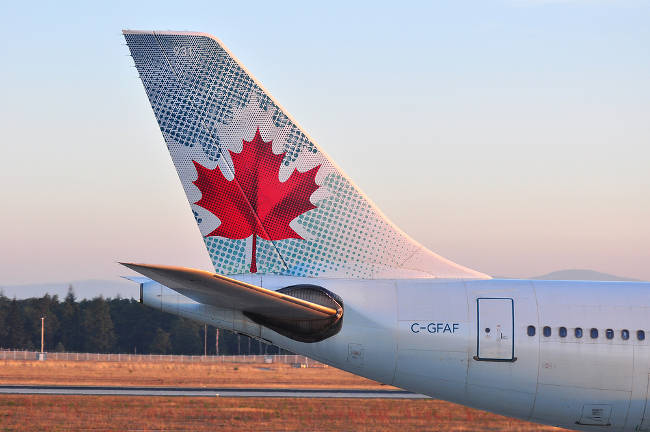
Canada has launched a new tech talent strategy to attract H-1B visa holders from the USA by offering them the opportunity to move to Canada without a job waiting for them. The H-1B visa, which is controversial in the US, is popular in India. Canada aims to capitalize on this by creating 10,000 places for H-1B holders and offering work permits lasting three years. The strategy also includes STEM-specific categories, promotions for digital nomads, and visas to facilitate movement to Canada for work at startups. Canada hopes to address the shortage of skilled tech workers and attract talent from around the world, including those who have fled Russia.
Canada is introducing a new work permit for U.S. H-1B visa holders, allowing them and their immediate family members to apply to work in Canada for up to three years. This move is part of Canada's efforts to attract global tech talent and expand opportunities for skilled workers in the high-tech sector. Additionally, Canada will create an Innovation Stream under the International Mobility Program to attract highly talented individuals, promote itself as a destination for digital nomads, launch category-based selection draws for Express Entry candidates with a focus on STEM professions, and improve existing programs for workers in high-skill tech occupations.