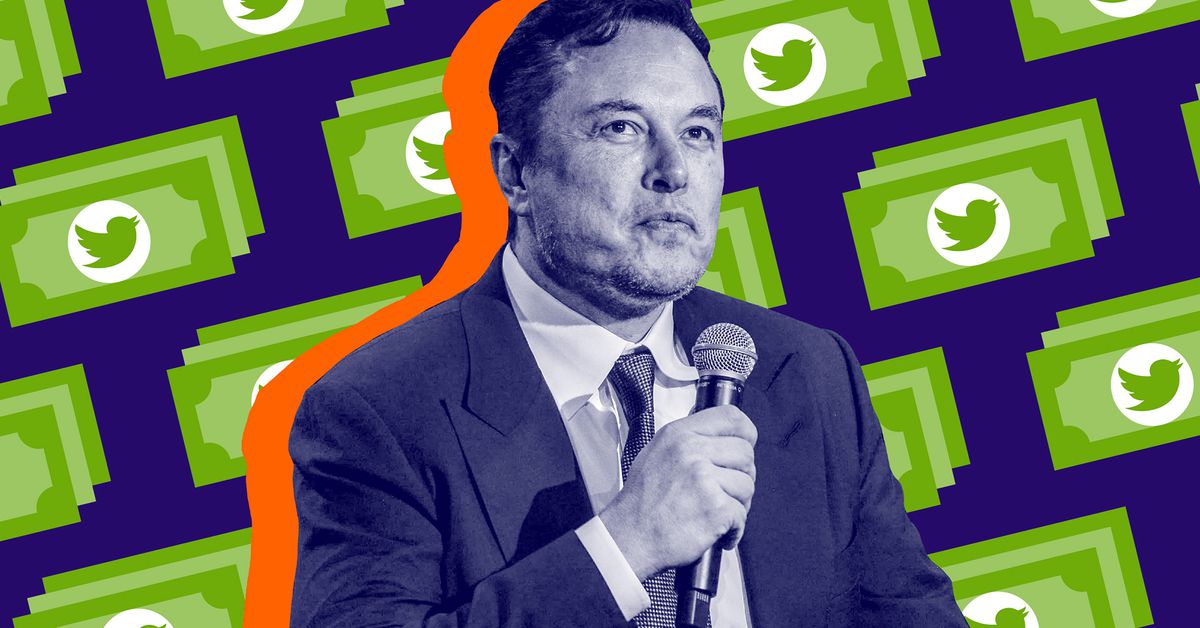
Elon Musk has expanded his lawsuit against OpenAI by adding Microsoft and Reid Hoffman as defendants, accusing them of creating an AI monopoly through anticompetitive practices, including offering 'lavish compensation' to employees. Musk claims OpenAI's high salaries, with median compensation for software engineers at $810,000, are part of a strategy to dominate the AI talent market. OpenAI, which Musk co-founded but later left, has been criticized by him for prioritizing commercial interests over its original nonprofit mission.
Tesla's compensation strategy involves offering lower base salaries compared to its tech and automotive peers, but compensates with substantial stock grants, attracting employees willing to bet on the company's future success. This high-risk, high-reward system is part of Elon Musk's approach to hire dedicated workers who are committed to Tesla's mission. The company's stock grants, which have made some employees millionaires, are a significant draw despite the lower base pay. However, Tesla's stock volatility raises concerns about the sustainability of this compensation model.
Boeing's new CEO, Kelly Ortberg, announced that the company will refund lost pay to employees furloughed during the Machinists' strike as a goodwill gesture. The furloughs, which affected nonunion employees, were part of cash conservation efforts and lasted only a month. Despite the refund, Boeing is proceeding with a 10% workforce reduction. The decision to return lost pay aims to address perceived unfairness and rebuild trust among employees.
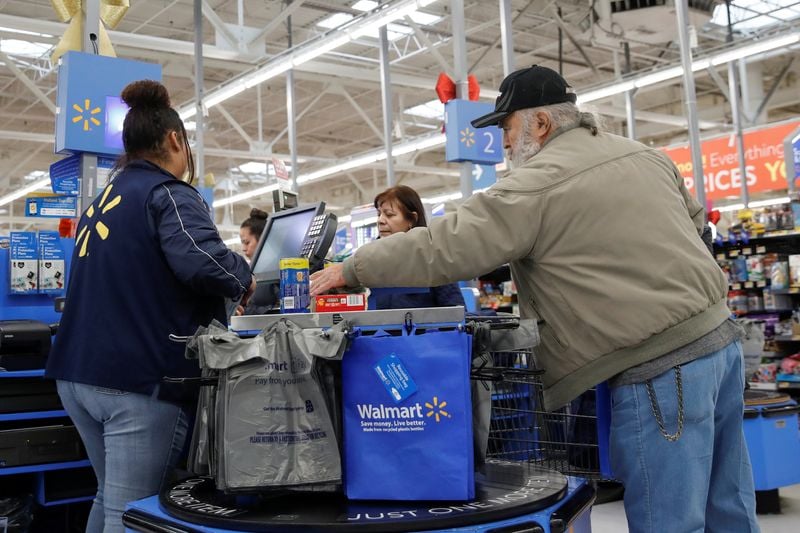
Walmart announced a bonus program for 700,000 U.S. hourly store workers, including those in pharmacy and Vision Center stores, offering up to $1,000 annually based on performance. This move aims to boost wages and reduce turnover amid a tight labor market. The announcement came before Walmart's annual general meeting, where shareholders voted on proposals including one for a compensation policy ensuring a living wage. Walmart also introduced a certification program to help workers transition to higher-paying technician roles.
Walmart will offer bonuses of up to $1,000 annually to approximately 700,000 hourly U.S. store workers, including those in pharmacy and Vision Center stores, based on performance targets. This initiative, aimed at boosting wages and reducing turnover, follows feedback from employees and comes ahead of Walmart's annual general meeting. The company also launched a certification program to help workers transition to higher-paying technician roles.
As the valuations of tech start-ups cool, new hires are being offered fewer shares as part of their compensation packages. This trend reflects the changing dynamics in the tech industry, where companies are adjusting their approach to employee stock options amid market shifts. The adjustment in share offerings could impact the attractiveness of joining tech start-ups for potential employees.
Walmart is making significant changes to its business, including investments in technology and inventory, a 3-for-1 stock split, and increasing employee compensation. The company is also revamping its in-store shopping experience, introducing in-store samples, and boosting the average pay of its store managers. These moves come as Walmart aims to overhaul its business for the future and address criticism over worker compensation, while also navigating economic challenges and shifting consumer habits.
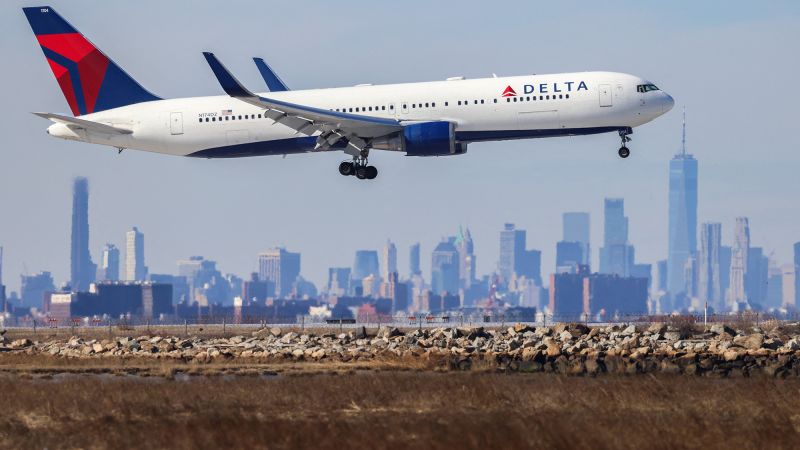
Delta Air Lines is paying out $1.4 billion in profit sharing to over 100,000 employees, marking a significant increase from the previous year. The payments, equivalent to about 10% of annual salary, come as a result of the airline's improved financial performance. The company's nonunion status and lucrative profit sharing plan set it apart in the industry, with unions and management differing in their preferences for compensation structures. Despite the challenges faced during the pandemic, Delta's profit sharing reflects a positive outcome for its employees.
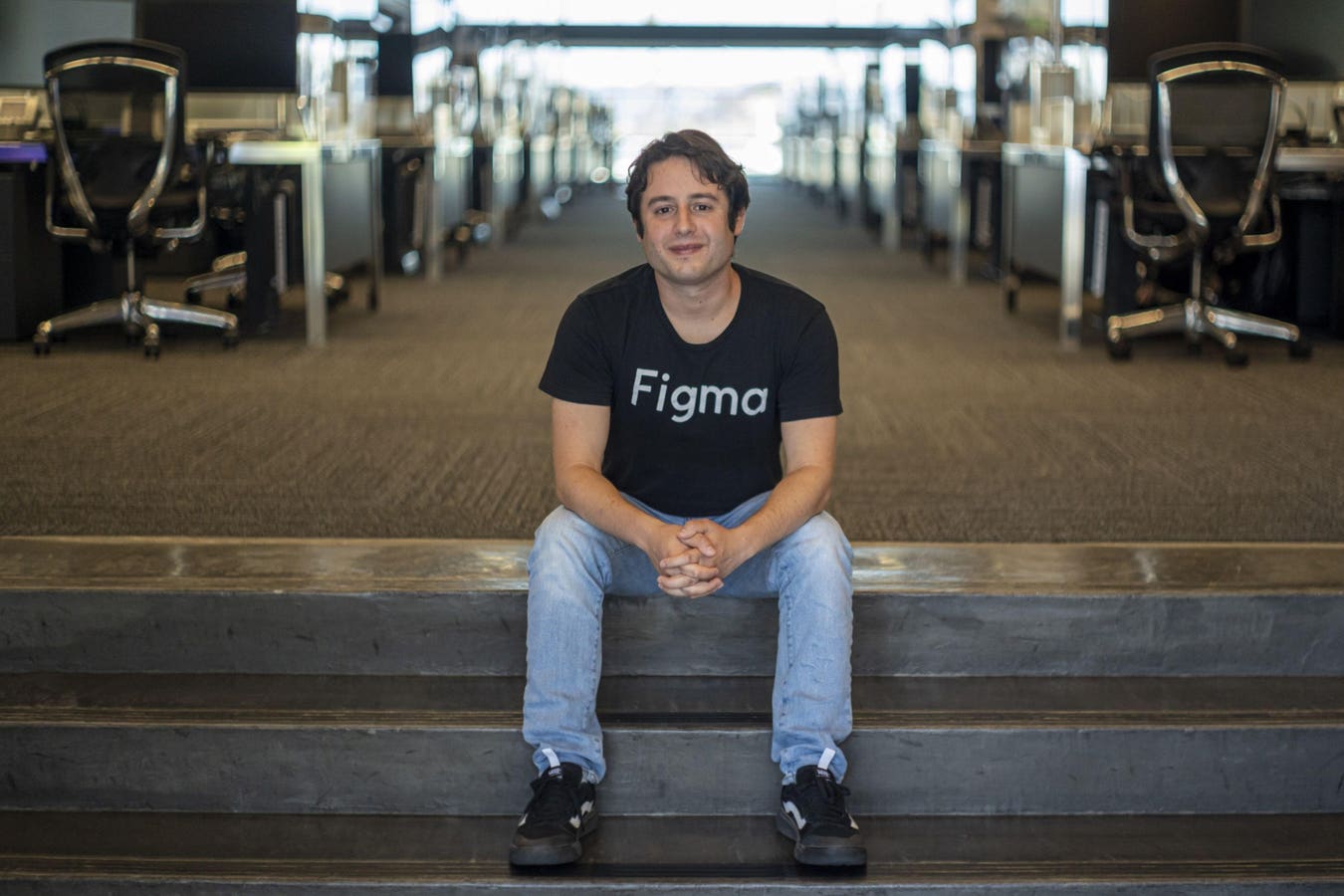
Figma, a design software startup, is adjusting its employee compensation after its $20 billion acquisition by Adobe fell through. CEO Dylan Field announced a reset of the company's valuation to $10 billion and offered employees the option to leave with three months' pay. The company plans to refresh equity packages for employees and provide additional shares to those who joined during the period of the announced Adobe deal. Figma's move reflects a shift to a more austere startup environment and aims to realign staff pay packages with performance.
Tesla has reportedly decided not to provide stock-based compensation to employees during their annual performance reviews this year, according to a report from Bloomberg. This is a departure from CEO Elon Musk's previous claims that Tesla offers the best employee compensation in the auto industry, which includes stock options. While Tesla is still providing modest cost-of-living increases and adjustments to base salaries, it remains unclear if this change is a one-time move or a new policy going forward.
Tesla will reportedly not be granting merit-based equity awards to its employees in 2023, a departure from its usual practice. While employees will still receive cost-of-living increases and adjustments to their base pay, the absence of merit-based stock grants is a significant change. Tesla has traditionally used equity awards to incentivize talent and foster long-term commitment. The reasons behind this shift remain unclear, but CEO Elon Musk has previously expressed concerns about macroeconomic factors and high interest rates. Tesla has not commented on the matter.
Tesla is offering smaller raises to its employees compared to rival automakers, potentially leading to lower pay for workers at the company. This news has implications for Tesla stock investors.
Elon Musk believes that Twitter is now worth $19 billion, a 55% drop from the $44 billion he paid for it a year ago. X employees were recently awarded equity in the company at this valuation, which is a 55% discount to Musk's original purchase price. The equity, in the form of restricted stock units (RSUs), will be earned over a four-year period and require a liquidity event for taxation. Fidelity, one of Musk's investors, believes that X is worth 65% less than its purchase price.
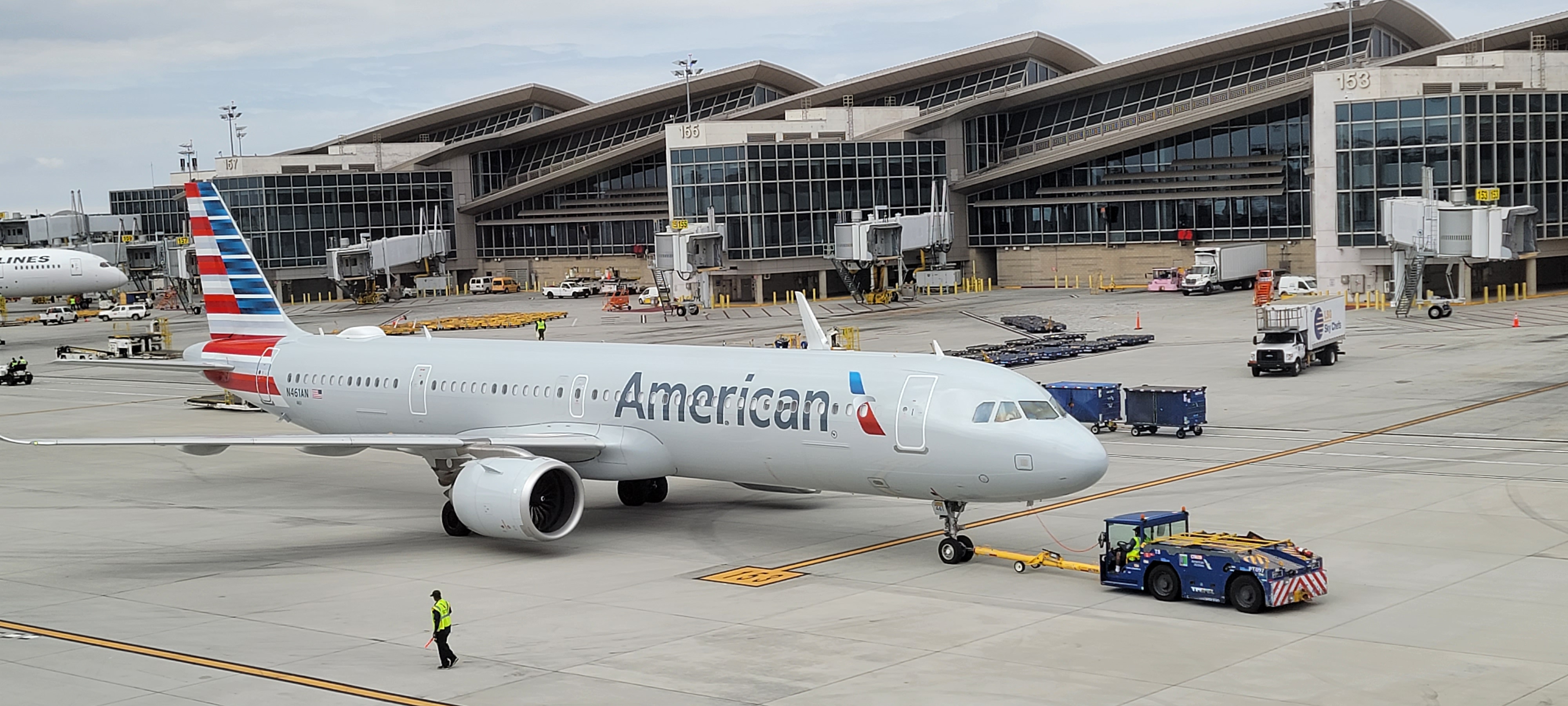
American Airlines CEO, Robert Isom, expressed his reluctance to offer free travel as a form of compensation for employees during an internal Q&A session. Isom believes that using travel as a reward costs the company more than its actual value, and he would prefer to compensate employees in dollars and cents. He suggests exploring alternative ways to reward and encourage employees, such as providing cash or awarding AAdvantage miles for trips. Isom's stance reflects the belief that nothing is truly free, and employees may be better off with monetary equivalents rather than in-kind items like free tickets.
Leaked salary data from an internal spreadsheet at Google reveals the compensation ranges for over 12,000 US employees in various roles, including software engineers, business analysts, and salespeople. The data shows base salaries, equity, and bonuses voluntarily reported by employees. Google employees are among the highest earners in the tech industry, with a median total compensation of $279,802 in 2022. The spreadsheet provides insights into the highest base salaries, equity, and bonuses for different roles, with equity in the form of restricted stock units significantly boosting total compensation. However, the data does not include salaries for employees in Alphabet's Other Bets, such as Waymo and Verily.