The article discusses how President Trump is increasingly intervening in private sector decisions, pressuring companies on issues like defense spending, oil investments in Venezuela, and housing policies, which has caused concern among CEOs and altered traditional Republican business policies. Despite pushback from some businesses and lawmakers, Trump continues to seek influence over corporate actions, blending deregulation with populist interventions as he seeks political gains ahead of midterm elections.
Many top CEOs start their day by checking their phones, using apps like weather, LinkedIn, wellness trackers, messaging platforms, news, and email to prepare for the day ahead, highlighting that even the most successful leaders rely on their devices first thing in the morning.
Investors expect quicker returns from AI investments than CEOs, leading to tension that could impact market winners and losers, with investor impatience possibly disappointing by 2026 despite increased AI spending by companies.
The article highlights the outstanding CEOs of 2025 in the biotech and pharma industries, emphasizing a record year for mergers and acquisitions, with nearly $240 billion in deals, and recognizing various leaders including dealmakers, underdogs, and mavericks.
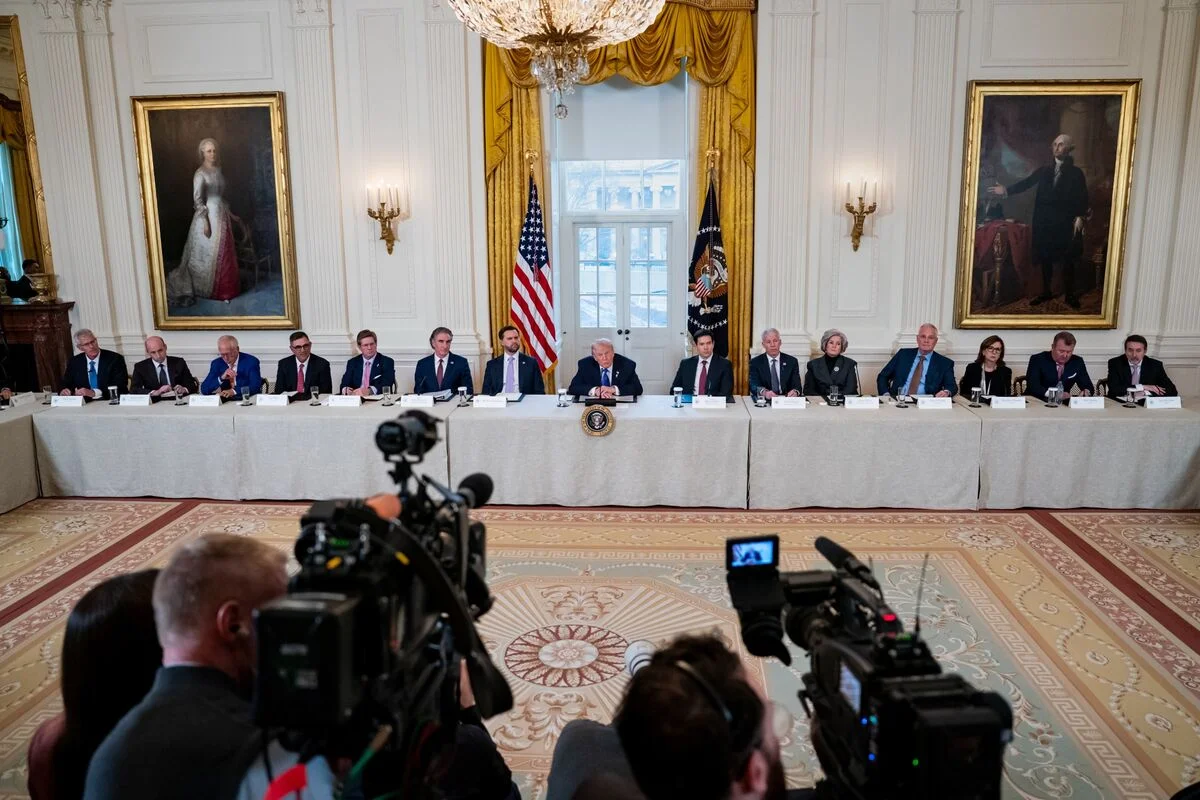
Wall Street CEOs attended a dinner at the White House with President Trump, highlighting the close ties between financial industry leaders and the administration.
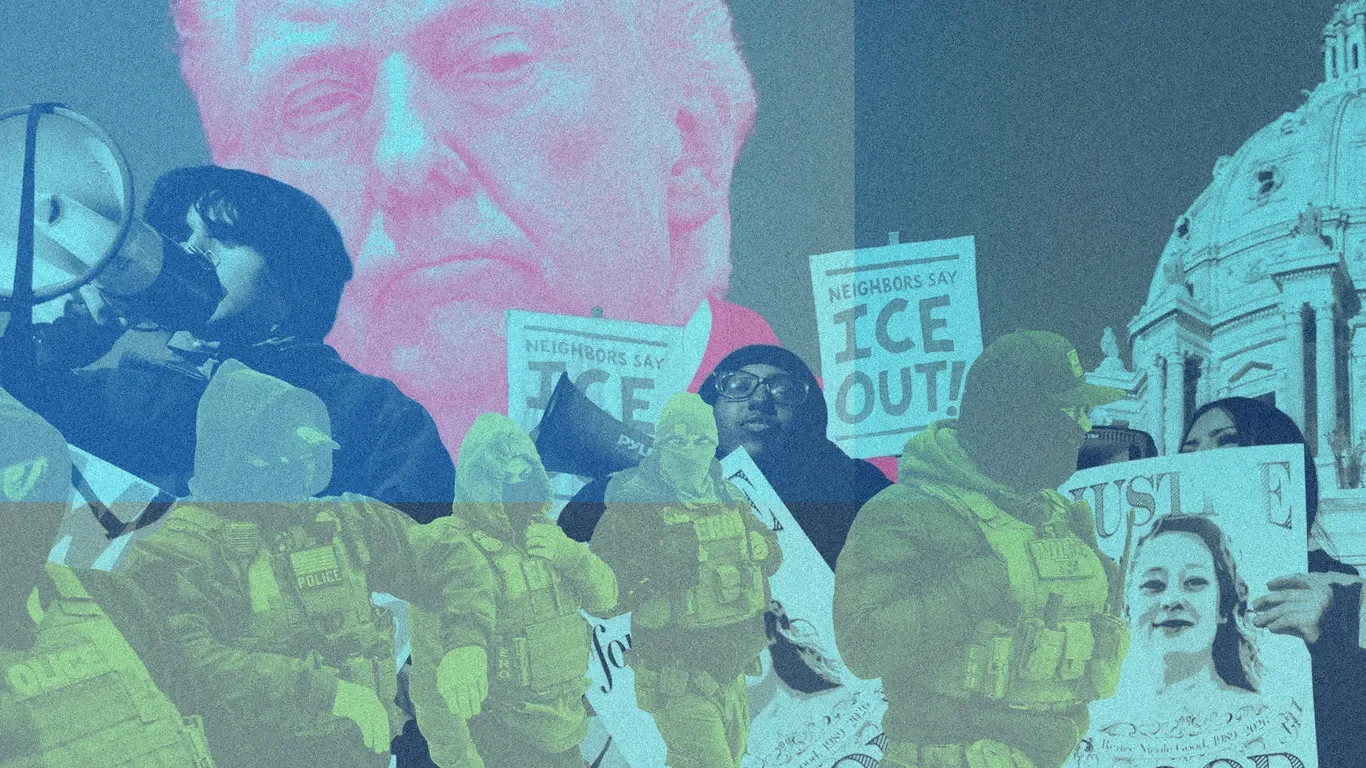
The US immigration crackdown is having a significant negative impact on businesses, including reduced customer visits, lower sales, decreased productivity, and increased fear among workers and customers, which is more damaging than tariffs according to some CEOs.
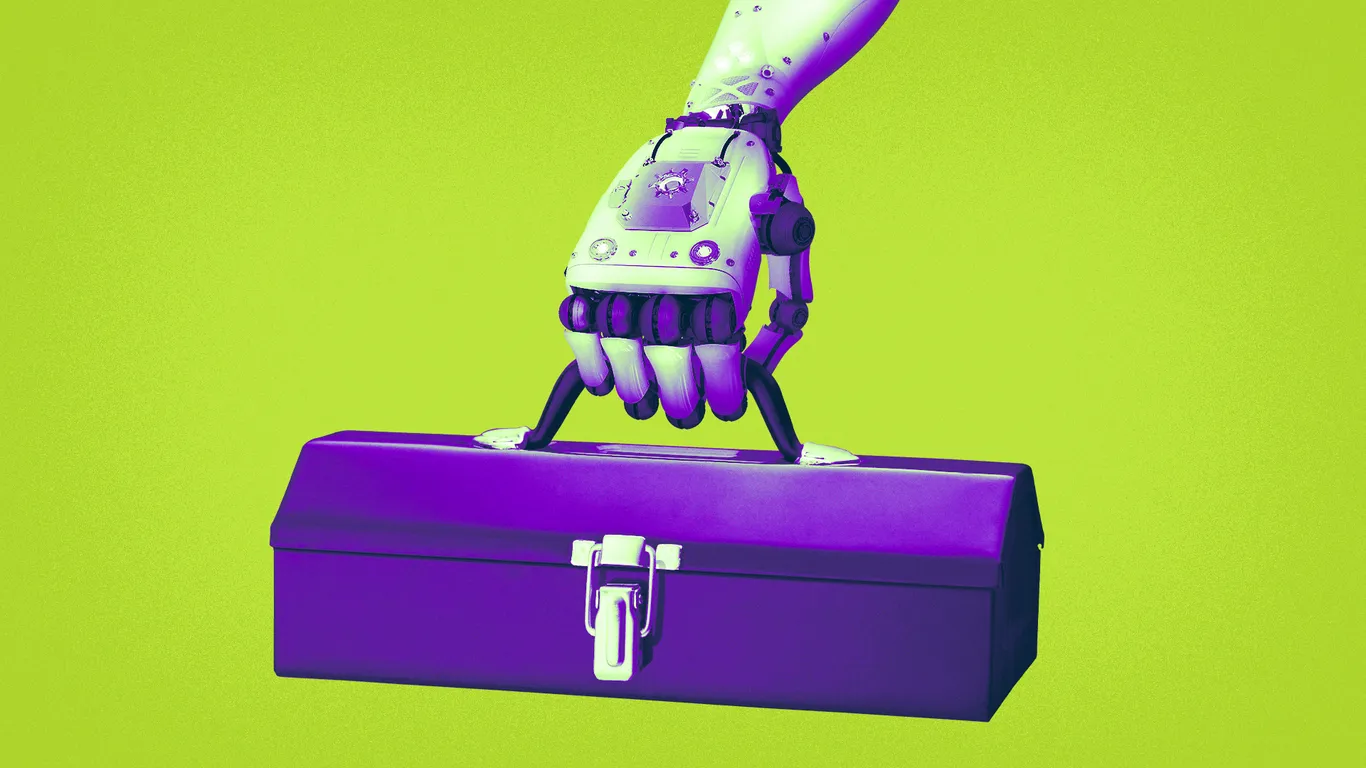
A growing number of CEOs and AI experts warn that AI could eliminate up to half of white-collar jobs in the U.S., leading to a potential jobs crisis, while the government appears unprepared to address this impending shift.
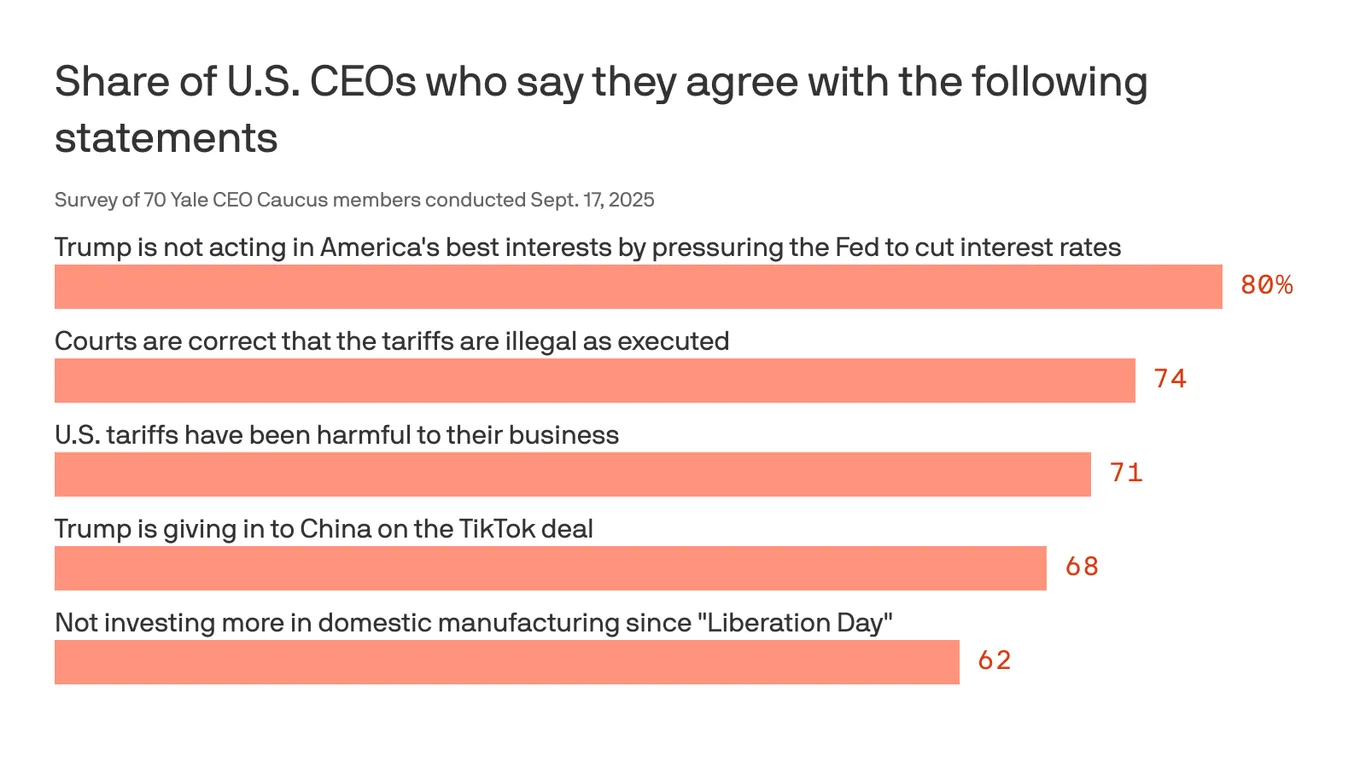
A Yale survey reveals that most CEOs privately believe Trump's policies, especially tariffs, have harmed their businesses and may be illegal, though they are hesitant to speak publicly due to fear of retribution, amid recent policy changes like increased H-1B visa fees.
A gathering of top CEOs revealed widespread concerns about President Trump's policies, particularly tariffs and international relations, which they believe are harming the U.S. economy and global standing, despite some support for certain initiatives. They emphasize the need to restore America's economic foundations, stability, and international respect, advocating for a return to traditional capitalist principles and balanced governance.
Many CEOs value quarterly earnings reports for their discipline and transparency, despite President Trump's proposal to eliminate them to reduce burdens and shift focus to long-term management. While some see benefits in removing guidance pressures, most CEOs appreciate the accountability these reports provide, and the SEC is prioritizing the proposal amidst ongoing debates about short-termism and transparency in public companies.
The article discusses how Donald Trump influences the power dynamics between investors and CEOs, shifting the balance in favor of corporate leaders, as analyzed by the Financial Times.
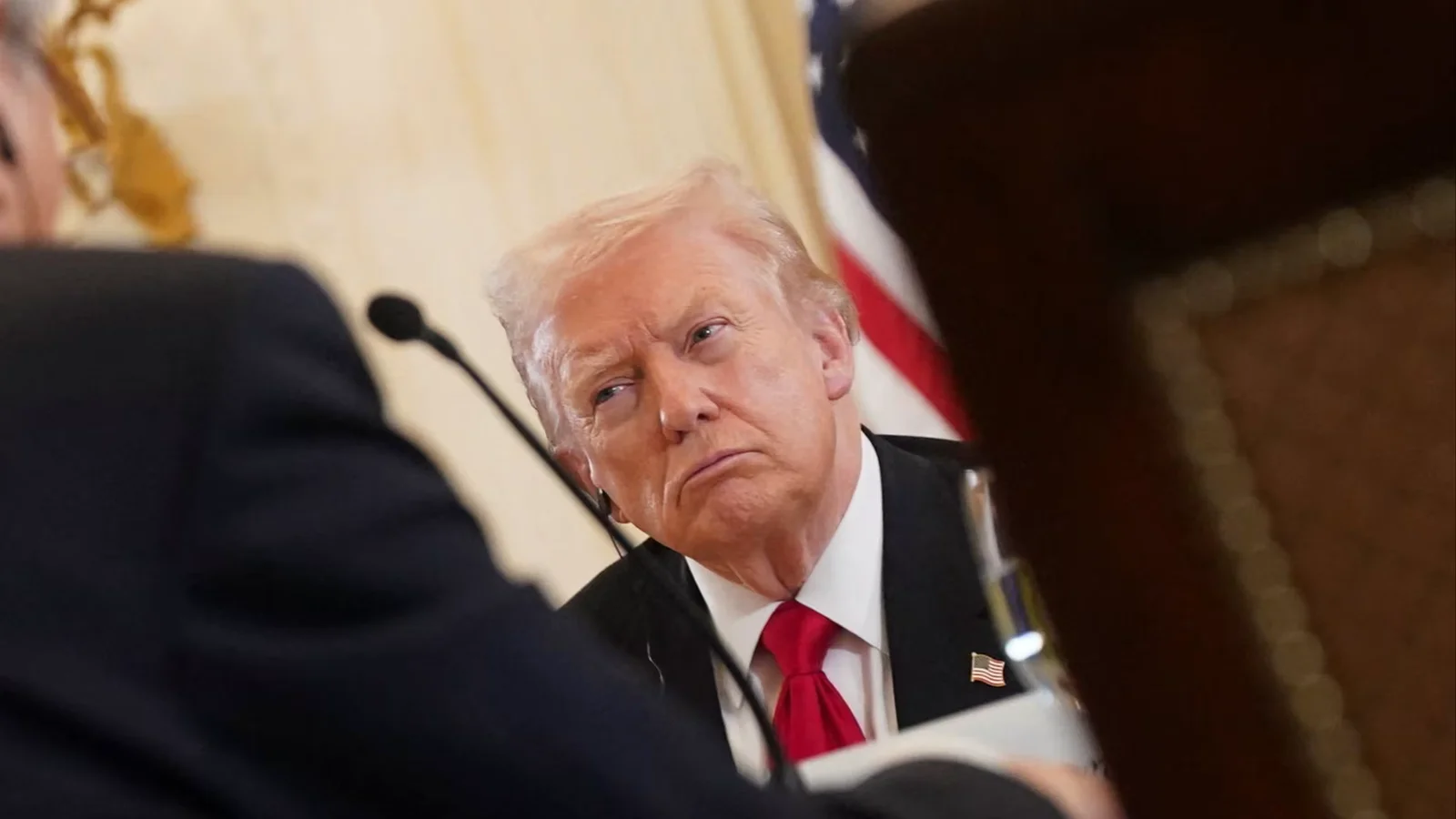
President Trump is exerting unprecedented control over U.S. businesses, publicly attacking and demanding actions from CEOs, including revenue-sharing deals and resignations, while corporate leaders largely remain silent to avoid political conflict, raising concerns about cronyism and state capitalism.
U.S. CEOs, including Tim Cook and Jensen Huang, are engaging with the Trump administration through gifts, flattery, and investments, leading to industry-friendly policies and exemptions that benefit their businesses.
The largest hedge funds are increasingly monopolizing CEO time through expanded corporate access teams, conducting thousands of meetings annually to gain strategic insights, which has led to internal and industry tensions over access and resource allocation, raising questions about the value and future of such practices.
CEOs are increasingly boasting about reducing their workforces through AI investments, framing layoffs as a sign of innovation and efficiency, which raises concerns about the impact on workers and the normalization of automation-driven layoffs.