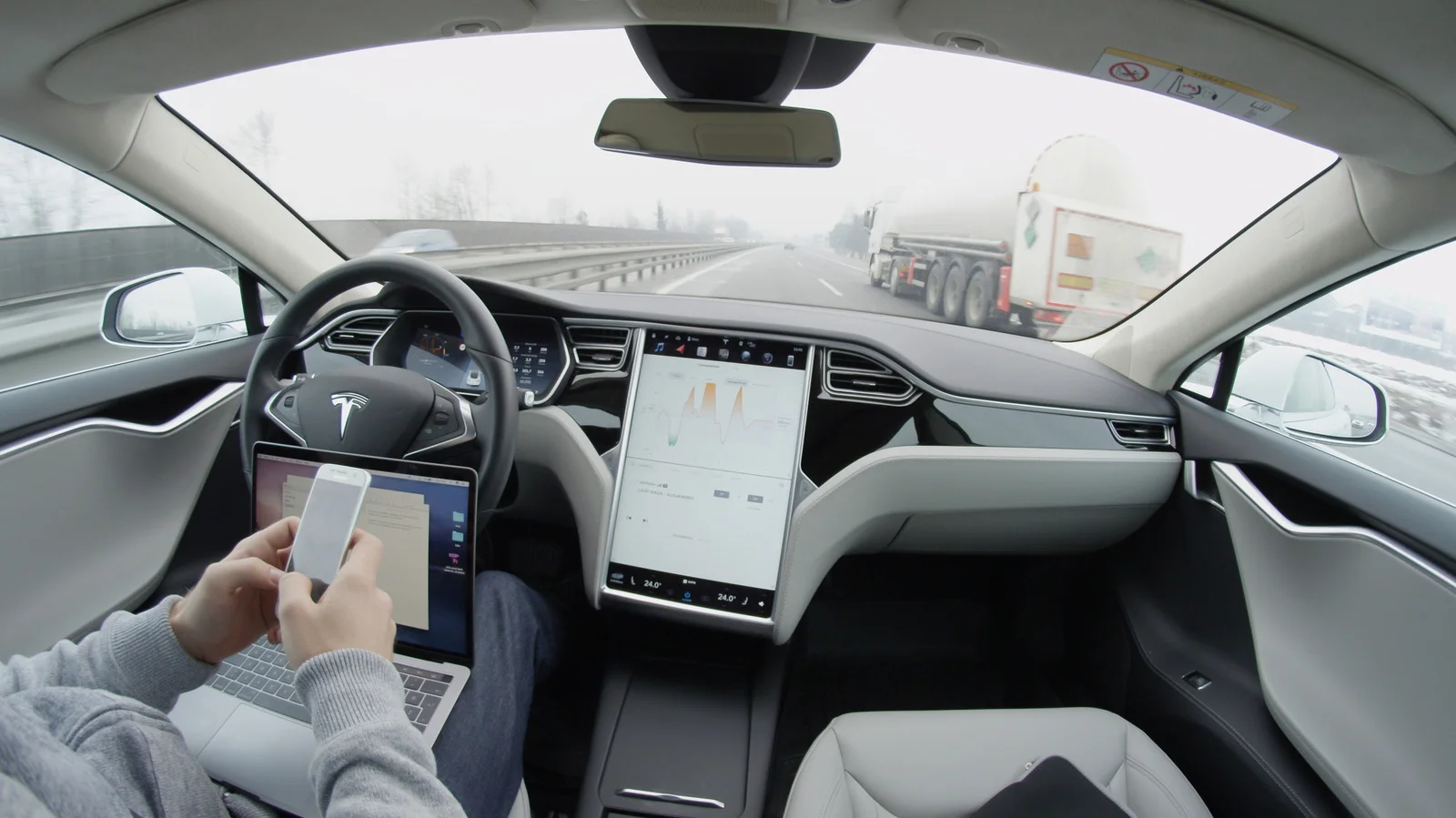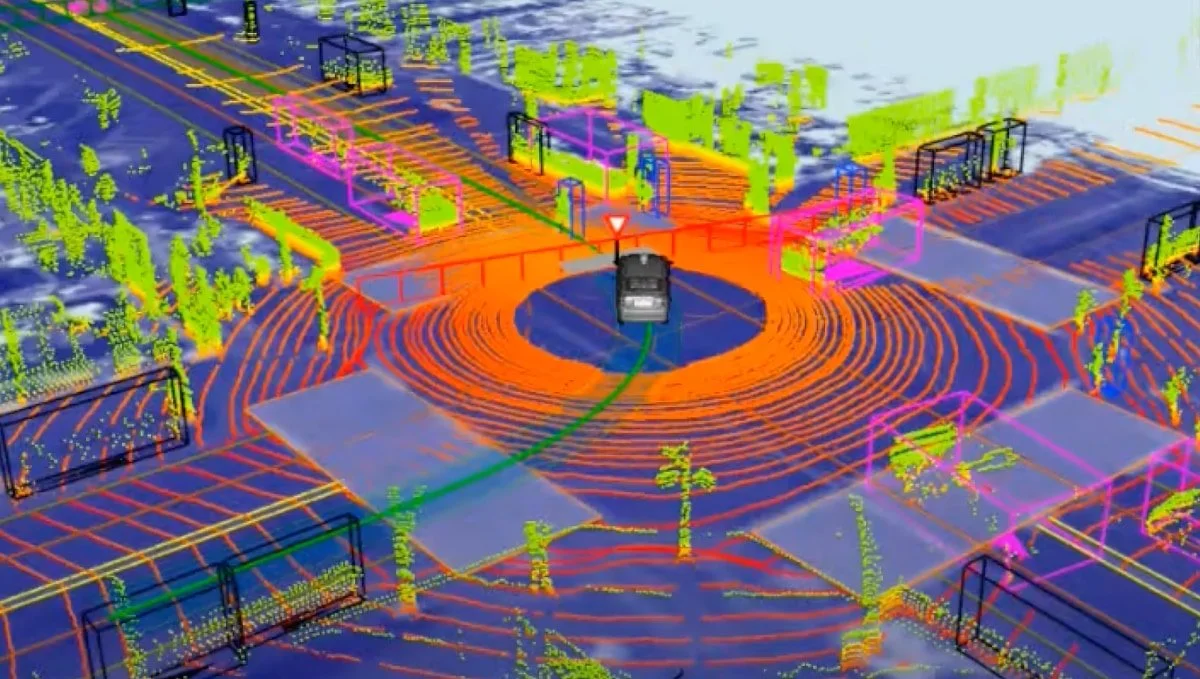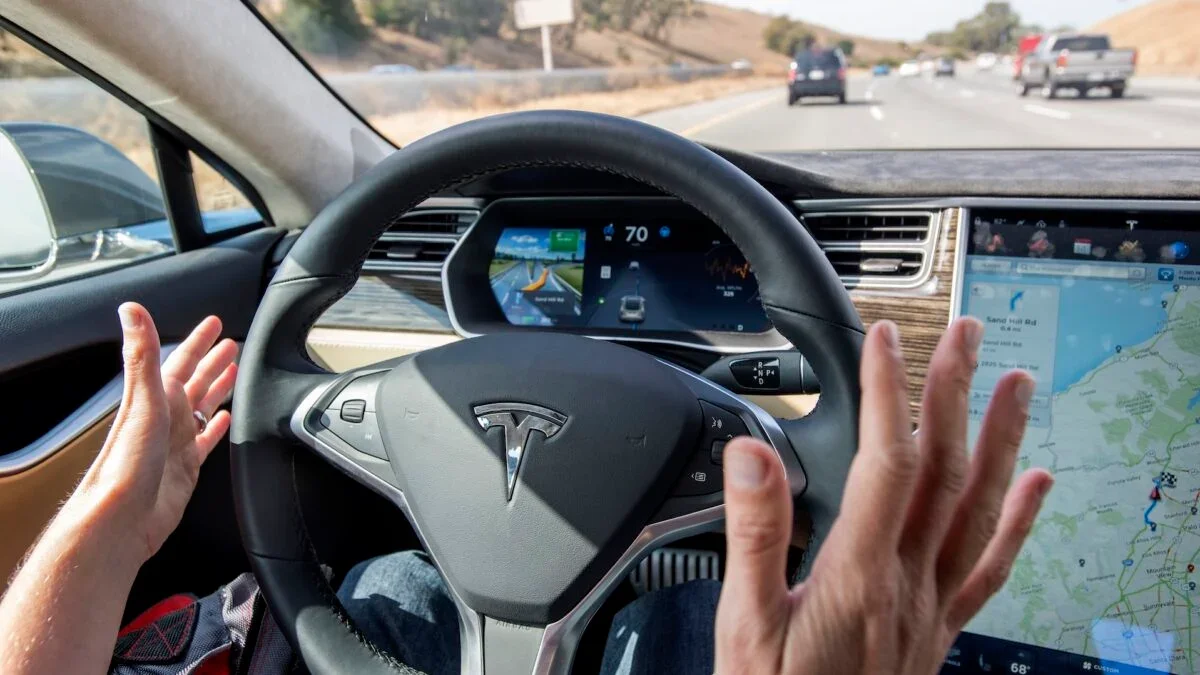
The family of 28-year-old Jeffrey Nissen Jr. has filed a wrongful-death lawsuit against Tesla, alleging Autopilot failed to detect a stopped motorcycle on SR 522 in Snohomish County, leading to the fatal April 19, 2024 crash. Police say the Tesla driver was relying on Autopilot and may have been distracted by his phone; he was later arrested for vehicular homicide. The suit contends Tesla overstated Autopilot’s capabilities, cites a California ruling on deceptive marketing, and seeks safety improvements.
Tesla CEO Elon Musk dismisses Nvidia's announcement of its own autonomous vehicle AI, claiming it is similar to Tesla's approach and expressing confidence that Tesla will maintain its lead in self-driving technology, despite Nvidia's plans to test robotaxi services by 2027. Tesla's stock has experienced recent declines, but Musk remains optimistic about Tesla's long-term prospects in autonomous driving.
The article summarizes the biggest analyst calls on Tuesday for major companies including Nvidia, Apple, Tesla, Palantir, Shake Shack, Brinker, and Wells Fargo, highlighting key investment insights and analyst opinions.
Hyundai, owning Boston Dynamics, is making significant strides in humanoid robotics, challenging Tesla's ambitious robot plans and shifting the narrative around robot dominance from Tesla to Hyundai/Boston Dynamics, with Hyundai emphasizing practical, manufacturing-ready robots and Tesla's Optimus still in development.
Mercedes-Benz announced it will launch a new advanced driver-assistance system called MB.DRIVE ASSIST PRO in the US, enabling autonomous driving on city streets under driver supervision, competing with Tesla's Full Self-Driving system. The system, already available in China, will cost $3,950 for three years in the US and uses multiple sensors and AI processing to navigate urban environments, marking a step toward broader autonomous vehicle deployment.
Nvidia showcased a Level 2 driver-assist system in a Mercedes-Benz that competes with Tesla's Full Self-Driving, demonstrating rapid progress towards full autonomy with plans for Level 4 capabilities by 2028, challenging Tesla and Waymo in the autonomous vehicle race.
Katie Stockton reviews some of Fairlead's top trades for 2025, highlighting stocks like Tesla and Estee Lauder, and providing insights into their market positions and potential for investors.
The article covers recent major news including a U.S. military strike on Venezuela targeting Maduro and his allies, Tesla losing its position as the top electric vehicle maker, a disciplined AI startup Anthropic's cost-effective approach, Musk's Tesla facing delivery declines and controversy over AI content, and Chick-fil-A's extensive anniversary marketing campaign amid industry challenges.
Norway nearly achieved its goal of phasing out new gas cars by 2025, with EVs making up 95.9% of new car sales, driven by high taxes on combustion vehicles and incentives for electric cars, although future policies may shift buying patterns towards smaller, more affordable EVs. Tesla remains the market leader, with Chinese automakers gaining ground.
The article highlights three AI stocks representing different investment themes: Palantir Technologies for enterprise AI, SoundHound AI for applied AI, and Tesla for high-risk, high-reward AI ventures, emphasizing their recent developments and growth potential.
The article highlights the five most popular stocks on Robinhood at the start of 2026, including Tesla, Nvidia, Apple, Amazon, and Ford, emphasizing their recent performance, strategic focuses, and investor interest, especially in AI and electric vehicles.
In 2025, BYD surpassed Tesla as the world's top EV seller with 2.26 million units sold, driven by growth in Europe and Latin America, while Tesla's sales declined due to softening demand and policy changes in the US. Despite the sales drop, Tesla's stock rose 11% in 2025, as Elon Musk shifts focus toward robotics and AI, indicating a potential strategic pivot away from traditional EV sales. Experts anticipate a challenging 2026 for the EV market, with possible recovery in 2027.
Tesla is losing market share to Chinese competitors, but the competition in battery technology and electric vehicle industry remains intense and ongoing.
Tesla's Q4 2025 vehicle deliveries dropped 15.6% year-over-year, signaling a sales slump amid weaker demand and the expiration of U.S. tax credits, but growth in energy storage and future autonomous ride-sharing (Robotaxi) plans remain key to investor optimism. The company is expected to report full quarterly results on Jan. 28, with future demand hinging on advancements in self-driving tech and scaling Robotaxi services.
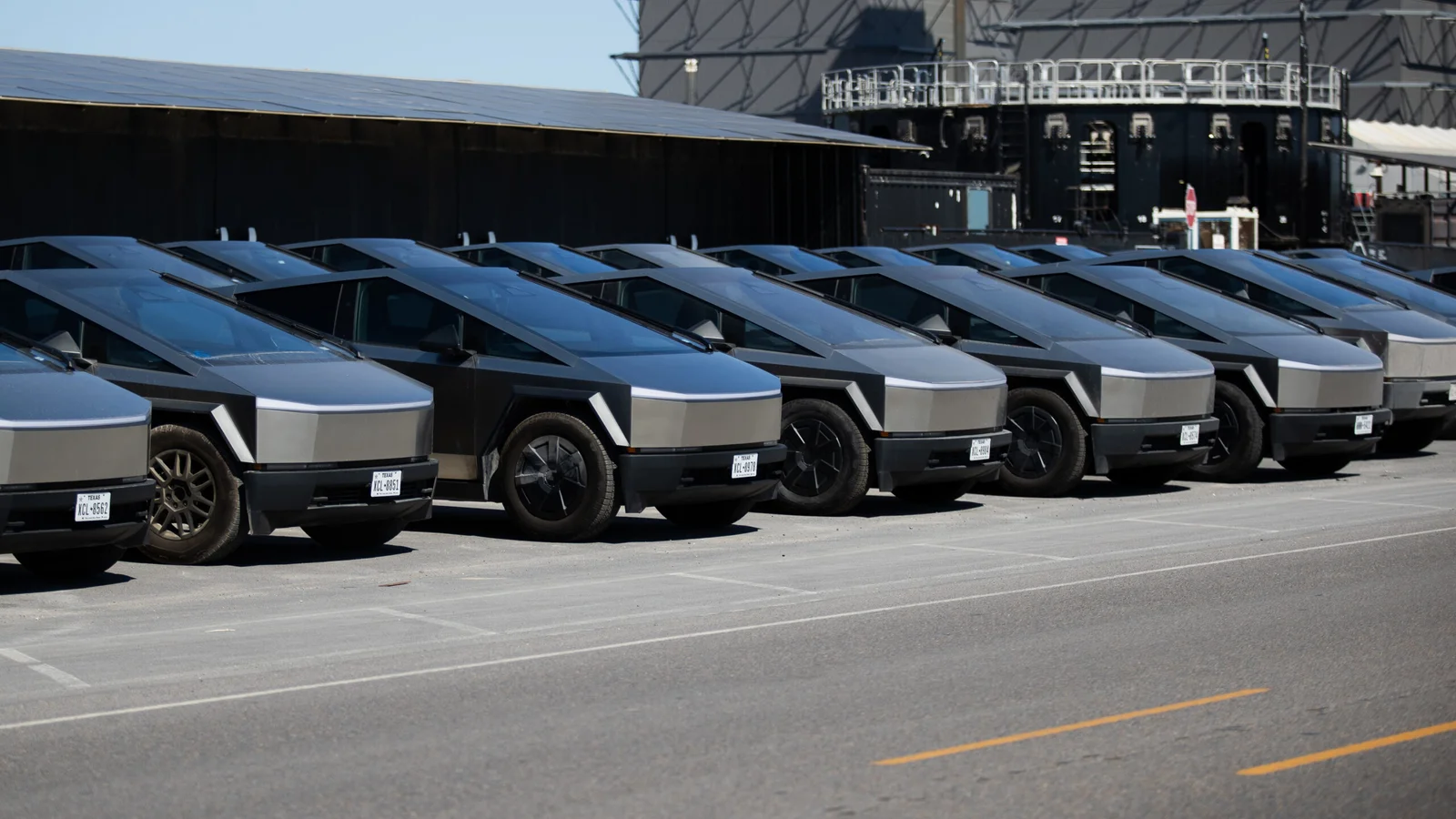
Tesla lost its position as the world's top EV seller in 2025 due to declining demand, increased competition from Chinese automaker BYD and others, and brand reputation issues linked to Elon Musk's political activities. Despite lower sales and new model launches that haven't met expectations, investor optimism remains high, driven by Musk's focus on robotics and autonomous driving technology.