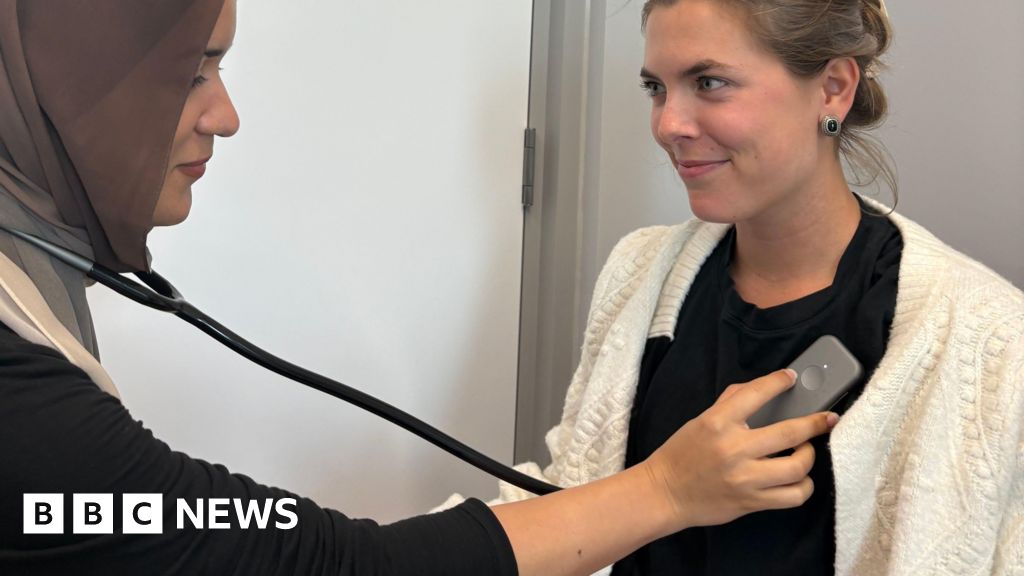
UK researchers developed an AI-powered stethoscope that can detect three heart conditions in just 15 seconds, improving early diagnosis but with some concerns about false positives and usage rates in practice.
AI-powered stethoscopes can detect heart failure, valve disease, and abnormal rhythms almost instantly, potentially revolutionizing early diagnosis and treatment in the UK, following a successful study involving over 12,000 patients across multiple GP surgeries.
A new AI-powered digital stethoscope, tested in the UK, can detect heart conditions like heart failure, atrial fibrillation, and valve disease in just 15 seconds, potentially enabling earlier diagnosis and treatment, and representing a significant upgrade to the traditional stethoscope.
A recent study found that an AI-aided home stethoscope can effectively detect asthma exacerbations, surpassing the accuracy of peak expiratory flow measurements. The study monitored 149 patients with asthma, including children and adults, who used the AI-aided stethoscope to record symptoms such as wheezes and crackles. The AI analysis of these recordings alone proved efficient in detecting exacerbations in patients of all ages. This innovation has the potential to optimize remote telemedicine consultations and significantly improve asthma monitoring, particularly in children under the age of 5.
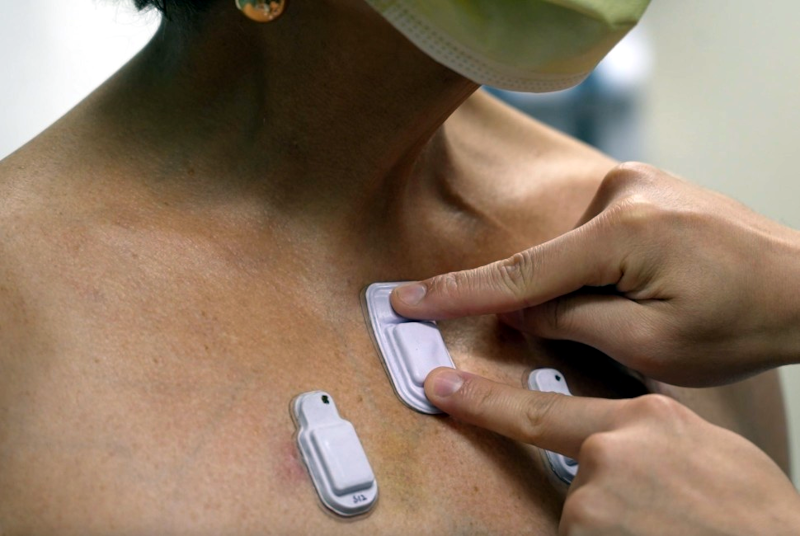
Northwestern University has developed tiny wireless sensors that stick to a patient's skin to continuously monitor sounds from the heart, lungs, and GI tract. The devices contain microphones that capture noise for cancellation, and the collected audio is wirelessly transmitted to clinicians for analysis. This innovation could revolutionize healthcare by providing continuous monitoring and analysis of patient sounds, although the cost may be a factor in widespread adoption.