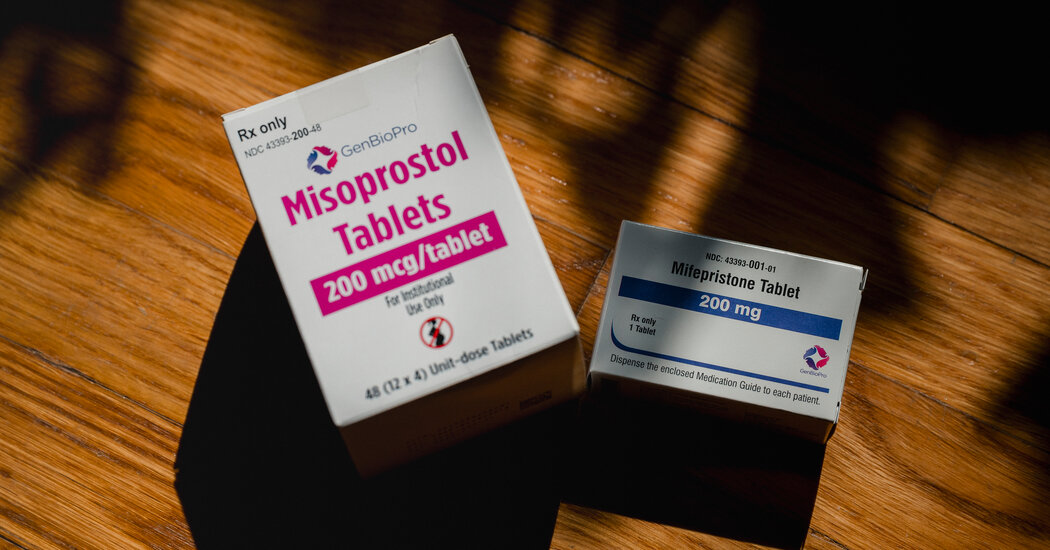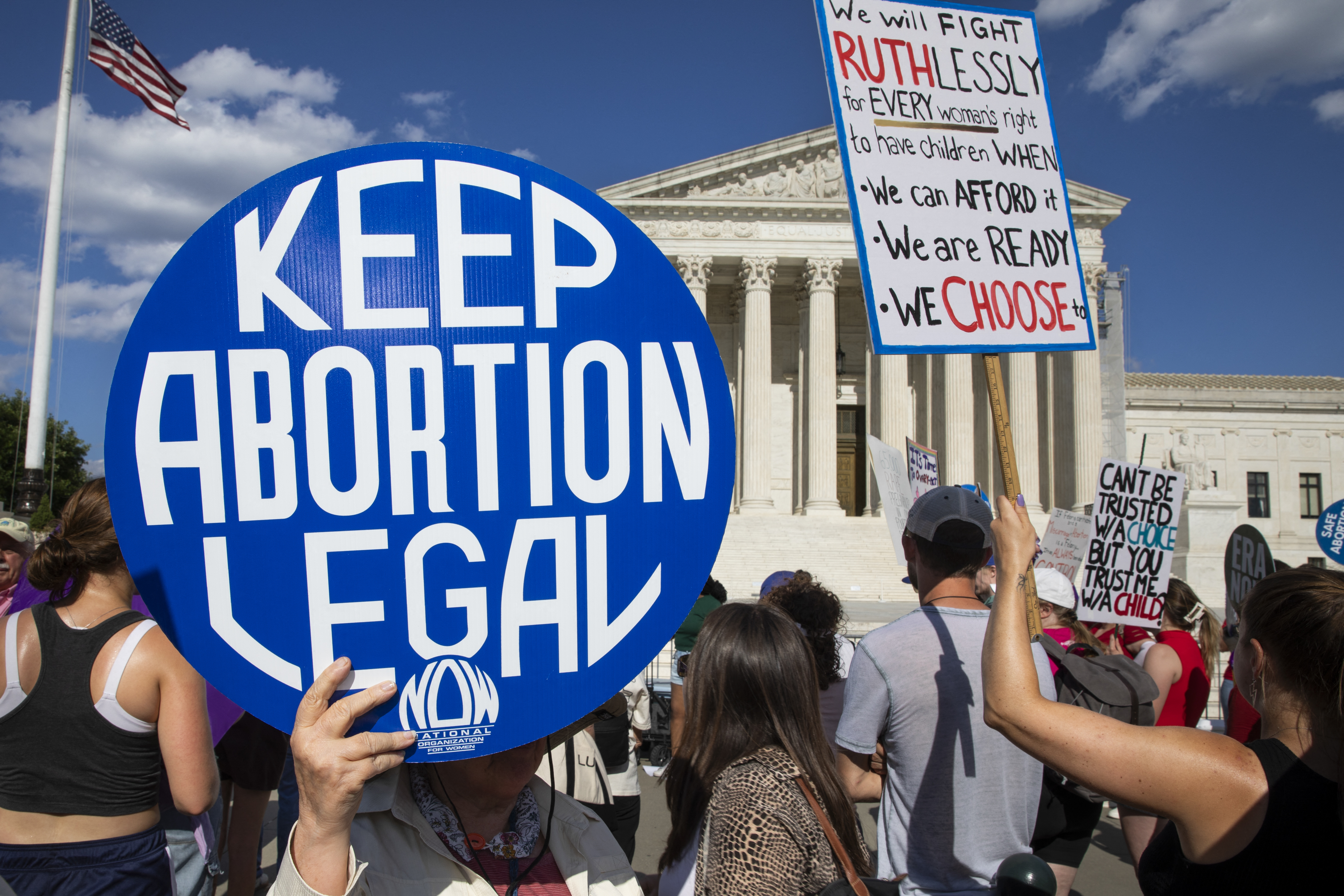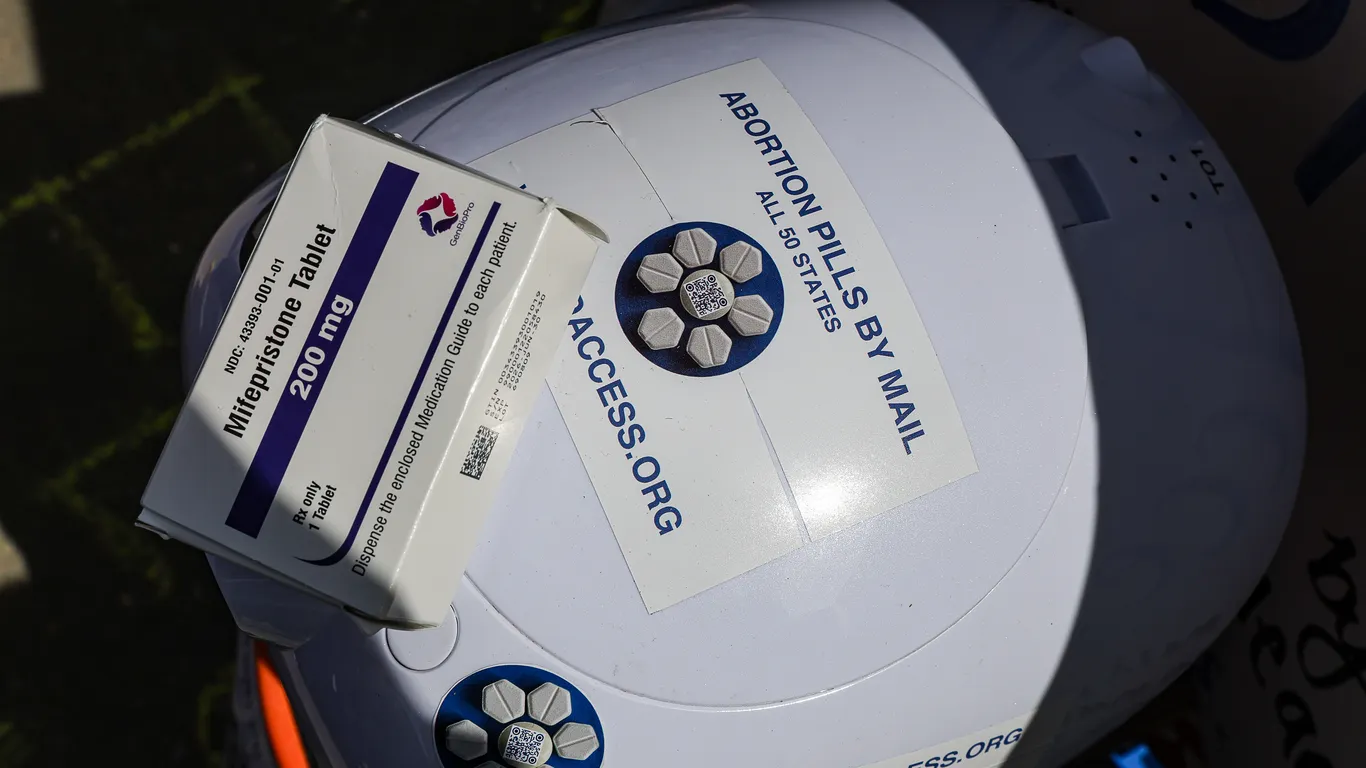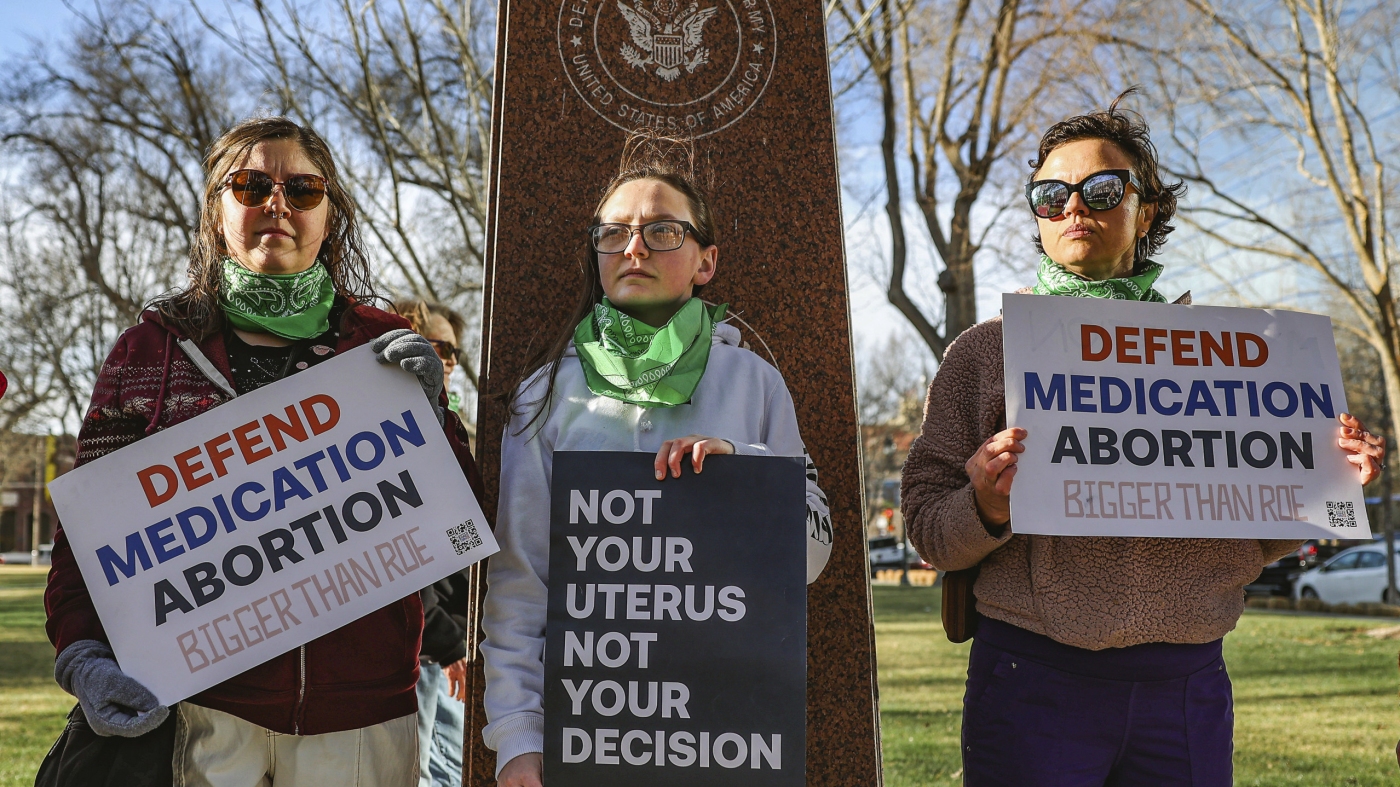
States like Texas and New York are heading toward a constitutional showdown over abortion shield laws, which protect providers who prescribe abortion pills via telemedicine in states with bans, challenging interstate legal cooperation and raising significant legal and constitutional questions.
Texas has filed a lawsuit against a New York doctor for prescribing abortion pills to a Texas woman, challenging New York's shield laws designed to protect out-of-state physicians. This case marks a significant test of interstate telemedicine and abortion rights following the overturning of Roe v. Wade. Texas Attorney General Ken Paxton claims the prescription led to medical complications, while New York officials vow to defend reproductive rights. The lawsuit could deter doctors from prescribing abortion pills across state lines, despite legal protections in some states.
Texas Attorney General Ken Paxton has filed a lawsuit against New York doctor Margaret Daley Carpenter for mailing abortion pills to a Texas woman, challenging New York's shield law that protects such actions. This case tests the legality of shield laws designed to protect abortion access across state lines in the post-Roe era. Paxton seeks significant fines and a court order to prevent Carpenter from violating Texas law, while New York's Attorney General vows to defend reproductive rights. The case highlights ongoing interstate conflicts over abortion access and the role of telemedicine.
Texas has filed a lawsuit against a New York doctor for prescribing abortion pills to a Texas woman, challenging the shield laws that protect out-of-state physicians after Roe v. Wade was overturned. The lawsuit, filed by Texas Attorney General Ken Paxton, seeks $250,000 in damages but involves no criminal charges. This legal action could deter doctors from prescribing abortion pills to Texas residents, despite protections offered by some Democratic states. The case highlights ongoing tensions over abortion rights and the use of telemedicine for medication abortions.
Texas Attorney General Ken Paxton has filed a lawsuit against Dr. Margaret Daley Carpenter, a New York physician, for illegally providing abortion-inducing drugs to Texas residents via telemedicine, violating state laws that require a valid Texas medical license for such practices. The lawsuit seeks to prevent further violations and impose significant civil penalties, highlighting the state's strict regulations on abortion and telehealth services.
A CDC report reveals that the number of abortions in the US fell by only 2% in 2022 despite state bans following the overturning of Roe v Wade. The report highlights a divide in access, with some states enacting strict bans while others have protective laws, leading to increased abortions in those areas. The availability of abortion pills and telemedicine has helped maintain abortion numbers. However, the report's data is incomplete, as some states do not provide comprehensive information. The sustainability of current abortion access, reliant on donations and support organizations, remains uncertain.
After the overturning of Roe v. Wade, abortions increased due to a network of medical providers who prescribed and shipped abortion pills via telemedicine, facilitated by FDA policy changes during the COVID-19 pandemic. States enacted laws to protect these providers, and increased funding and educational campaigns expanded access to in-person abortions. Organizations like Aid Access saw a surge in demand, leveraging FDA policies that eased restrictions on medication abortions. However, potential political changes could threaten this access, as anti-abortion activists target telehealth provisions.
In response to increasing threats to abortion access in the U.S., a network of abortion pill providers, including Plan C, Aid Access, Hey Jane, and Just the Pill, has mobilized to ensure access to abortion medication through various means such as telemedicine, mailing pills, and setting up mobile clinics. Shield laws in six states protect providers who prescribe and ship abortion pills to patients in states with bans, and efforts are underway to expand international pill providers to help with telehealth prescription access in the U.S. The network is working together to navigate the changing abortion landscape and ensure access to reproductive healthcare for those in need.
Escambia County in Florida has launched a new telemedicine program called Tele911, which allows 911 callers to consult with a doctor virtually before an ambulance is dispatched. The aim is to free up ambulances for more urgent cases, as many calls are for non-emergency issues. The program has already reduced unnecessary 911 calls and helped paramedics and EMTs make more informed decisions about transporting patients to the hospital. Since its implementation in January, there have been 193 Tele911 interactions with patients.
During Supreme Court arguments, a majority of the justices seemed inclined to reject a bid to limit access to abortion pills, expressing doubts about the plaintiffs' standing and the potential nationwide implications of the case. The case centers on changes made by the FDA in 2016 and 2021, which broadened access to the drug mifepristone, allowing telemedicine prescriptions and mail delivery. Justices questioned the plaintiffs' remedy of applying nationwide restrictions, expressing concerns about second-guessing the FDA's regulatory authority.
As the U.S. marks the four-year anniversary of the COVID-19 pandemic, mental health professionals reflect on the long-term impacts, including the detrimental effects of loneliness, increased focus on emotional well-being, the rise of telemedicine as a permanent fixture in healthcare, the effectiveness of masks in reducing the spread of airborne pathogens, and the positive impact of pursuing hobbies. Additionally, improved hygiene practices, such as regular handwashing, have become ingrained habits.
A new report finds that the number of monthly abortions in the US is similar to pre-Roe v. Wade levels, with telemedicine prescriptions accounting for one in six abortions. The report estimates that 120,000 more abortions would have occurred in states with bans if they had not been implemented. While some states have enforced bans on abortion, others have taken steps to protect access to abortion, including via telehealth. The report does not cover self-managed abortions, and the US Supreme Court is considering the approval of mifepristone, a drug commonly used in abortions.
The first nationwide count of telehealth abortions in the U.S. medical system reveals that at least one in six abortions, around 14,000 a month, was conducted via telehealth from July through September. Clinicians prescribe mail-order abortion pills after online consultations, with some prescriptions being given to patients in states where abortion is banned, made possible by shield laws. The growth of telemedicine abortion has made it easier and often less expensive for women to get abortions, particularly if they live far from an abortion clinic or in states with abortion bans. Despite efforts to regulate mail-order pills, the overall number of abortions provided by clinicians in the United States is slightly higher now than it was before the Supreme Court’s Dobbs decision in 2022.
A tiny remote-controlled robot named MIRA will attempt a surgical procedure on the International Space Station, potentially paving the way for remote medical services in Earth's most isolated regions. Developed by Virtual Incision Corporation, the miniaturized robotic-assisted surgery system aims to connect doctors with remote areas to provide access to quality surgical procedures. Researchers have been exploring medical procedures in space for years, addressing challenges such as the effects of microgravity on human physiology and communication issues. The improvement of satellite technology is seen as crucial in enabling the execution of increasingly complex surgeries and overcoming the limitations of traditional methods.
A large study found that obtaining abortion pills through telemedicine and mail is as safe and effective as getting them from a doctor, with a 98 percent effectiveness rate and over 99 percent safety for patients. The research, which looked at over 6,000 patients, showed that this method is increasingly used due to its convenience, privacy, and affordability, especially as state abortion bans and restrictions have been ignited. The study's findings support the growing trend of telemedicine services for abortion care.