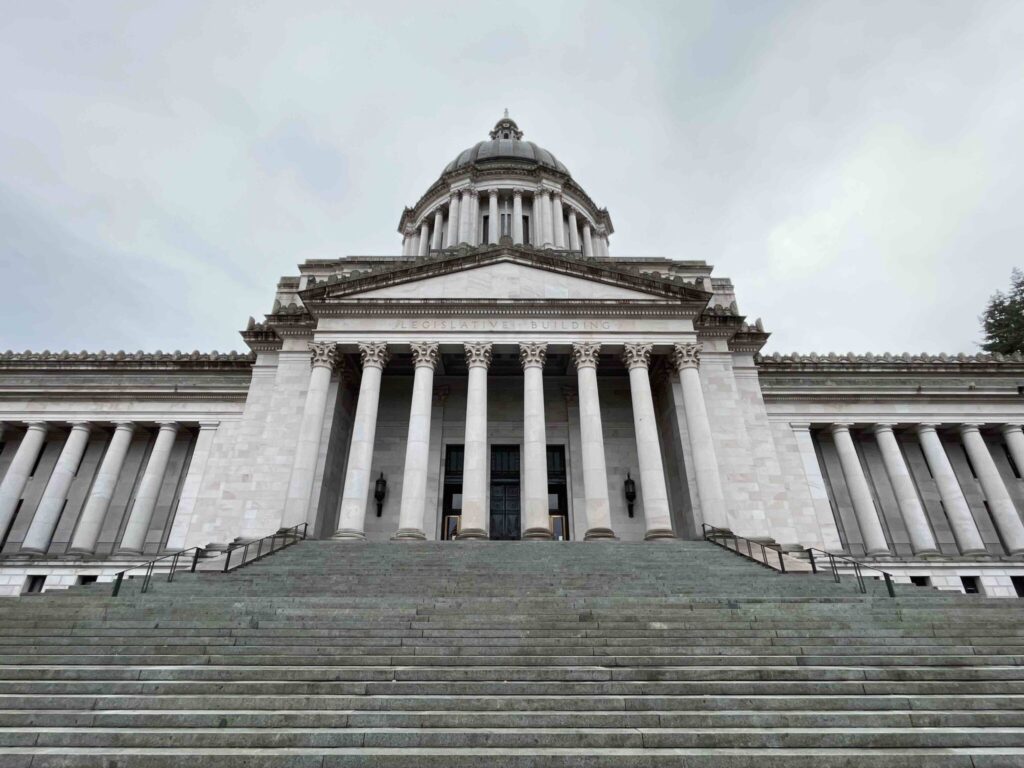
Washington Gov. Bob Ferguson proposes using reserve funds, climate law revenues, and spending cuts to address a $2.3 billion budget shortfall without raising taxes, while also supporting increased spending on public services and infrastructure. The plan includes controversial moves like redirecting climate auction proceeds and making across-the-board cuts to education and government programs, with Republican critics dismissing it as accounting tricks.
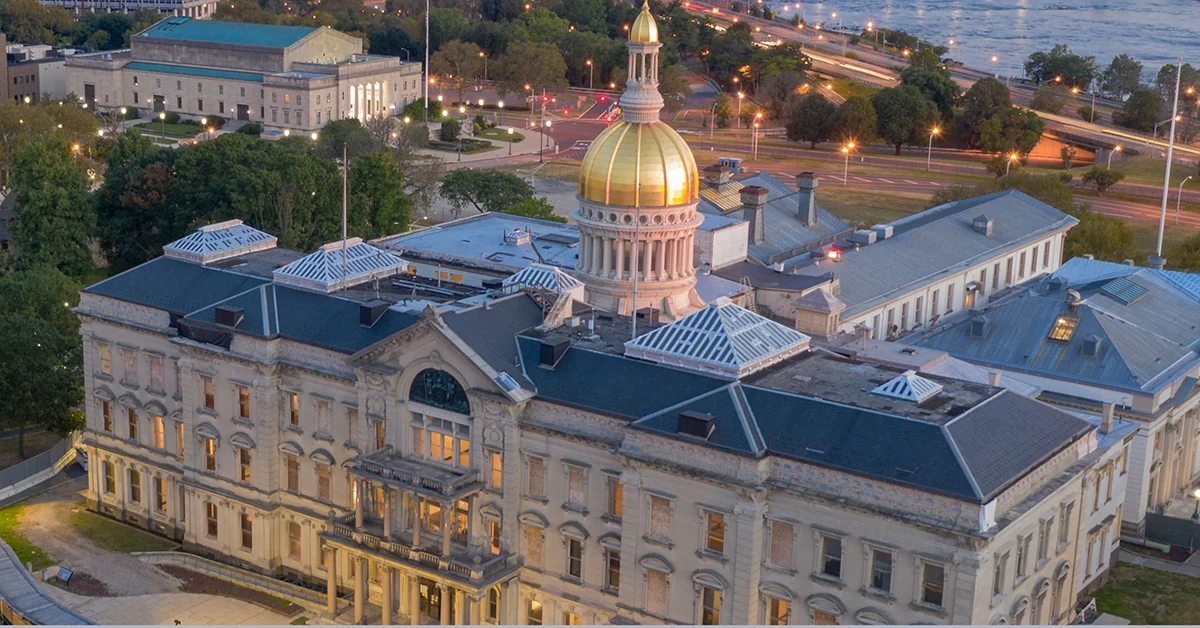
Governor Phil Murphy of New Jersey declared a State of Emergency due to the suspension of federal SNAP benefits by the Trump Administration, affecting over 800,000 residents. The state is taking emergency measures to ensure food access, including allowing access to existing benefits, encouraging use of school meal programs, and providing resources through NJ 211 and food pantries. The situation remains dynamic, and residents are advised to stay informed about their benefits and available assistance.
Many former federal officials, especially those with expertise in environmental and scientific fields, are moving to California to work in state government, motivated by changes in federal policies and opportunities for impact, and are actively connecting and recruiting among themselves.
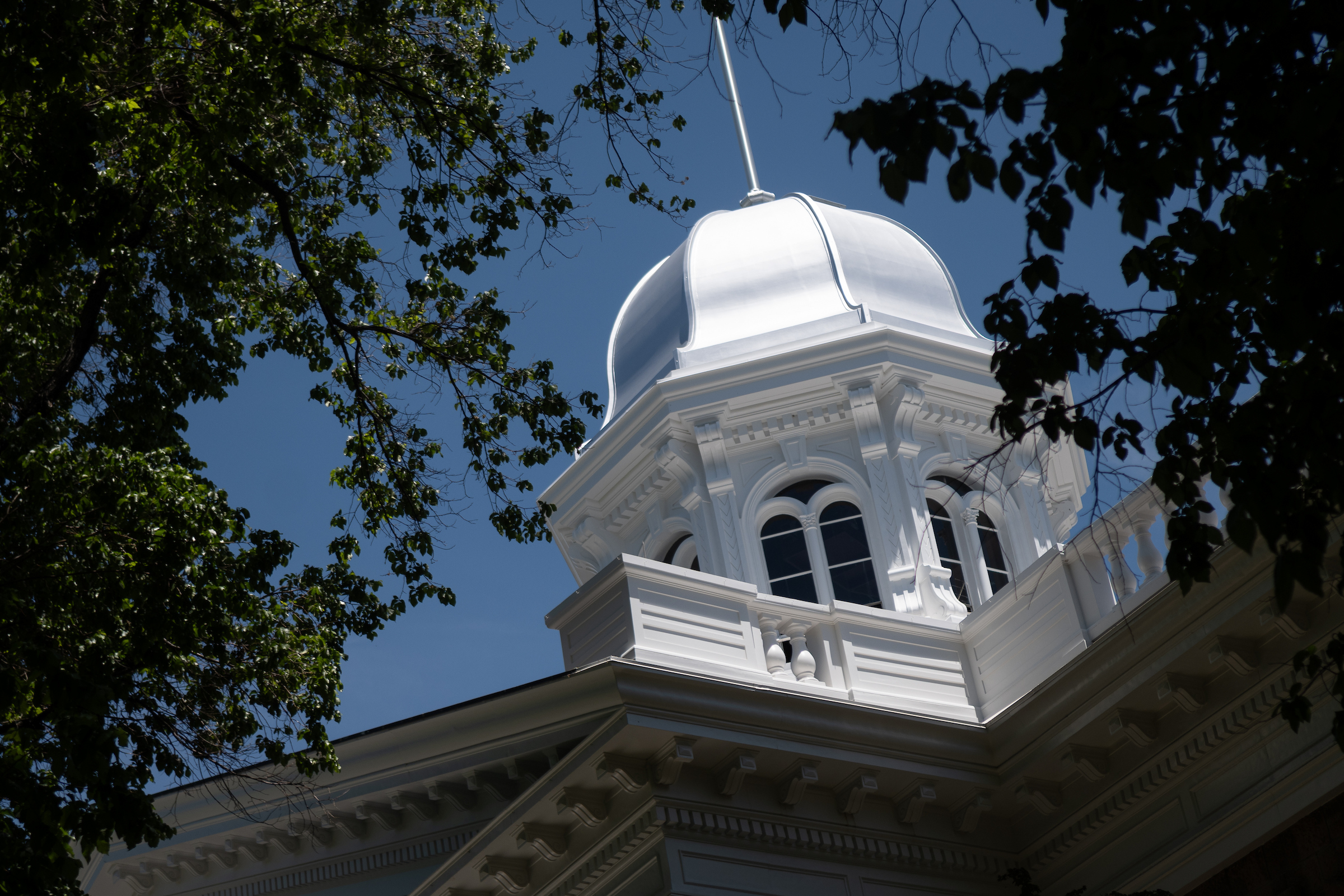
Nevada's state government has been hit by a major ransomware attack, resulting in some data being taken outside the network and causing widespread disruptions to websites, phone lines, and services, though officials have not disclosed specific details about the data or the perpetrators.
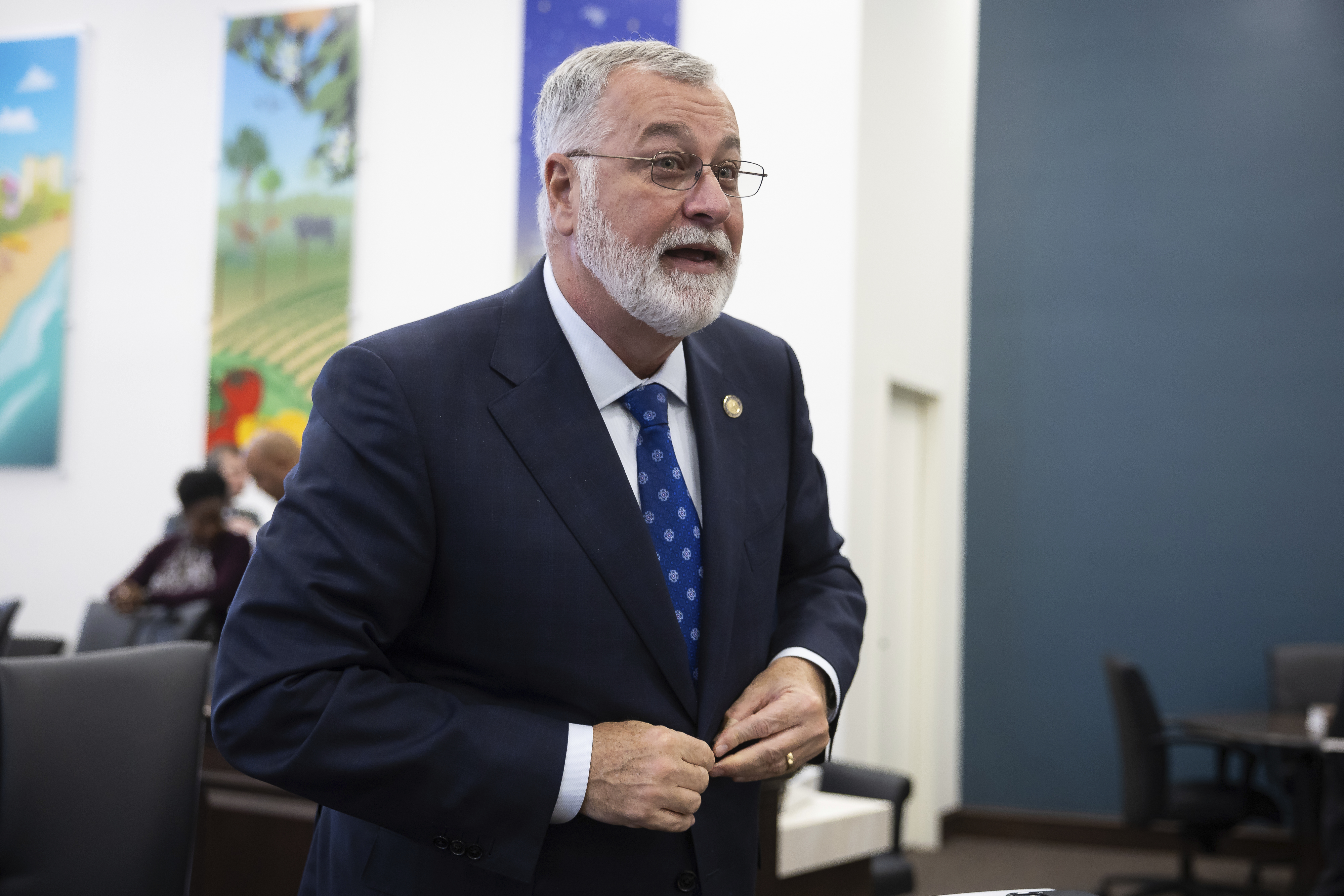
Florida's GOP-led legislature has reached a budget agreement that allocates $2.25 billion to tax cuts and reserves, avoiding a potential government shutdown, with plans to finalize the budget by June 16 and propose a constitutional amendment to increase the Budget Stabilization Fund to 25%.
The New York state Legislature's bill drafting office experienced a cyberattack, causing the bill drafting system to be down since early Wednesday. The incident occurred as the Legislature is finalizing its state budget bills, but Governor Kathy Hochul stated that it is not expected to significantly delay the process. The office is reverting to an older system to continue its work, and officials do not believe the attack will disrupt the overall process.
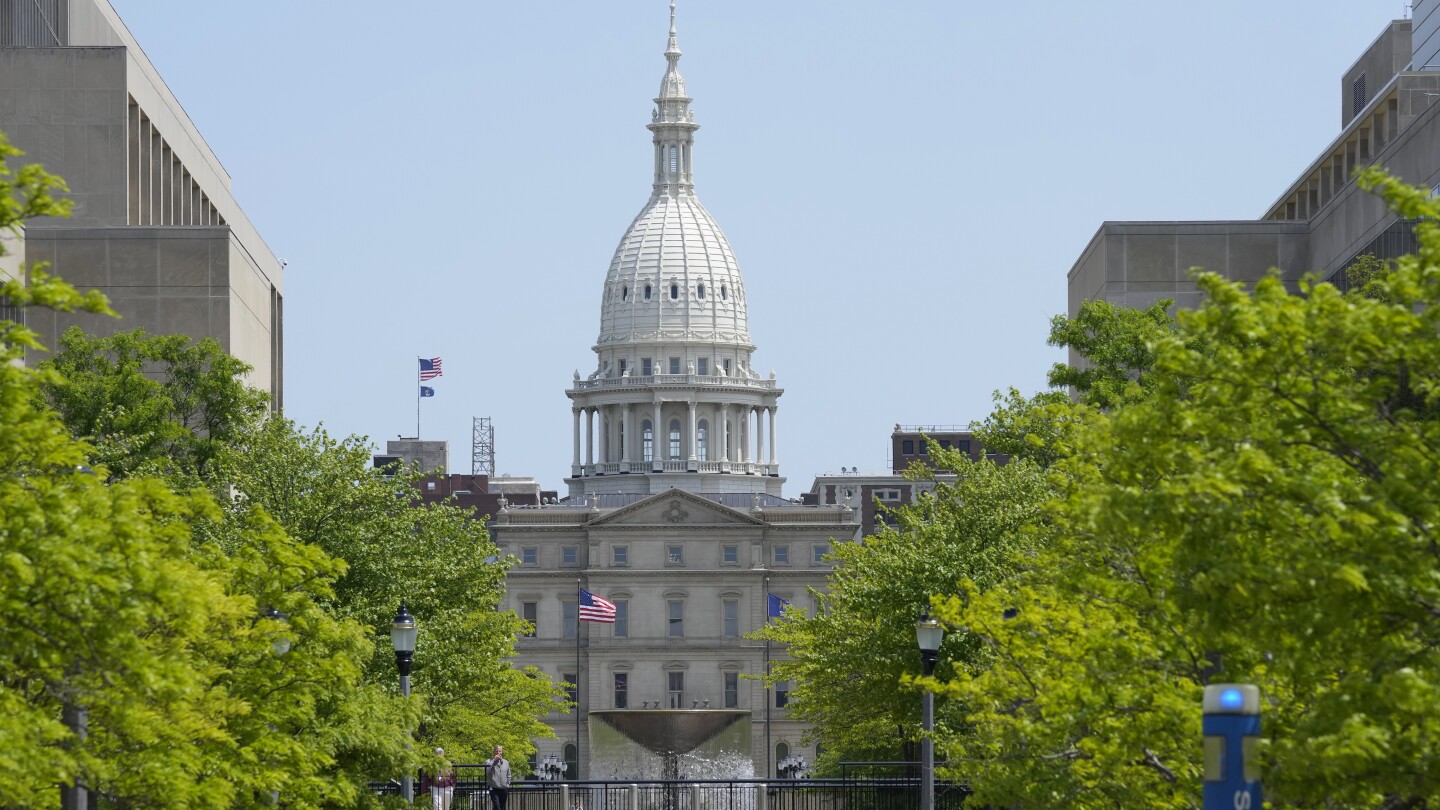
Democrats won two special elections in Michigan, regaining control of the state government. With the House deadlocked, Republicans have pushed for bipartisan legislation, while Democrats are expected to focus on the state budget and legislative agenda, including education and hate crime laws, before the upcoming summer break and November reelections.
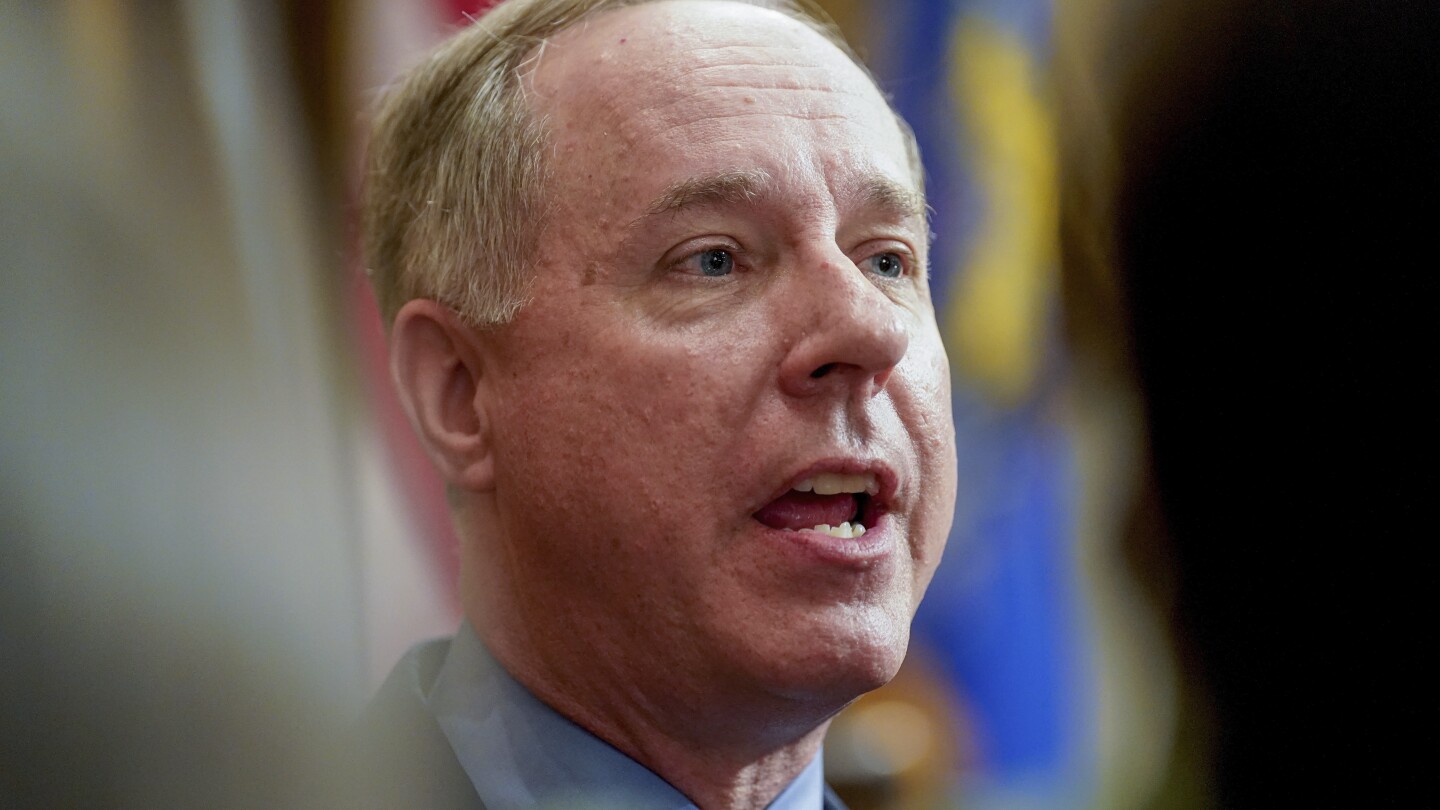
Wisconsin Assembly Speaker Robin Vos, who previously forced the Universities of Wisconsin to reduce diversity positions, has called for a comprehensive review of diversity initiatives across state government, stating that he has only just begun to dismantle equity and inclusion efforts. Vos reached an agreement with the Universities of Wisconsin earlier this month, freezing diversity hires, re-labeling positions, and dropping an affirmative action faculty hiring program. Despite criticism, Vos intends to continue his efforts to remove what he calls "cancerous DEI practices" and create a colorblind society. Democratic Governor Tony Evers' administration plans to continue diversity efforts despite objections from legislative Republicans.
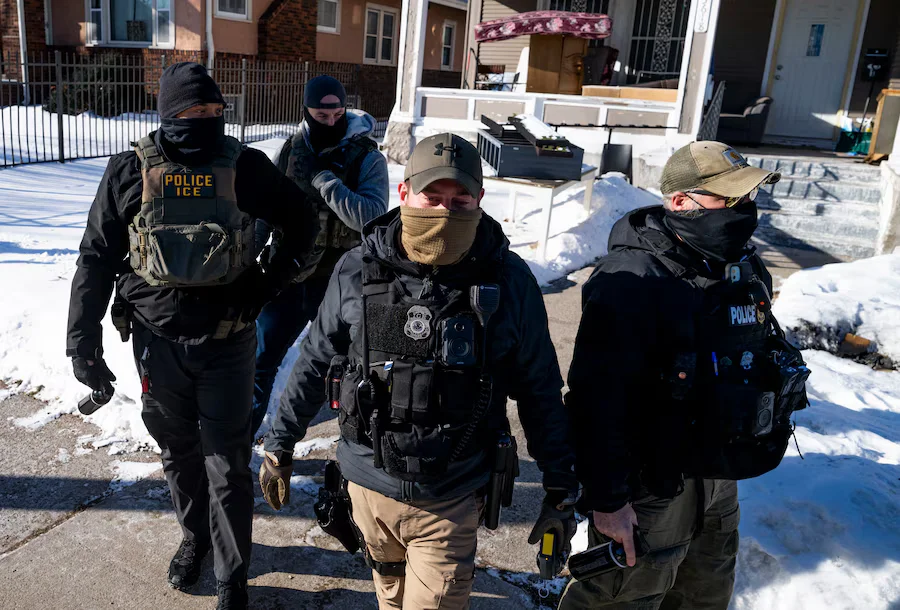
The Illinois government has halted plans to construct a migrant base camp in Chicago's Brighton Park neighborhood, citing serious environmental concerns. The governor's office released a statement blaming the city for not consulting with the Illinois Environmental Protection Agency or the state before releasing an environmental report on the site. The state is now expediting efforts to launch a brick-and-mortar shelter in the Little Village neighborhood and exploring alternate sites with the Archdiocese of Chicago. The decision to move away from the Brighton Park plans comes after an environmental assessment revealed levels of mercury and other contaminants in the soil that exceeded environmental limits. Chicago Mayor Brandon Johnson acknowledged alternate locations are being explored but did not specify which could be a likely backup.
Michigan Democrats, who had full control of state government, have lost their slim majority in the House of Representatives due to two Democratic legislators winning mayoral races in Detroit suburbs. When the legislators vacate their seats, the House will be evenly divided, leading to a partisan stalemate. Governor Gretchen Whitmer is expected to call special elections to fill the vacant seats, but the outcome remains uncertain. Republicans hope to win back the House in the 2024 election cycle.
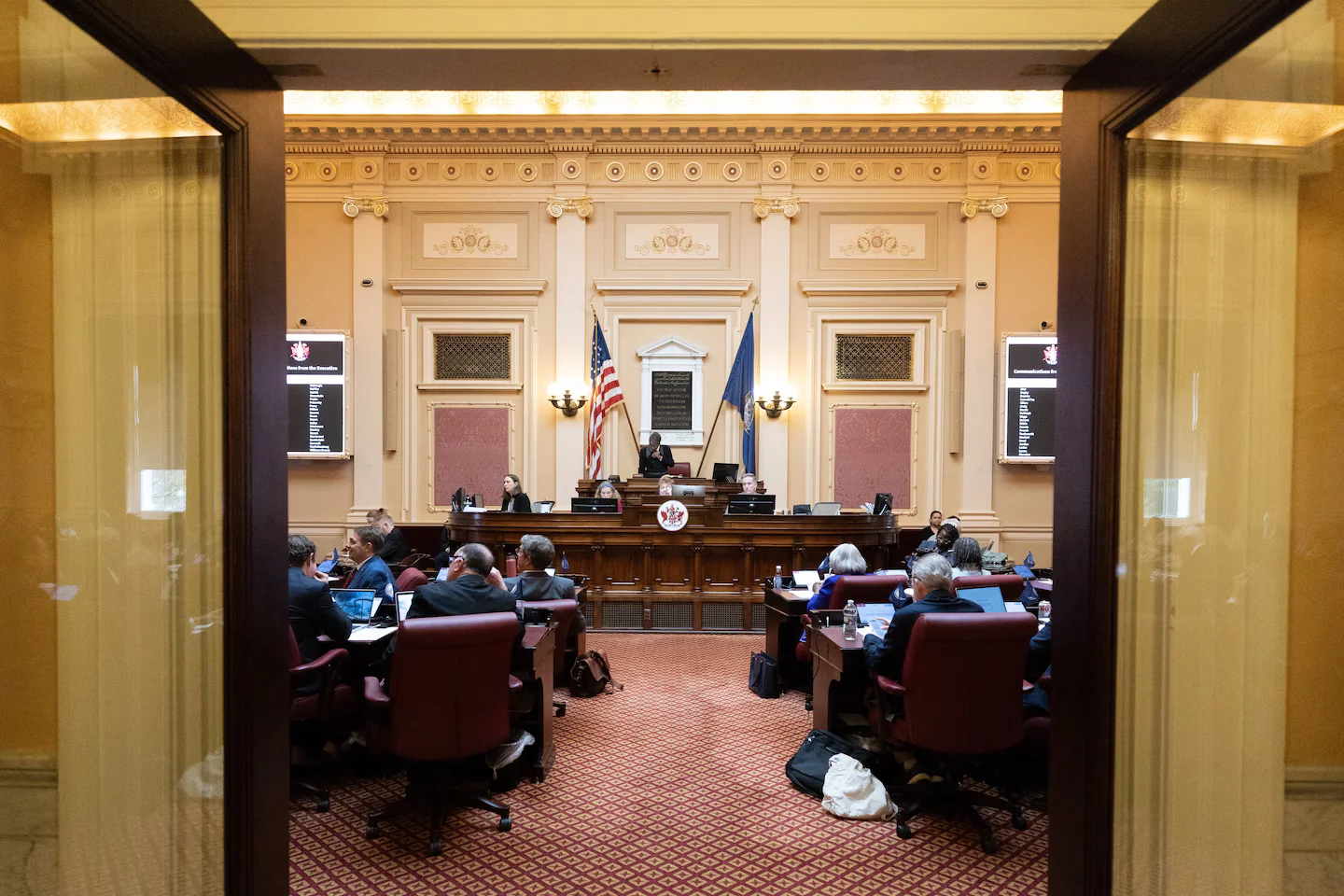
Virginia Democrats have successfully maintained their majority in the state legislature, blocking Republican attempts to gain full control of the government. This outcome serves as a counterweight to GOP Governor Glenn Youngkin and his conservative policy proposals, including a 15-week abortion ban. Democrats flipped the state House and retained their majority in the state Senate, allowing them to continue blocking Youngkin's legislative priorities. The election results also indicate that any legislation to limit abortions is likely to fail in the General Assembly next year.
New York City Mayor Eric Adams criticized Governor Kathy Hochul's handling of the migrant crisis, disagreeing with her stance that the city should limit the movement of migrants to other parts of New York without the consent and coordination of local leaders. Adams urged Hochul to issue a statewide order preventing municipalities from blocking the arrival of migrants through local edicts, but Hochul rejected the concept, arguing that migrants should not be forced on other counties. The strained relationship between the governor and mayor has also put pressure on the Biden administration to do more to help New York.
New York Governor Kathy Hochul and New York City Mayor Eric Adams are at odds over the ban on foie gras in the city. Supporters of the ban argue that it is a matter of allowing the city to govern itself, while opponents claim that the ban is an overreach by a local government that does not have ducks or farms of its own. The ban, which was passed in 2019 but overturned by a lower court, is now caught up in the appeals process. The ongoing legal battle highlights the clash between rural and urban interests, as well as the balance of power between the state and the city.
Over $1.1 billion in tax rebates will be distributed to qualifying Minnesotans, with the first wave of payments being direct deposits and paper checks to follow. The rebates were carved out of a projected budget surplus and are reserved for married filers with an adjusted gross income below $150,000 or single filers beneath $75,000. The amount of $260 per person can be multiplied by the number of recipients in a household, with married filers and up to three dependents earning the maximum. The rebates were designed to offset financial hardships during COVID-19 and inflationary pressures, and a final ruling on federal taxation of these payments is pending.
Four elected prosecutors in Georgia have filed a lawsuit against the state to challenge a new law that allows appointees of the Republican governor to remove elected district attorneys from office. The law is part of a trend of preemption measures introduced in multiple states to limit the power of elected prosecutors, particularly those who are reform-minded. Critics argue that these laws undermine the will of the voters and concentrate power in the hands of state governments. The lawsuit in Georgia seeks to restore power to elected prosecutors and have the new law declared unconstitutional.