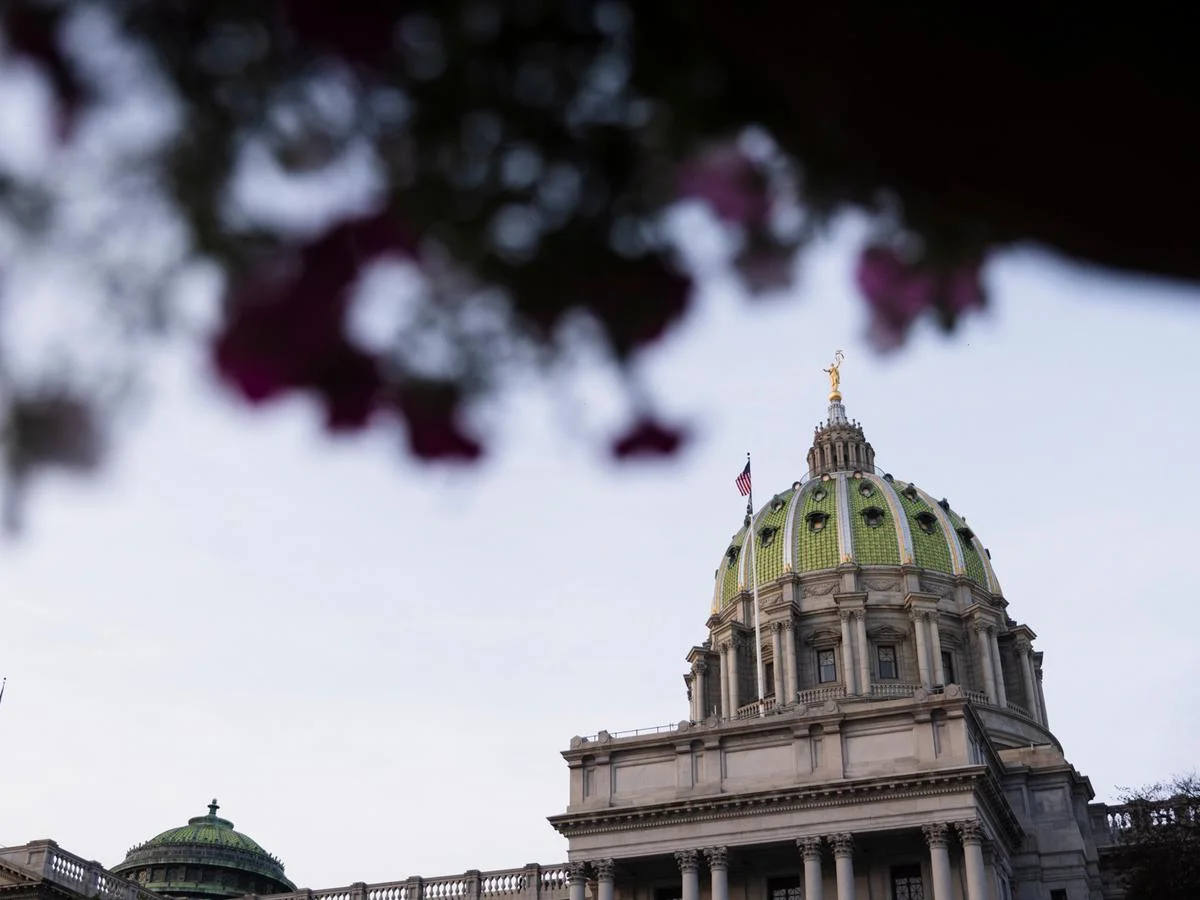
Pennsylvania lawmakers have reached a $50.1 billion budget deal to end a four-month impasse, investing in public schools, creating a family tax credit, and ending the state's participation in a climate program, with bipartisan support but some conservative concerns.

Michigan Governor Gretchen Whitmer and legislative leaders have reached a tentative bipartisan agreement on the state budget, including significant funding for roads and tax exemptions, to avoid a government shutdown before October 1, though final details and approval are still pending.
Florida's GOP-led legislature has reached a budget agreement that allocates $2.25 billion to tax cuts and reserves, avoiding a potential government shutdown, with plans to finalize the budget by June 16 and propose a constitutional amendment to increase the Budget Stabilization Fund to 25%.
Governor Hochul's proposal to allow the closure of up to 5 state prisons with 90 days' notice has survived budget negotiations, leaving communities anxious about potential closures. The language in the preliminary budget agreement aims to increase the operational efficiency of the correctional system, despite previous hopes of excluding it. This decision could impact communities with state prisons, such as Cape Vincent, Ogdensburg, and Gouverneur, which are already affected by previous closures.
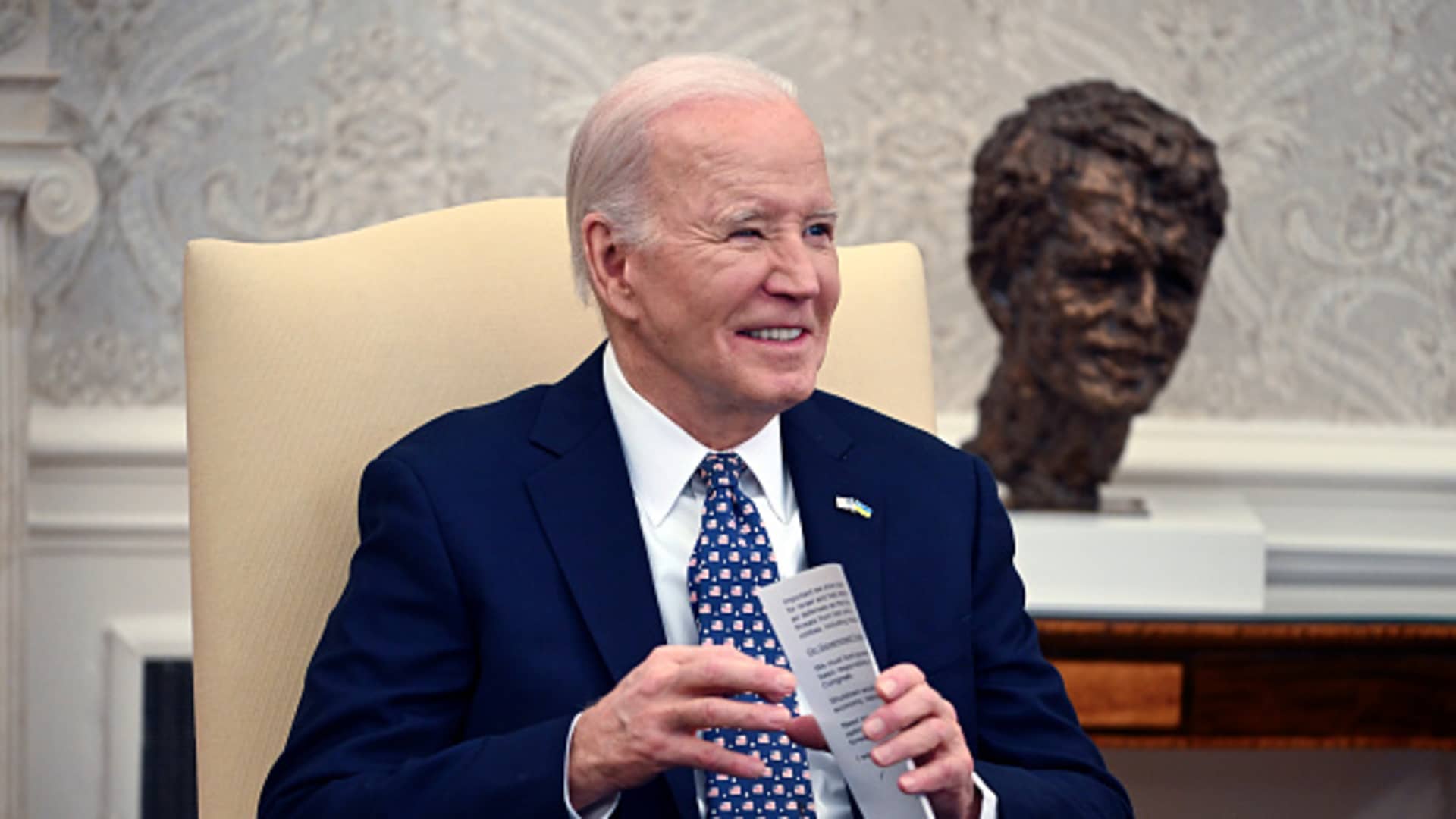
President Joe Biden signed a $1.2 trillion spending package, ending months of Congress struggling to secure a permanent budget resolution and averting government shutdowns. The bipartisan funding bill will keep the government funded until October 1 and includes six appropriation bills funding various agencies. The budget deal was passed by the Senate in a 74-24 vote after last-minute disagreements, and the House narrowly passed it after a week of scrambling. However, hardline House Republicans criticized the bill, and there are concerns about potential challenges to House Speaker Mike Johnson's leadership.
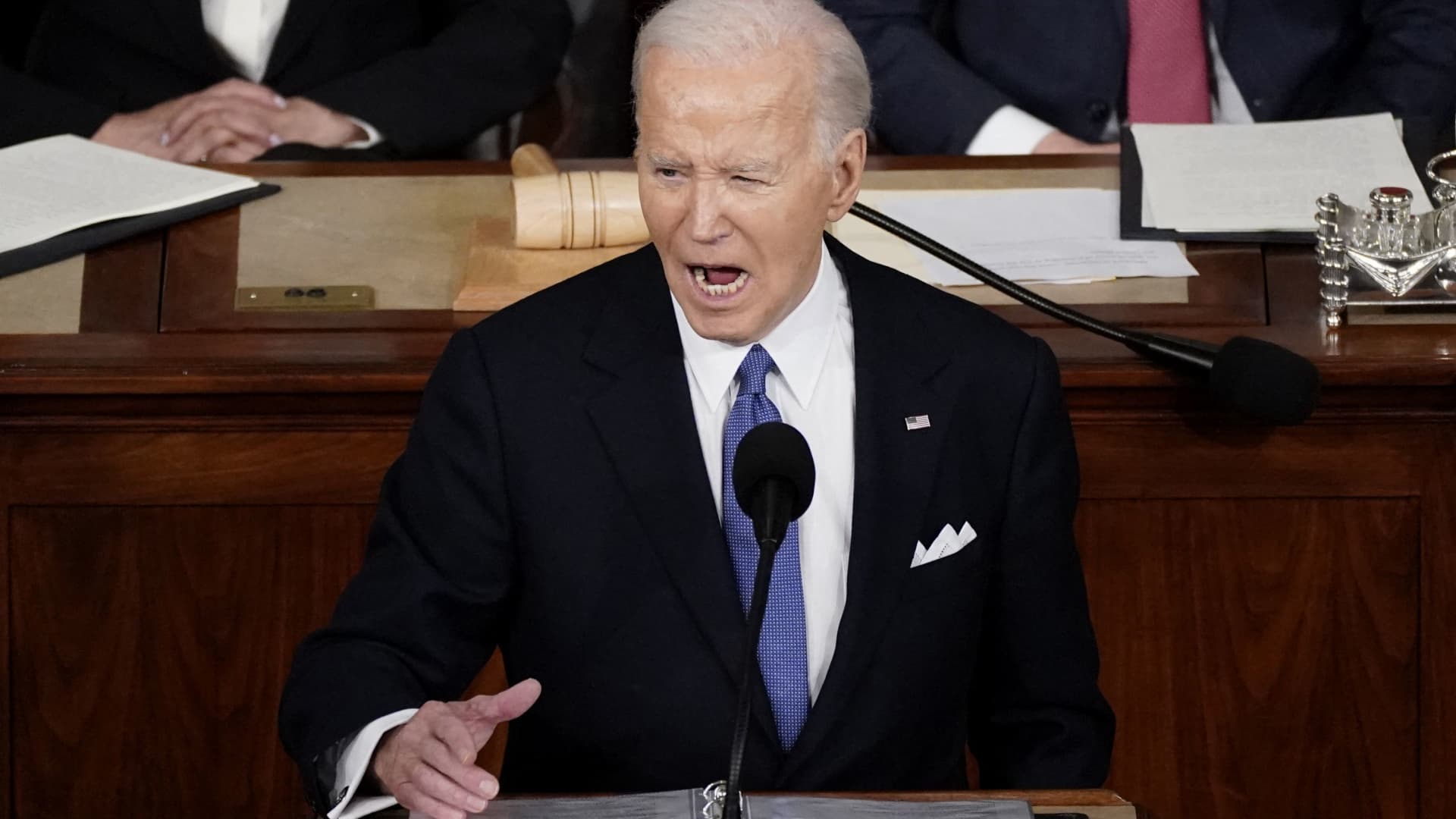
President Biden signed a $460 billion spending bill into law, averting a partial government shutdown, covering funding for six major areas of government. The Senate voted 75 to 22 to approve the package after the House passed it earlier in the week, marking a step forward in securing a permanent budget plan for the rest of the fiscal year. This is the fourth time this fiscal year that Congress has had to pass a short-term spending bill to keep the government funded and avert a shutdown. Democrats secured wins on food assistance, rent assistance, and pay for infrastructure employees, while Republicans declared victories on veterans' gun ownership and funding cuts to government agencies.
The US Congress has passed a bill to temporarily avoid a partial government shutdown, extending funding for federal agencies until March. The bill, which now awaits President Joe Biden's approval, received bipartisan support and aims to prevent a shutdown amidst budget negotiations on border security and aid to Ukraine. If a long-term budget deal is not reached, further funding measures will need to be decided and passed in the coming weeks to avoid a shutdown.
Lawmakers are close to reaching a partial budget deal to prevent a government shutdown, with negotiations ongoing for six funding bills, four of which expire Friday. If a deal is not reached, a partial shutdown could impact several government agencies, including agriculture, Veterans Affairs, transportation, and housing. While some programs like Medicare and Social Security would remain unaffected, federal employees could face unpaid work and contract workers may not receive back pay. The longer a shutdown persists, the more severe its effects become.
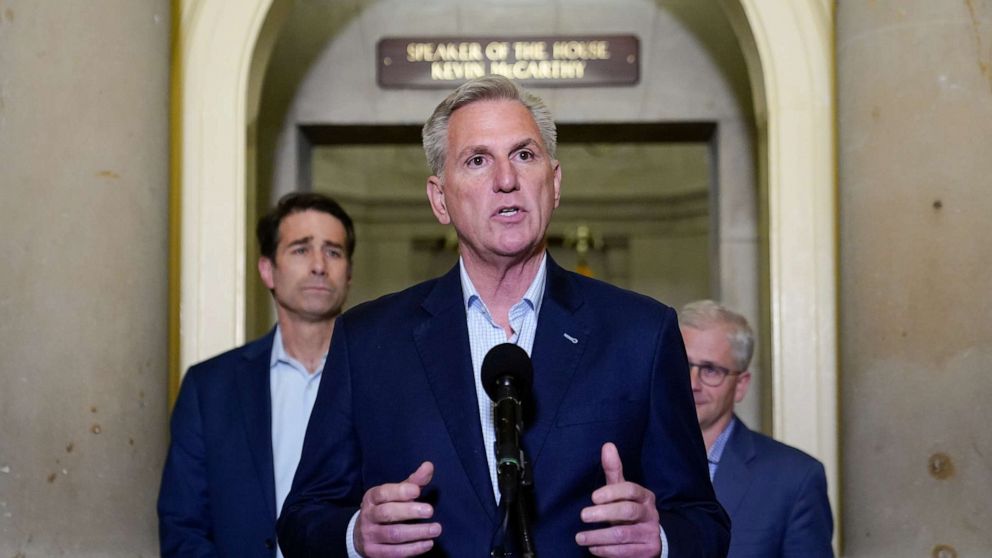
Former congressman Adam Kinzinger shamed Rep. Kevin McCarthy (R-CA) as he prepares to leave the U.S. House, calling him a "vacant and empty man" and accusing him of losing his honor on January 6. McCarthy defended his record and the budget deal that led to his ouster as House speaker, stating that he would make the same decision again.
Virginia's General Assembly has reached a budget deal that includes additional tax relief for residents, investments in education, natural resources, and behavioral health. The deal includes a one-time tax rebate, increases the standard deduction, removes the age requirement for military retiree subtraction, and reinstates the sales tax holiday. The legislators emphasized the importance of maintaining college affordability and increasing financial aid. They praised the negotiations as fair and balanced, highlighting the cordial and respectful atmosphere during the process.
Maine Governor Janet Mills has announced her intention to sign a bipartisan budget agreement that includes funding for paid family and medical leave as well as tax cuts for retirees. The budget, which totals over $800 million, also includes investments in child care and initiatives to support emergency medical services and homelessness. The agreement will be presented to the full Legislature for votes next week, and its strong bipartisan support suggests it will likely pass.
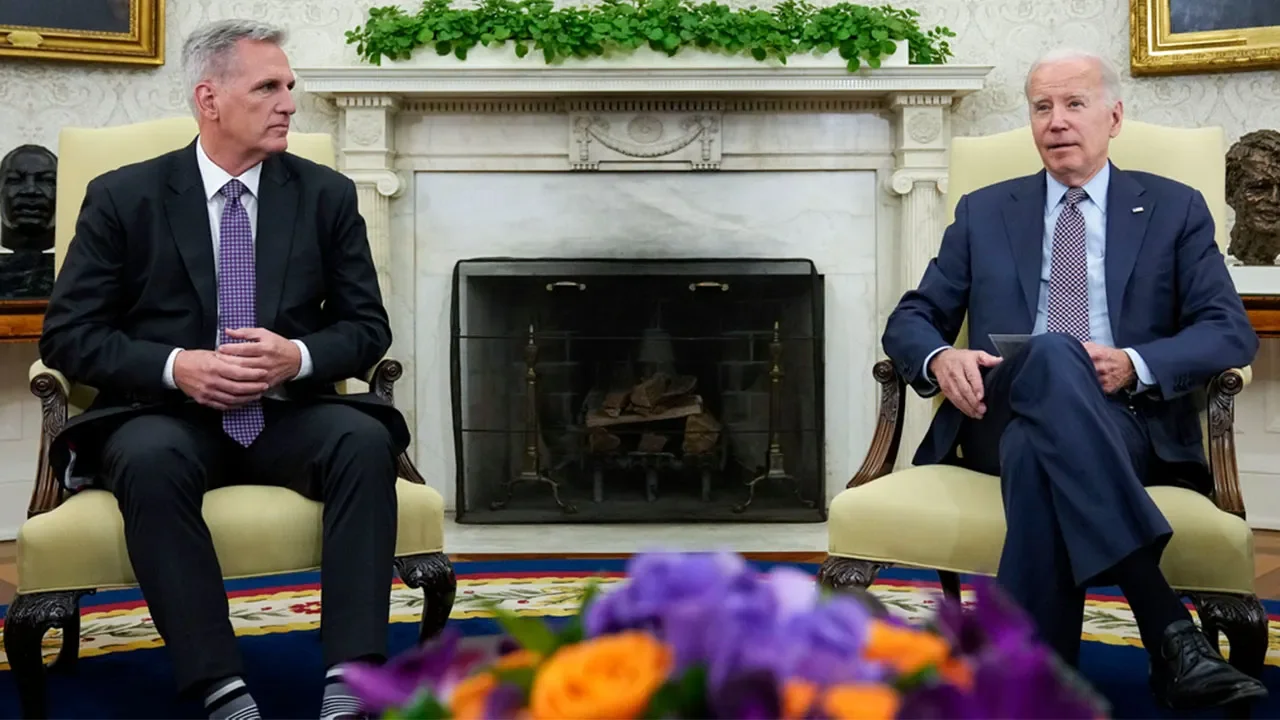
President Biden and House Speaker Kevin McCarthy have reached a budget deal that would avert a potential U.S. default just days ahead of a June 5 deadline. The agreement would keep nondefense spending roughly flat in the 2024 fiscal year and increase it by 1% the following year, as well as provide for a 2-year debt-limit increase. The deal would also expand some work requirements for the Supplemental Nutrition Assistance Program (SNAP), rescind about $30 billion in unspent coronavirus relief money, and put an end to the pause on student loan repayment. The House is set to vote on the legislation Wednesday.
President Biden and Republican leader Kevin McCarthy have agreed to suspend the US debt ceiling until January 2025, while non-defense discretionary spending would be "roughly flat" at current year levels in 2024. The deal would also increase defense spending to around $885bn and claw back unused Covid-19 relief funds. Work requirements would be imposed on low-income people who receive food assistance, and new rules would make it easier for energy projects to gain permit approval. The agreement would prevent another political showdown until after the November 2024 election.
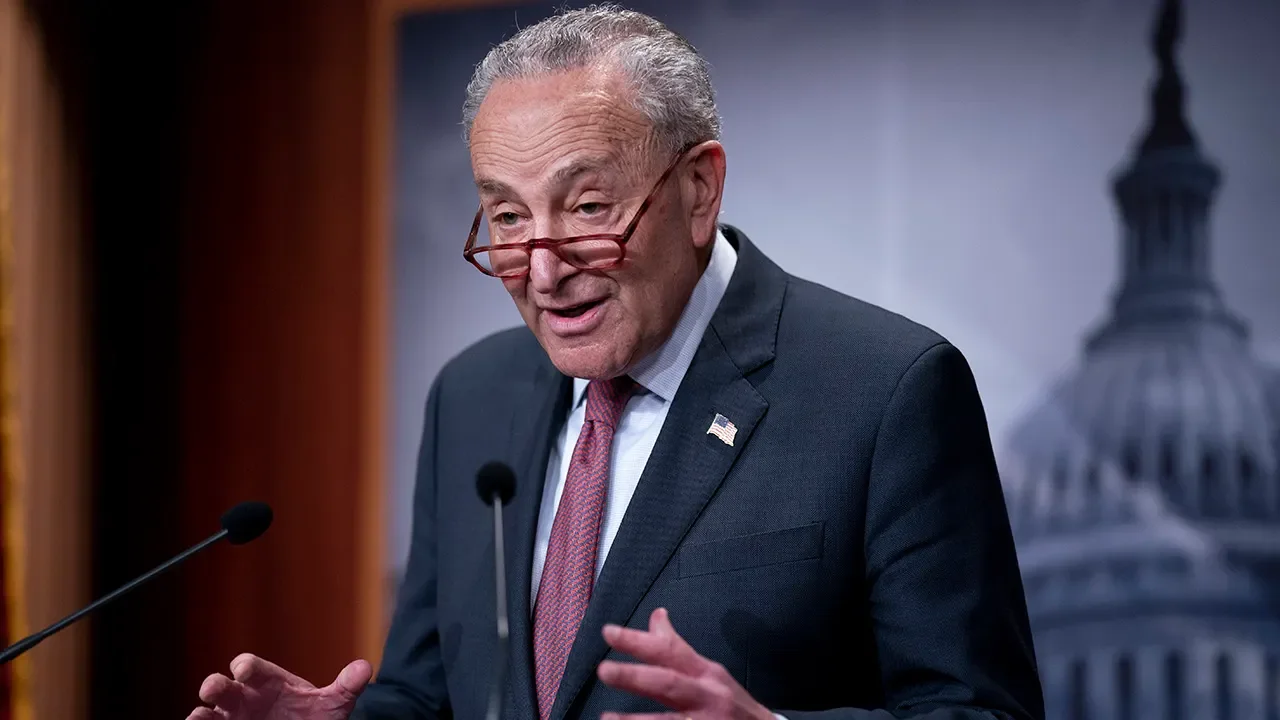
Senate Majority Leader Chuck Schumer praised President Joe Biden for reaching a debt ceiling agreement with House Speaker Kevin McCarthy and urged senators to prepare for a vote later this week. The caucus will meet to discuss the specifics of the budget deal later Sunday and early this week. McCarthy has vowed that lawmakers in the House will get 72 hours to review the text of the agreement before voting on it. Several Republicans remain opposed to the legislation, most of them within the House Freedom Caucus.
House Republicans and the White House have reached a tentative deal to raise the federal government's debt limit, ending a monthslong stalemate. The agreement is a two-year budget deal that would also separately raise the debt limit for two years. The breakthrough on the government's debt and spending comes just days before the so-called "X-date" when Treasury Secretary Janet Yellen warned the U.S. would run out of cash to pay all of its bills on time. The deal will have to pass both chambers of Congress and get to President Biden's desk by June 5 to prevent a potential default.