A committee within the University of North Carolina Board of Governors swiftly voted to repeal a policy related to diversity, equity, and inclusion (DEI) in the public university system, potentially impacting DEI staff jobs. The repeal, if approved by the full board, could lead to the dismantling of diversity offices across the UNC system. This move aligns with a trend in several states where Republican-led initiatives seek to limit DEI programs in public institutions. Critics argue that such efforts are discriminatory, while supporters believe the new policy would help eliminate DEI bureaucracies. The decision has sparked controversy and volatility, with former UNC System President and Democratic Governor Roy Cooper expressing concern, while Republican House Speaker Tim Moore suggests that the legislature may consider anti-DEI legislation.

A committee within the University of North Carolina Board of Governors swiftly voted to repeal a diversity, equity, and inclusion policy, potentially impacting staff jobs and diversity efforts across the university system. The move, which will be voted on by the full board next month, has sparked controversy, with conservatives arguing against DEI programs and Democrats and former university leaders advocating for diversity celebration. Similar actions have been seen in other states, with at least 20 states facing Republican bill proposals seeking to limit diversity and inclusion programs in public institutions.
Texas' ban on diversity, equity, and inclusion initiatives in higher education has resulted in over 100 job cuts across state universities, with more than 60 staff members terminated at the University of Texas at Austin alone. Similar policies in other states have also led to job losses, as Republican lawmakers argue that DEI programs are discriminatory and promote left-wing ideology, while Democratic supporters say they are necessary to meet the needs of diverse student populations. The law prohibits training and activities related to race, color, ethnicity, gender identity, or sexual orientation, and has already had a significant impact on faculty and staff, raising concerns about discrimination and the future of DEI initiatives in higher education.
Texas A&M University reassigned DEI employees to other departments and gave the department head a raise before the state law banning DEI on college campuses went into effect, sparking concerns that schools are attempting to embed the practice despite the law. Critics argue that the university's actions are a way to skirt the ban and continue promoting DEI principles. Texas universities have been laying off DEI employees in response to the law, but some lawmakers are concerned that schools are finding ways to continue promoting DEI at taxpayers' expense. Texas A&M University maintains that it is following the new laws and has eliminated DEI-related job duties across the university.
UT Austin has laid off around 60 staffers, including those focused on diversity, equity, and inclusion, in order to comply with Texas' anti-DEI law, Senate Bill 17. The university closed its Multicultural Engagement Center earlier this year and has now announced the closure of the Division of Campus and Community Engagement, leading to layoffs. This move comes after concerns from state Sen. Brandon Creighton about universities making superficial changes to comply with the law. The layoffs have raised questions about the future of programs supporting underrepresented groups on campus.
Alabama lawmakers have approved two controversial bills, one targeting absentee ballot applications and the other restricting diversity, equity, and inclusion programs at universities and state agencies. The absentee voting bill would outlaw pre-filled absentee ballot applications and make it a misdemeanor to distribute them, while the DEI bill would prohibit programs and events based on race, sex, gender identity, ethnicity, national origin, or sexual orientation. Republicans argue the bills are necessary to combat voter fraud and prevent programs that "deepen divisions," while Democrats and advocacy groups view them as attempts to suppress voting and roll back affirmative action programs.
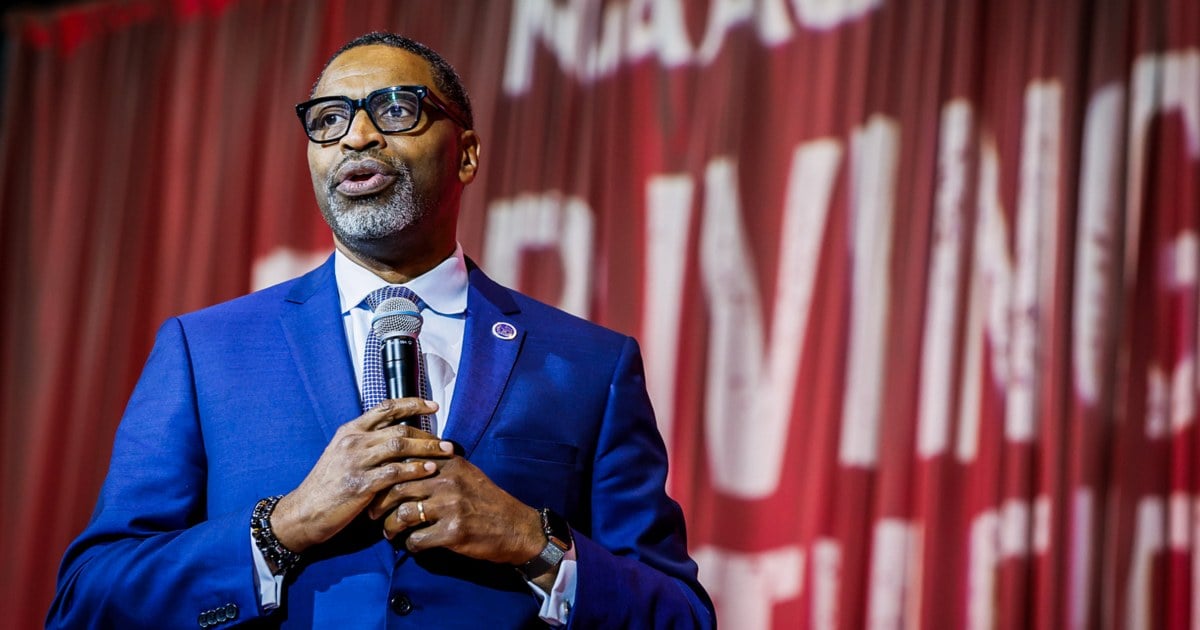
The NAACP is urging Black student-athletes to reconsider attending public colleges in Florida due to a state policy prohibiting the use of government funds for diversity, equity, and inclusion programs. The organization's president, Derrick Johnson, called on athletes to "choose wisely" and consider taking their talents elsewhere. This comes after the University of Florida eliminated all DEI positions in compliance with the state rule, drawing criticism from NFL Hall of Famer Emmitt Smith. Republican-led efforts to restrict or regulate DEI programs in education have been on the rise, prompting calls for student-athletes to seek programs in other states.
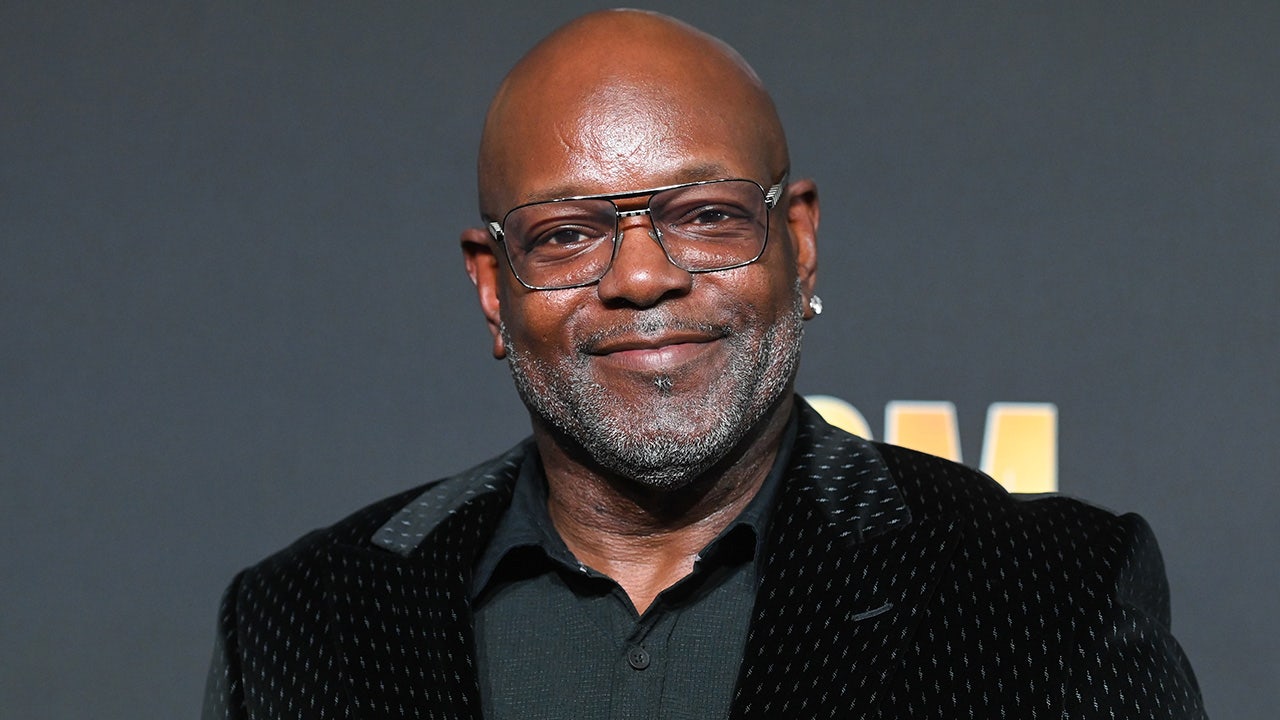
NFL legend Emmitt Smith criticized the University of Florida for eliminating all Diversity, Equity and Inclusion (DEI) positions and administrative appointments in compliance with a Florida law that limits public funding for DEI. Smith expressed disgust at the decision, arguing that the university has conformed to political pressures and failed to show courage and leadership. He emphasized the importance of diverse thinking and backgrounds in enhancing the university and urged minority athletes to be vocal about the decision.
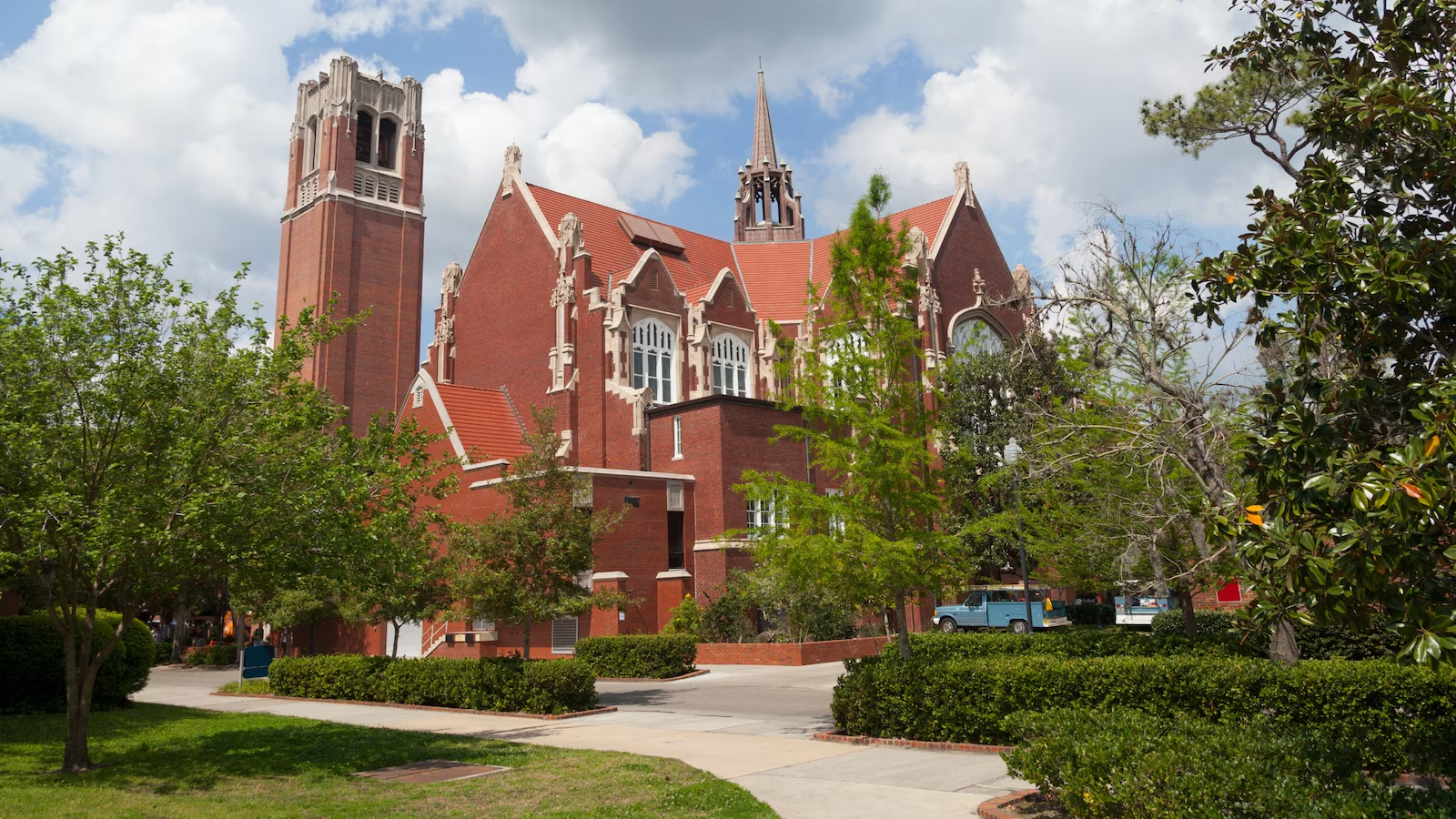
The University of Florida has eliminated all diversity, equity and inclusion positions and closed the Office of the Chief Diversity Officer due to a new state rule prohibiting such programs, redirecting $5 million in funds to faculty retirement. The move is in accordance with a Florida regulation banning state funds for DEI programs and "political or social activism," which Gov. Ron DeSantis praised, while others, including Congressional Black Caucus Chairman Steven Horsford, criticized the decision as intolerant and out of step with public institution values.
The University of Florida is terminating all diversity, equity and inclusion positions to comply with a state law, prompting DEI employees to receive 12 weeks of pay and seek other positions at the university. This move follows Florida's governor signing legislation banning public colleges from using tax dollars for DEI initiatives, and the state board of education defining DEI as promoting division in society. Meanwhile, the New York attorney general is taking legal action against Nassau county for an executive order restricting transgender women and girls from participating in athletic events, citing it as "transphobic and blatantly illegal."
The University of Florida has eliminated all diversity, equity, and inclusion (DEI) positions and activities in response to new state regulations banning the use of public funds for DEI programs and activities. The move follows similar bans by the Florida Board of Education and the Board of Governors, prompting criticism from some who view it as censorship and exclusion. The decision to eliminate DEI positions has sparked debate over the role of DEI in higher education, with supporters arguing for its importance and opponents expressing concerns about the equity component of DEI.
The University of Florida has closed its diversity office and terminated 13 full-time staff positions in compliance with a new Florida state law prohibiting spending on diversity, equity, and inclusion initiatives. The $5 million previously allocated for DEI efforts will now be redirected to faculty recruitment. The university's decision comes in response to a 2023 statute banning the use of state or federal funds for DEI programs. The future of the Center for Inclusion and Multicultural Engagement, which received significant state funding, remains uncertain. Employees affected by the closures will receive 12 weeks of pay and are encouraged to apply for other positions within the university.
The University of Florida has eliminated all Diversity, Equity and Inclusion employee positions in response to the Florida Board of Governors' prohibition on related expenditures, prompting criticism and support. Governor Ron DeSantis praised the move, while affected employees will receive 12 weeks of pay and are encouraged to apply for other positions at the university. The university plans to reallocate $5 million into a faculty recruitment fund and emphasized its commitment to universal human dignity and fostering a community of trust and respect.
Utah Governor Spencer Cox faced swift backlash on social media after posting in celebration of Black History Month just two days after signing a bill to dismantle diversity, equity, and inclusion programs across the state. The governor's celebratory post was met with criticism and accusations of hypocrisy, with many questioning the impact of the new law on the ability of colleges to observe Black History Month. Despite the pushback, the governor's office did not respond to requests for comment on the post.
Utah's governor, Spencer Cox, signed a bill into law prohibiting diversity training, hiring, and inclusion programs at universities and in state government, with the measure also requiring people to use bathrooms and locker rooms in public schools and government-owned buildings that match the sex they were assigned at birth. The law will bar universities and government from having offices dedicated to promoting diversity and will not require employees to submit statements of commitment to diversity, equity, and inclusion. This move reflects a broader trend, with Republican lawmakers in multiple states proposing bills to restrict or require public disclosure of diversity, equity, and inclusion initiatives, while Democrats in other states are filing bills to require or promote such initiatives.