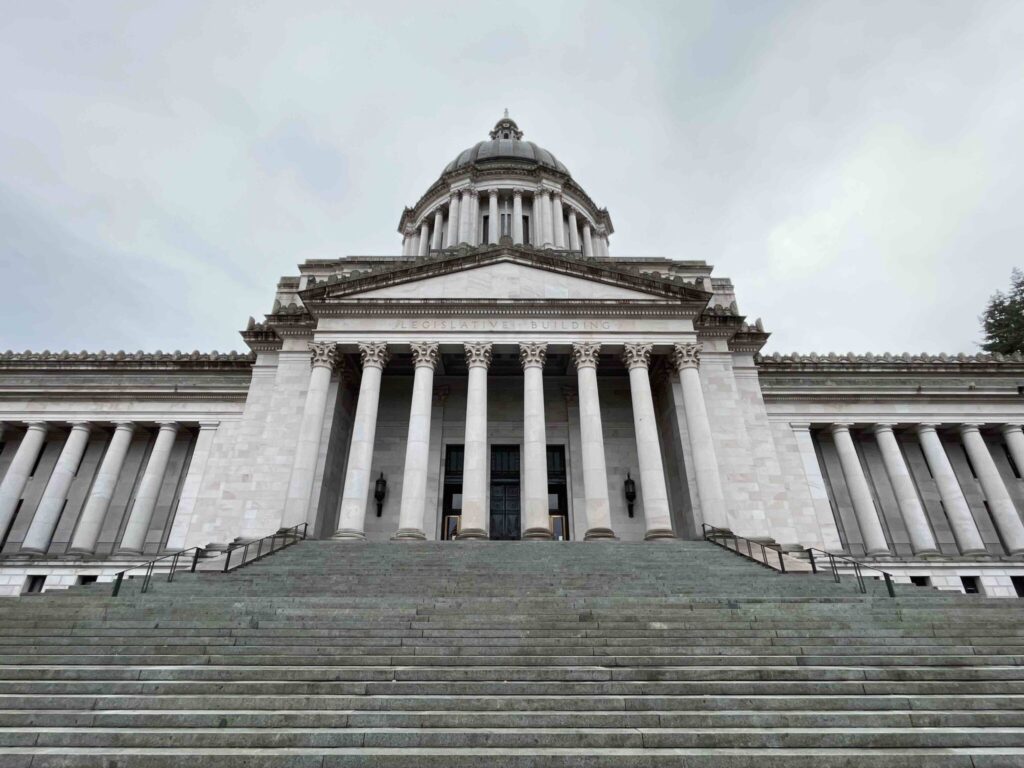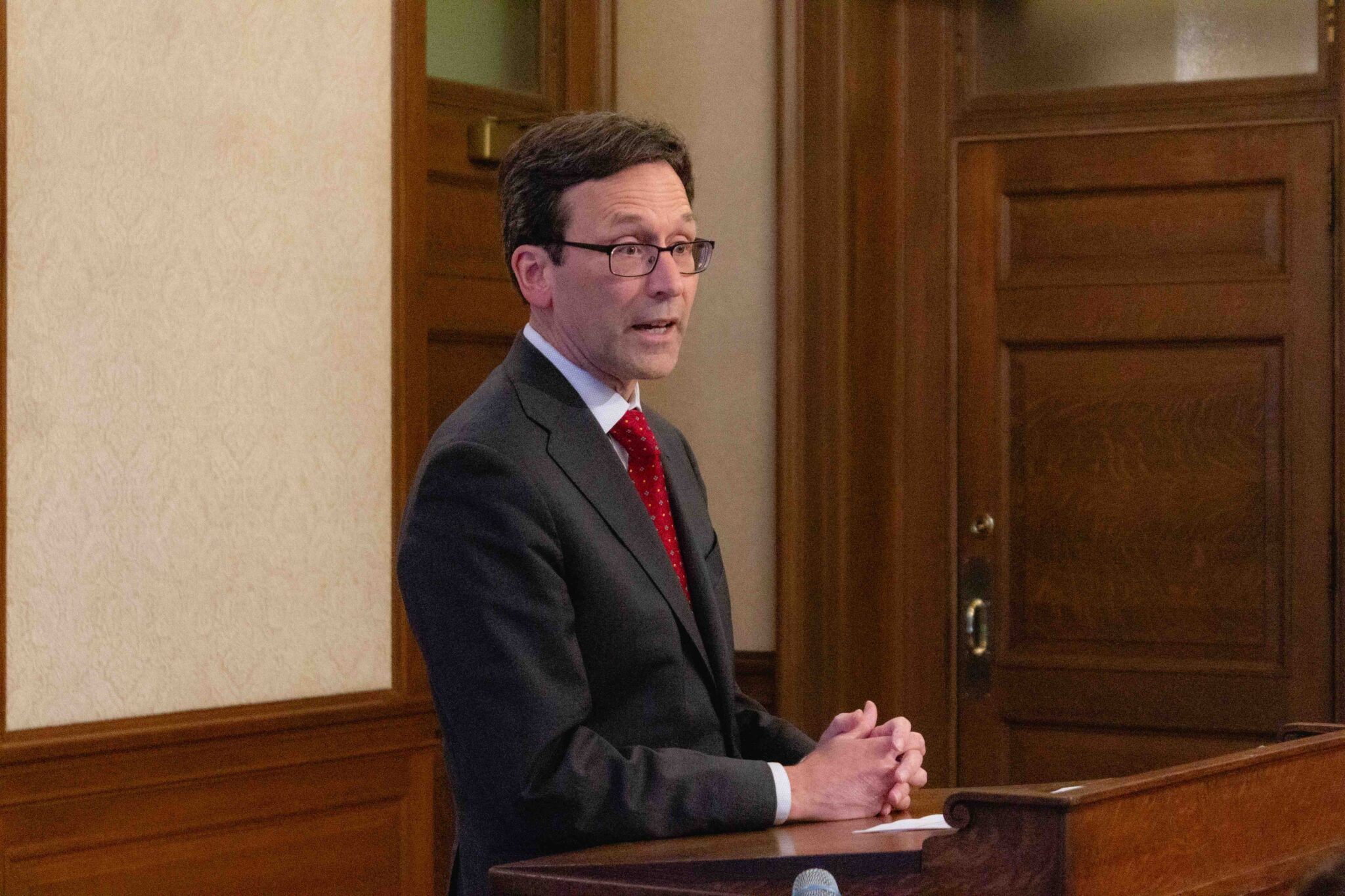
Washington Gov. Bob Ferguson proposes using reserve funds, climate law revenues, and spending cuts to address a $2.3 billion budget shortfall without raising taxes, while also supporting increased spending on public services and infrastructure. The plan includes controversial moves like redirecting climate auction proceeds and making across-the-board cuts to education and government programs, with Republican critics dismissing it as accounting tricks.
Washington Governor Bob Ferguson supports a proposed 9.9% income tax on residents earning over $1 million, aiming to raise $3 billion annually starting in 2029, contingent on legal approval and voter support, with plans to use the revenue for tax credits, education, and small business relief.
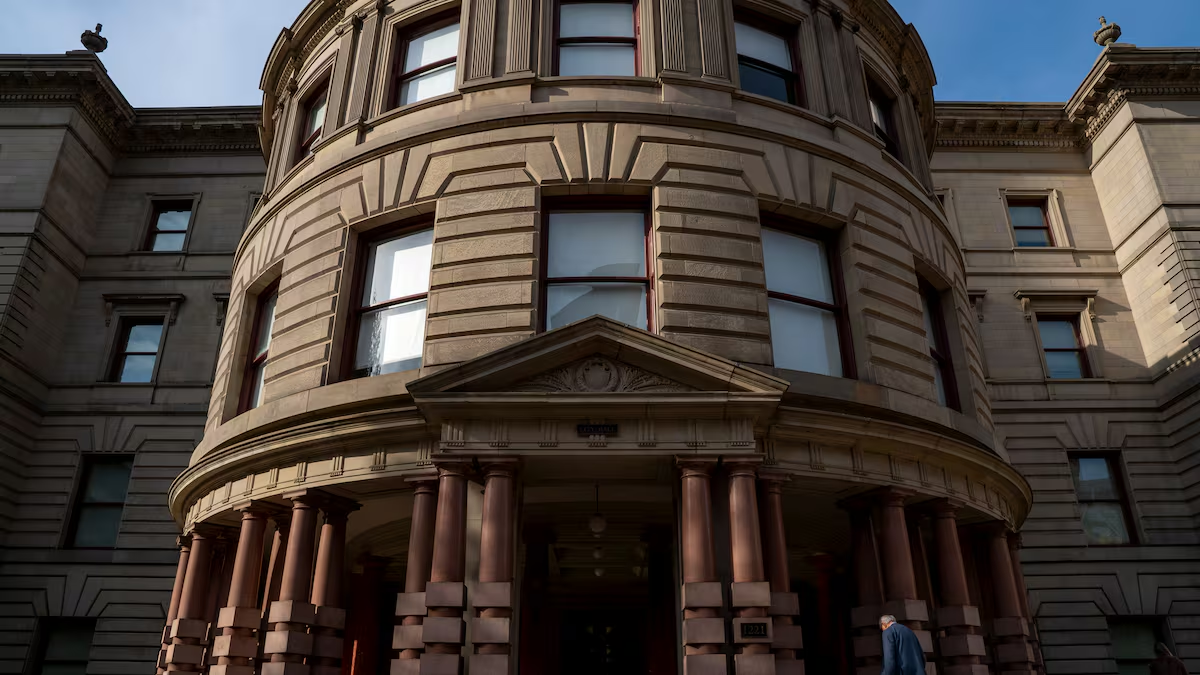
Portland faces a projected $67 million budget shortfall next year due to federal tax cuts, stagnant growth, and rising expenses, with city officials preparing for potential cuts amid ongoing financial challenges.
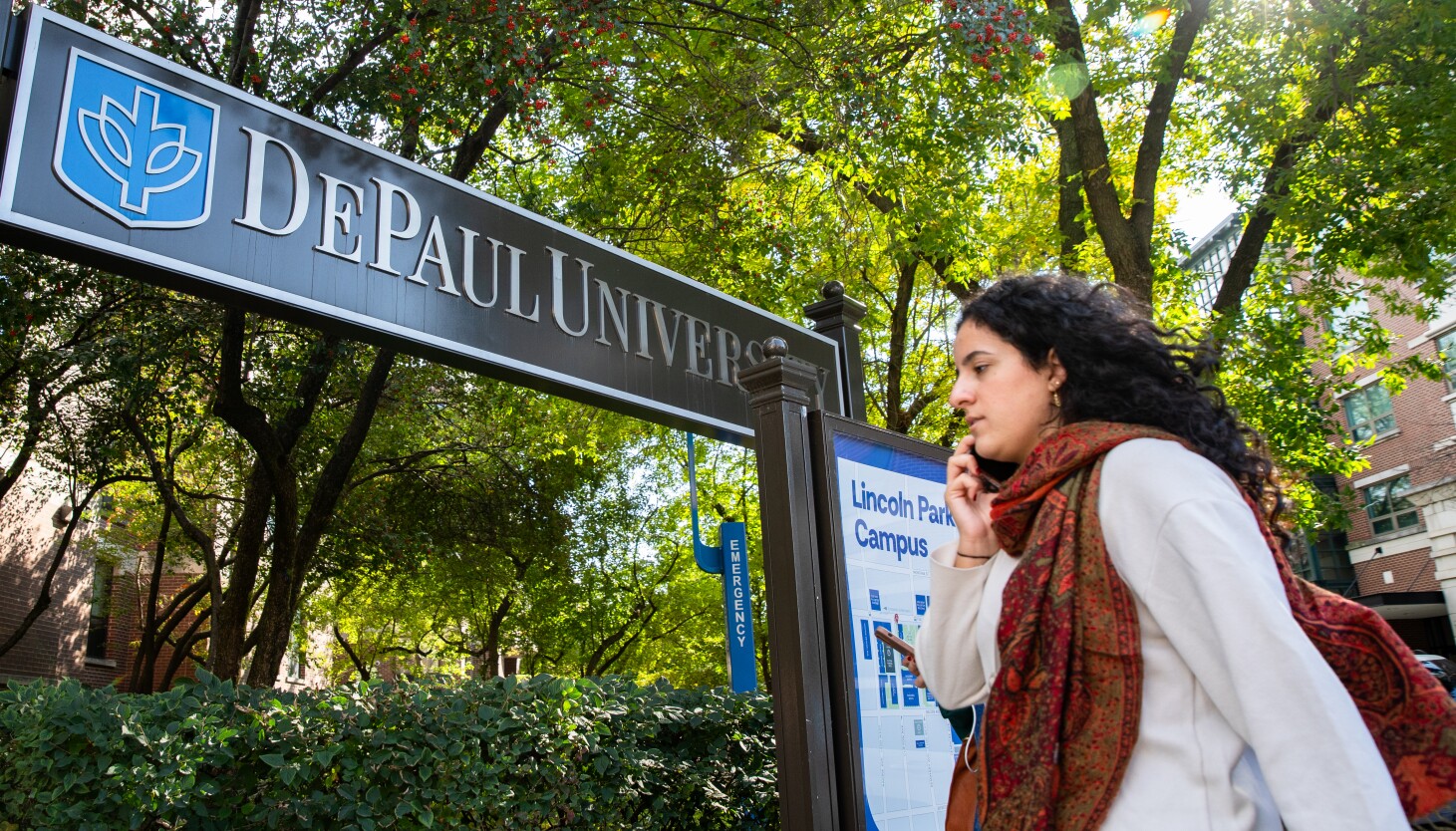
DePaul University laid off 114 staff members due to a budget shortfall caused by rising costs and a significant drop in international graduate student enrollment, and is implementing a strategic plan to address financial challenges and invest in future initiatives.
Chicago Mayor Brandon Johnson proposes reviving a head tax on companies with over 100 employees to help address a $1.2 billion budget shortfall, sparking concerns from businesses about potential job losses, amid a series of new and reinstated taxes aimed at increasing city revenue.
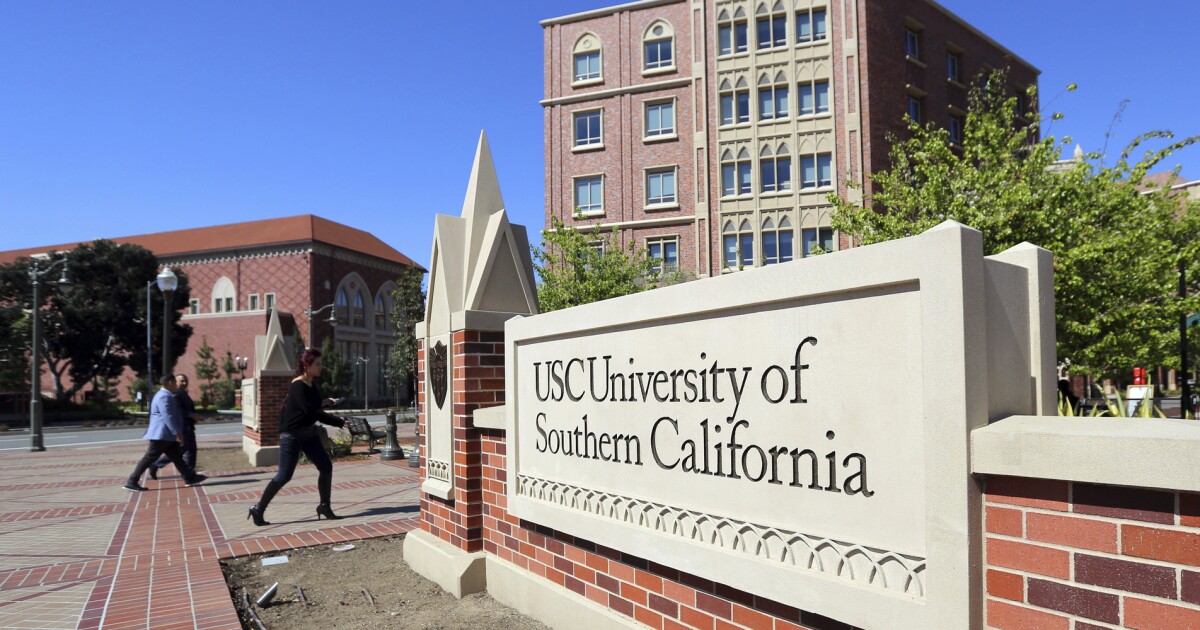
USC rejected the Trump administration's offer for preferential federal funding in exchange for adopting conservative policies, citing concerns over academic freedom and values, amid a significant budget shortfall and recent financial challenges.
PBS has laid off 34 staff members and eliminated nearly 100 positions due to the loss of federal funding following congressional budget rescissions, leading to significant operational and staffing cuts amid ongoing financial challenges for public media.
Colorado is the first blue state to address a significant budget shortfall through a combination of tax increases, selling tax credits, reallocating funds, and proposing mid-year budget cuts, with political debates over fiscal management and the impact of federal funding.
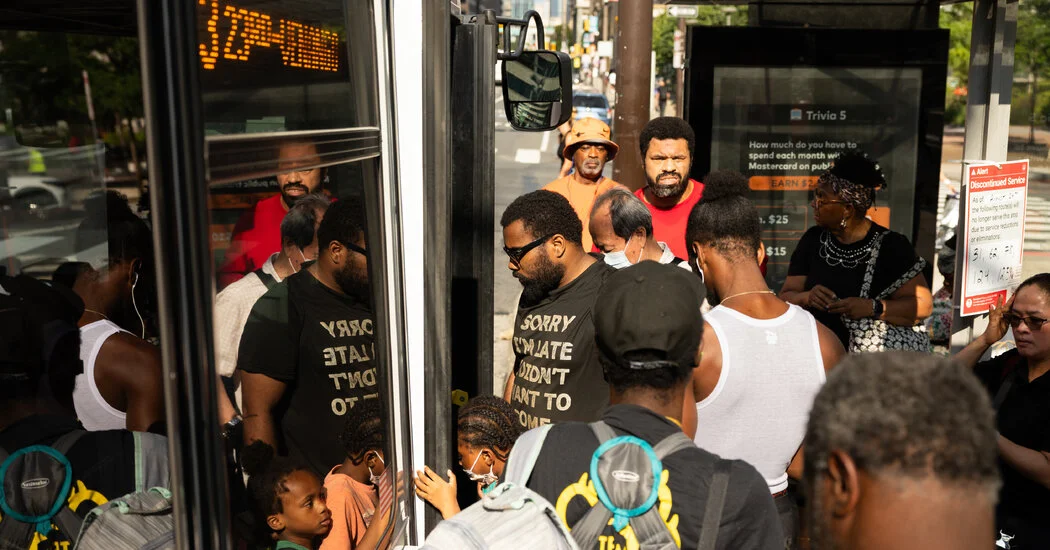
Philadelphia's transit authority, SEPTA, has implemented a 20% service reduction due to a budget shortfall, leading to longer travel times, crowded buses and trains, and increased congestion, with further cuts expected if funding issues remain unresolved.
Amid ongoing layoffs and budget cuts, Denver's city council plans a $26,000 retreat for team building, which was scheduled before the city revealed its financial struggles. The retreat, held at a facility with extensive amenities, is intended to improve council collaboration despite the timing and cost concerns.
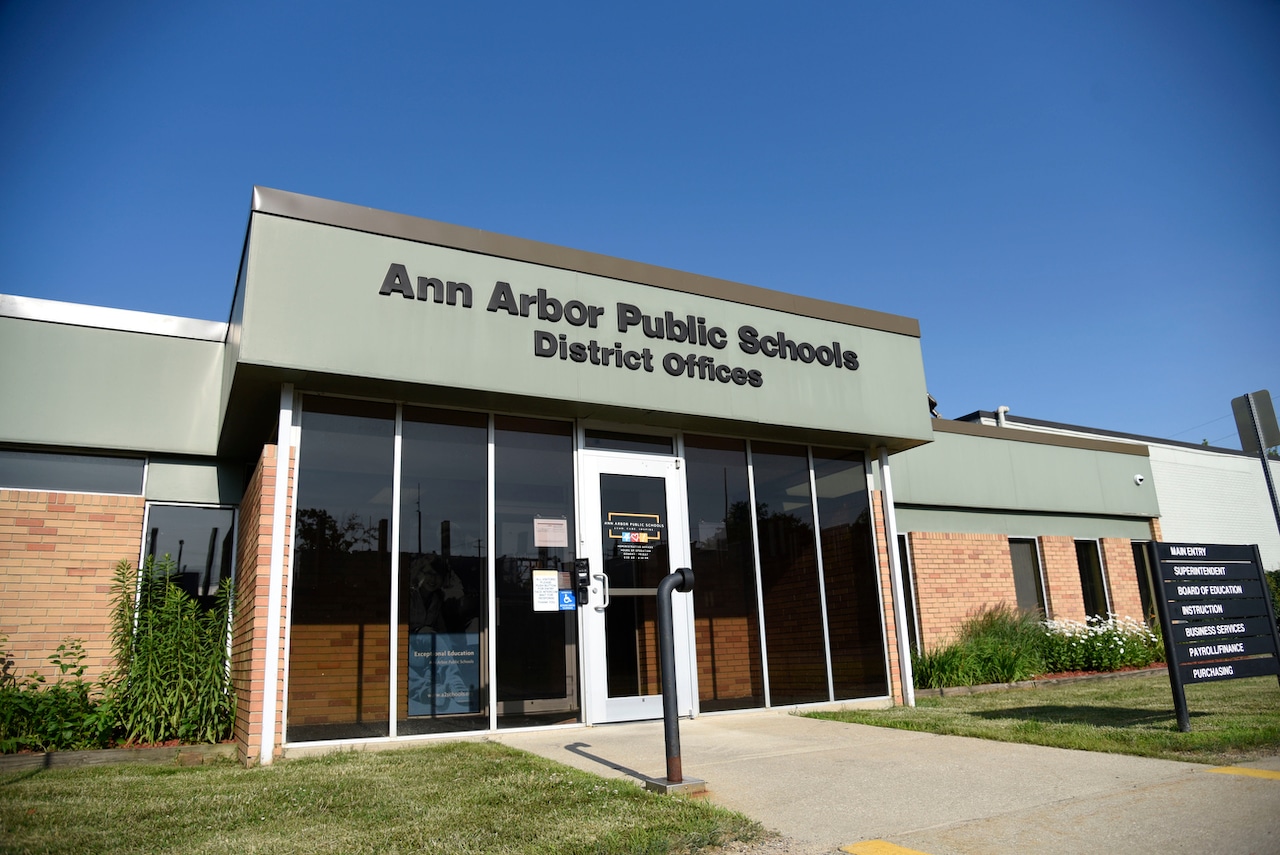
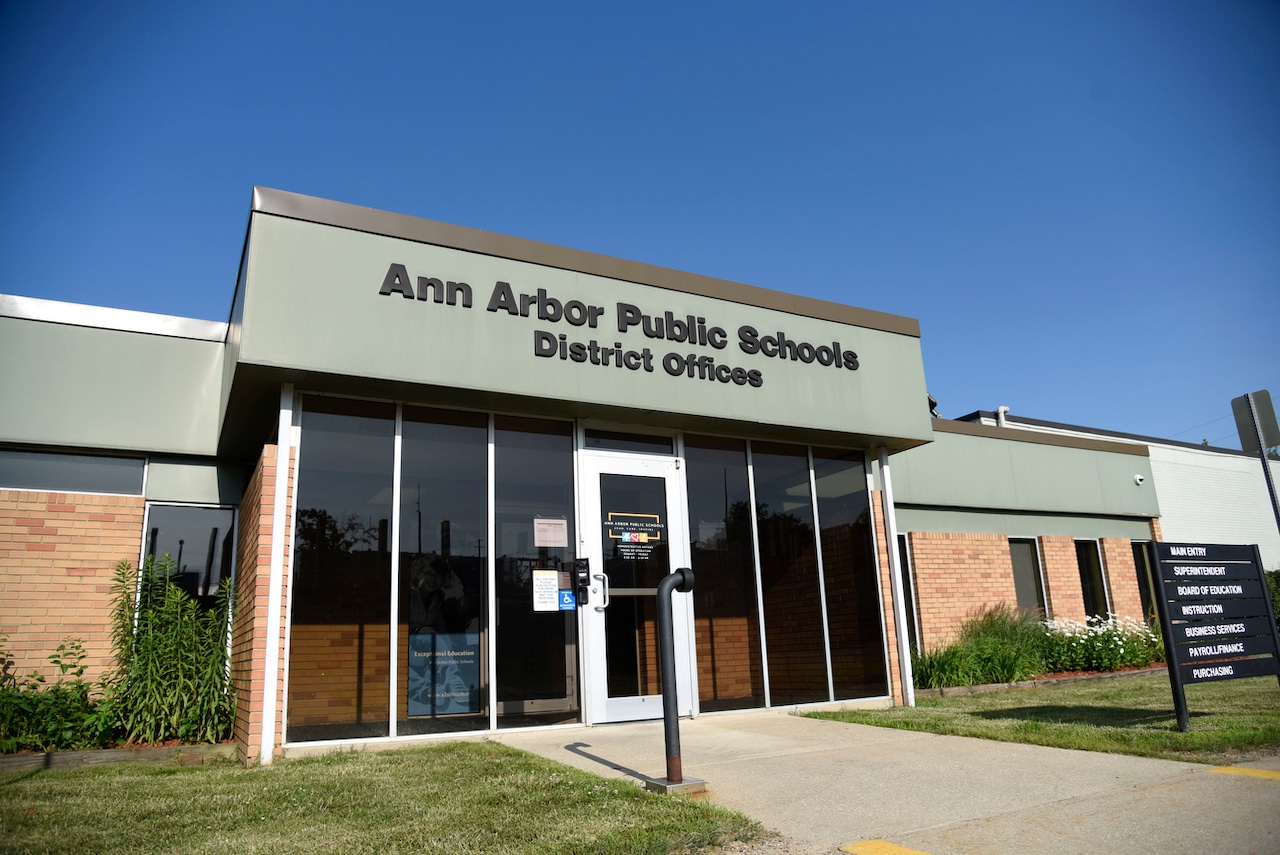
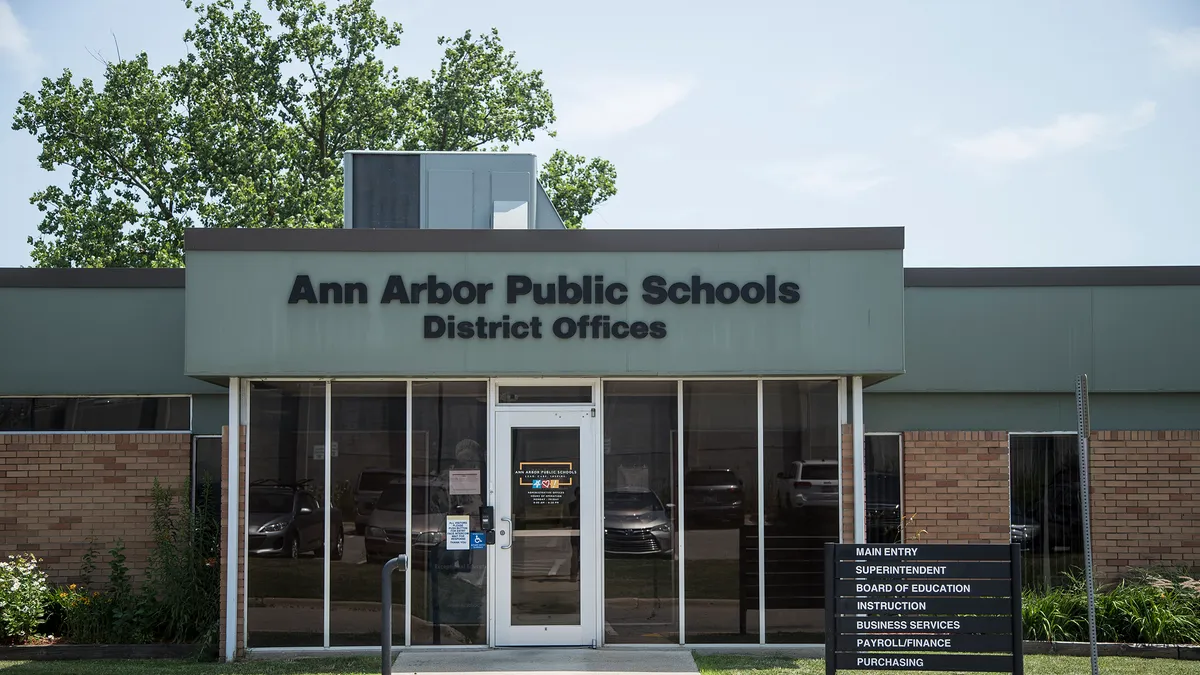
The Ann Arbor School Board has approved staff layoffs as a measure to address a projected $25-million budget shortfall, just days before a corrective action plan is due to the state. The majority of the district’s remaining bargaining units will be affected by the layoffs, which were approved by a 4-3 vote, with three board members voting against the motion.
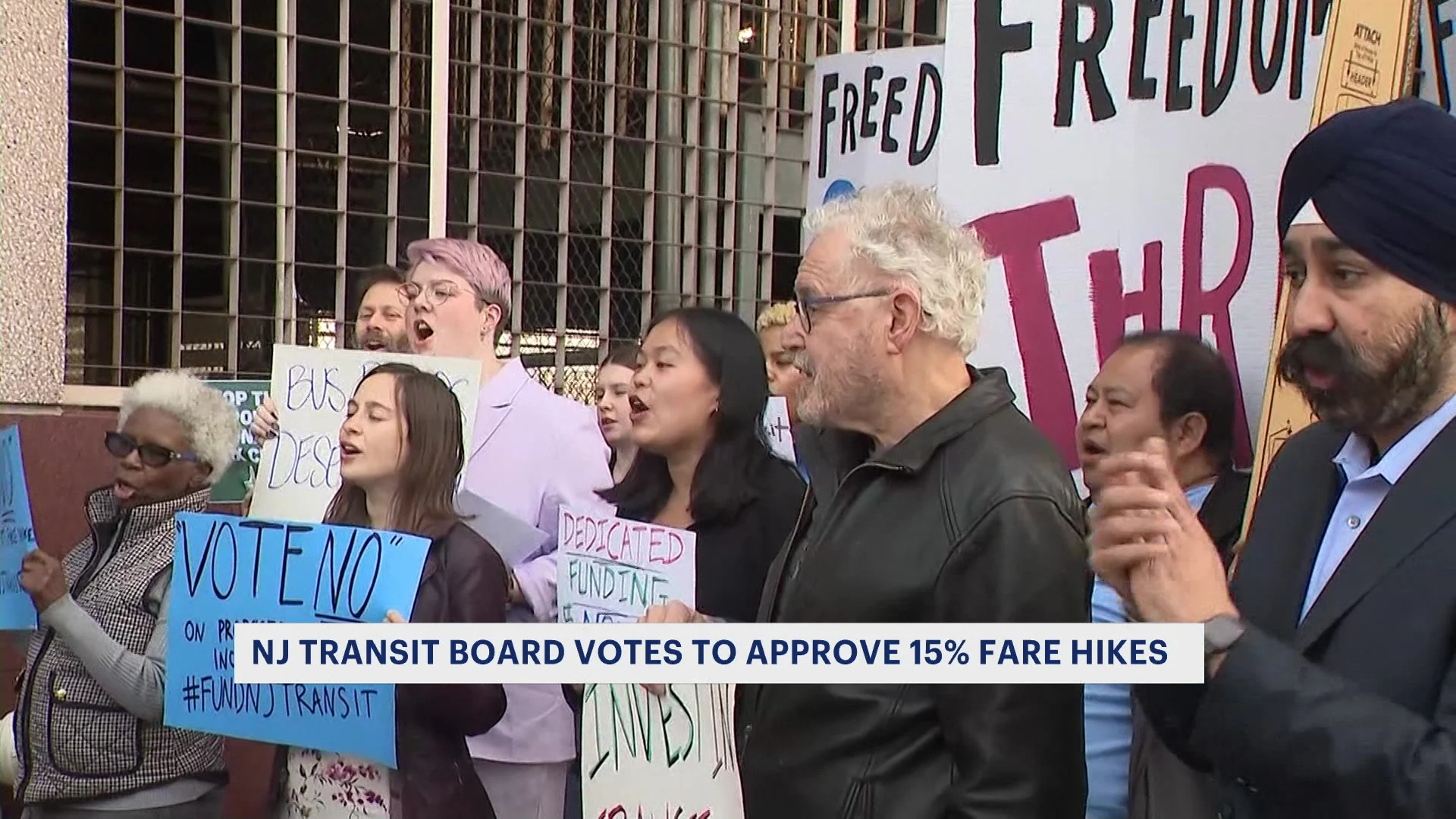
NJ Transit officials have approved a 15% fare increase for train and bus commuters, set to take effect on July 1, with potential 3% increases annually thereafter. The decision, made in response to a $120 million budget shortfall for the year and nearly $1 billion shortfall by 2025, was met with opposition from the public and criticism from New Jersey state Senate Republican Leader Sen. Anthony Bucco, who accused the Murphy administration of betraying its promise to make New Jersey more affordable. Officials cited the fare hike as an alternative to service cuts and called for more funding from Gov. Phil Murphy and the Legislature.
The Ann Arbor School Board has voted to issue layoff notices to members of the Association of School and Community Service bargaining unit as part of efforts to address a projected $25-million budget shortfall. The decision comes after a decline in student enrollment, an increase in staff positions, and recent raises for teachers contributed to the deficit. The board aims to provide affected employees with more time to plan for potential job loss, but some members expressed a desire for additional input and information before issuing layoff notices.
Ann Arbor Public Schools is facing a $25 million budget cut for the next school year, leading to anticipated staff layoffs due to a shortfall discovered in an audit. The district attributes the challenges to an increase in staff, a decline in school enrollment, and recent raises for teachers and staff members. Interim Superintendent Jazz Parks stated that the cuts will begin at the central office and administrative positions, and the district is expected to make staff and program reductions despite efforts to address the budget challenge. This situation reflects a broader trend of budget woes in school districts across the country as federal pandemic relief aid diminishes and school enrollment declines.
U.S. Immigration and Customs Enforcement (ICE) is considering releasing thousands of migrants from detention due to a budget shortfall, with the potential release of 4,000 to 6,000 migrants. The Biden administration had requested additional funding for ICE operations, including deportations and detention beds, but Congress has not approved the funds. The budget shortfall also threatens to undermine ICE's efforts to deport migrants and affects other parts of the immigration system, including border surveillance technology and processing legal immigration benefits.