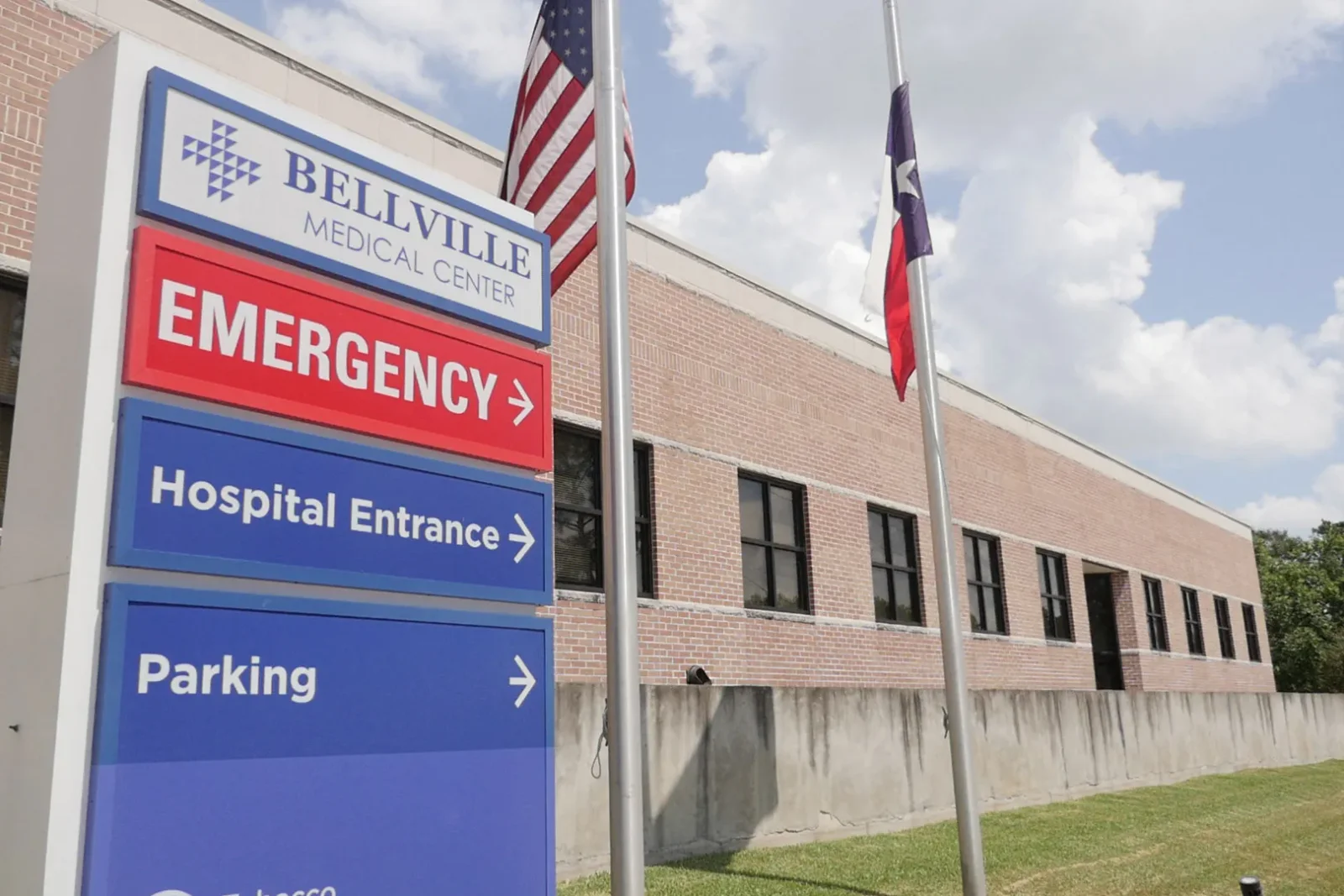
As federal Obamacare subsidies expire, some states like New Mexico are covering the costs, while others like Georgia refuse, leading to potential coverage gaps and increased premiums, especially impacting rural hospitals and uninsured populations. States are debating whether to fill the gap themselves, with some viewing it as a matter of life or death.
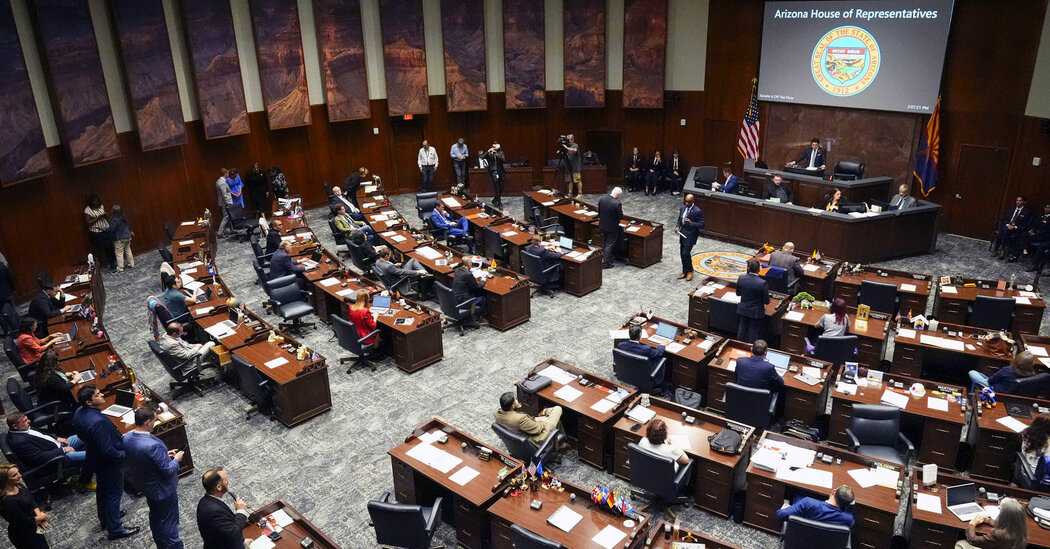
Blue-state leaders are considering special legislative sessions to address significant financial shortfalls caused by President Trump's new law, which cuts Medicaid and food aid benefits, shifting costs to states and risking coverage for millions, especially in rural areas and states that expanded Medicaid.
States are preparing for significant financial and administrative challenges following President Trump's signing of a new domestic policy law, which shifts federal responsibilities for health care, food aid, and other programs onto them, potentially leading to budget shortfalls, program cuts, and increased administrative burdens.
Senate Republicans are considering adding a provision to President Trump's tax bill that would significantly cut federal Medicaid funding for new beneficiaries in states that expanded Medicaid under the ACA, potentially impacting hospitals and state budgets, though the proposal faces obstacles and is no longer under active consideration according to some senators.
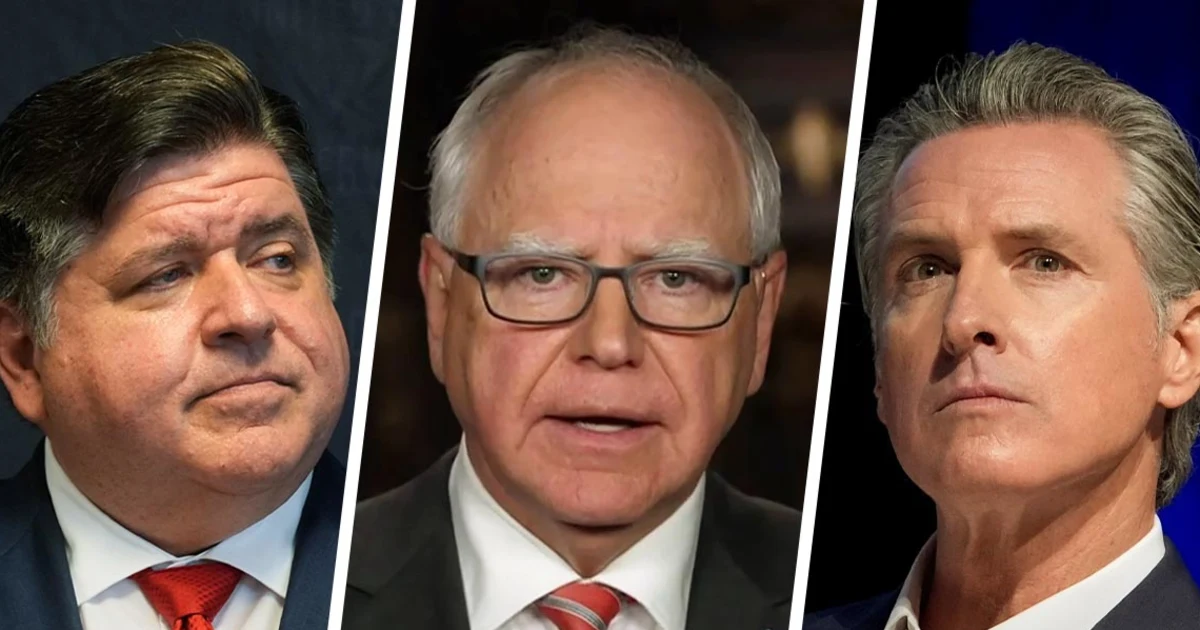
Democratic governors in California, Illinois, and Minnesota are moving to cut or freeze state-funded healthcare for undocumented immigrants due to budget shortfalls and broader immigration debates, risking backlash from progressives and immigrant advocates amid national political tensions.
Oregon Governor Tina Kotek has started talks with state lawmakers to end a three-week-long boycott led by Republican senators that has delayed progress on over 100 bills, including Democratic measures on sex reassignment and abortion. The boycott began on May 3 and is reportedly the longest in Oregon history. Both the Senate and House must approve state budgets for the next two years before the legislative session ends on June 25. The governor has not ruled out ordering the Oregon State Police to bring the boycotters to the Senate floor to reach a quorum in the 30-member chamber.
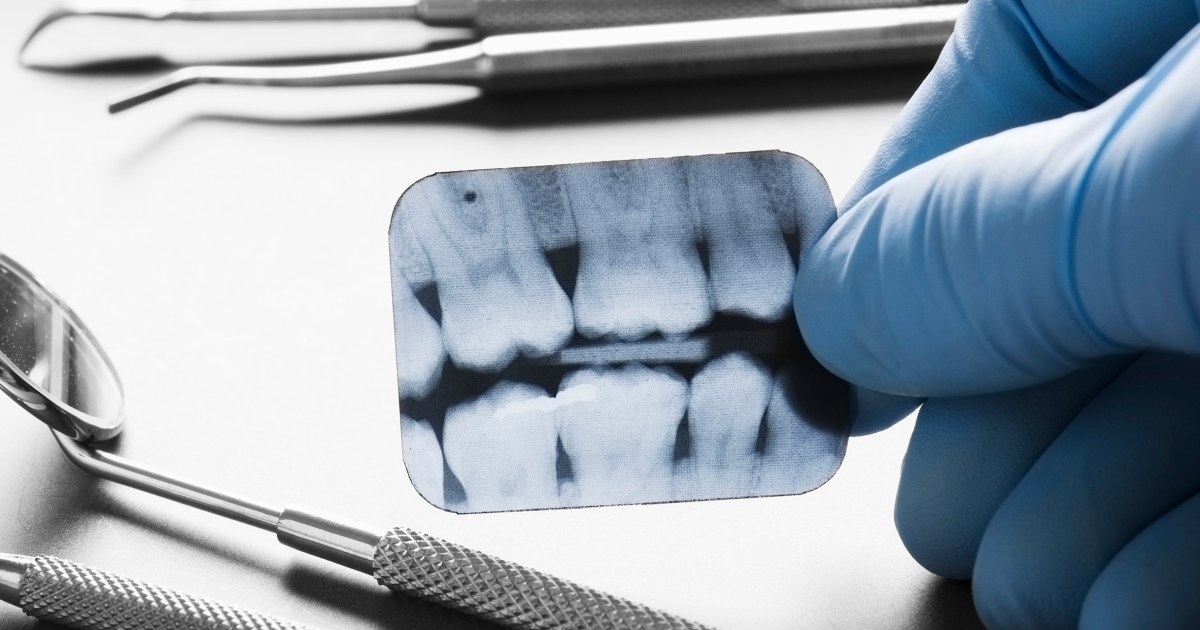
More than 14 million adults across the United States who receive Medicaid are at risk of losing dental health coverage now that the Covid public health emergency is over, according to data exclusively obtained by NBC News. The emergency declaration did not allow states to remove enrollees from the program during the pandemic, which caused programs to expand precipitously over the past three years. About 14.2 million people, or 28% of adults currently enrolled in Medicaid, will also lose their dental health coverage, according to the data compiled by CareQuest Institute for Oral Health, a think tank dedicated to oral health in the country.