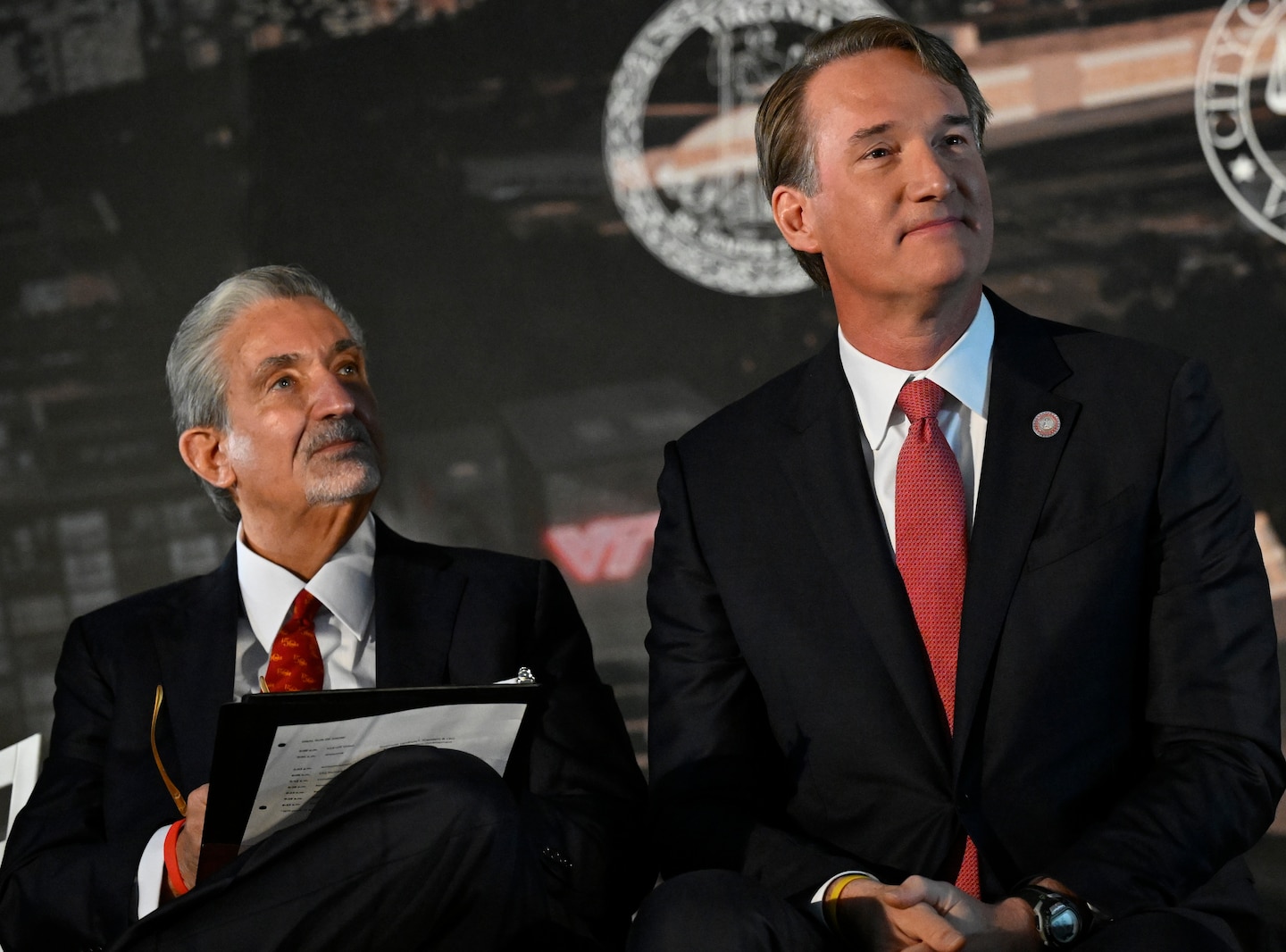
Oregon Democrats are reconsidering their major transportation funding bill, HB 2025, amid internal disagreements, political drama, and uncertain support, with the bill facing potential amendments and delays as lawmakers grapple with its controversial tax increases and legislative conflicts.
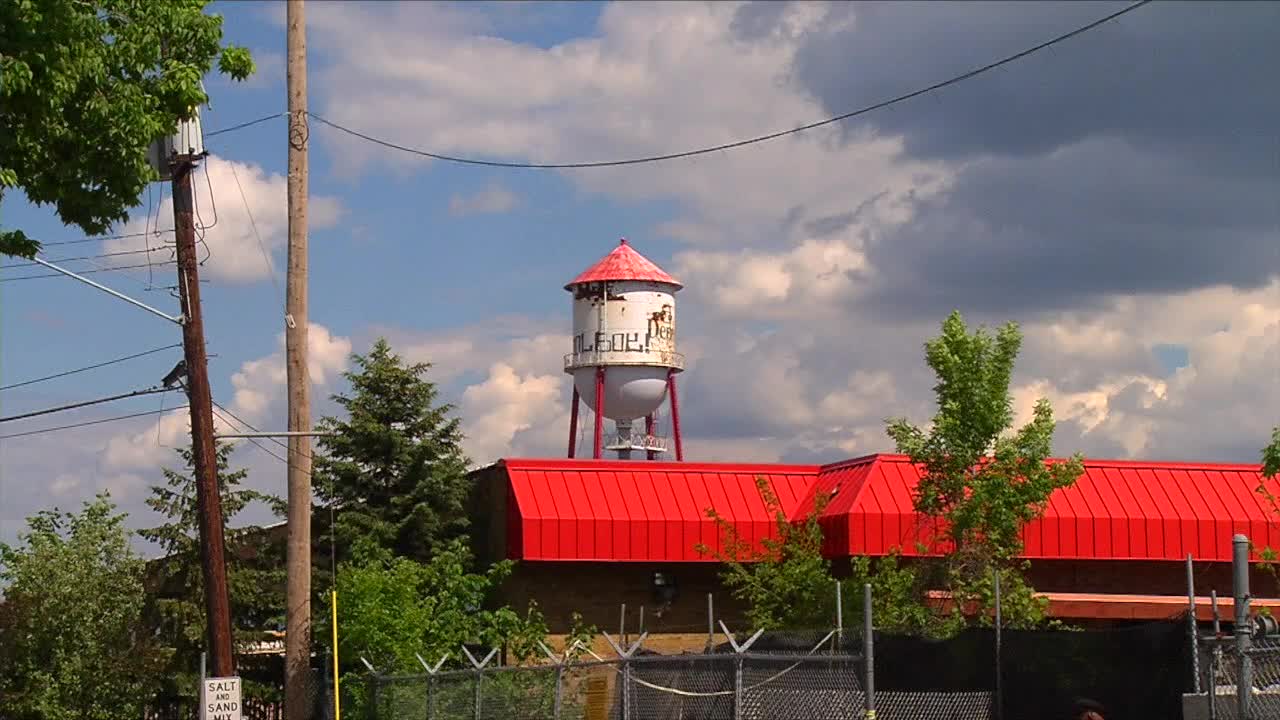
The 2024 legislative session ended without securing millions in state funding needed for a community-led project to transform the former Roof Depot site in Minneapolis into an urban farm. Despite the setback, community leaders and local officials remain optimistic about finding alternative funding solutions to finalize the project by mid-July.
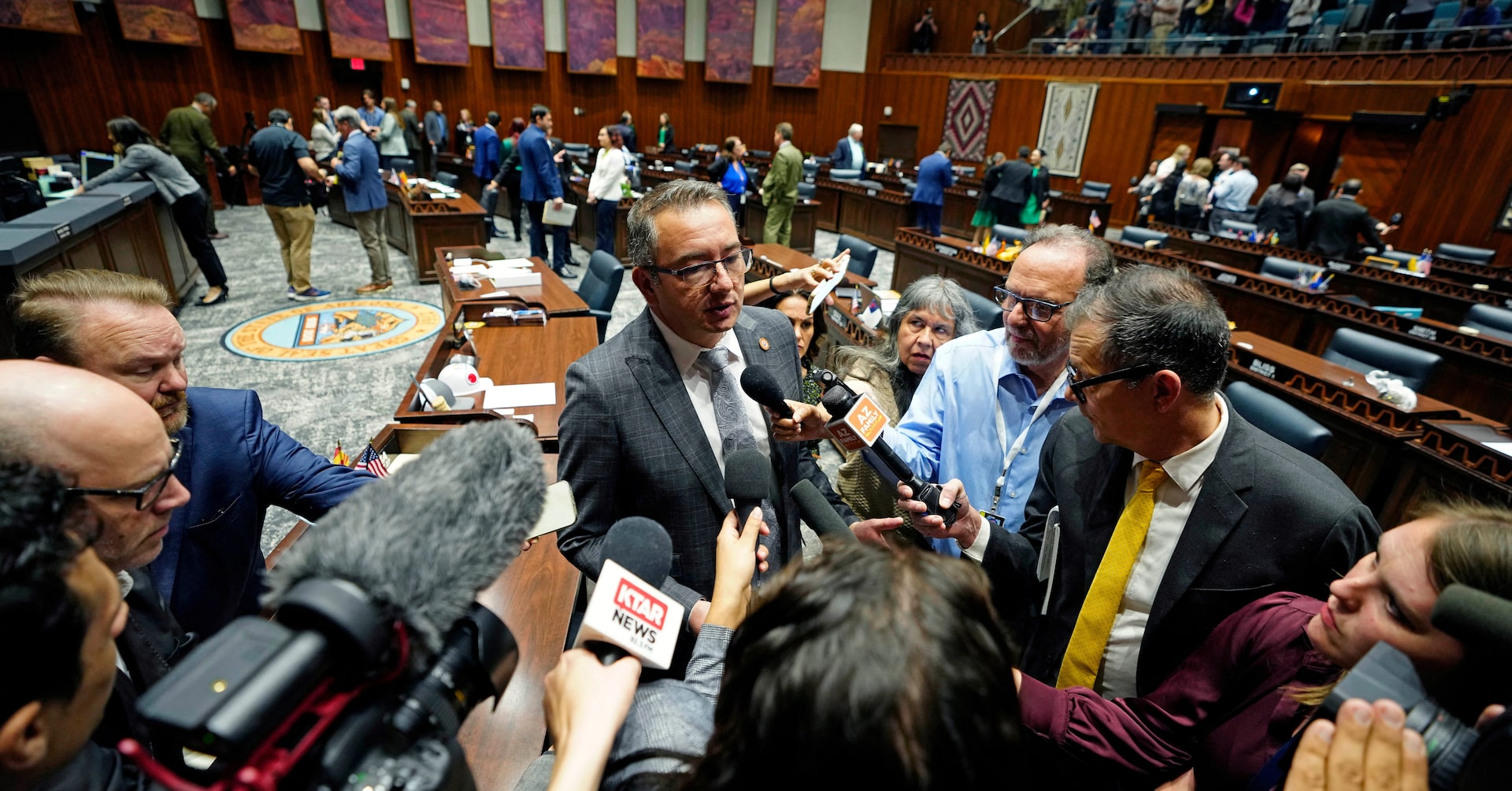
Arizona House Democrats attempted to repeal an 1864 ban on abortion but failed to secure enough Republican support, deadlocking 30-30 in four votes. Democratic Governor Katie Hobbs criticized Republicans for upholding the law and vowed to continue pushing for its repeal. A similar attempt is underway in the state Senate, where Republicans hold a narrow edge. Democrats are also seeking a ballot measure to restore abortion rights, hoping to energize voters in the closely divided state. If not repealed, the old law could take effect within 60 days, imposing prison sentences for inducing abortion.
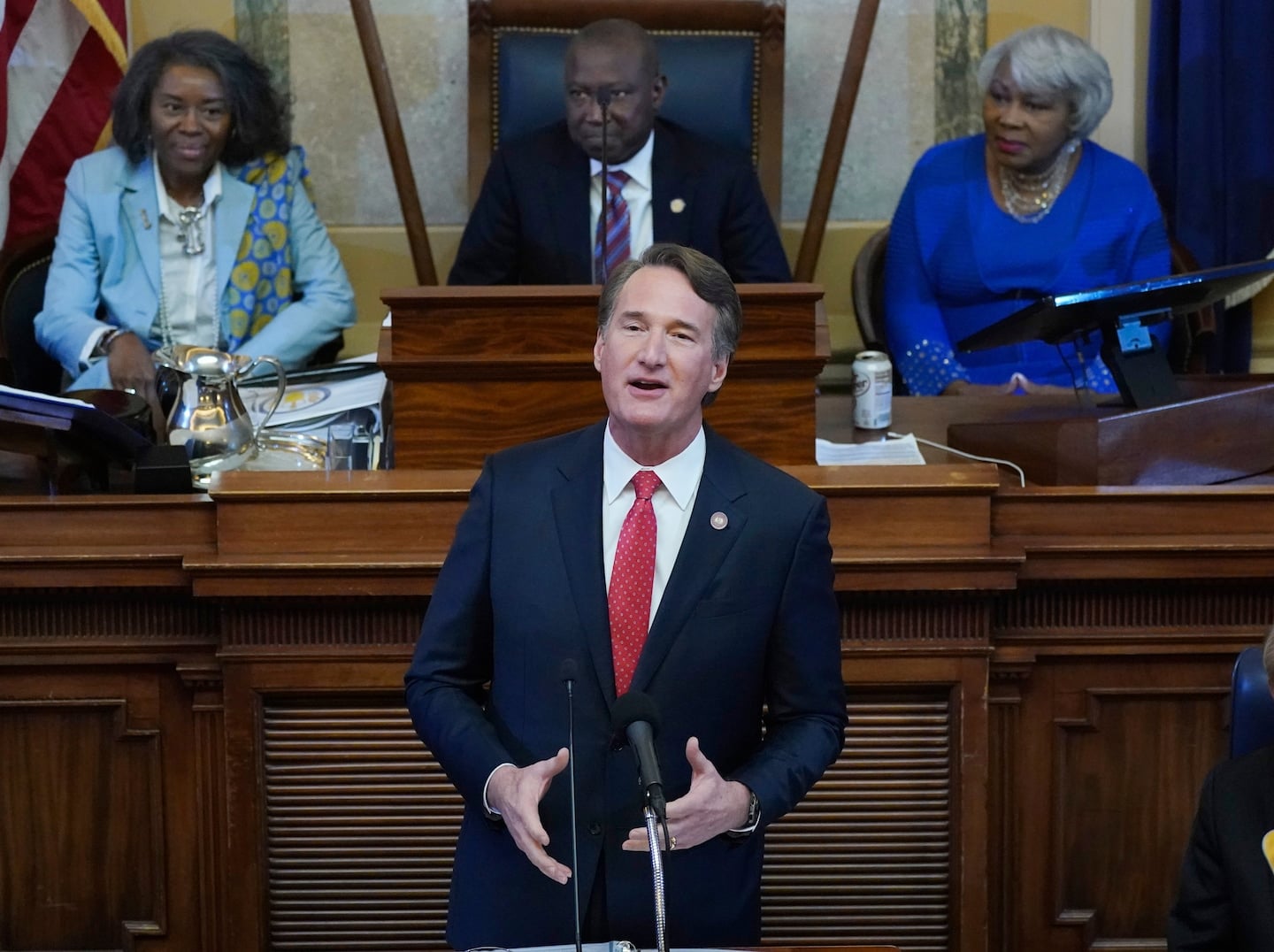
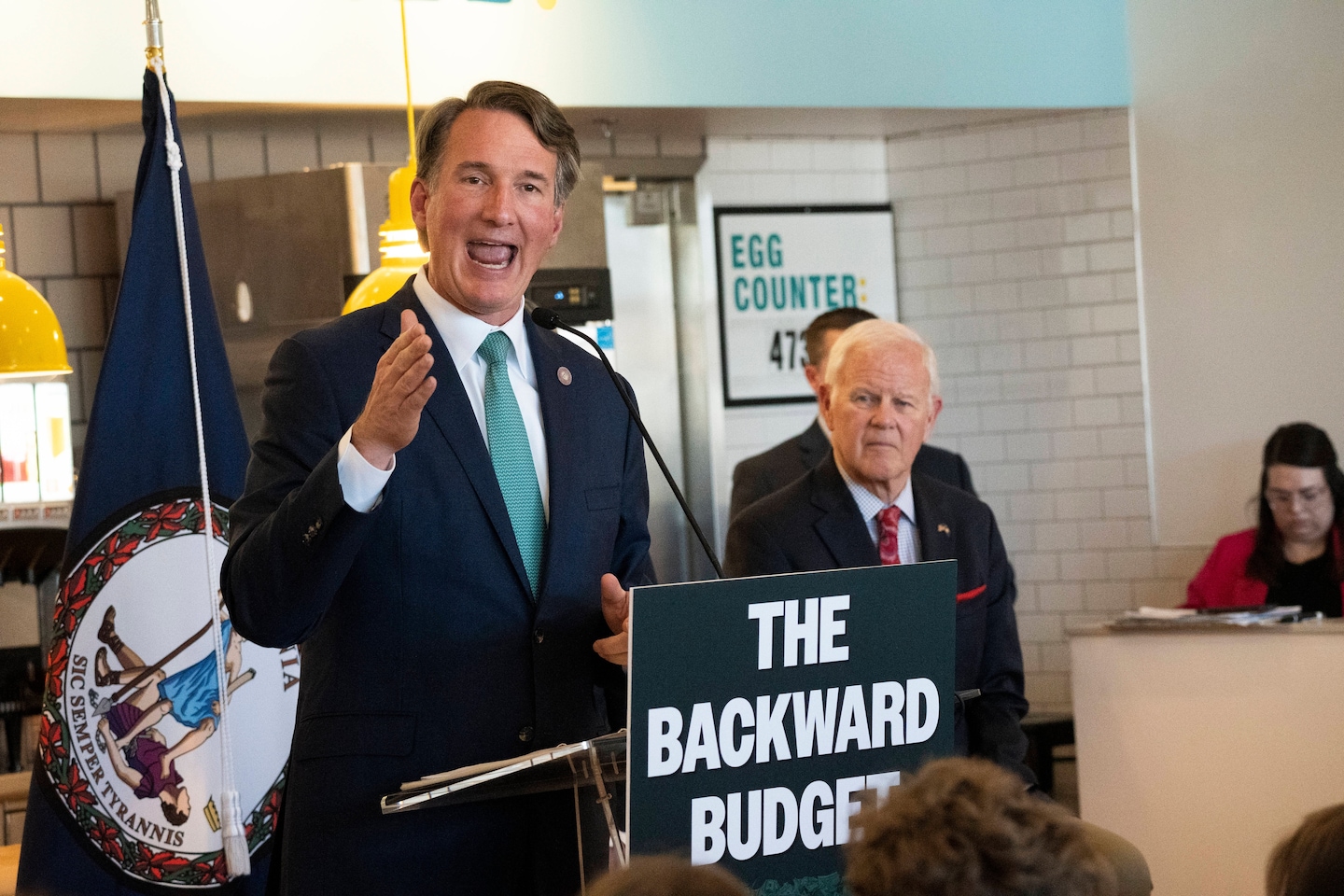
Virginia Governor Glenn Youngkin and state lawmakers have agreed to set aside the current budget plan and work towards a new budget document next month, averting a potential crisis. The bipartisan agreement aims to avoid a showdown over taxes and spending priorities, with plans to reject all of Youngkin's proposed budget amendments and then procedurally kill the underlying document. A special legislative session is expected to be held in mid-May to finalize the budget process well before the June 30 deadline.
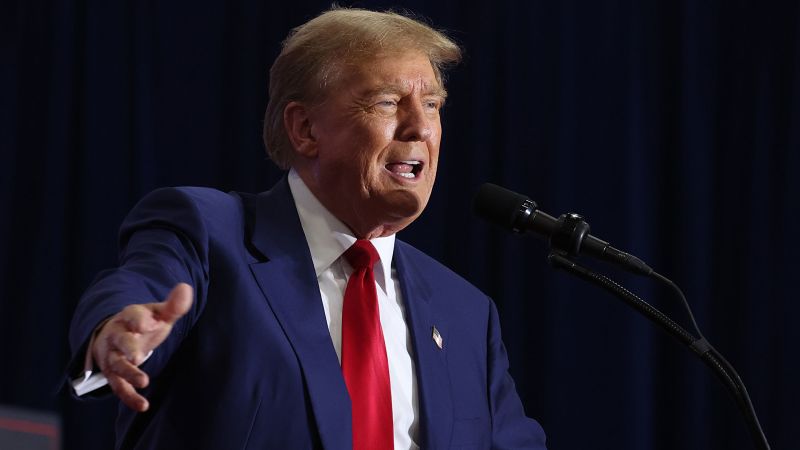
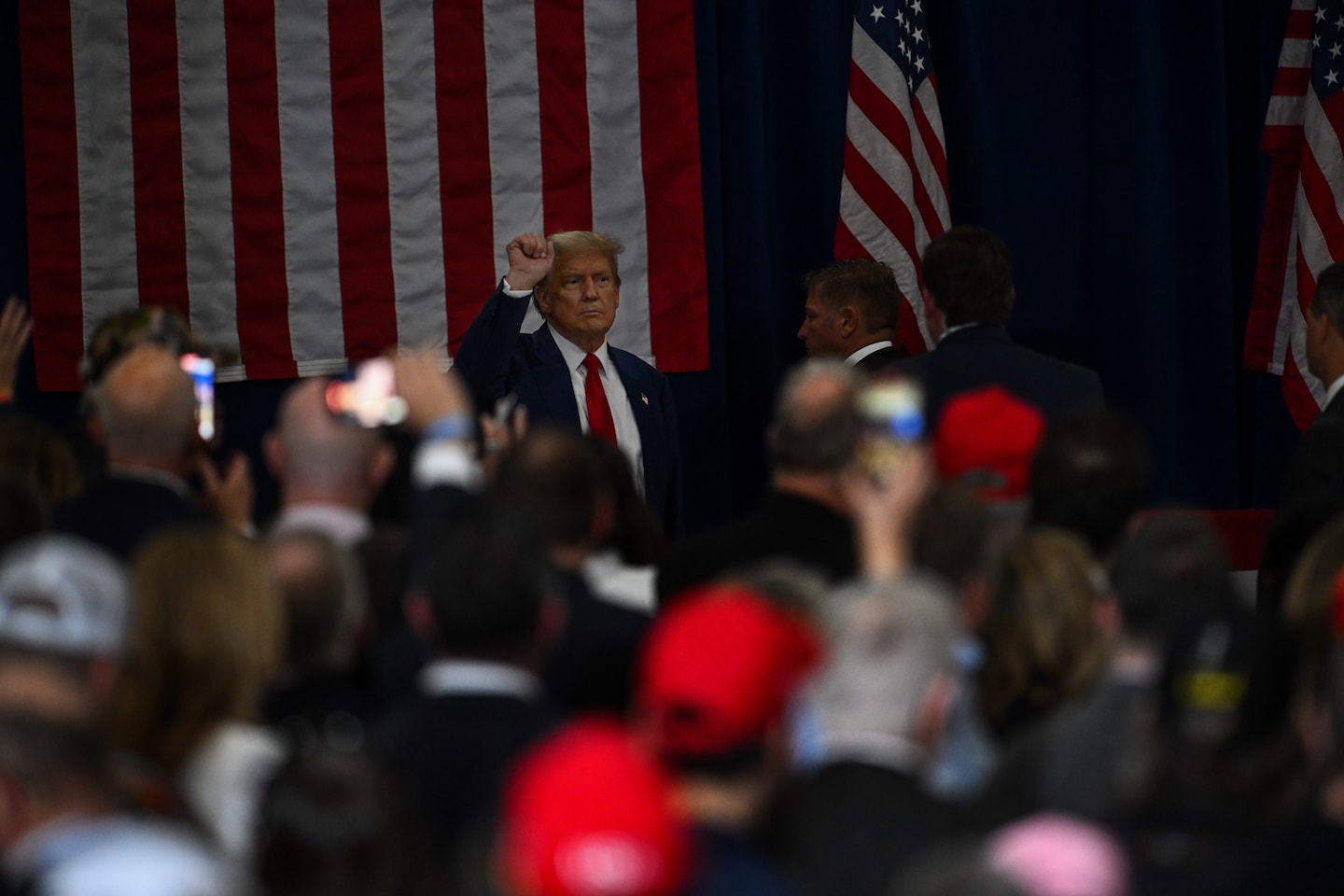
Nebraska legislators rejected a late effort to change the state's Electoral College vote allocation to a winner-take-all system, despite pressure from former President Donald Trump. The proposal, which would likely benefit Trump, failed in a procedural vote and faces serious hurdles as the legislative session nears its end. The current system allocates three of the state's five electoral votes based on congressional district wins. Efforts to change the allocation have attracted attention from both Republican and Democratic figures, with the fate of the proposal remaining uncertain.
Former President Donald Trump and his allies are pressuring Nebraska lawmakers to change the state's method of allocating electoral college votes from a split system to a winner-take-all approach, just weeks before the legislative session ends. The sudden push, which caught Nebraska Republicans off guard, has sparked a debate in the State Capitol, with the governor and prominent Republicans supporting the change. However, the speaker of the Legislature has indicated that the bill was not prioritized and remains in committee, and it's uncertain whether pressure can change this view. The proposed change could have significant implications for the 2024 presidential election, as Nebraska's unique electoral vote system could become critical in a close race for 270 electoral votes.
Nebraska state lawmakers are facing a push, supported by former president Donald Trump and his allies, to change the state's electoral vote system from a division of votes to a winner-take-all approach. This move could potentially impact the national electoral college outcome in a close race. The proposal, which has been languishing, has gained momentum after Trump and his supporters endorsed it, prompting speculation about its potential impact on the state's legislative session, which ends on April 18. Democrats are preparing to oppose the bill, but the situation remains fluid as the legislature nears its deadline.
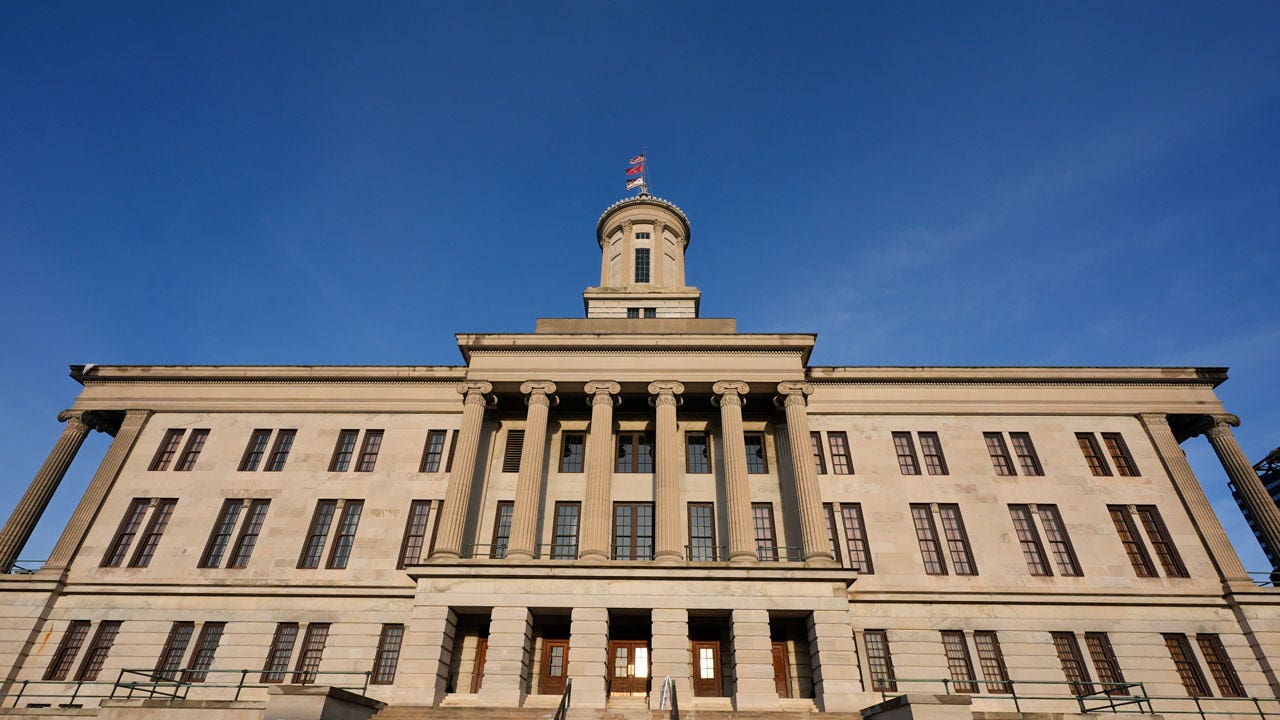
Tennessee lawmakers are at odds over a school voucher bill, with the House and Senate proposing different versions of the legislation. Governor Bill Lee is aiming for a compromise before the end of the legislative session. The House version costs $500 million and includes provisions to strengthen K-12 public schools, while the Senate version is half the cost and focuses on establishing the Education Freedom Scholarship Act and inter-county school enrollment. Lawmakers are divided on the bill's provisions, with the Senate prioritizing families and the House emphasizing fiscal management.
Governor Glenn Youngkin and Virginia lawmakers remain at odds over the state budget and the proposed $2 billion arena in Alexandria, with Senator L. Louise Lucas firmly opposing the project. Youngkin is considering bypassing Lucas's committee to push the arena proposal, but she and Delegate Luke E. Torian believe it lacks majority support in the legislature. The budget impasse could lead to a government shutdown, as Youngkin has not ruled out vetoing the entire budget. The governor's criticism of the budget and his focus on tax cuts have strained negotiations, with Lucas warning that she won't be bullied into compromising on spending plans or other legislation.
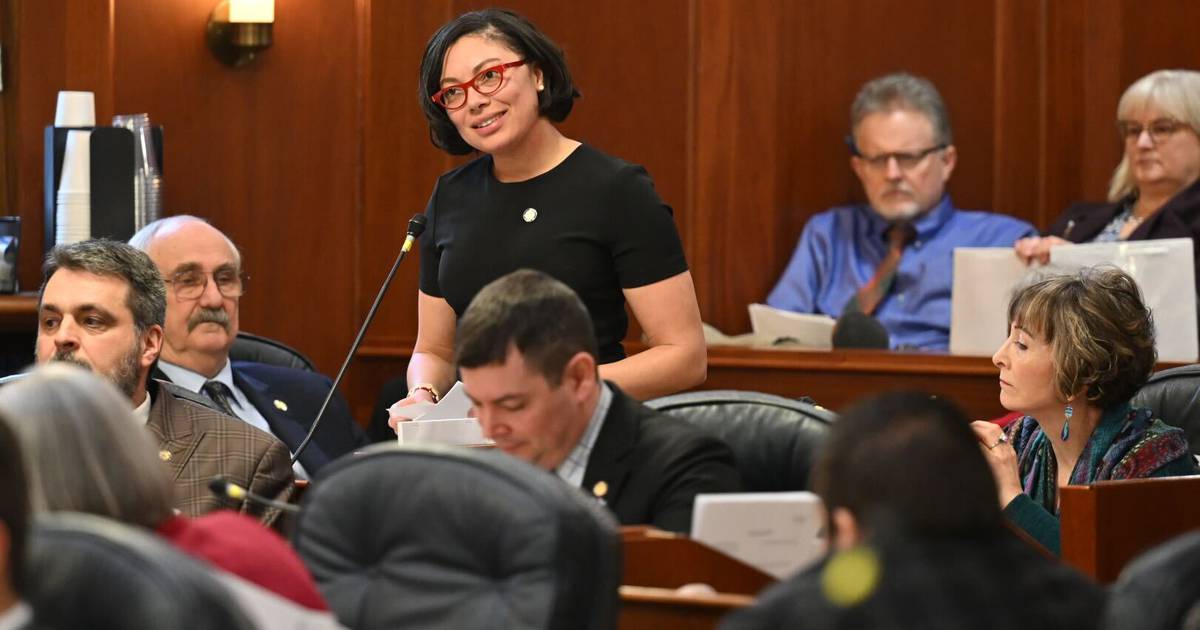
Alaska lawmakers fell one vote short of overriding Gov. Mike Dunleavy’s veto of a $200 million education funding bill, which included extra funding for public schools, home-schooled students, student transportation, and charter schools. The veto was sustained in a 39-20 vote, leading to concerns about potential school closures and layoffs. Lawmakers are now considering crafting another education bill that aligns with the governor’s priorities, but achieving further compromise is expected to be difficult.
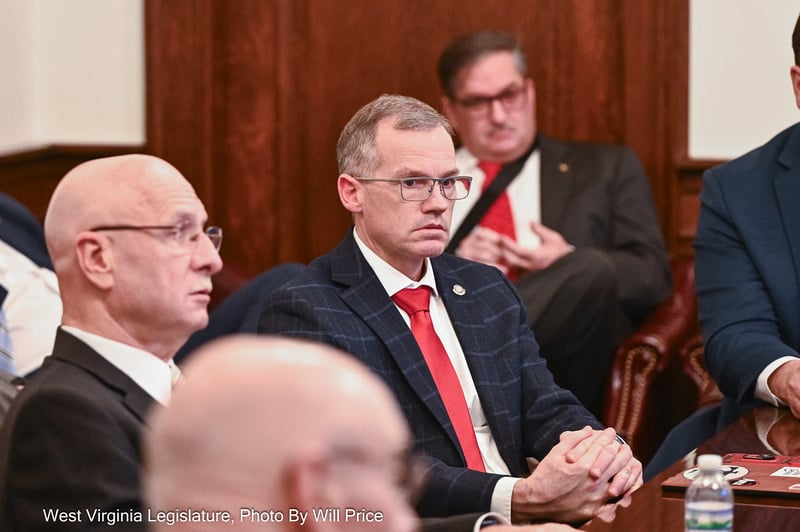
Several bills, including the "Women’s Bill of Rights," obscenity charges in libraries, the Crown Act, student discipline, and others, failed to pass during the legislative session in West Virginia. These bills covered a range of topics from gender affirming care to oversight for child abuse investigations and left lane driving. Despite passing in one chamber, many bills were stalled in committees or failed to make it to a final vote before the session's deadline.
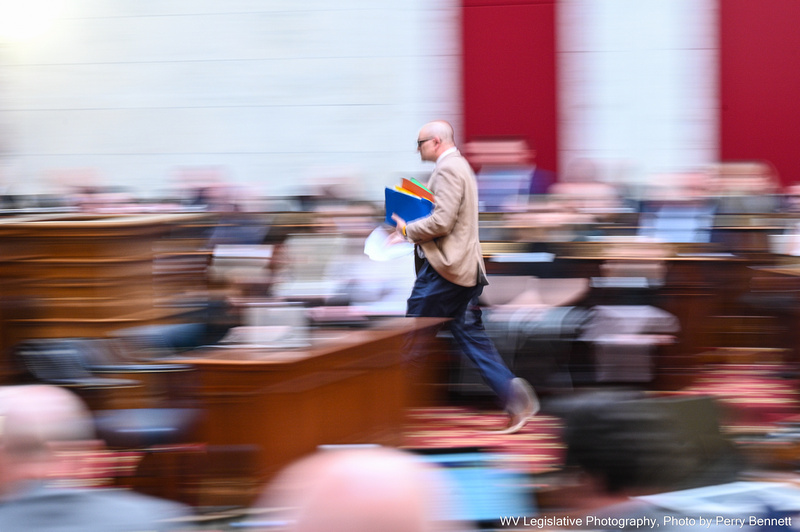
West Virginia lawmakers passed a $4.996 billion budget bill, including pay raises for state workers and a phase-out of state taxes on Social Security. The budget bill reflects average 5% pay raises for state workers through general revenue funds, and the phase-out of Social Security taxes would be implemented gradually over the next few years. The bills now await the governor's signature, and there is talk of a special session in May to address any remaining budget items.
Republican lawmakers in West Virginia have rejected the CROWN Act, which would have banned discrimination against Black hairstyles, citing potential costs for hair discrimination lawsuits. Advocates, including those who have experienced hair discrimination, expressed disappointment and frustration with the decision, while Democratic Sen. Mike Caputo criticized the move as a step backward. Despite efforts to address concerns about costs, the bill was removed from the Senate floor, leading to disappointment among advocates who had hoped for progress in the state.
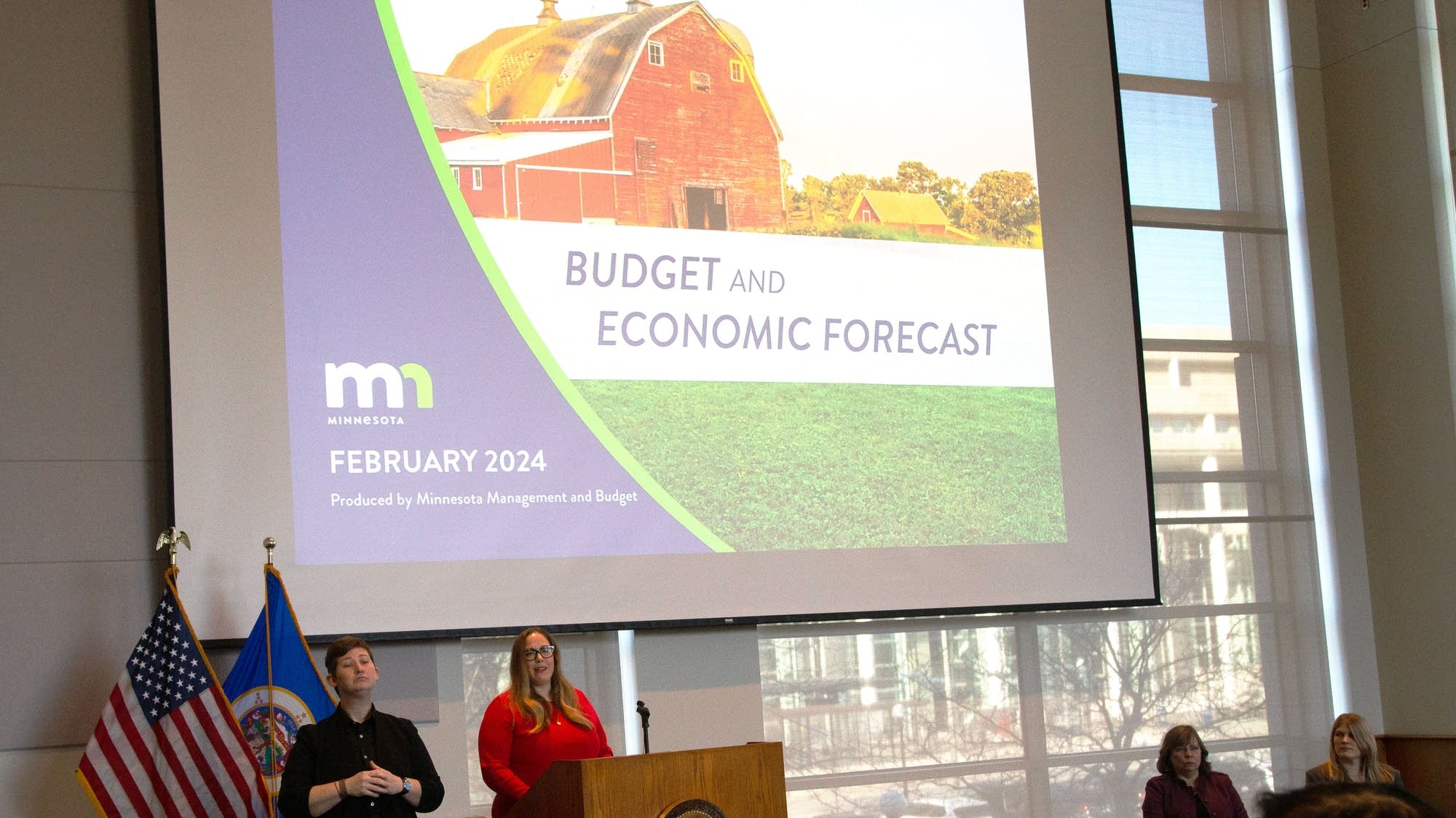
Minnesota announces a $3.7 billion budget surplus for the two-year budget ending in 2025, attributing the increase to higher consumer spending and corporate profit growth. However, officials caution that future financial pressures loom, with potential shortfalls approaching $1.5 billion by 2027. While DFL lawmakers plan a more modest approach to spending, Republicans call for tax rebates and state spending cuts to mitigate the impact, as the state's rainy day reserves approach $3 billion.
Virginia Sen. L. Louise Lucas has dealt another blow to Gov. Glenn Youngkin's top priority by refusing to give a hearing to a bill creating a sports arena in Alexandria for the Capitals and Wizards, effectively killing the bill in the Senate. The arena plan remains viable in the House version of the budget, and its presence there will likely keep arena discussions alive through the final hours of the legislative session. The project has faced setbacks, including opposition from labor unions and concerns from legislators about taxpayer liability and state support for a private business venture.