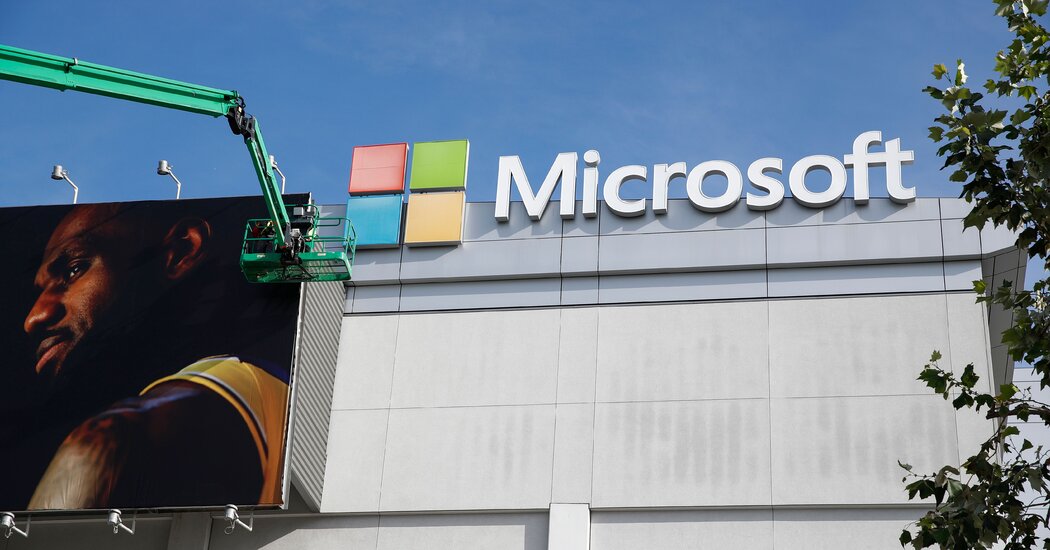
Microsoft is aiming to bolster its position in the AI space by hiring the chief executive of Inflection, a start-up specializing in AI and machine learning. This move reflects Microsoft's strategy of tapping into the expertise of start-ups to maintain its lead in the AI sector.
A year after its collapse and subsequent acquisition by First Citizens Bank, Silicon Valley Bank is attempting to rebuild its reputation and customer base in the tech industry. Despite efforts to reassure customers and emphasize its continued focus on start-ups, the bank has faced significant challenges in regaining trust and deposits. The bank's former dominance in the tech industry has waned, with many customers and venture capitalists now spreading their deposits across multiple banks.
Despite a gloomy outlook for the news business, a small group of for-profit digital media start-ups, including Puck, Punchbowl News, The Ankler, and Semafor, have found success by prioritizing careful spending, hiring top journalists, and focusing on niche newsletters with broad appeal. These companies have learned from the failures of their predecessors, which relied heavily on investor money and chasing large audiences. The shift in conventional wisdom about making money in digital publishing reflects the challenges of relying on social media traffic and digital ad economics, as seen in the recent closure of The Messenger.
As Silicon Valley Bank's dominance in the start-up banking sector wanes, a new crop of banks and financial institutions, including Mercury, Brex, and Square, are emerging as the new favorites for start-ups. These companies offer a range of financial services tailored specifically to the needs of start-ups, such as seamless integration with accounting software and easy access to venture debt, reflecting the evolving landscape of banking in the technology and start-up space.
Anthropic, a leading artificial intelligence start-up, has raised an astonishing $7.3 billion in funding over the past year, with investments from major players like Google, Salesforce, Amazon, and Asian telecoms. The funding deals, known for their speed and size, also involved unique structures, such as agreements to use technology from the investing companies and the creation of a "special purpose vehicle" to consolidate smaller investors.
Tech giants like Microsoft, Google, and Amazon have been cutting jobs to improve financials, with about 25,000 positions eliminated this year compared to 260,000 last year. While big tech companies are reducing spending on noncore operations to extract cost savings, smaller tech businesses are struggling to raise capital and are cutting jobs for survival. Wall Street has rewarded tech companies with higher stock prices for layoffs, and venture capitalists are more inclined to invest in leaner start-ups. Additionally, some tech workers are filming their layoffs and posting them on social media for catharsis and transparency.
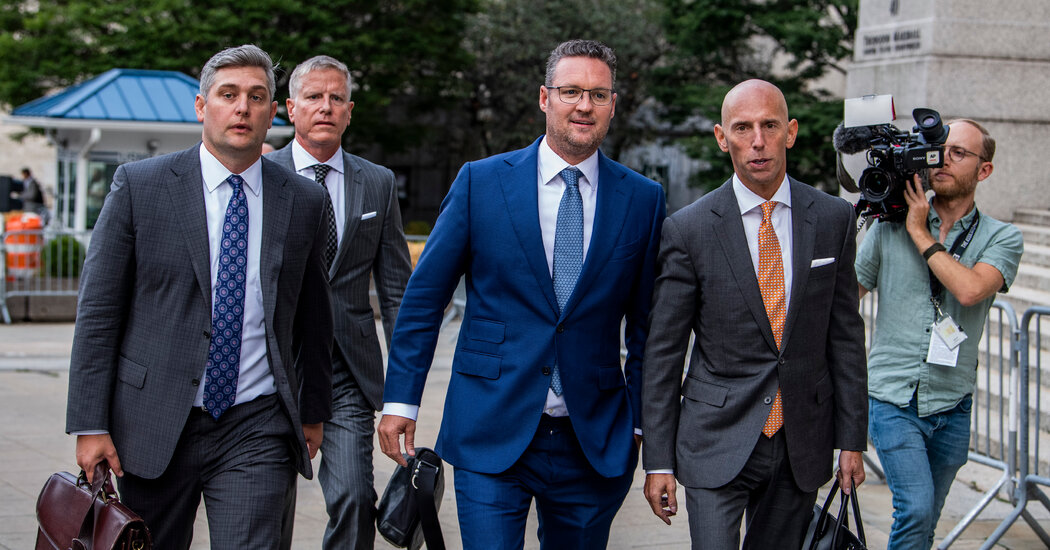
Trevor Milton, the founder and former CEO of electric truck company Nikola, is expected to receive a significant prison sentence after being found guilty of securities fraud and wire fraud. Prosecutors have asked for an 11-year prison term and a $5 million fine, accusing Milton of making false claims about Nikola's technology and orders to inflate the company's stock value. This case highlights the financial challenges faced by electric vehicle start-ups, many of which attracted billions of dollars in investment without generating profits or delivering on their promises. Investors in these companies have suffered enormous losses, while short sellers have profited.
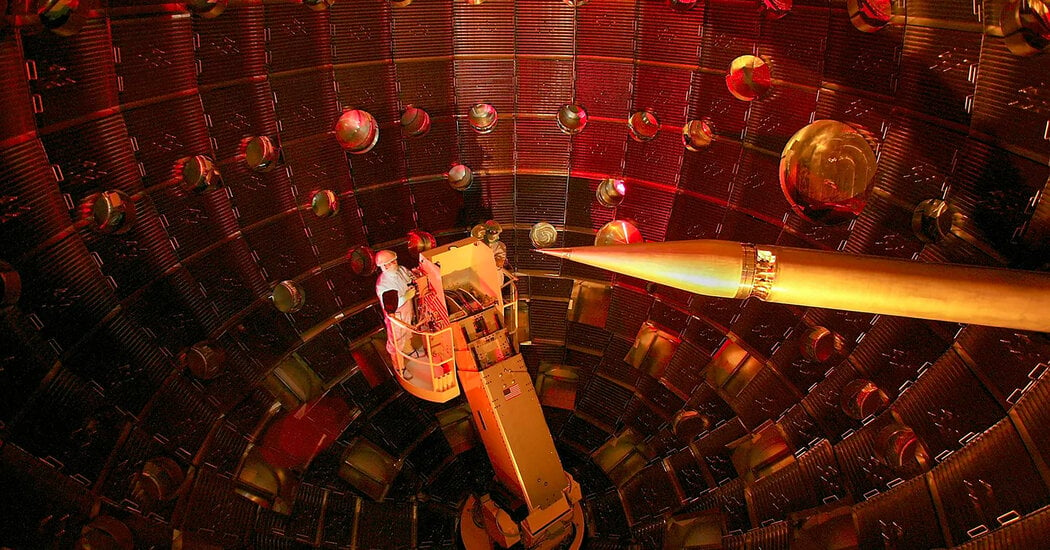
Start-up companies are pursuing laser fusion as a potential solution to the world's energy needs, following the breakthrough achieved by the National Ignition Facility (NIF) at Lawrence Livermore National Laboratory. NIF successfully achieved ignition, where a laser-induced burst of fusion produced more energy than that supplied by the incoming lasers. These start-ups are exploring different variations of laser fusion, using different lasers, techniques, and elements to fuse together. Private enterprise is joining the quest for fusion energy, with companies like Longview Fusion Energy Systems, LaserFusionX, Xcimer Energy, Focused Energy, HB11 Energy, Marvel Fusion, and NearStar Fusion developing their own approaches. The Department of Energy is providing funding to some of these start-ups to design pilot power plants, and the competitors are largely supportive of each other's efforts.
LinkedIn has released its "Top Start-ups 2023" list for India, which is dominated by fintech-related firms and includes two new edtech entrants. Despite a funding winter and a slowing global economy, sectors like fintech and edtech have shown resilience. The list features 14 new entrants, reflecting a booming entrepreneurial ecosystem and a spirit for innovation. Skyroot Aerospace, Pocket FM, Ditto Insurance, BluSmart, and Zepto secured the top five spots on the list, showcasing their success and growth in their respective industries.
Silicon Valley start-ups are reviving their listing plans as Arm's successful IPO renews confidence in the market. The strong performance of Arm's IPO has encouraged other tech companies to consider going public, signaling a resurgence in the IPO market.
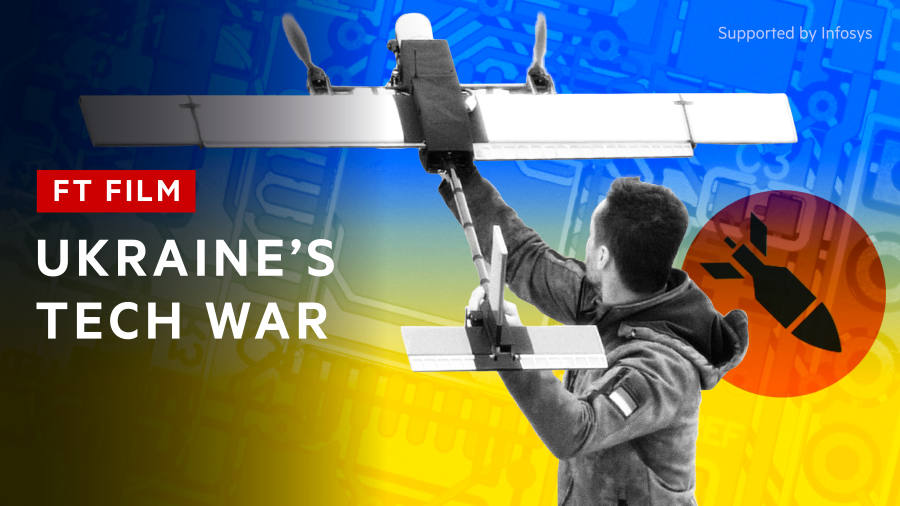
Ukrainian tech start-ups, IT workers, and volunteers are actively developing military technology and contributing to the war effort, including the production of affordable battlefield drones and AI-powered missile detection systems.
Start-ups in the field of artificial intelligence (AI) are increasingly relying on bigger rivals like Google, Microsoft, and Amazon for the computing power needed to develop their own AI systems. The industry's giants control the vast data centers required to run AI systems, putting them in a dominant position. Start-ups like Cohere, Anthropic, Character.AI, and Inflection AI have secured funding to purchase computing power from these tech giants. OpenAI, the company behind ChatGPT, recently raised $10 billion from Microsoft and will use the funds to pay for time on Microsoft's massive clusters of computer servers. While the tech giants have an advantage due to their vast resources, the open-source software could level the playing field by allowing anyone to compete, although access to larger competitors' data centers would still be necessary.
John Crowley, executive chairman of Amicus Therapeutics, advises against setting lofty, broad goals of changing the world, as very few people have achieved it. Instead, smart risk-takers should define their mission and focus on clear, tangible goals that address an urgent need. Crowley modeled this approach when he co-founded Novazyme Pharmaceuticals to find a cure for his children's rare neuromuscular disorder. Many successful companies, such as Microsoft and Apple, also started with concise goals. Starting small gives the opportunity to expand once the goal is met.
The emergence of generative AI, particularly OpenAI's ChatGPT, has sparked a new AI gold rush in Silicon Valley, with venture capitalists investing over $11 billion in AI start-ups in May alone. Companies from Moderna to Heinz have mentioned AI initiatives on recent earnings calls, and AI is one of the only fields still hiring in the industry. Nvidia has become one of only a handful of companies in the world to hit $1 trillion in value, thanks to its specialized products and software for AI. The start-up ecosystem is rebounding back to optimism, with around $12.5 billion in investments going into generative AI start-ups this year so far. However, the massive layoffs that have been rocking the industry for months are still ongoing, and things outside AI can continue to be glum.
Virtual reality start-ups are hoping that Apple's rumored entry into the VR market will attract investors back to the industry, which has seen a decline in funding in recent years. While VR has struggled to gain mainstream adoption, Apple's reputation for innovation and design could help legitimize the technology and bring in new funding opportunities.