The article discusses the market's muted response to the Israel-Iran conflict, the resilience of energy stocks despite sector challenges, the revival of the IPO market with new debuts, upcoming Federal Reserve policy decisions amid softening economic growth, and a focus on undervalued dividend stocks, including a household name beverage stock.
Private equity firms are shifting away from IPOs as their long-term downturn persists, opting for alternative exit strategies like business breakups and continuation funds due to market turmoil, high interest rates, and policy volatility, with some optimism about a potential market rebound.
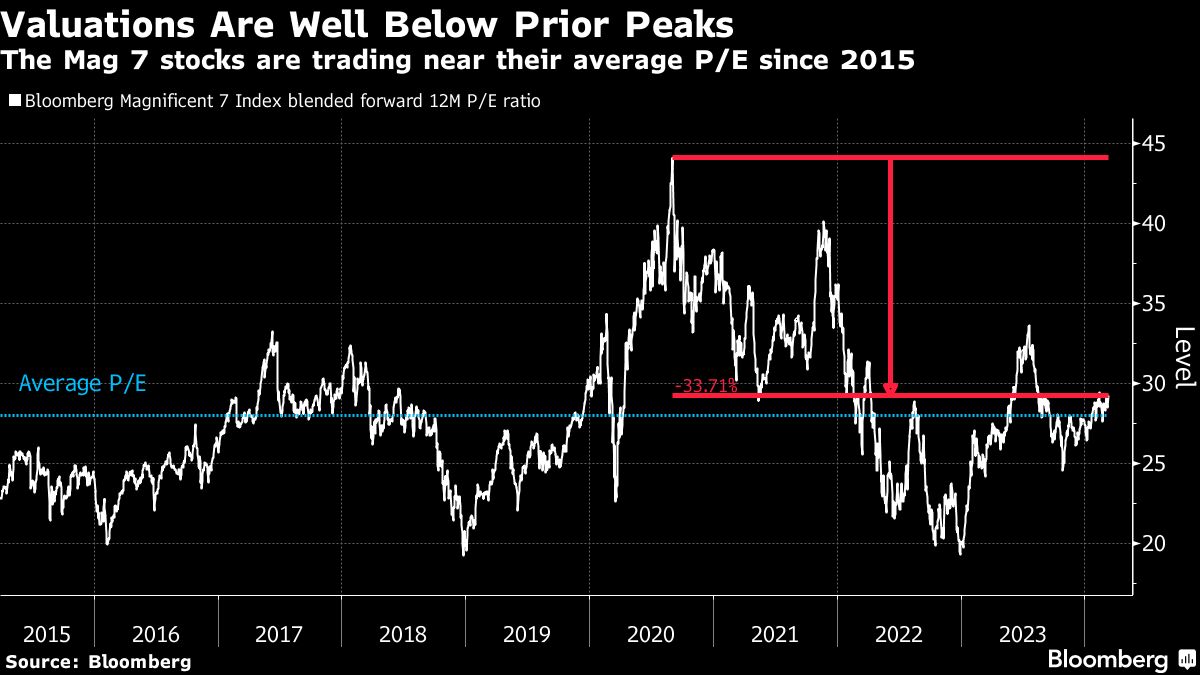
Despite concerns of a potential market bubble, the strength of US stocks, particularly in the tech sector, is supported by the economy's resilience and robust corporate earnings. Signs of a broadening rally include the S&P 500 Equal Weight Index reaching a historic high and a higher share of S&P 500 stocks at all-time highs. Additionally, the limited enthusiasm for new IPOs and relatively contained valuations compared to past peaks suggest that the market may not be in a speculative frenzy.
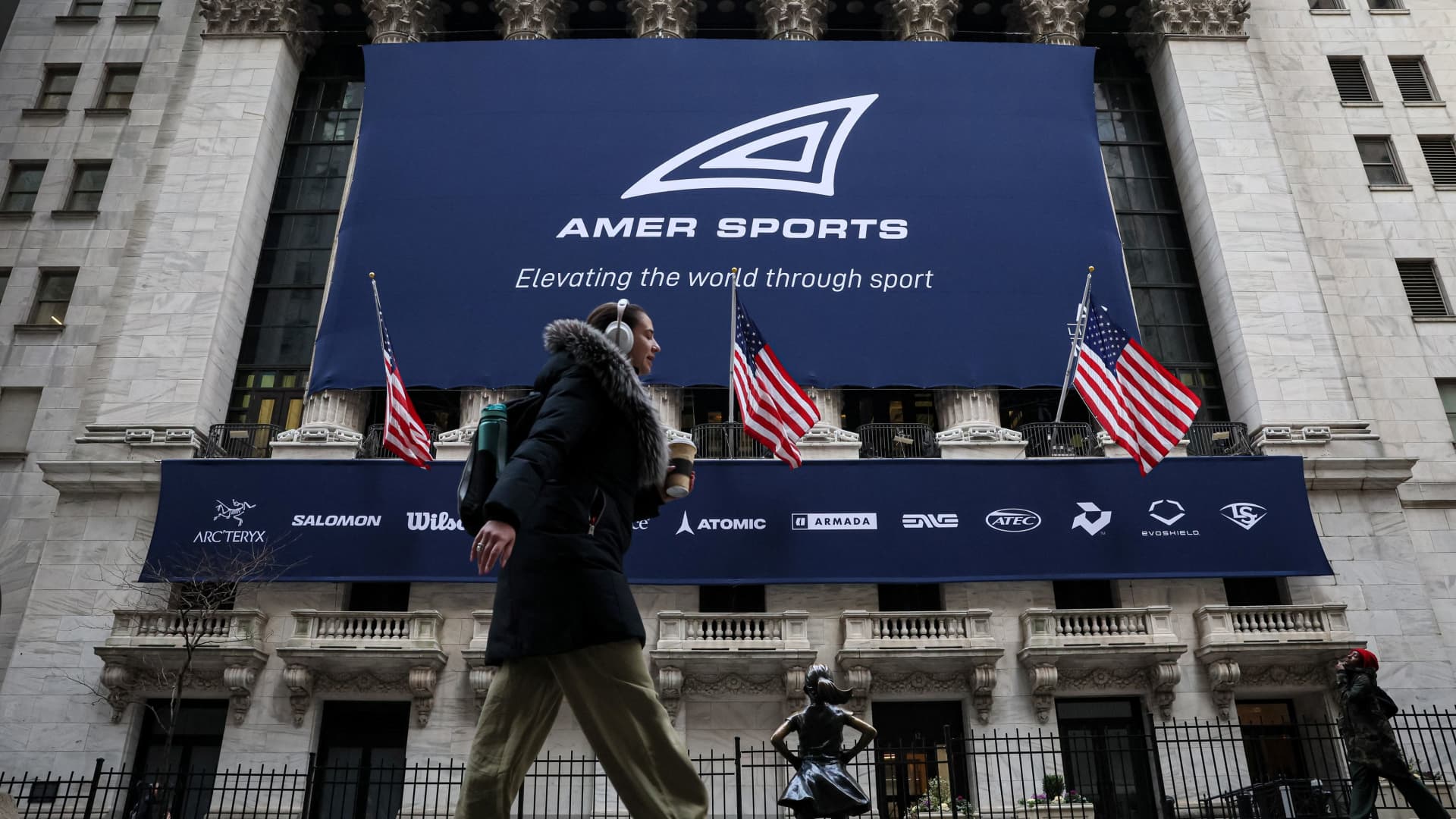
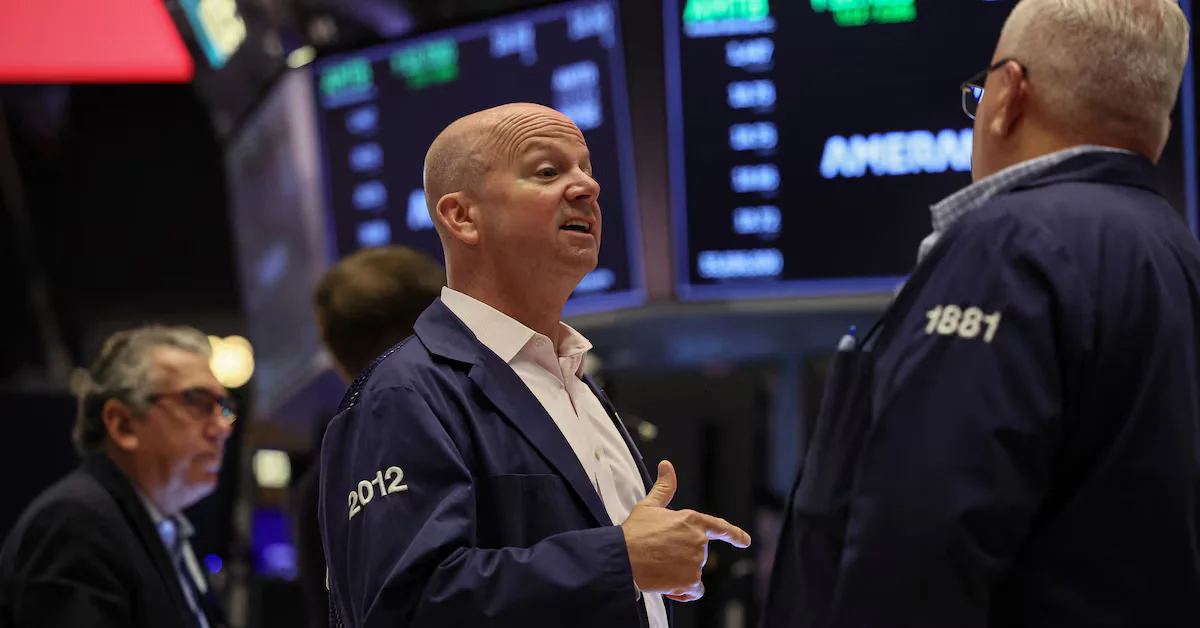
CNBC's Jim Cramer advises investors to steer clear of Amer Sports, a recent IPO that debuted at a discount due to its poor balance sheet and high debt of $2.1 billion. Cramer expressed concerns about the company's heavy reliance on China for growth, cautioning that such momentum may not be sustainable. He criticized the underwriters for pushing out-of-favor IPOs like Amer Sports and warned against investing in companies with significant exposure to the struggling Chinese economy.
Stocks edged higher on Tuesday as the Wall Street rally looked to regain momentum, with the Dow Jones Industrial Average gaining about 0.4% and the S&P 500 and Nasdaq Composite moving roughly 0.2% higher. Oil prices also rose as the dollar weakened, while Treasury yields fell after Fed Governor Christopher Waller expressed confidence that interest rates are at the right levels. In other news, Shein, Reddit, and Kim Kardashian's clothing brand Skims are reportedly exploring options for initial public offerings in 2024, hinting at a potential comeback for the IPO market. Additionally, US consumers set a new spending record on Cyber Monday, with online sales reaching $12.4 billion, up 9.6% from last year. Consumer confidence also increased in November, although the "Expectations Index" remained below 80 for a third consecutive month, signaling concerns of a potential recession.
The IPO market has become quiet as companies delay or rethink their debuts due to poor stock performance, higher interest rates, and concerns about lower valuations. The rise in the 10-year Treasury yield has dampened market sentiment. Companies like Waystar, Panera Bread, and Klarna have delayed their IPOs, while others may have to accept significant valuation cuts. The recent spate of IPOs has also underperformed, further discouraging potential candidates. Despite this, there is still a possibility of increased activity in December if the market rally continues. However, many older IPO candidates, such as Reddit and Stripe, are becoming less attractive as the focus shifts to AI companies. IPO candidates are left with the choices of going public with a haircut, staying private with reduced funding, or considering mergers or closures. The challenging market conditions have put many tech unicorns in a precarious position, with some facing the possibility of going out of business.
Sandal company Birkenstock is set to list on the New York Stock Exchange next week, but investors and analysts are concerned about its ability to attract new shoppers amid a cost of living crisis. The company needs to sell more clogs and boots and boost sales from its own website and boutiques. The IPO market has been challenging for recent listings, with several companies experiencing share price slumps. Birkenstock, backed by LVMH-affiliated private equity firm L Catterton, has the support of luxury sector heavyweights but faces the challenge of creating desirability for its products in a market where consumers are cutting back on discretionary spending.
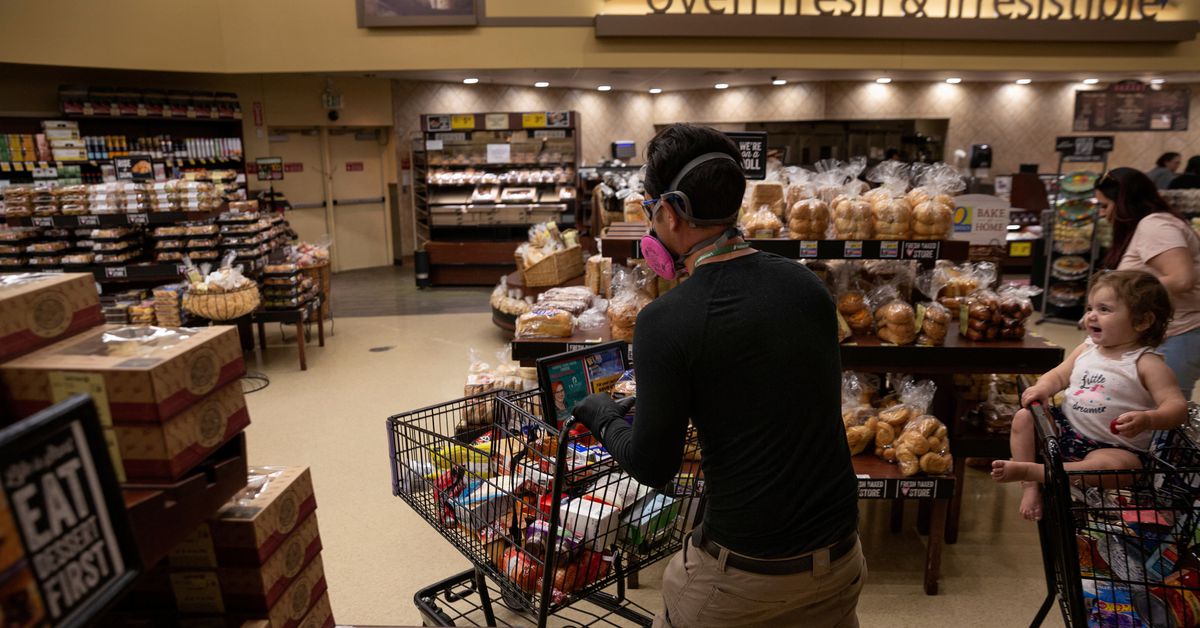
Instacart shares fell 5% as the grocery delivery app failed to maintain its strong gains on debut, joining other recent stock market entrants. Concerns about inflation and higher interest rates have led to caution among investors. Despite slowing from pandemic highs, Instacart's orders continue to grow as people maintain their lockdown habits of ordering groceries and essentials from home. However, there are concerns about consumers' willingness to pay extra for home deliveries and the company's ability to sustain margin expansion and revenue growth in the face of increased competition from food delivery providers, Walmart, Amazon, and traditional grocers. Retaining new customers, especially older shoppers who prefer brick-and-mortar stores, could also be a challenge for Instacart.
U.S. stocks closed lower as investors adopted a risk-off approach ahead of the Federal Reserve's two-day monetary policy meeting. The market is focused on any change in communication from the Fed, particularly regarding inflation. The Fed is expected to leave interest rates unchanged and release its Summary Economic Projections, providing insight into the trajectory of rates, inflation, and economic growth. The IPO market showed signs of life with Maplebear shares surging in their Nasdaq debut. Walt Disney fell after announcing a doubling of capital expenditure for its parks, while Starbucks shares were downgraded. Automakers General Motors and Ford Motor Co advanced as the United Auto Workers union threatened more strikes.
Stocks ended lower as the Federal Reserve's policy meeting began and investors assessed the state of the IPO market following Instacart's public debut. The S&P 500 and Nasdaq slipped about 0.2%, while the Dow Jones dropped about 0.3%. Investors are focused on the Fed's stance on interest rates and any indications from Fed Chair Jerome Powell about future moves. Meanwhile, Instacart's stock rose nearly 40% from its IPO price but gave back some gains by the market close. Rising oil prices and the ongoing UAW strike are also being closely watched.
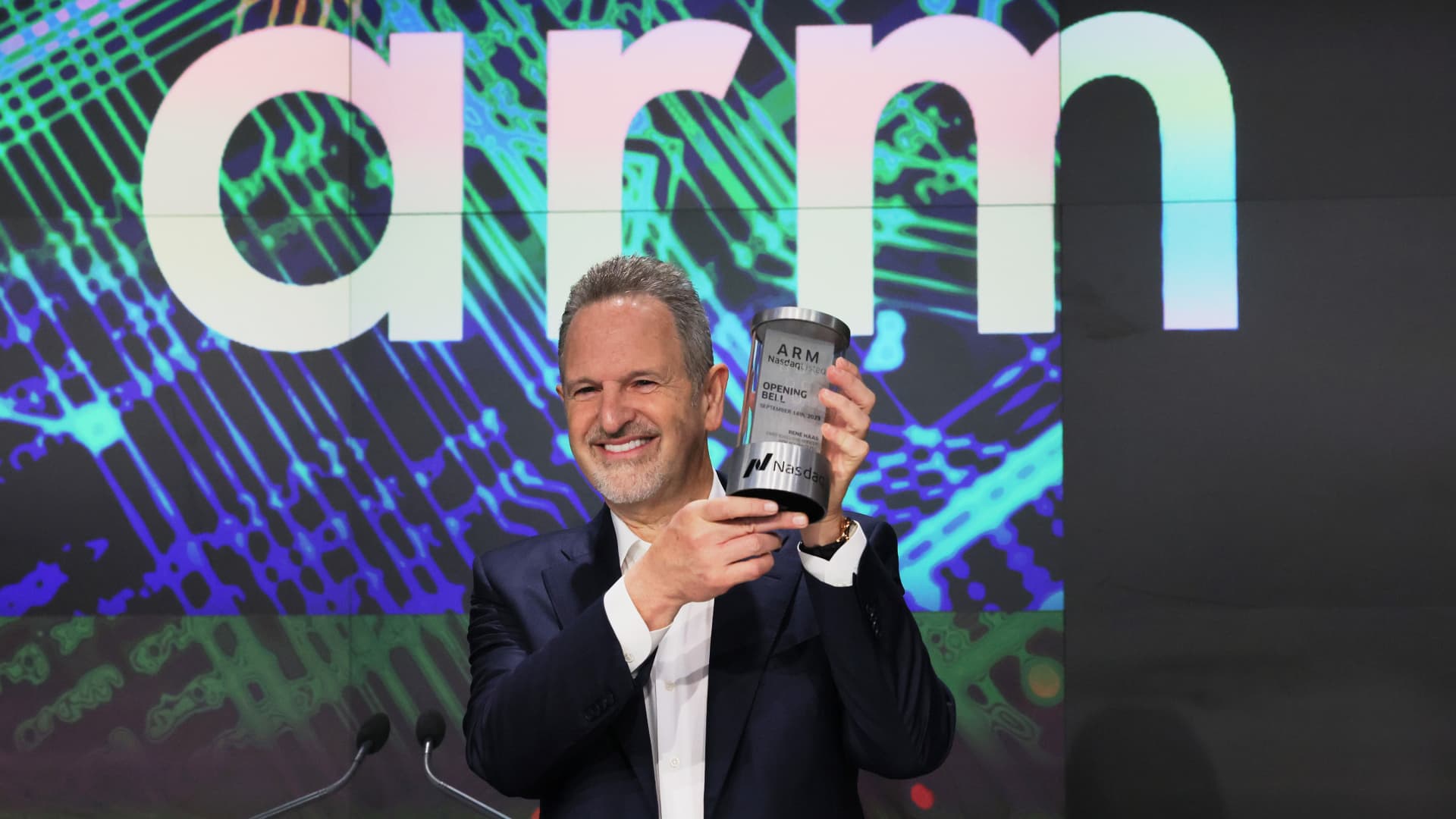
Venture capitalist Rick Heitzmann, known for his investments in Airbnb and Pinterest, believes that Arm Holdings' successful IPO will help jump-start the IPO market. Heitzmann suggests that there is a real fundamental demand for IPOs, and people are looking for new investment opportunities. He believes that Arm's executives set the IPO for success by pricing it for a pop and having a limited float. Heitzmann expects next week's Instacart IPO to follow in Arm's footsteps and perform well, citing its advertising business as a boost to its bottom line. However, he questions the appetite of traditional IPO buyers for Instacart and marketing automation company Klaviyo.
CNBC's Jim Cramer views Arm Holdings' IPO as a positive sign for the IPO market, describing it as a "Goldilocks outcome." Arm, a semiconductor designer, saw its shares surge nearly 25% on its first day of trading, valuing the company at almost $60 billion. Cramer is optimistic about Arm's potential due to its royalty-based business model, focus on energy-efficient products, and monopoly on smartphone central processing units. However, he expressed caution about private equity firms controlling publicly traded companies. Despite the stock's rise, Cramer suggests investors consider a small position in Arm.
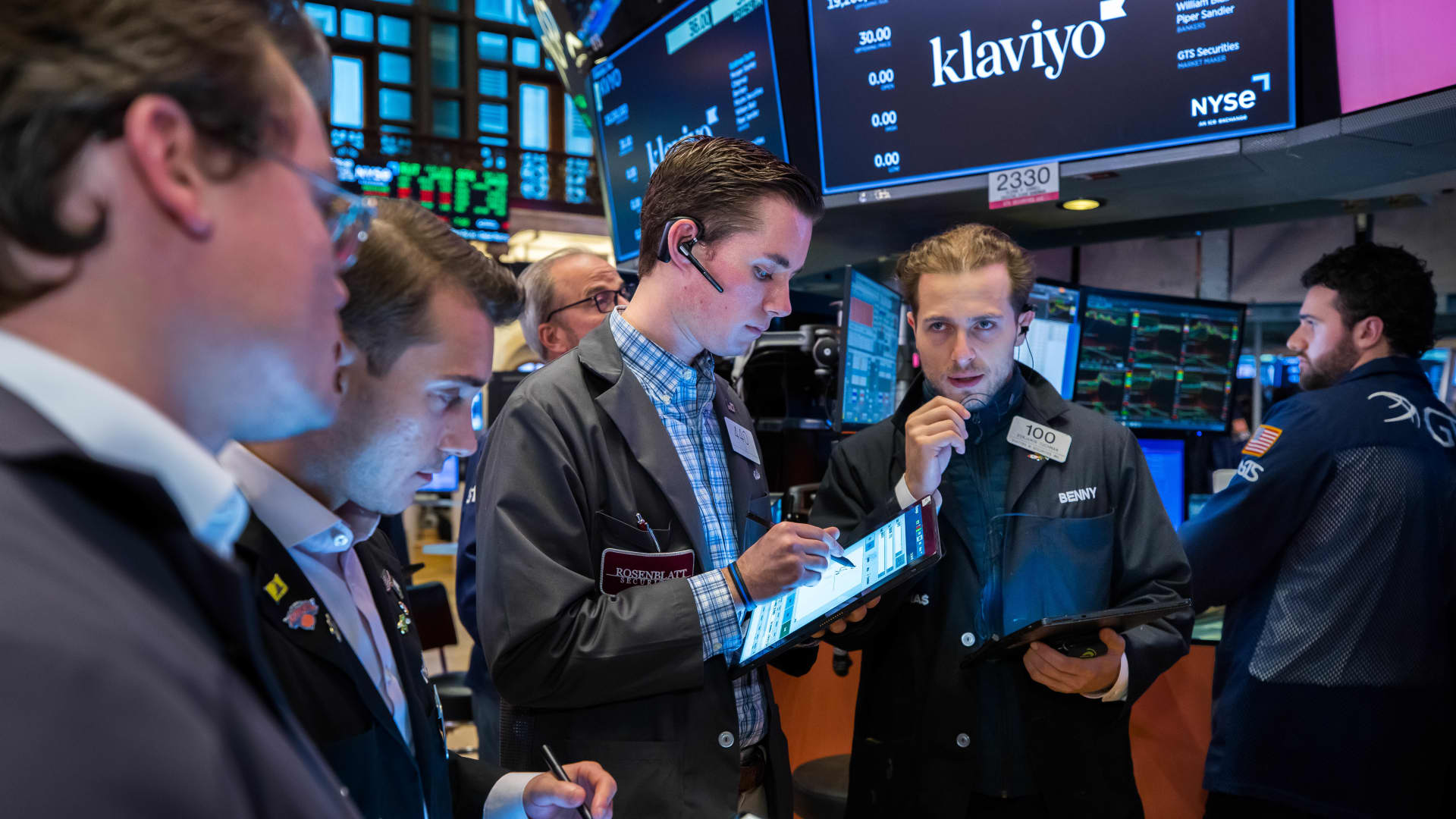
Goldman Sachs is facing a crucial moment as tech companies Arm, Instacart, and Klaviyo prepare to test the IPO market. After a slow year for American IPOs, the success of these listings will boost confidence for CEOs and help revive other areas of finance. Goldman Sachs, which is more dependent on investment banking than its rivals, is the lead advisor for Instacart and Klaviyo and shares top billing for Arm. However, if these IPOs fail to trade for a premium, doubts may arise about Goldman Sachs' performance under CEO David Solomon. Additionally, there are concerns about Arm's valuation and its exposure to China.
Arm and Instacart are preparing for their highly anticipated IPOs, but experts believe that their debuts will not be enough to revive the slumping IPO market. The current market is compared to the aftermath of the dot-com bubble, with many companies trading below their IPO prices. Hesitant investors and venture capitalists, along with a higher-rate environment, have made it challenging for startups to secure high valuations. The lack of venture fundraising and limited exit opportunities further contribute to the market's stagnation. While there may be standout companies that could go public, the overall sentiment suggests that Arm and Instacart will not be the catalysts for a market rebound.
Silicon Valley start-ups are reviving their listing plans as Arm's successful IPO renews confidence in the market. The strong performance of Arm's IPO has encouraged other tech companies to consider going public, signaling a resurgence in the IPO market.