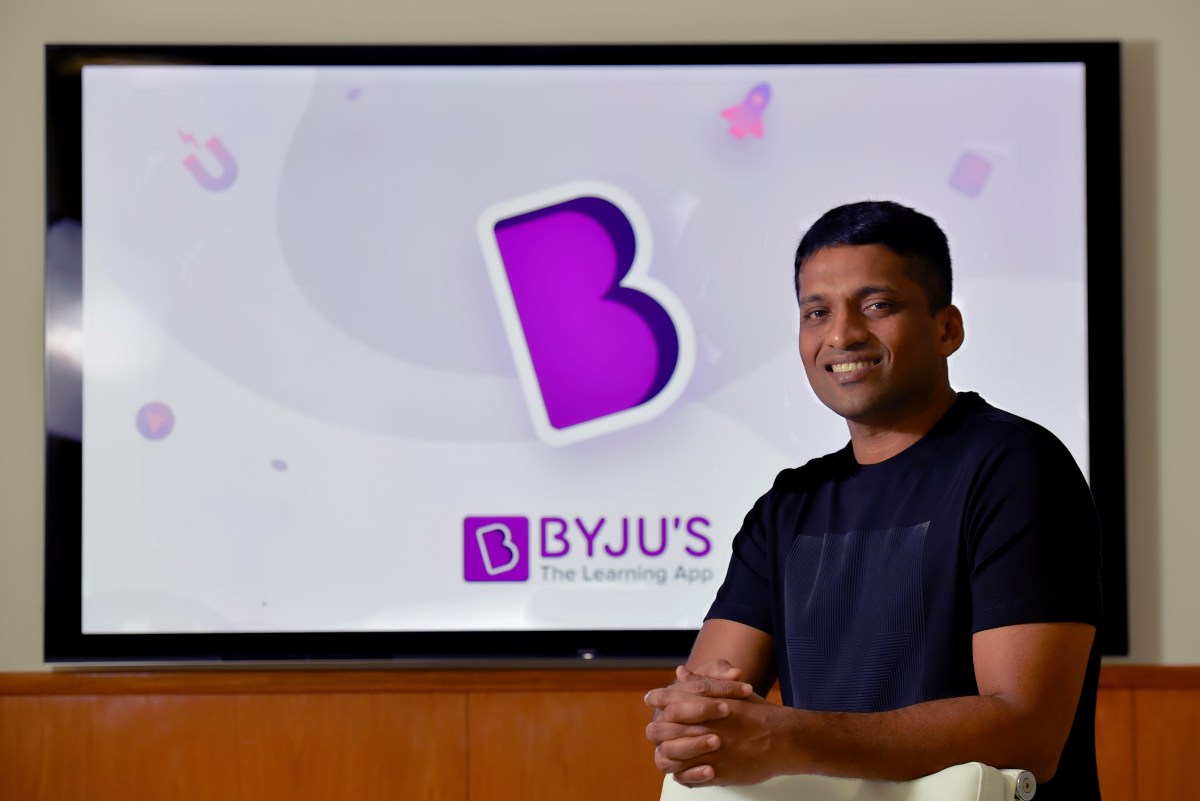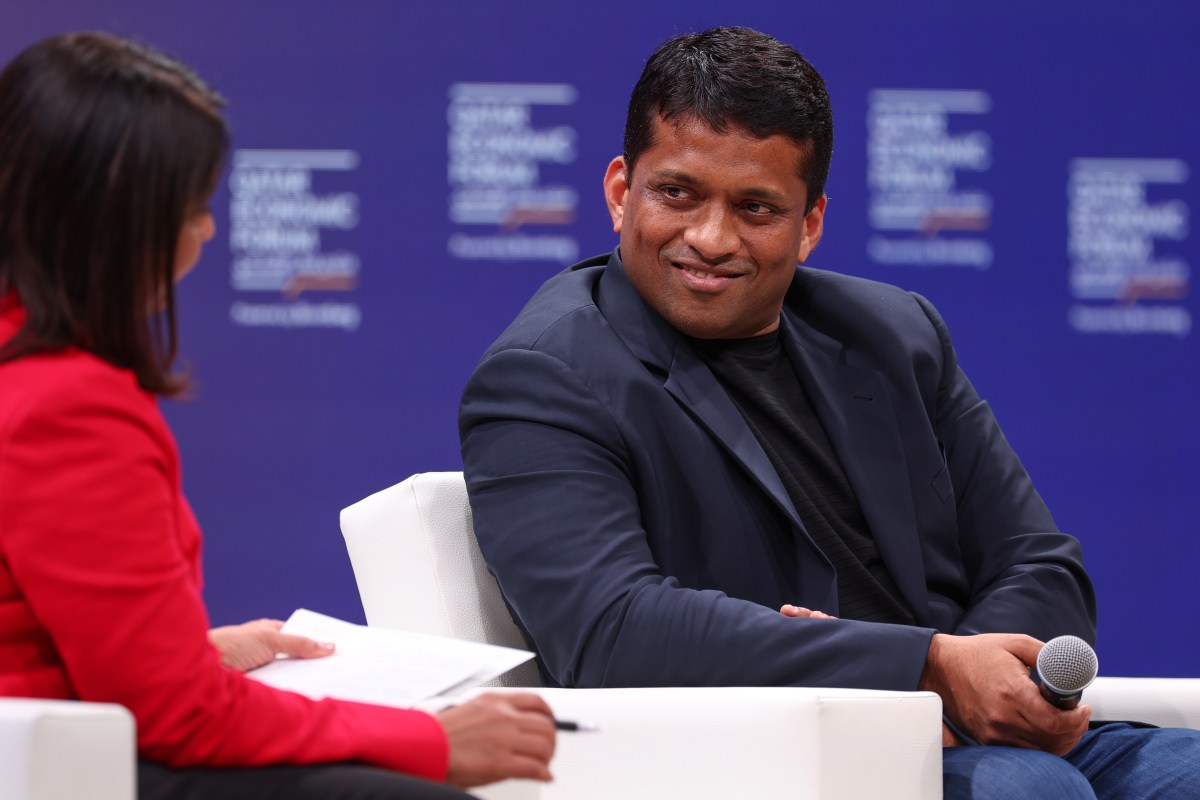
An Indian tribunal court has initiated insolvency proceedings against Byju’s, once valued at $22 billion, following a petition from the Board of Control for Cricket in India (BCCI) to recover nearly $19 million. The ruling appoints an interim resolution professional to manage the company, sidelining its founder. Byju’s, which has faced multiple crises over the past two years, plans to appeal the decision and seek an amicable settlement with BCCI.
Spotify is making a foray into edtech, while stocks globally are declining and crypto is seeing gains. In Startup Land, Stability AI's CEO has exited amid discussions about the company's revenue growth and burn rate. U.S.-based tech companies are under scrutiny in the EU due to the new Digital Markets Act. Additionally, China is making moves in tech with the Vision Pro and efforts to replace Intel and AMD chips in state computers, while beverage startups are competing against industry giants for market share.
Camshaft Capital revealed in court filings that $533 million it managed for Byju’s Alpha was transferred to a U.S.-based subsidiary of Byju’s, refuting allegations of fund siphoning. Byju’s stated that the disclosure aligns with its position as the beneficiary holder of the capital, emphasizing that the Credit Agreement with lenders did not mandate specific fund usage. Byju’s is embroiled in legal battles with shareholders and employees, with some investors attempting to revoke a rights issue and prevent salary payments to over 20,000 employees.
Byju's, once India's most valuable startup, has seen its valuation plummet by 95% to $1 billion after alleged accounting irregularities and mismanagement, leading to setbacks such as investor stake cuts and ousting of founder Byju Raveendran as CEO. The company, which experienced exponential growth during the pandemic, faced a slowdown in online learning post-pandemic, resulting in layoffs and governance issues. Byju's struggled to repay a $1.2 billion loan, filed for Chapter 11 bankruptcy, and is raising funds to clear immediate liabilities and operational costs.
Byju Raveendran, founder of Byju’s, asserts he remains the CEO despite a shareholder group's vote to remove him, citing violations of local rules. The group, including Prosus Ventures and Peak XV Ventures, seeks governance changes and a leadership shift. Raveendran claims the meeting lacked quorum and majority support, and the startup, in need of funding, launched a rights issue. He believes the company's comeback is inevitable and accuses minority shareholders of spreading misinformation.
A group of Byju’s investors, including Prosus Ventures and Peak XV Partners, voted to remove founder and CEO Byju Raveendran and filed an oppression and management suit against the leadership to block a recently launched rights issue. The decision comes after more than a year of unrest among some of Byju’s largest investors, who assert that the $22 billion Indian edtech startup has played fast and loose with accountability. Byju’s has been facing challenges in its fundraising efforts and has been forced to abandon its plan for an IPO.
Byju's CEO Raveendran announced the successful disbursement of pending January salaries to employees, addressing previous reports of delayed payments due to a liquidity crisis. He attributed the delay to an "artificially induced crisis by select investors" and emphasized the company's resilience in the face of external pressures. Raveendran also highlighted the emotional toll of the challenges faced, including personal struggles and the impact on his father, while reiterating the company's commitment to overcoming the obstacles.
Byju's and its investors are publicly clashing over leadership changes, with the company stating that investors do not have the right to seek the removal of founder Byju Raveendran. The company is proceeding with a $200 million rights issue and has received support from multiple investors, while blaming investors for causing a crisis and seeking leadership changes. Investors, including Prosus and General Atlantic, are calling for governance and leadership changes, marking the third time they have sought an extraordinary general meeting. Byju's, once valued at $22 billion, has reset its valuation to $25 million in the rights issue, and the company emphasizes the criticality of the rights issue for its survival.
Byju's, the world's most valuable edtech startup, has launched a rights issue to raise $200 million, cutting its valuation ask by 99% in an effort to address its working capital needs. The post-money valuation of the startup is expected to drop to $220-250 million, a significant decrease from its previous $22 billion valuation. Byju's founder Byju Raveendran has appealed to shareholders for support, citing personal sacrifices made for the company. The startup's struggles to raise capital come amid a severe funding crunch, with its IPO plans put on hold due to market conditions.
Byju's plans to raise $200 million through a rights issue at a valuation of about $220–230 million, a significant drop from its once $22-billion worth. The funds will be used to clear immediate liabilities and meet operational requirements, with founder Byju Raveendran emphasizing the importance of raising capital to prevent further value impairment. This move comes as the edtech company aims to navigate legal and financial challenges and achieve operational profitability, marking a significant shift from its unicorn status to stay afloat in a tough funding environment.
Clayful, a startup focused on providing mental health support to students, has raised $7 million in funding. The platform connects students aged eight to 18 with mental health experts within 60 seconds through instant messaging technology. Clayful aims to address the shortage of school counselors and ensure every student has access to support. The startup has already partnered with over 50 schools and offers its services for free to students. The funding will be used to expand the team and reach more schools and students.
Indian edtech giant Byju's has reported revenue of $429.18 million for its core business in the financial year ending March 2022, falling short of its projected $1.25 billion revenue. The company also missed its revenue projection for the previous financial year and has faced delays in filing its financial accounts. Byju's is currently dealing with various challenges, including the departure of its CFO, auditor Deloitte, and key board members. Investors are awaiting clarification on the financial accounts and resolution of governance issues. Byju's is planning to sell some of its acquired businesses to clear dues to lenders.
LinkedIn has released its "Top Start-ups 2023" list for India, which is dominated by fintech-related firms and includes two new edtech entrants. Despite a funding winter and a slowing global economy, sectors like fintech and edtech have shown resilience. The list features 14 new entrants, reflecting a booming entrepreneurial ecosystem and a spirit for innovation. Skyroot Aerospace, Pocket FM, Ditto Insurance, BluSmart, and Zepto secured the top five spots on the list, showcasing their success and growth in their respective industries.
Indian edtech giant Byju's plans to cut up to 5,000 jobs as part of a business restructuring aimed at reducing costs and simplifying operations. The company, valued at $22 billion, will eliminate redundant roles in both its offline and online ventures, as well as senior executive positions. Byju's is consolidating four of its businesses into two and is also dealing with a dispute with lenders and the resignation of board members and auditor Deloitte. The company has faced criticism for its reporting and governance structures and its failure to meet financial reporting deadlines.
Andrew Grauer, the co-founder of Course Hero and CEO of parent company Learneo, has successfully navigated the changing landscape of online education. Course Hero, an online library of class notes and study materials, raised $395 million in late 2021 and has made several strategic acquisitions, expanding its offerings to include tutoring, AI-enabled writing tools, and a math problem search engine. Despite the rise of ChatGPT and a decline in college enrollments, Course Hero remains focused on innovation and building an AI-driven platform. Grauer's vision is to maintain a long-term relationship with customers, transitioning them from students to professionals.