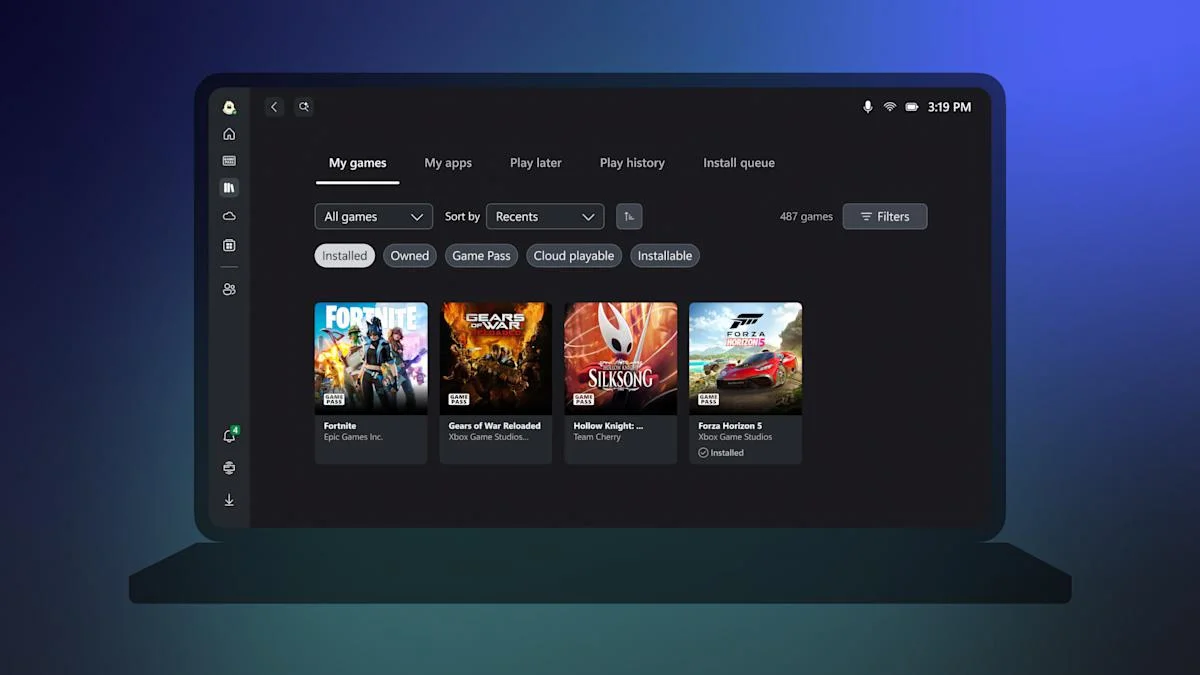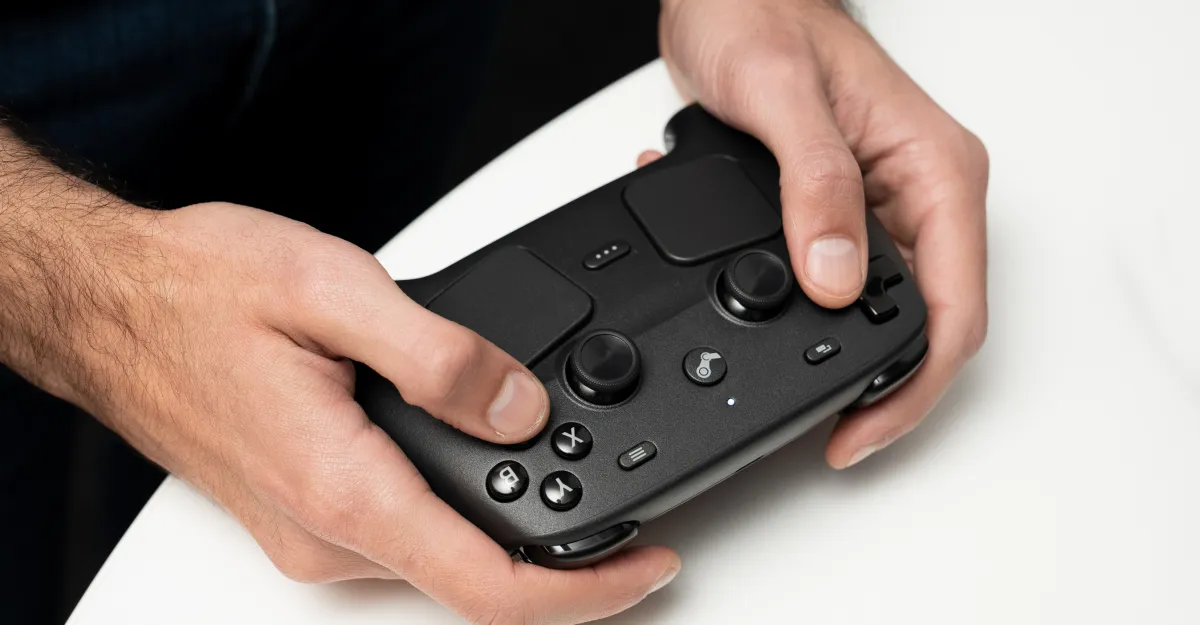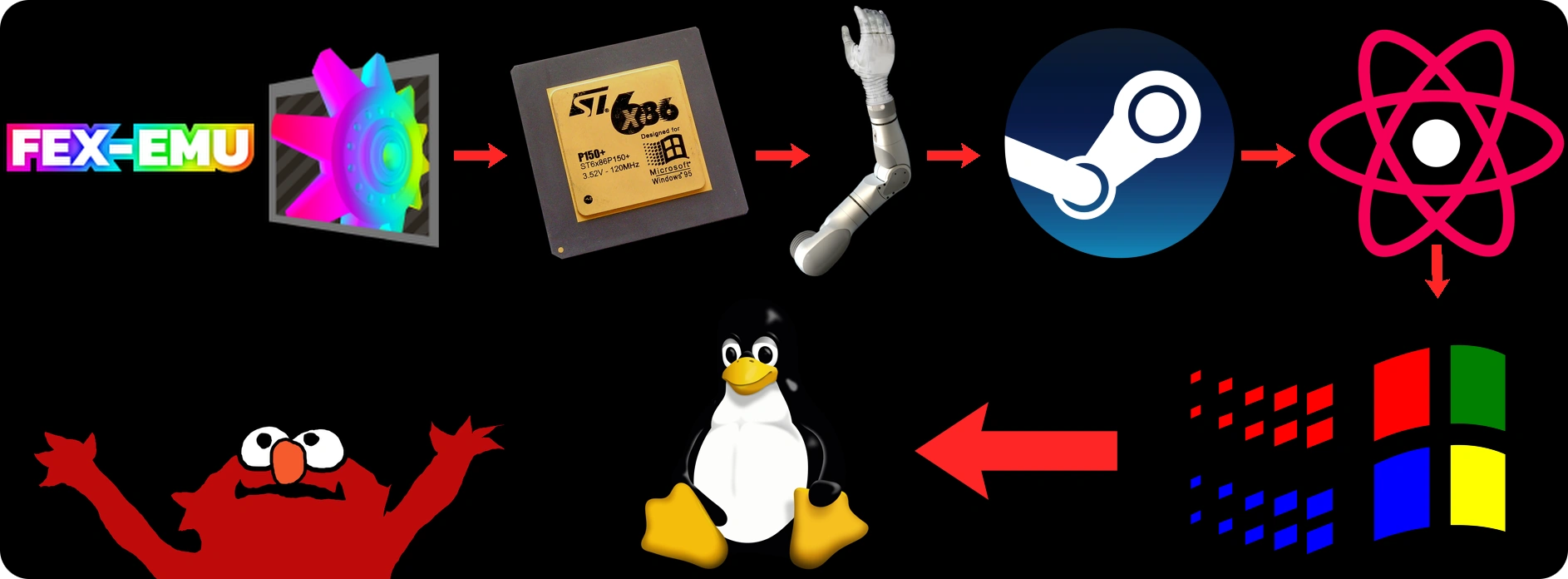
Valve is leading efforts to bring Windows games to Arm architecture, with significant contributions to Linux gaming through Proton and SteamOS, aiming to diversify and strengthen the gaming ecosystem while maintaining a consumer-friendly approach. The company’s private ownership allows it to prioritize long-term community and industry benefits over short-term shareholder profits, contrasting with other tech giants and private equity-owned firms. Despite some criticisms regarding DRM, loot boxes, and market dominance, Valve’s initiatives for open source contributions, Linux compatibility, and platform independence highlight its commitment to gaming innovation and consumer interests.
Valve is developing open-source technologies like Proton and Fex to enable Windows games to run seamlessly on Arm-based devices, including phones, laptops, and desktops, potentially leading to a future where PC gaming is accessible across a wide range of hardware without the need for extensive porting efforts.
Mortgage rates have slightly decreased, with the 30-year fixed mortgage now averaging 6.17%, which is over half a point lower than a year ago. Refinance rates are also slightly lower, and various mortgage options and strategies are discussed to help borrowers find the best rates and terms. Economic factors primarily influence these rates, and borrowers are advised to shop around and consider their financial goals when refinancing.
OpenAI is collaborating with SoftBank's Arm on a project related to Broadcom's AI chips, indicating a strategic partnership in AI hardware development.
Arm announced the Lumex platform, a new AI-focused compute subsystem for next-gen PCs and smartphones, featuring C1 CPUs with SME2 support, Mali G1-Ultra GPU, and optimized software, aiming to enhance AI performance and software adoption.
AMD asserts that x86 architecture is on par with ARM in energy efficiency and overall performance, challenging the recent hype around ARM's dominance in mobile and Windows platforms, and highlighting advancements in AMD and Intel solutions that maintain x86's relevance in consumer hardware.
Arm's stock price declined despite the release of a support update for Microsoft Windows 11, indicating that the market reaction may not be directly influenced by the update itself.
SoftBank reported a significant profit increase in its first quarter, driven by gains from investments in Nvidia and AI-related ventures, including a major funding round for OpenAI, after experiencing a substantial loss the previous year.
A guide demonstrates how to run Doom (2016) on the Radxa Orion O6, an ARMv9 motherboard, by using an x86 emulation layer and compatibility tools, showcasing a complex but successful hack to play modern Windows games on ARM hardware.
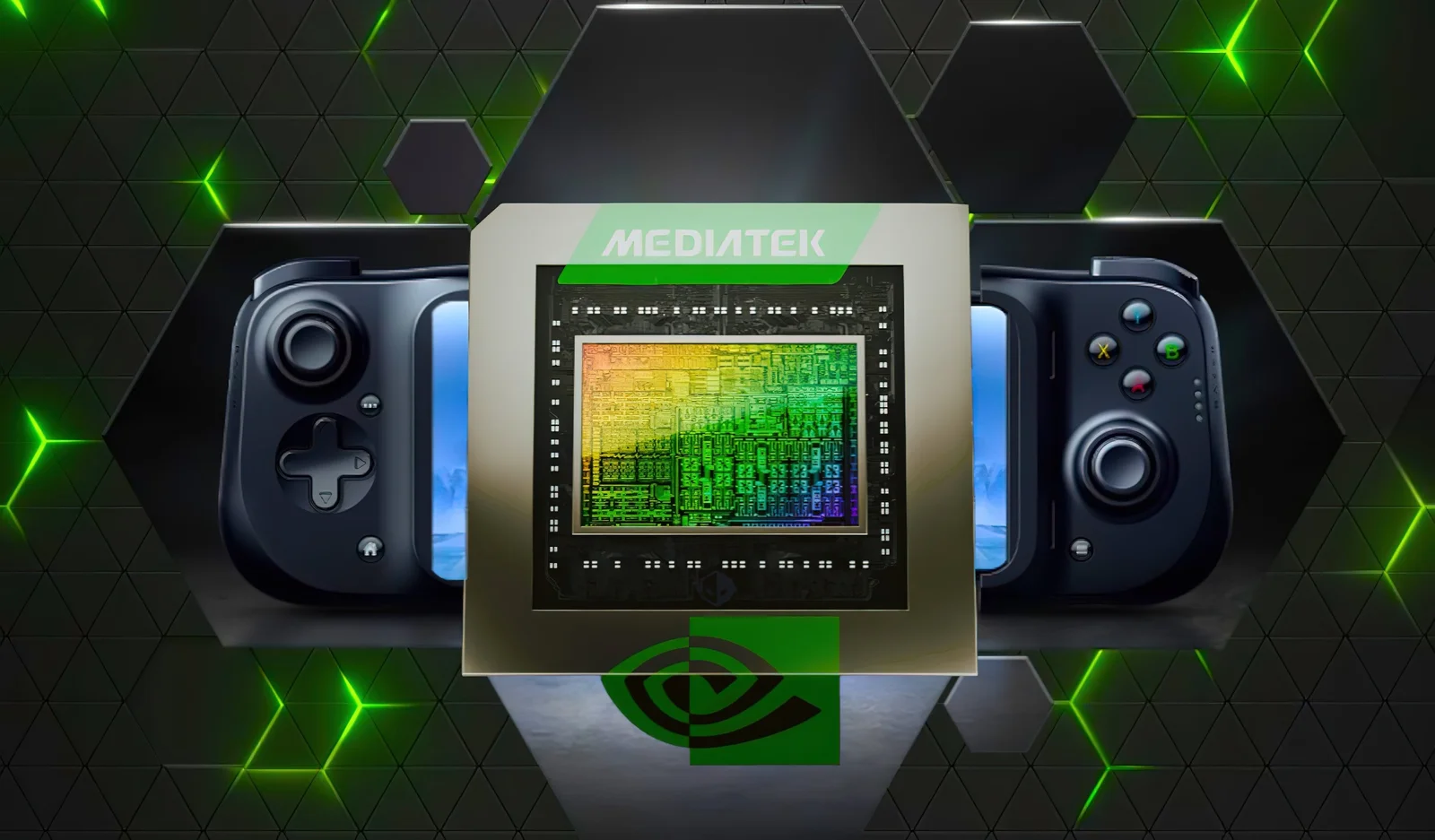
Nvidia is developing an Arm-based APU in collaboration with MediaTek, which could debut in Alienware gaming laptops later this year or early 2026, potentially improving Windows on Arm gaming performance and challenging Qualcomm's dominance in the Arm CPU market.
The x86 instruction set, once central to personal computing, is now seen as a hindrance to the PC industry, contributing to Intel's decline. With Microsoft and Qualcomm's support for Arm in 2024 and Nvidia's upcoming advancements, the x86 architecture faces obsolescence. Intel's dominance, maintained through questionable practices, is challenged by market shifts and competition, notably from Apple's transition to Arm. This marks a significant inflection point in computing history.
Arm CEO Rene Haas discussed the challenges facing Intel following the departure of CEO Pat Gelsinger, highlighting Intel's struggle between vertical integration and becoming a fabless company. Haas noted that while vertical integration could be powerful, the associated costs might be prohibitive. He refrained from commenting on rumors about Arm's interest in acquiring part of Intel, as Arm itself considers expanding into chip manufacturing.
Arm, through Qualcomm's new Snapdragon X Elite and X Plus chips, is challenging Intel and AMD's dominance in the PC market. These Arm-based chips, which will be featured in upcoming laptops from major brands and Microsoft's new Copilot+ PC standard, promise significant performance and battery life improvements. Intel and AMD are responding with their own advanced chips, but Arm's potential to capture a significant market share poses a serious threat to their businesses.
Qualcomm's Snapdragon X Elite is emerging as a strong competitor to Apple's M-series chipsets, with expectations that Snapdragon chipsets could account for up to 60% of sales for Qualcomm's partners within three years. Qualcomm CEO Cristiano Amon is optimistic about ARM-based SoCs capturing 50% of the PC market, despite competition from Intel, AMD, and NVIDIA. Qualcomm is reportedly already working on the Snapdragon X Elite Gen 2 to further solidify its position in the market.
Arm CEO Rene Haas aims for a 50% market share in Windows PCs within five years, driven by Qualcomm's new Snapdragon X Elite CPUs. However, analysts are skeptical, noting that current Arm-based PC shipments are low and dominated by Apple Silicon. Achieving this goal would require significant market shifts and overcoming the entrenched x86 architecture from Intel and AMD.