NASA is revising its plans to support the development of commercial space stations, which may lead to the end of its permanent human presence in low Earth orbit, signaling a shift in space policy and commercial collaboration.
NASA-supported commercial space station Starlab has achieved five key development milestones, including design reviews and mockup construction, as it advances toward supporting human life and scientific research in low Earth orbit, with plans for further detailed design and hardware development.
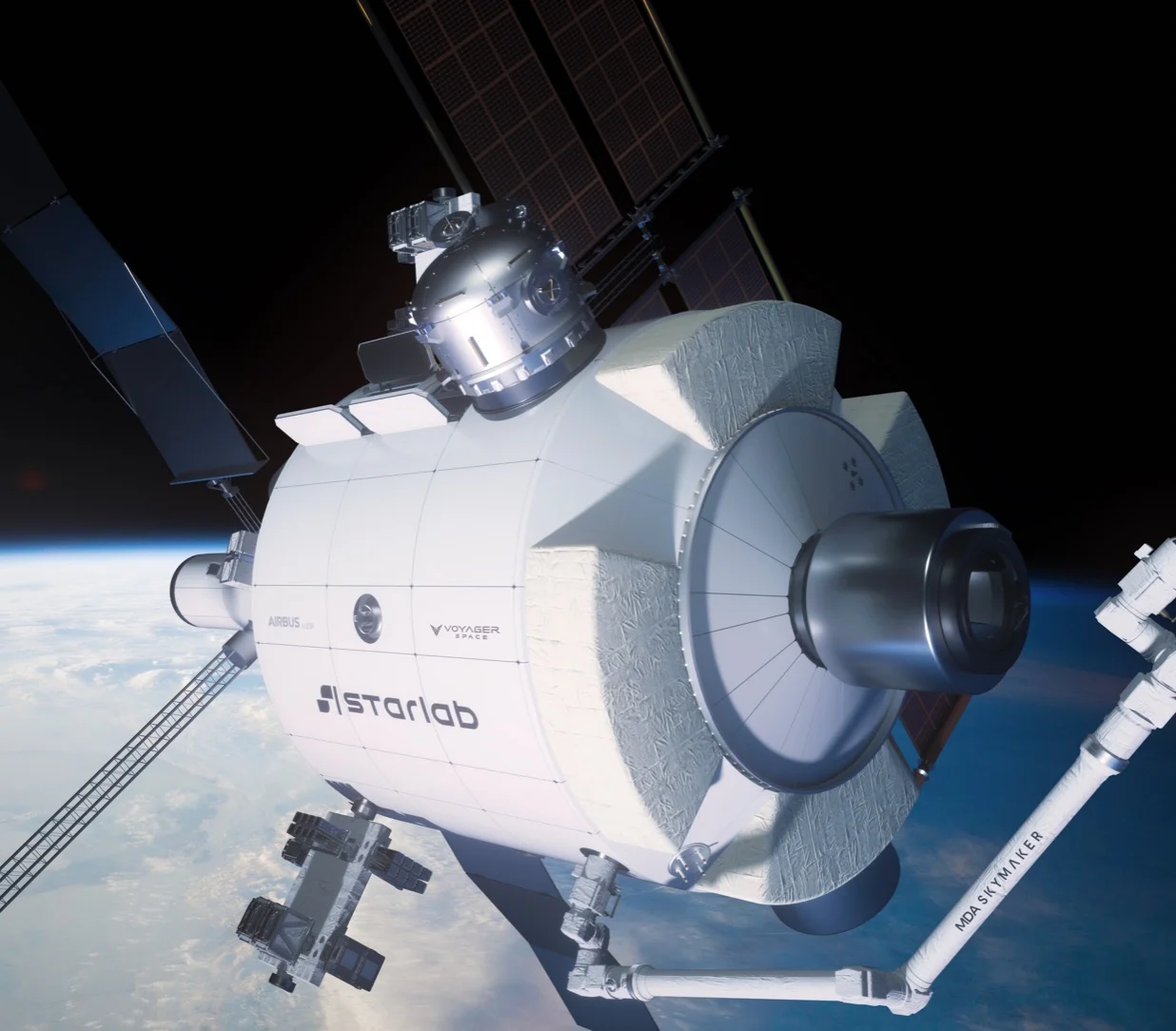
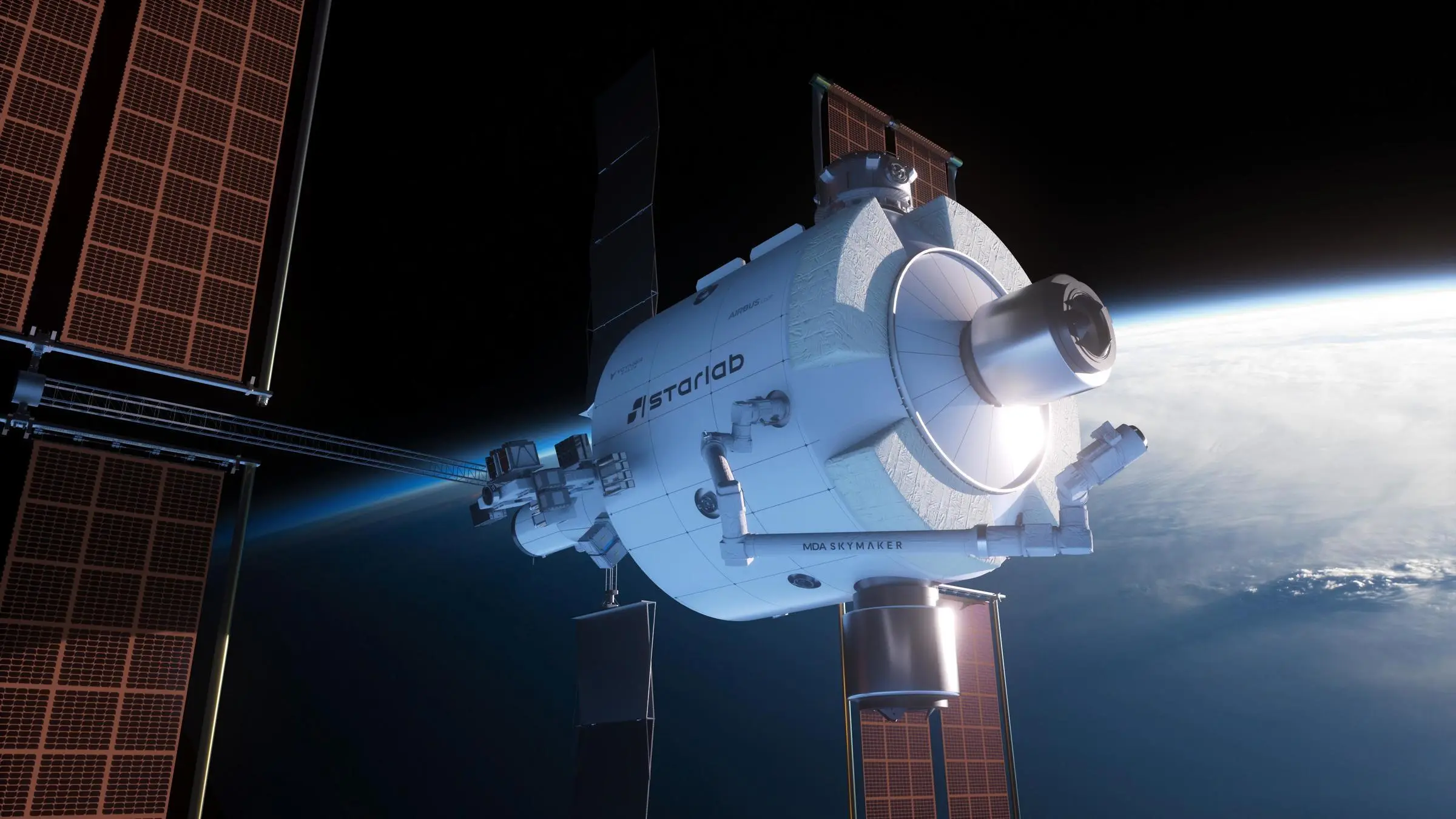
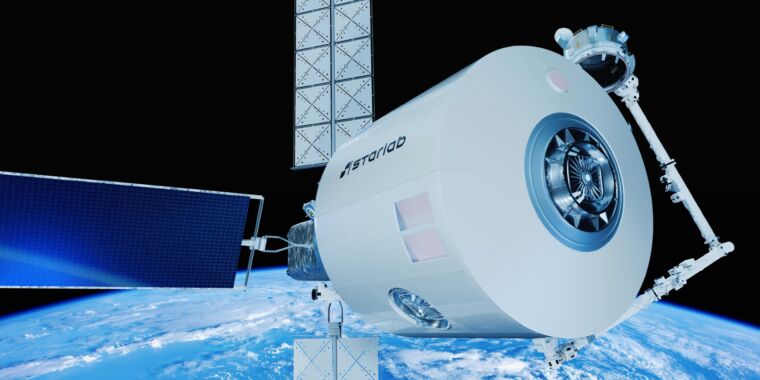
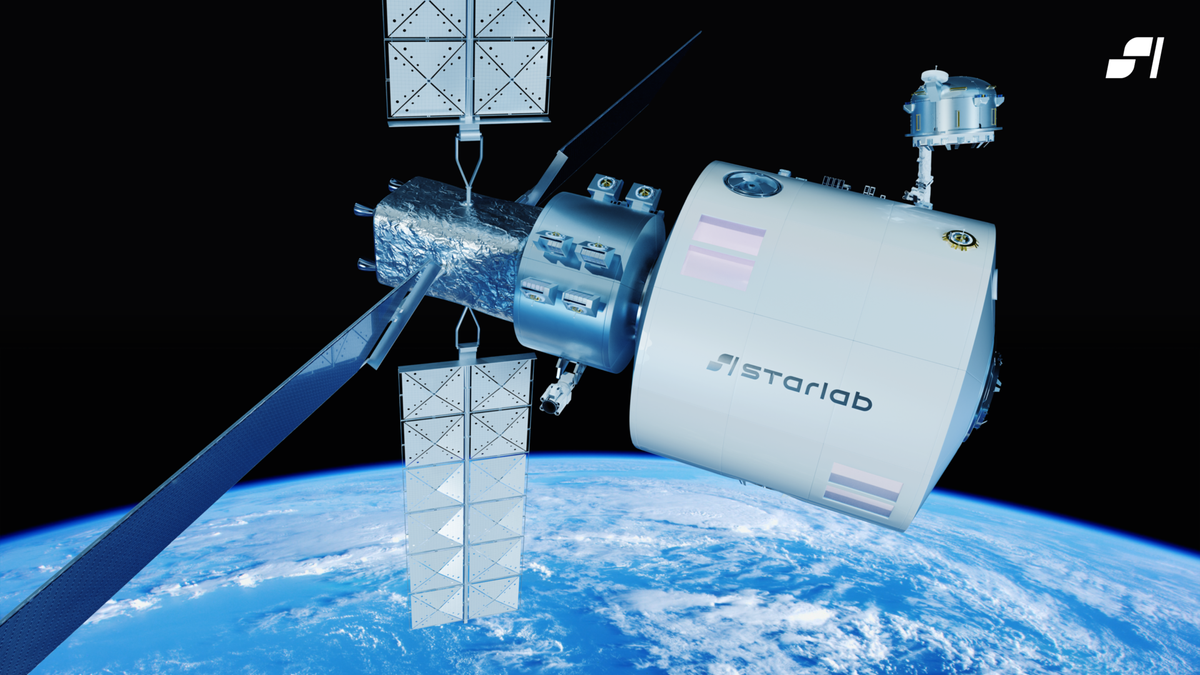
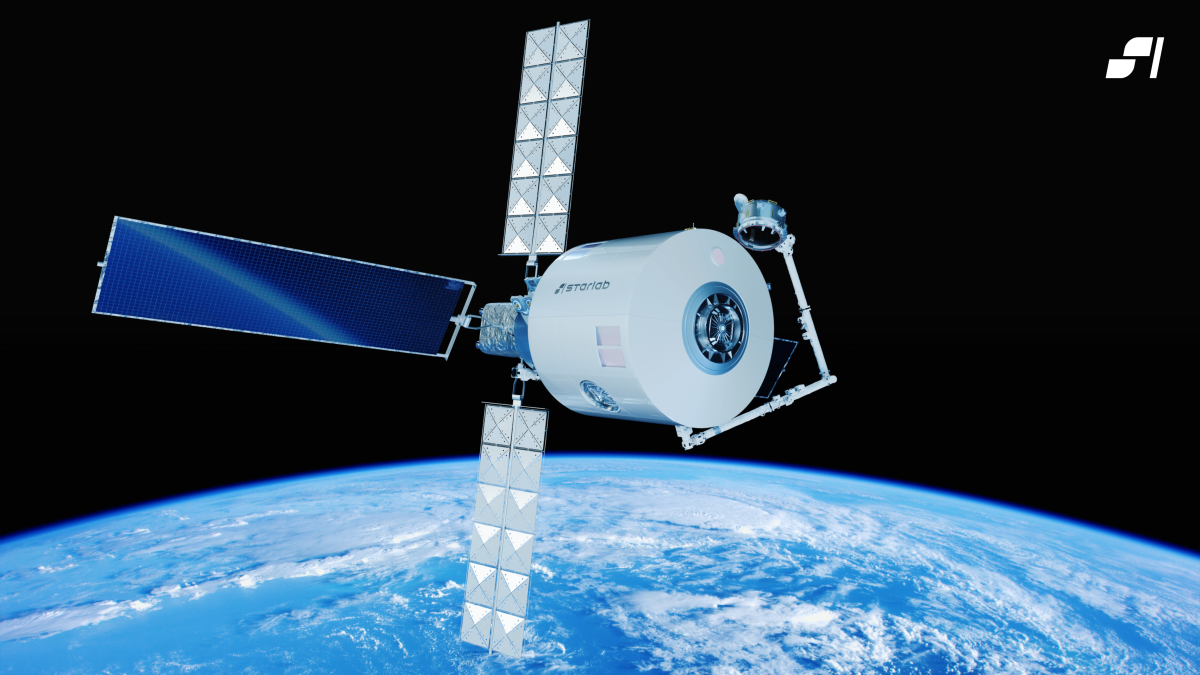
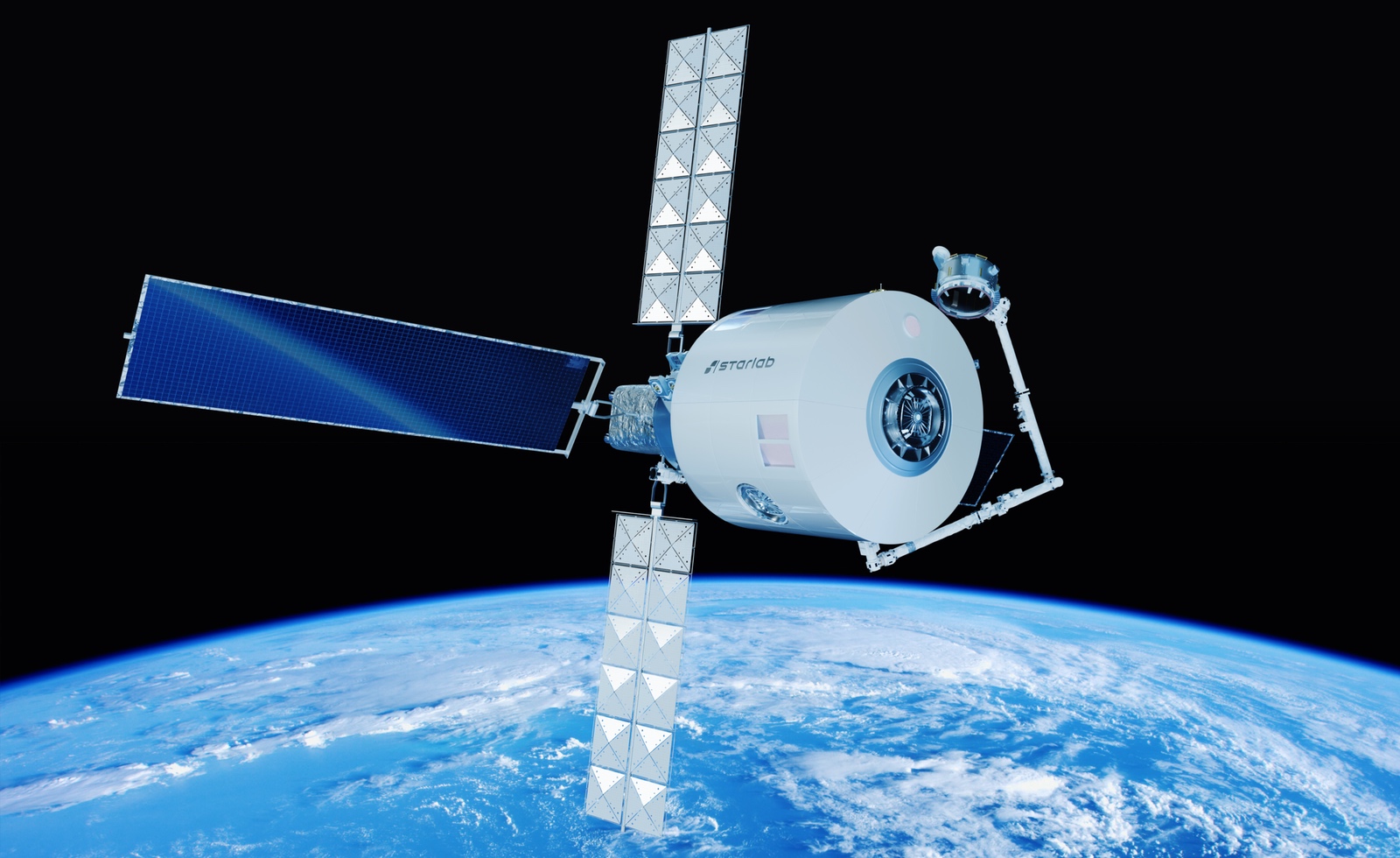
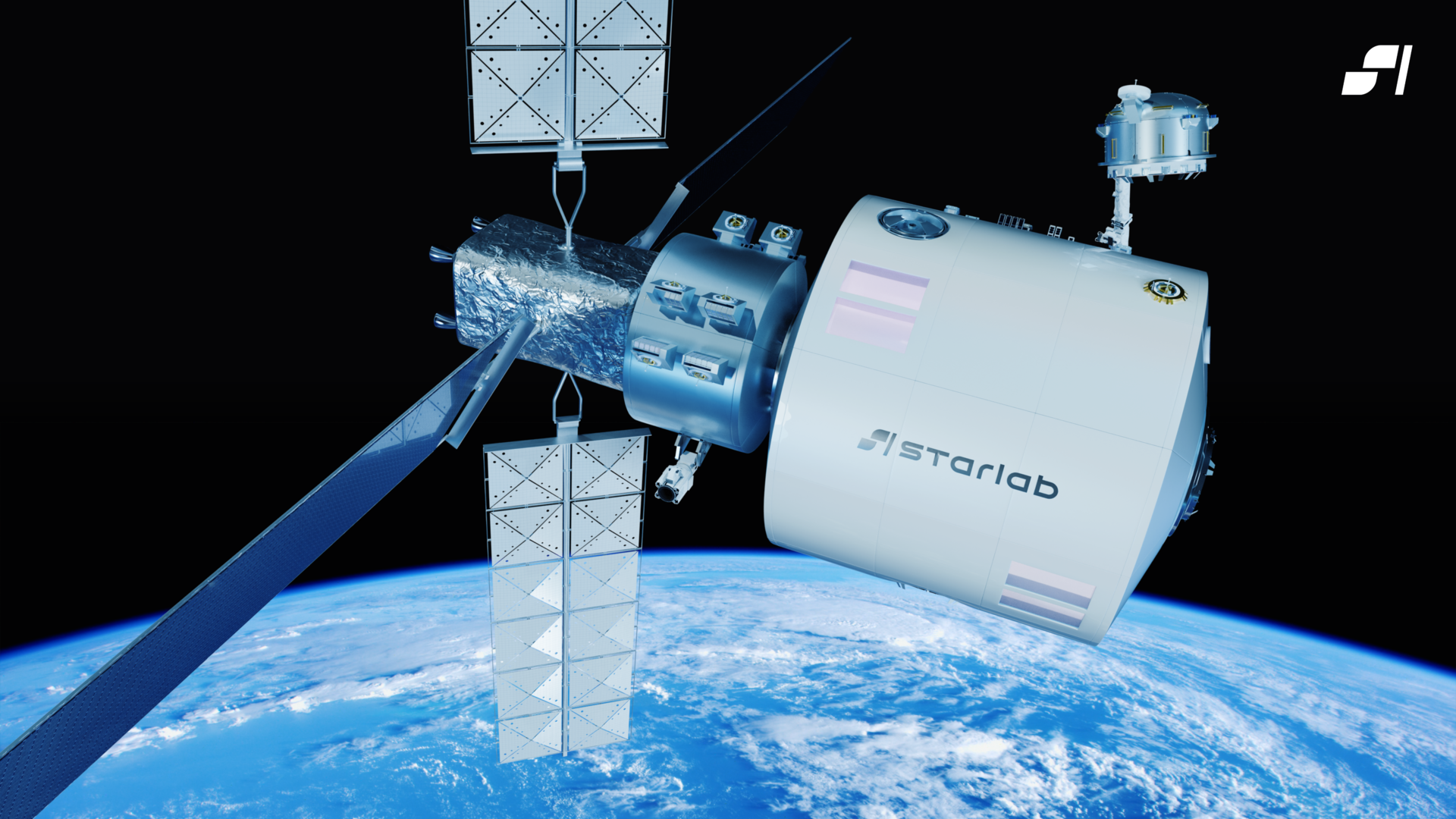
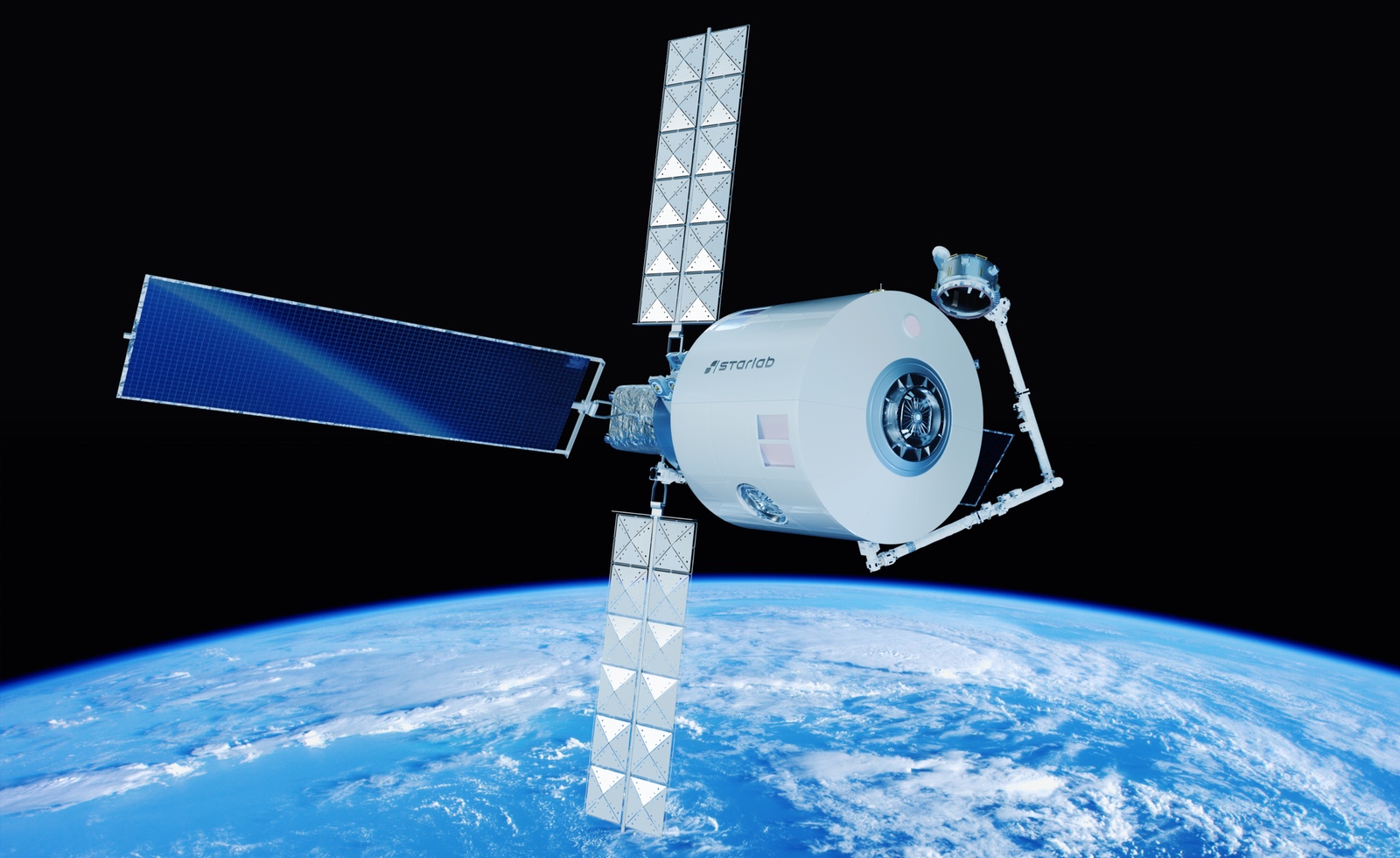
The Starlab commercial space station, a joint venture between Voyager Space and Airbus, will launch on SpaceX's Starship rocket with a habitable volume equivalent to half of the International Space Station's. It is set to launch no earlier than 2028 and will fit inside Starship's payload bay in a single flight. The involvement of Airbus makes Starlab attractive to European nations as a destination, potentially providing an advantage in finding customers beyond NASA to support the expense of flying and operating the station.
SpaceX's Starship rocket has been chosen by Starlab to launch its private space station into orbit, with a target launch date in the late 2020s. The 400-foot-tall Starship, capable of carrying up to 150 tons to low Earth orbit, will send the fully outfitted Starlab into space in a single launch, demonstrating the future of commercial space exploration.
SpaceX has partnered with Voyager Space and Airbus to launch a private space station called Starlab into orbit using a single Starship rocket, aiming to provide a continued human presence in low-Earth orbit after the International Space Station is decommissioned. The ambitious plan is reliant on SpaceX's Starship launch platform, which has yet to be proven viable after two failed orbital launch attempts. Despite the hurdles, the companies are confident in getting Starlab off the ground before 2030, with SpaceX expressing optimism about the future of commercial space.
SpaceX's Starship rocket has been chosen to launch the Starlab private space station, which is targeted to begin operations in the late 2020s. The four-person commercial station is expected to be up and running before 2030, providing a new outpost for astronauts after the International Space Station ceases operations. Starlab is being developed by Voyager Space and Airbus, and will be sent into orbit in a single flight by the massive Starship rocket, which is part of SpaceX's next-generation transportation system.
Voyager Space and Airbus announced that their private space station, Starlab, will be launched into orbit by SpaceX's Starship rocket before 2030, aiming to avoid a potential "space station gap" after the International Space Station is decommissioned. The decision to launch in a single mission reduces on-orbit risks, and the joint venture between Voyager and Airbus will leverage technical expertise from both companies. The project received a $160 million contract from NASA for design and development, with a focus on having Starlab in orbit before the ISS retirement in 2030.
NASA's commercial space station partners, Axiom Space, Blue Origin's Orbital Reef, and Voyager Space's Starlab, are making progress in designing and developing their orbital destinations. Axiom Space is on track to launch its first module, Axiom Hab One, to the International Space Station in 2026, while Blue Origin recently completed tests for a window system and a structural demonstration for Orbital Reef. Voyager Space's Starlab completed milestones for an optical link demonstration and alternative urine processor demonstration. These developments are part of NASA's efforts to maintain a continuous human presence in low Earth orbit and provide services to NASA and others.
The European Space Agency (ESA) has signed a Memorandum of Understanding with Voyager Space and Airbus for the upcoming Starlab commercial space station. Set to launch in 2028, Starlab will provide an alternative low-Earth orbit destination after the retirement of the International Space Station (ISS) in 2030. The station will focus on science and technology development, offering opportunities for research, commercial business development, and European industrial and institutional contributions. The collaboration between ESA, Voyager Space, and Airbus aims to extend Europe's footprint in space and advance European science.
Airbus and Voyager Space have signed an agreement with the European Space Agency (ESA) to study the potential use of their Starlab commercial space station as a successor to the International Space Station (ISS). The agreement involves studying how Starlab can provide continued access to space for Europe after the retirement of the ISS, including ESA astronaut missions and research. ESA may also provide cargo and crew transportation for Starlab. This collaboration aims to extend Europe's footprint in space and ensure its leadership in the new generation of commercial space exploration.
ESA, Airbus, and Voyager Space have signed a Memorandum of Understanding for the Starlab space station, outlining their intention to foster science and technology development in low Earth orbit. The collaboration will focus on exploring opportunities for access to space for Europe through the Starlab space station, including astronaut missions, research activities, and commercial business development. The agreement reflects ESA's ambition for a smooth transition from the International Space Station towards sustained exploitation of human and robotic infrastructures in low Earth orbit after 2030. Starlab is expected to launch in 2028, with commercial operations starting in 2029.
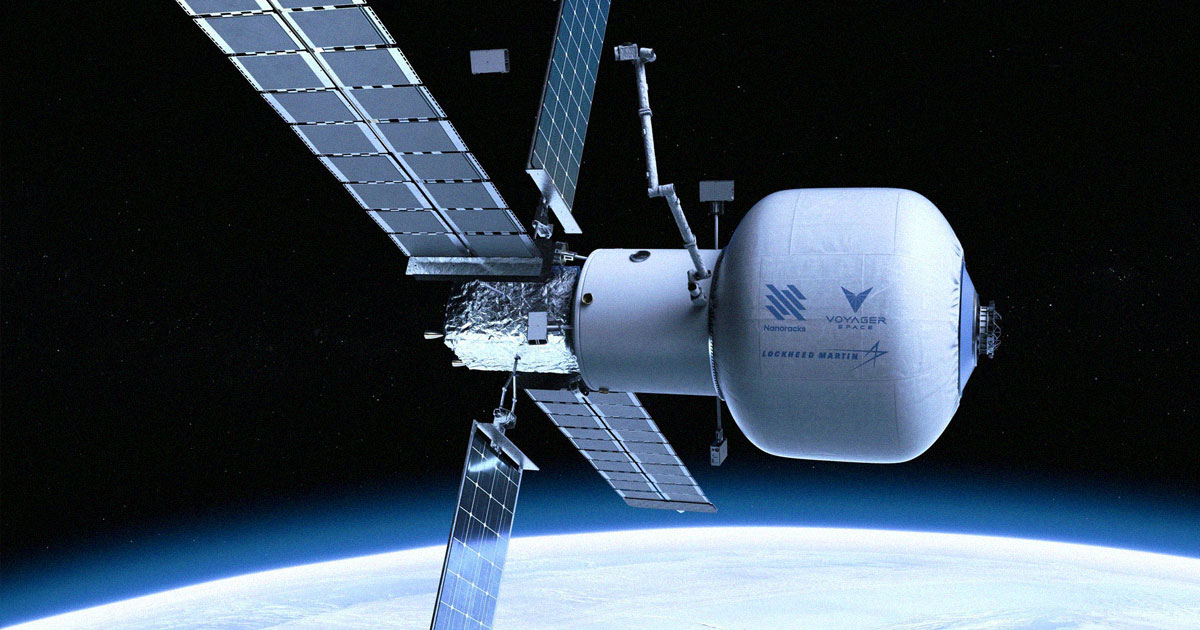
Northrop Grumman has withdrawn from its solo plans to develop a commercial space station and has partnered with Nanoracks, a subsidiary of Voyager Space, to collaborate on the "Starlab" project. Under this new venture, Northrop Grumman will provide cargo transportation services using the upgraded Cygnus spacecraft, which will feature autonomous docking capabilities. The partnership aims to support the development of advanced docking systems and push forward transportation operations in low Earth orbit (LEO). Northrop Grumman's decision to join forces with Nanoracks comes after receiving a green rating for its technical approach but a yellow rating for its business plan in NASA's evaluation of free-flying space station proposals.
Northrop Grumman has decided to abandon its plans to develop its own commercial space station and instead join forces with Voyager Space to assist in the development of the Starlab space station. The partnership will involve the development of autonomous docking systems for Northrop's Cygnus cargo spacecraft to dock with Starlab. The move comes as part of NASA's efforts to support the development of commercial successors to the International Space Station, which is set to retire in 2030. Northrop will withdraw from its agreement with NASA, and the agency will redirect the remaining funding to add milestones to agreements with Voyager Space, Blue Origin, and Axiom Space.
Voyager Space and Airbus Defence and Space have formed a joint venture called Starlab to develop and operate the commercial space station. The partnership aims to create a long-term collaboration for the Starlab project, with Voyager Space holding at least 51% ownership. The involvement of Airbus could facilitate European participation in the project, addressing concerns about paying American companies for flying European astronauts. Starlab will focus on research applications and aims to provide modern equipment and capabilities for customers, including government agencies and pharmaceutical companies.