The Supreme Court ruled 7-2 that fuel producers can challenge California's ability to set its own vehicle emissions standards under a federal waiver, focusing on whether they have standing to sue, without addressing the legality of the standards themselves. The decision emphasizes the potential harm to manufacturers from California's regulations, which aim to reduce greenhouse gases and combat climate change, but leaves the merits of the case open for future litigation.
The Supreme Court heard arguments challenging the FDA's relaxed regulations on the abortion pill, with legal experts suggesting the case may be dismissed due to lack of standing. Justices appeared skeptical of the FDA's lack of accountability for any harms caused by the pill, with Justice Alito questioning the FDA's infallibility and whether anyone can sue in such cases. The questioning may indicate the justices' thinking on who has standing in such matters, with implications for future legal challenges.
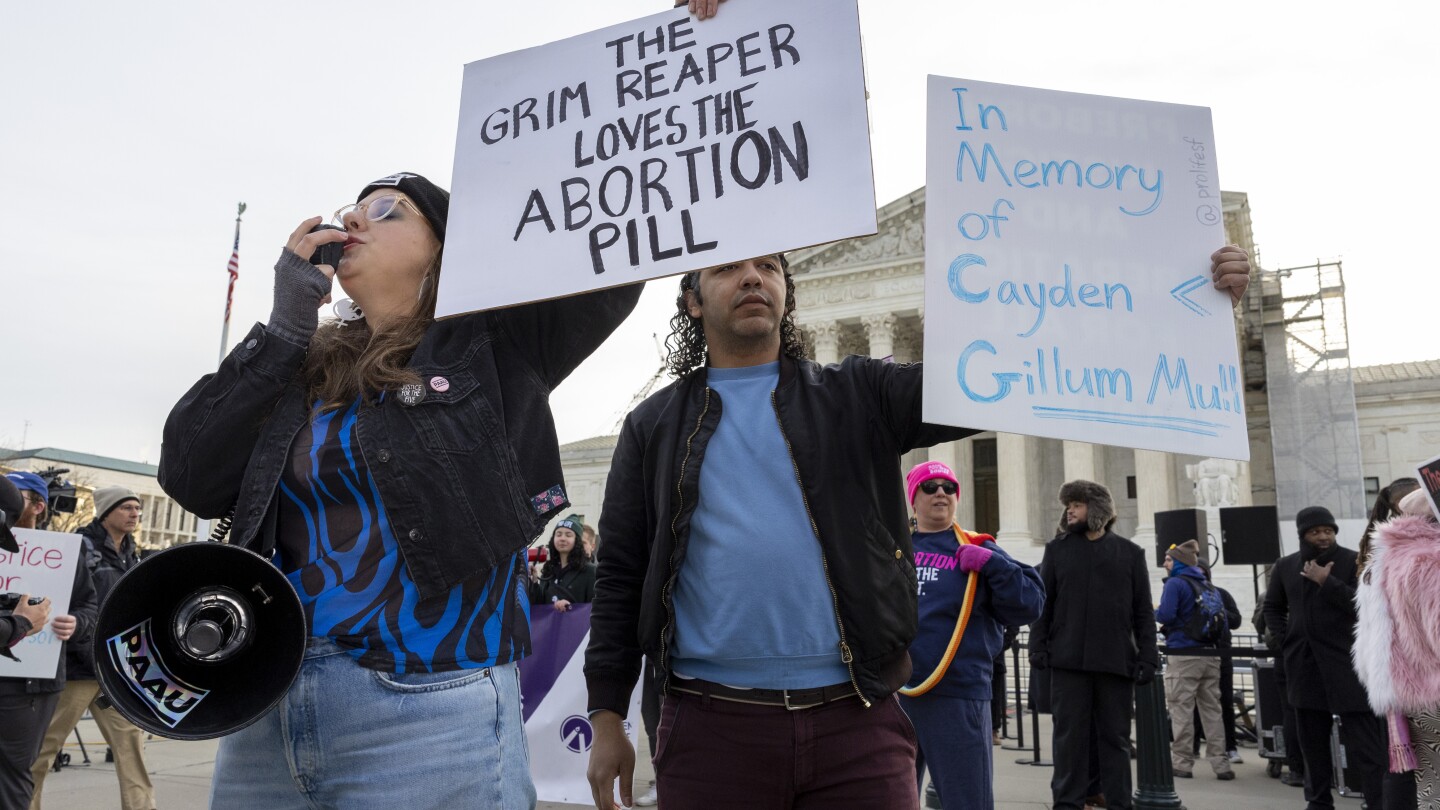
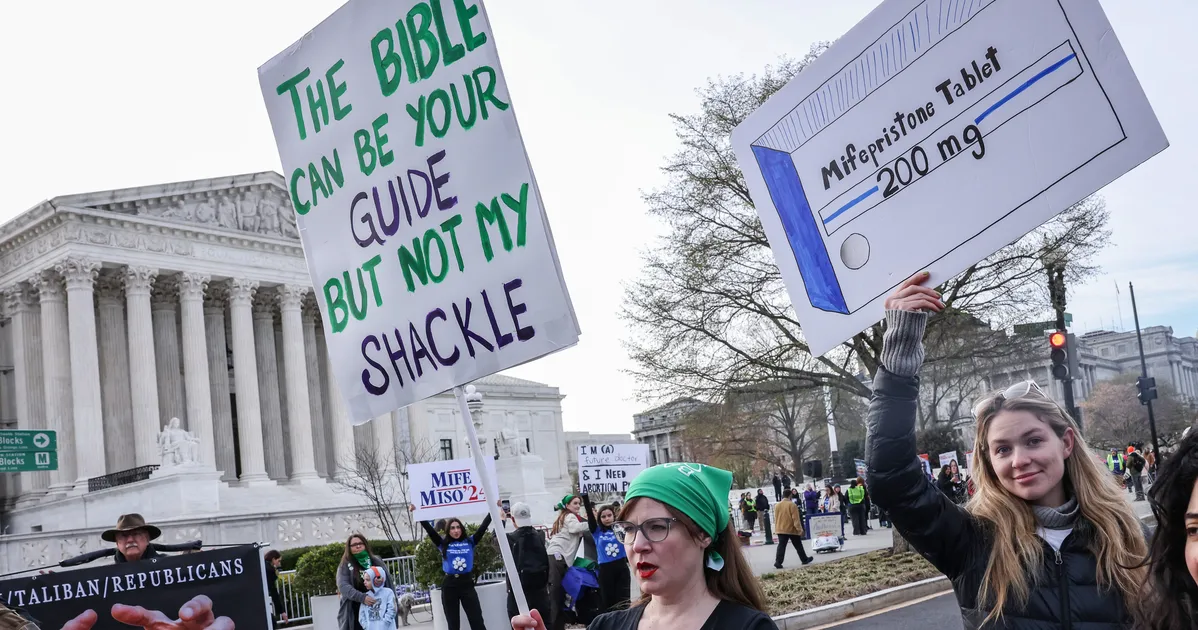
The Supreme Court appears likely to uphold access to the abortion medication mifepristone, with a consensus emerging during arguments that the abortion opponents challenging the FDA's approval lack legal standing to sue. Justices, including conservative appointees, expressed skepticism about the opponents' standing, signaling a potential dismissal of the case. The decision, expected by early summer, could have significant political and practical implications, affecting access to medication abortions and telehealth visits. Abortion rights activists rallied outside the court, and the case's outcome may impact future abortion-related regulations.
The Supreme Court heard arguments on the legality of federal regulations allowing the distribution of the abortion drug mifepristone through the mail, with a focus on whether the anti-abortion doctors association that brought the case had standing to sue. Conservative justices questioned the standing of the group, suggesting skepticism, while the case could potentially roll back access to mifepristone and impact telehealth visits for abortion pills. The lawsuit, originally filed in Texas, has sparked debate over the safety and accessibility of mifepristone, with a ruling expected in late June.
The U.S. Supreme Court justices appeared skeptical of a medical group's challenge to FDA regulations on abortion pills, questioning the group's standing to bring the suit and expressing concerns about the broader implications for the FDA's regulatory power. The case raises issues beyond abortion rights, delving into the FDA's authority to approve drugs and ensure their safety.
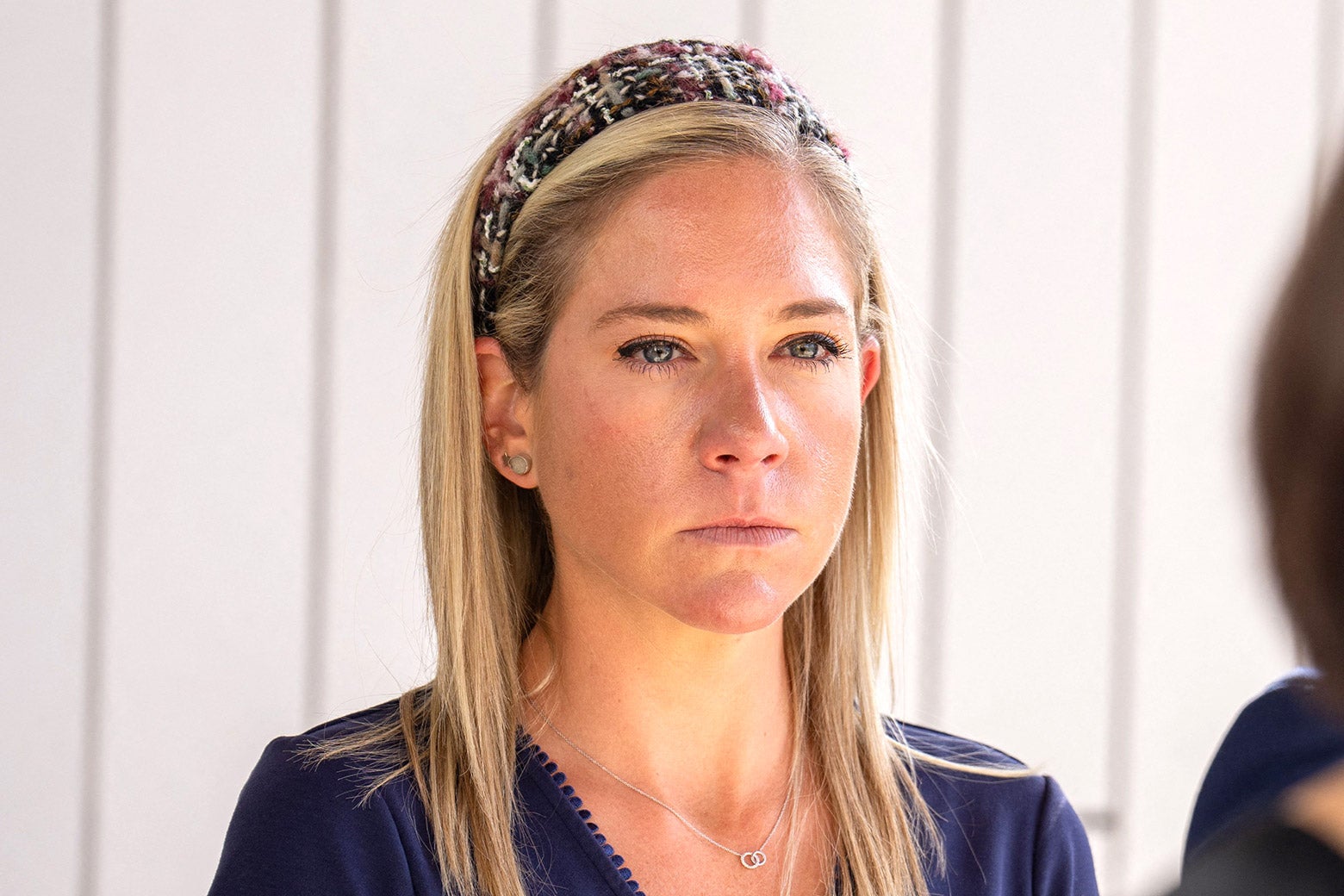
Texas resident Kate Cox, facing a nonviable pregnancy that posed a threat to her future fertility, sought an abortion through a court's good-faith exception to Texas' restrictive abortion laws. However, Texas Attorney General Ken Paxton intervened, threatening criminal sanctions against Cox's physicians and hospitals if they aided in the abortion. The Texas Supreme Court ultimately ruled that Cox's physician's belief did not meet the state's standard for a good-faith exception. Amanda Zurawski, the lead plaintiff in an ongoing lawsuit challenging Texas' abortion laws, and her lawyer, Jamie Levitt, discuss the standing issue and the state's attempts to evade judicial review while showing disdain for women facing pregnancy crises.
A new study published in the European Heart Journal found that even light activities such as standing or sleeping are better for heart health than sedentary behavior. Replacing sitting with just a few minutes of moderate exercise a day can improve heart health, with moderate-vigorous activity providing the most benefits. The study analyzed data from over 15,000 participants and found that replacing sedentary behavior with any other behavior, even lighter activities like walking or moving, can be beneficial. The researchers suggest that personalized recommendations can help individuals become more active and reduce the risk of cardiovascular diseases.
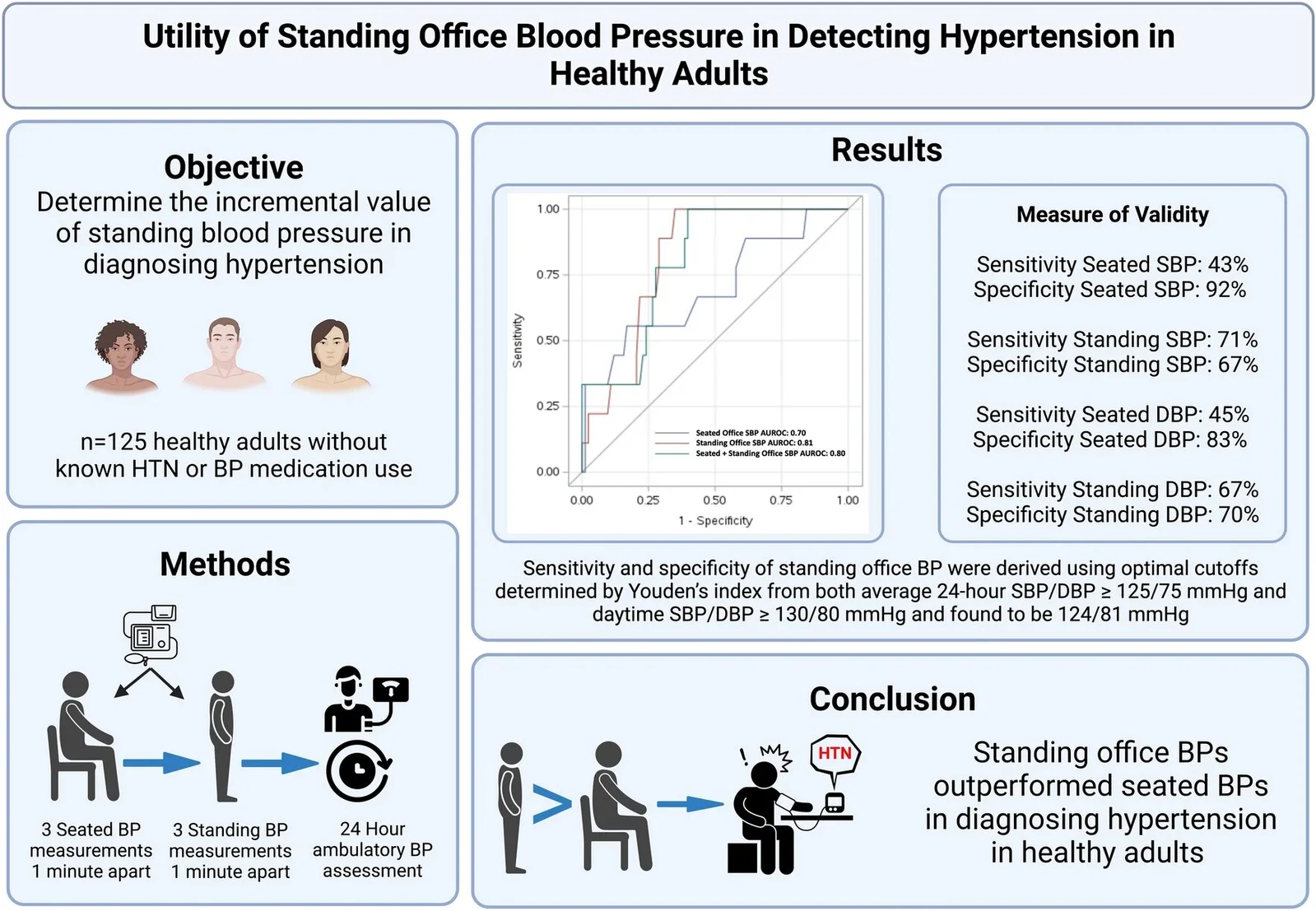
Measuring blood pressure while standing instead of sitting may improve the accuracy of detecting hypertension, according to researchers at UT Southwestern Medical Center. Current blood pressure screening methods, which are typically done while patients are sitting, have limited sensitivity and reliability. The study found that measuring blood pressure in the standing position significantly improved diagnostic accuracy. This could lead to better detection and diagnosis of hypertension, a major risk factor for cardiovascular disease and stroke.
The Supreme Court heard arguments in the civil rights case of Acheson Hotels v. Laufer, in which the plaintiff, Deborah Laufer, has asked for her own case to be dismissed. The Court is likely to dismiss the case either on standing grounds or on mootness grounds. The case involves a federal regulation requiring hotel websites to provide information about accessible features for individuals with disabilities. Laufer, who has filed numerous lawsuits against hotels for non-compliance, has not stayed at the hotel in question and her grievance is not a particularized injury. The Court's decision will have implications for future lawsuits involving the Reservation Rule and the rights of testers to bring civil rights suits.
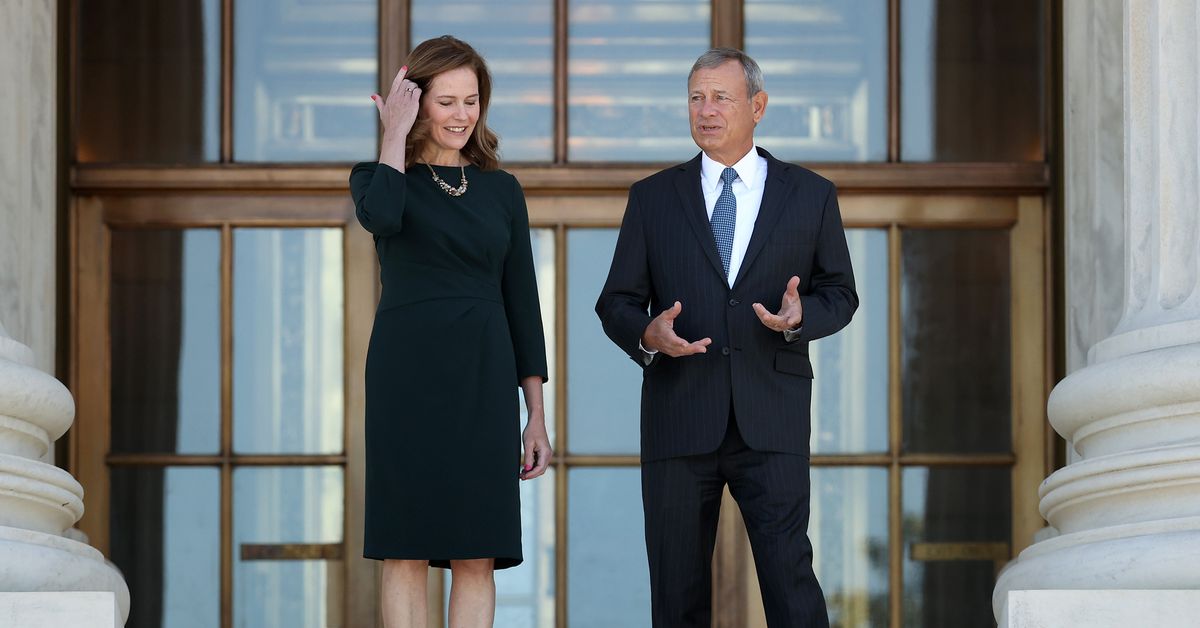
Justice Amy Coney Barrett's recent ruling on a case challenging the Indian Child Welfare Act of 1978 may provide insight into how the Supreme Court will rule on the pending student-loan forgiveness plan. The ruling centered on the issue of standing, which is also central to the student-debt relief lawsuits. Barrett's decision to dismiss Texas' claims could signal how she and other justices might handle the student-loan forgiveness cases and the question of whether states can sue on behalf of other entities. A final decision is expected in the coming weeks.
The Supreme Court is expected to rule soon on President Biden's student loan forgiveness plan, which could provide up to $20,000 in debt relief for millions of Americans. The Court must evaluate whether the federal law cited by the Biden administration authorizes such sweeping debt relief and whether the challengers have standing to sue. A recent opinion by Justice Amy Coney Barrett in an unrelated case may provide clues as to how the Court will rule on the standing issue. The Court could potentially release its decision on June 16 or later in June or early July.
As the Supreme Court prepares to hear a case on medication abortion, five issues could attract the attention of the justices, including whether the plaintiffs have standing to bring the case, the authority of federal agencies to assess public health, and the impact of the ruling on the regulatory landscape. The case could also have implications for states that allow abortion, as the judge's decision would severely cut back on access to medication abortion. Critics of the judge's decision fear it could confuse patients and restrict access to safe therapeutic options.