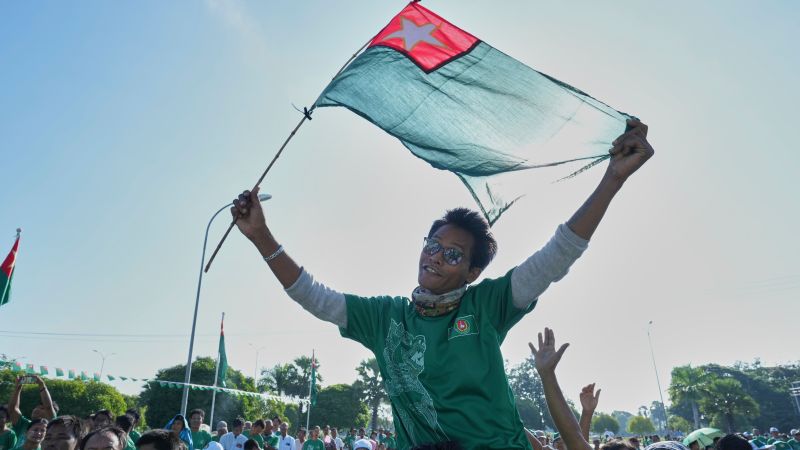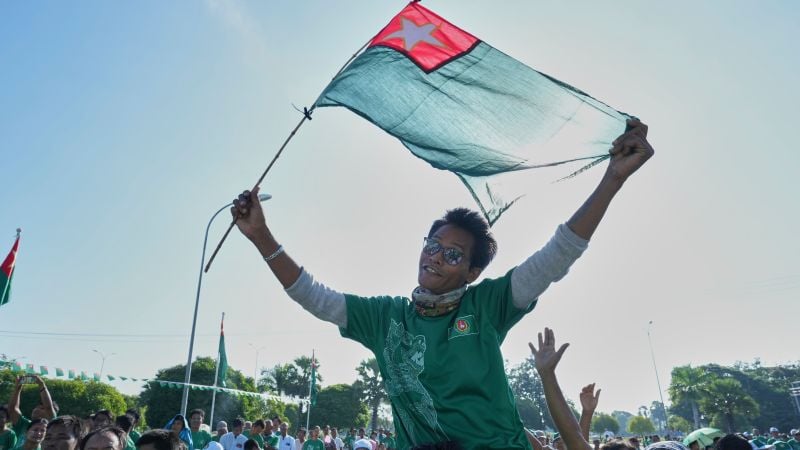
Myanmar's military government has charged over 200 individuals with violating election laws ahead of a controversial election, amid accusations of unfairness and ongoing civil conflict, with severe penalties including the death penalty for disrupting the electoral process.
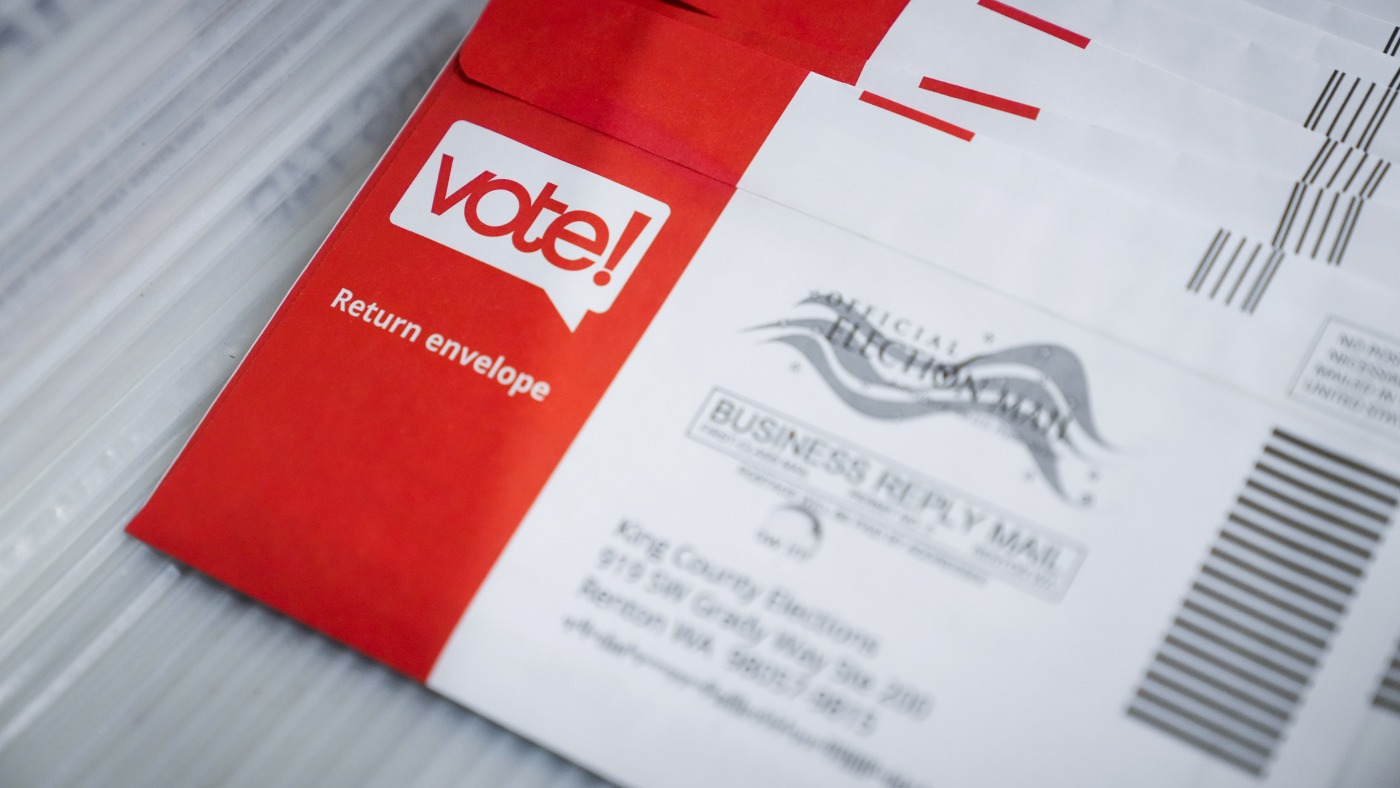
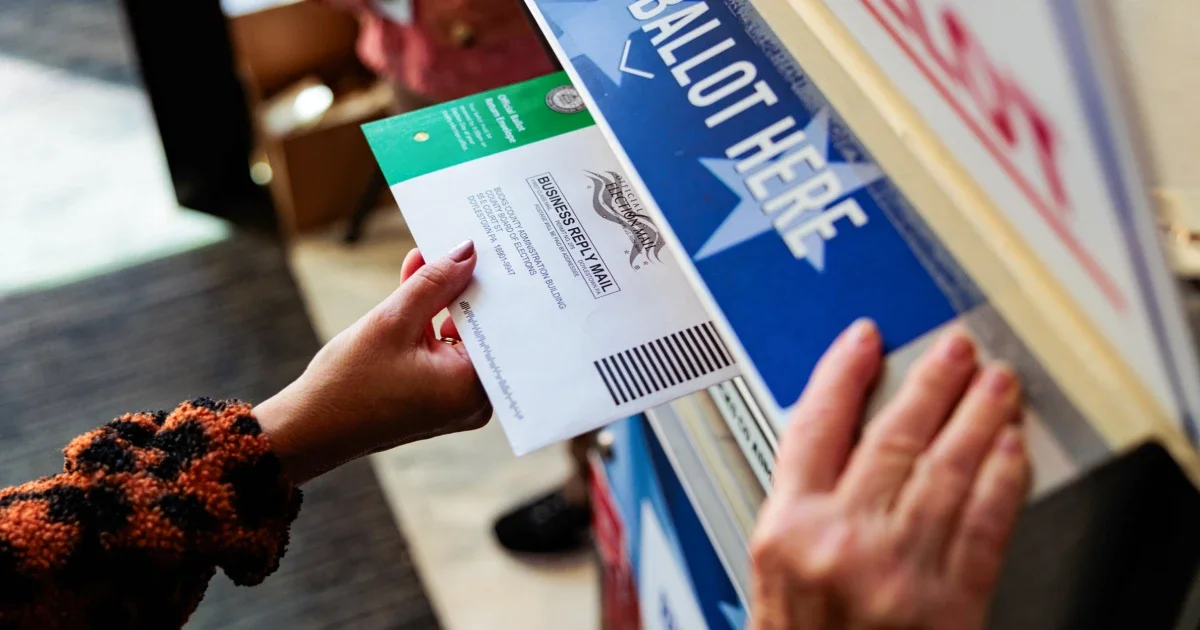
The U.S. Supreme Court will hear a case challenging whether states can count mail-in ballots received after Election Day, a practice currently allowed in about 20 states, including Mississippi, which is contesting a law that grants a five-day grace period for mail ballots. The case could impact voting procedures and the counting of late-arriving ballots in future elections.
The Supreme Court will consider whether federal law prohibits states from counting mail-in ballots received after Election Day, a case involving Mississippi's law that allows such ballots to be counted if received within five days post-election, with implications for nationwide voting procedures.
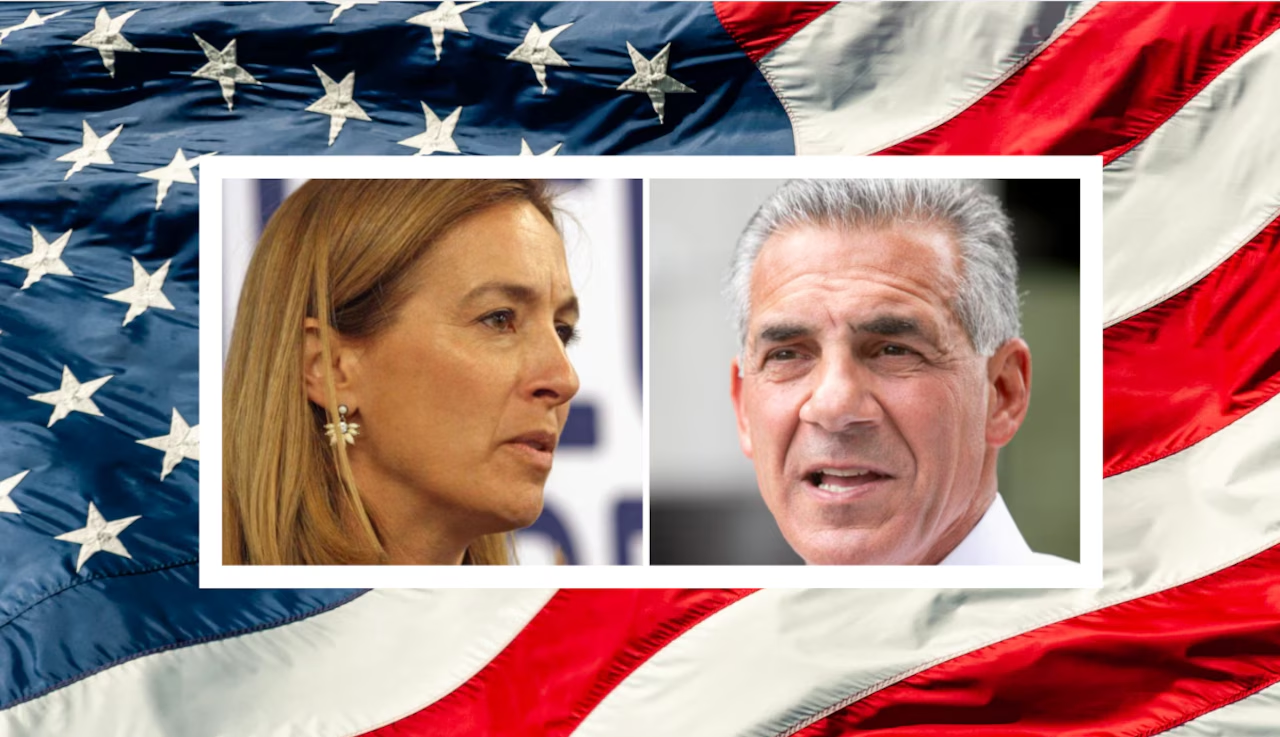
New Jersey's gubernatorial race between Mikie Sherrill and Jack Ciattarelli is expected to have faster results due to new voting laws allowing mail-in ballots to be counted up to five days before Election Day, marking the first election under this reform, which aims to speed up vote counting and provide clearer results.
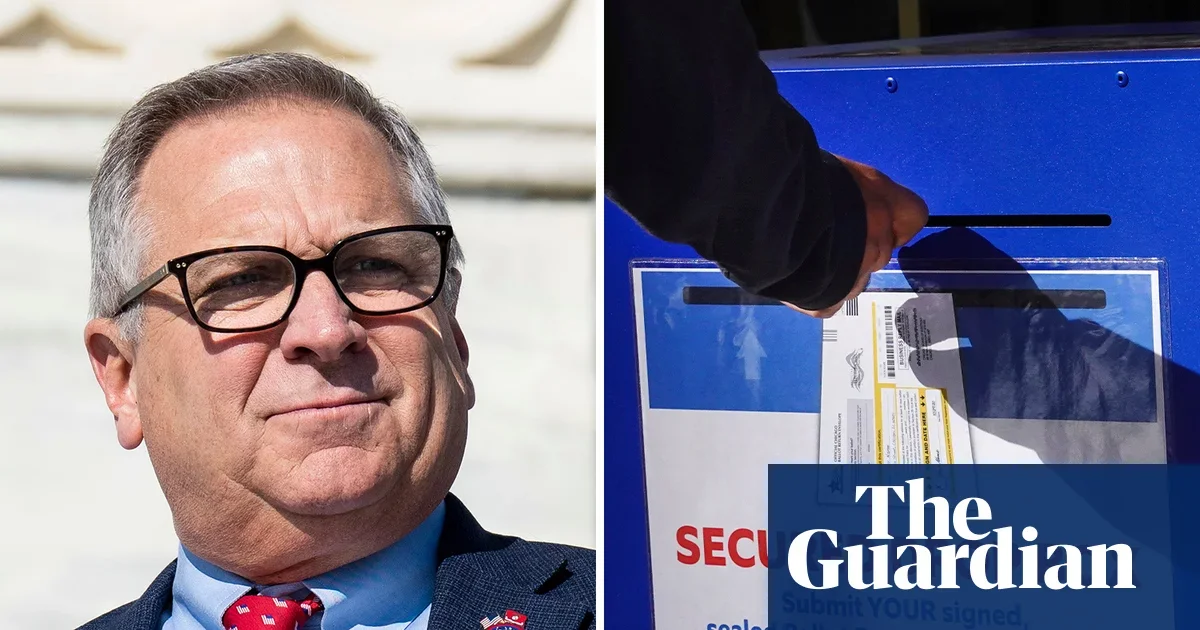
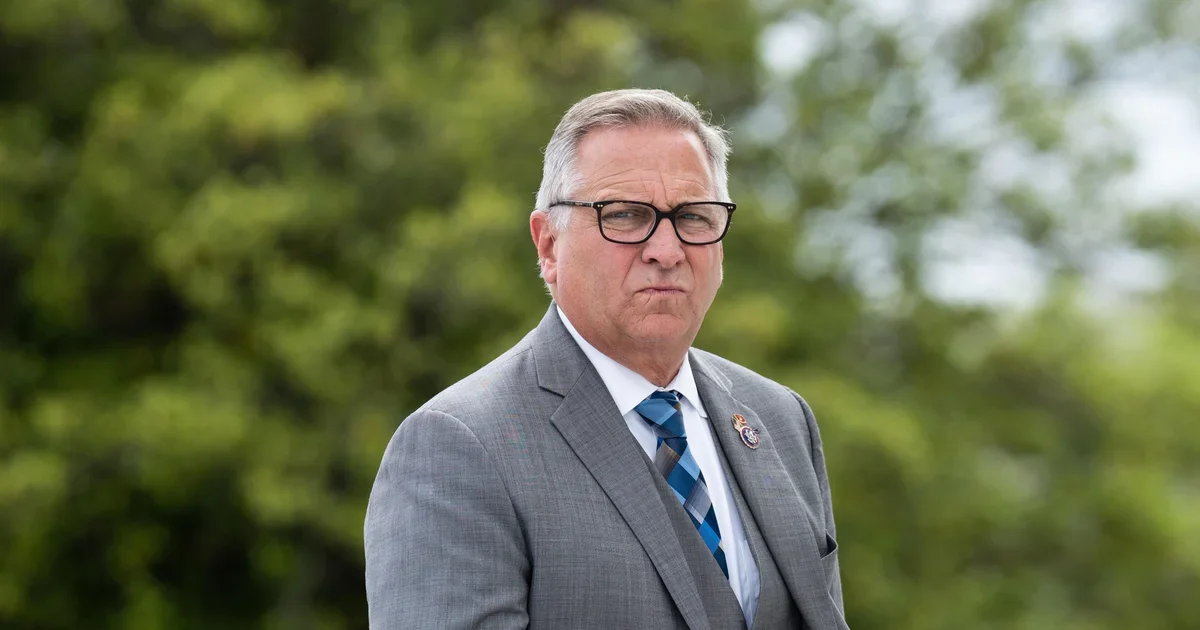
The U.S. Supreme Court heard a case involving Illinois voting rules, where Rep. Michael Bost challenged the constitutionality of allowing mail-in ballots to be counted up to 14 days after Election Day. The justices questioned the standing of candidates to sue based on their chances of winning, with skepticism expressed about the broad ability of any candidate to challenge election rules. The case highlights debates over election law and candidate rights to challenge voting procedures.
The Supreme Court appears poised to revive a Republican challenge to Illinois' law allowing the counting of late-arriving mail ballots, focusing on whether a GOP congressman has the legal standing to challenge the law, amid broader debates on mail-in voting and election integrity.
The Supreme Court will consider reviving a lawsuit challenging Illinois' mail-in ballot counting policy, which could impact future election law challenges and clarify who has standing to sue over election issues, amid ongoing political debates over mail-in voting.
An appeals court in Pennsylvania ruled that mail ballots cannot be discarded solely because of misdated envelopes, citing that such a requirement violates voters' rights and offers little benefit in preventing fraud, potentially impacting future elections.
The Supreme Court is increasingly removing legal protections for voting rights and election fairness, including potentially striking down key provisions of the Voting Rights Act and endorsing partisan gerrymandering, which could undermine democratic principles and minority voting protections.
The return of the All-Star Game to Atlanta has largely gone uncriticized by top Georgia Democrats, despite their previous opposition to the 2021 election law that led to its earlier boycott, highlighting a shift in political stance or priorities. Meanwhile, Georgia voters are choosing a Democratic nominee for the Public Service Commission amid concerns about undervotes and candidate disqualifications, and other political developments include education funding debates and election procedure reviews.
The Supreme Court is set to hear a case challenging the constitutionality of restrictions on political party spending in coordination with candidates, potentially reshaping campaign funding laws established in 1974.
The Supreme Court will hear a case challenging longstanding limits on how much political parties can spend in coordination with candidates, a decision that could significantly impact campaign funding and political speech laws in the U.S.
The Supreme Court will hear a case challenging Illinois' law that allows mail-in ballots to be counted up to 14 days after Election Day, brought by a Republican congressman and others who argue it violates federal statutes requiring ballots to be received and counted on Election Day.
The Supreme Court will review an Illinois case challenging the validity of mail-in ballots received after Election Day, a move that could impact voting laws in multiple states and is backed by conservative groups, amid ongoing debates over mail-in voting restrictions.