Tag

Fda Regulations

All articles tagged with #fda regulations

law6 months ago

Supreme Court Expands Business Rights to Challenge Federal Agencies

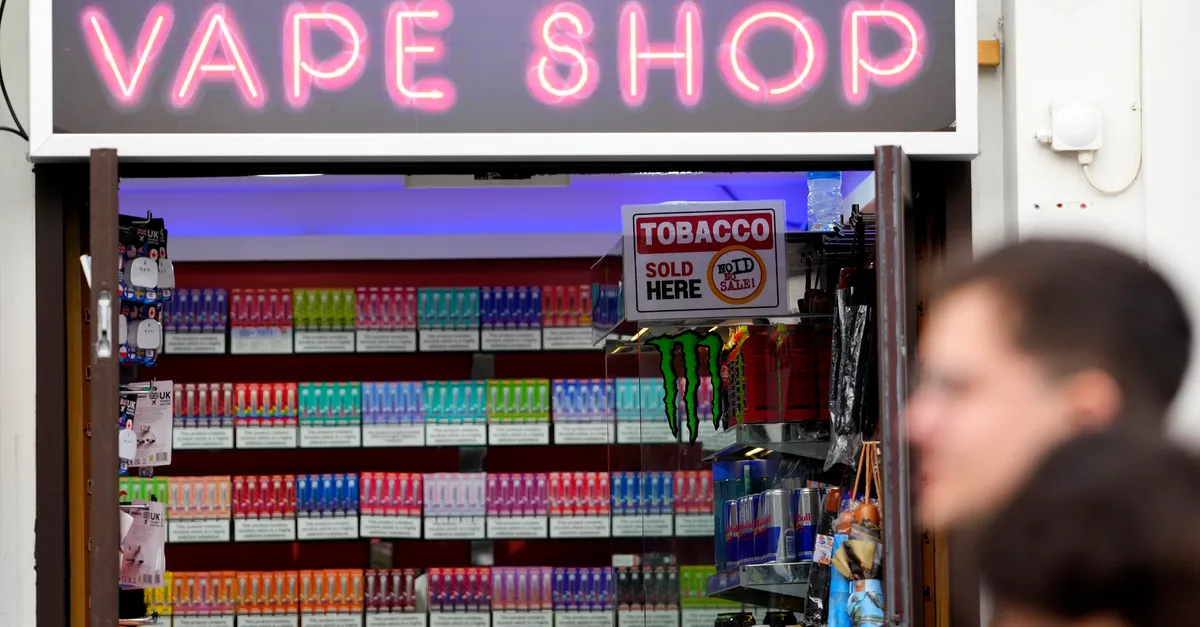
The Supreme Court ruled 7-2 that Big Tobacco companies can choose which judges hear their challenges to FDA tobacco regulations, making it easier for them to select courts favorable to their interests, especially benefiting cases in the conservative Fifth Circuit. This decision expands the ability of tobacco companies and related retailers to challenge regulations, potentially undermining congressional intent and affecting future litigation strategies.

health-safety1 year ago

"Fatal Health Supplement Linked to Deaths and Hospitalizations in Japan"

The recall of red yeast products linked to five deaths in Japan has raised concerns about the safety of dietary supplements containing the ingredient, which are readily available in the U.S. While no products containing benikoji have been recalled in the U.S., experts warn that the issue in Japan may also affect products in other markets. The FDA does not verify supplements' listed ingredients, and regulations for supplements are less stringent than those for pharmaceuticals. Consumers are advised to exercise caution when purchasing supplements and consider consulting a doctor for prescription cholesterol-lowering medications.

law-and-politics1 year ago

"Supreme Court Justices Express Doubt Over Effort to Limit Abortion Pill Access"

The U.S. Supreme Court justices appeared skeptical of a medical group's challenge to FDA regulations on abortion pills, questioning the group's standing to bring the suit and expressing concerns about the broader implications for the FDA's regulatory power. The case raises issues beyond abortion rights, delving into the FDA's authority to approve drugs and ensure their safety.

health1 year ago

"Link Between Ultra-Processed Food and 32 Health Problems Revealed in Massive Study"

A study published in the British Medical Journal suggests that consuming high amounts of ultra-processed foods is linked to adverse health outcomes, including anxiety, depression, obesity, metabolic syndrome, and certain cancers. These foods, which are prevalent in the American diet, are often high in salt, sugar, fat, and calories, and low in essential nutrients. While the exact mechanisms behind these associations are not fully understood, there is growing evidence that ultra-processed foods contribute to chronic diseases. As the FDA works on updating food labeling regulations, more research is needed to fully understand the connections between ultra-processed food consumption and disease risks.

health-and-safety2 years ago

"Expert Opinion: The Safety of Standing in Front of a Running Microwave"

Experts say that standing in front of a properly functioning microwave is safe, as the electromagnetic radiation it emits remains confined to the appliance and does not cause radioactivity in food or people. The FDA regulates microwave ovens to ensure safety, and the only risk comes from damaged devices potentially emitting harmful waves. Using microwave-safe materials and handling hot items with care are important for avoiding burns, but overall, there is no significant reason to fear using a microwave.

health-and-safety2 years ago

"Expert Opinion: The Safety of Standing in Front of a Running Microwave"

Experts say that standing in front of a properly functioning microwave is safe, as the electromagnetic radiation it emits remains confined to the appliance and does not cause radioactivity in food or people. The FDA regulates microwave ovens to ensure safety, and the risk of harm only arises if the oven is damaged and leaking radiation. Using microwave-safe materials and handling hot food with care are important for avoiding burns, but there is no real reason to fear using a microwave as long as it is in good condition and used properly.

food-and-health2 years ago

"The Ban on Époisses Cheese in the US: Unraveling the Controversy"

Époisses cheese, a French delicacy made from raw milk, is illegal in the US due to FDA regulations banning the sale and import of cheeses aged for less than 60 days, as they have the potential to develop harmful bacteria. Despite its pungent taste, the risks of consuming Époisses, which include the potential for dangerous pathogens like listeria and E. coli, outweigh its flavor profile. While some argue in favor of raw milk cheeses and defend their production as a fixture of French society, the FDA maintains strict regulations to ensure food safety.

food-and-health2 years ago

"Why Époisses Cheese Is Banned in the US"

Époisses cheese, a French delicacy made from raw milk and aged for less than 60 days, is illegal in the US due to concerns about potential harmful bacteria development. The FDA has strict regulations on unpasteurized cheeses, citing risks of infections. Despite debates on taste and safety, the ban remains in place, with some arguing for the benefits of raw milk cheeses. The controversy surrounding Époisses reflects broader discussions on food safety and cultural traditions.

health2 years ago

Fatal Consequences: The Horrifying Case of Radium Overconsumption

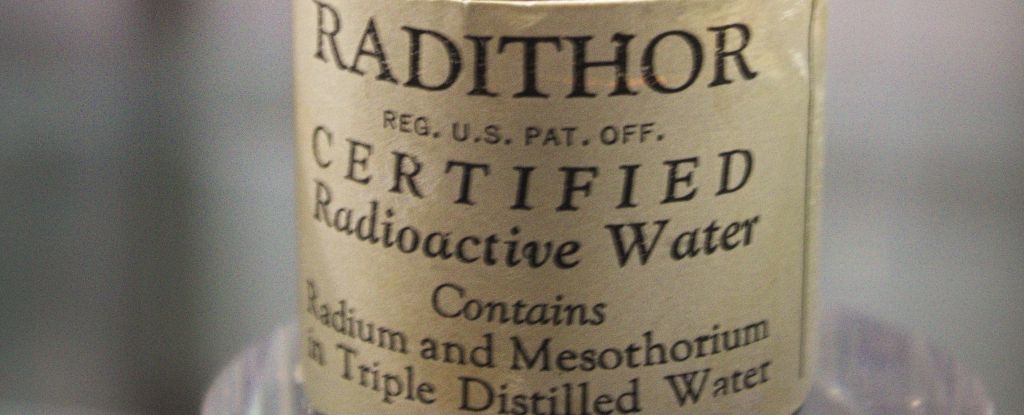
In 1932, Eben Byers died a gruesome death after consuming Radithor, a "miracle" tonic containing radium. Byers, a wealthy socialite, consumed over 1,000 bottles of Radithor in two years, resulting in his skull disintegrating and his body becoming highly radioactive. His death led to the inclusion of radioactive substances under FDA regulations, effectively shutting down the radioactive patent medicine industry. Byers' remains were exhumed in 1965 and found to be more radioactive than expected, highlighting the long-lasting dangers of radium.

health2 years ago

Consumer Reports urges ban on cancer-causing dye in Peeps ahead of Easter.

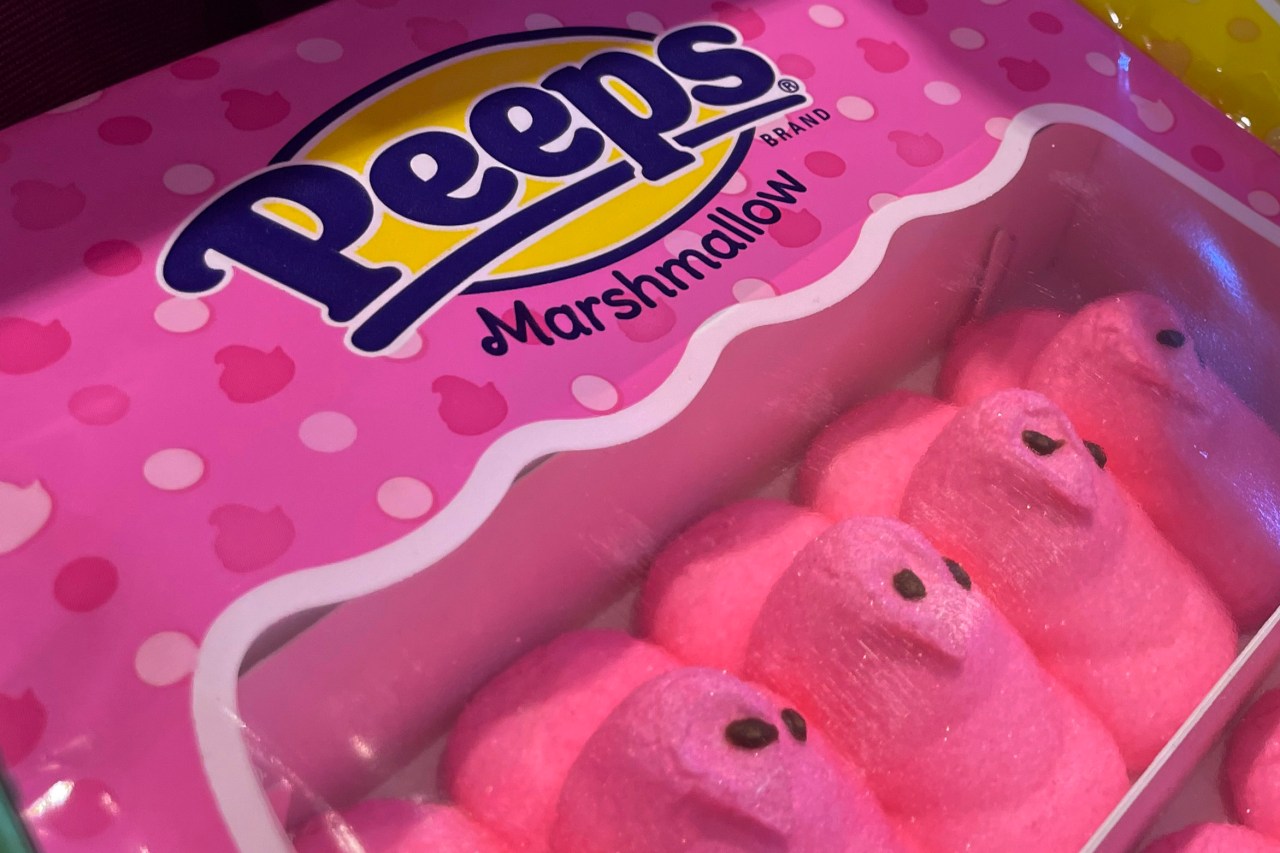
Consumer Reports is warning consumers about the dangers of eating pink and purple Peeps candy, a popular treat during the Easter holiday, since it contains Red Dye No. 3, a known carcinogen. The non-profit organization has delivered a petition with 35,000 signatures to the FDA calling for a ban on using the chemical in food. A California bill seeks to stop allowing the manufacture, sale and distribution of foods that contain Red Dye No. 3, Titanium Dioxide, Potassium Bromate, Brominated Vegetable Oil, or Propyl Paraben, which have been linked to health problems.