Tag

Abortion Pills

All articles tagged with #abortion pills

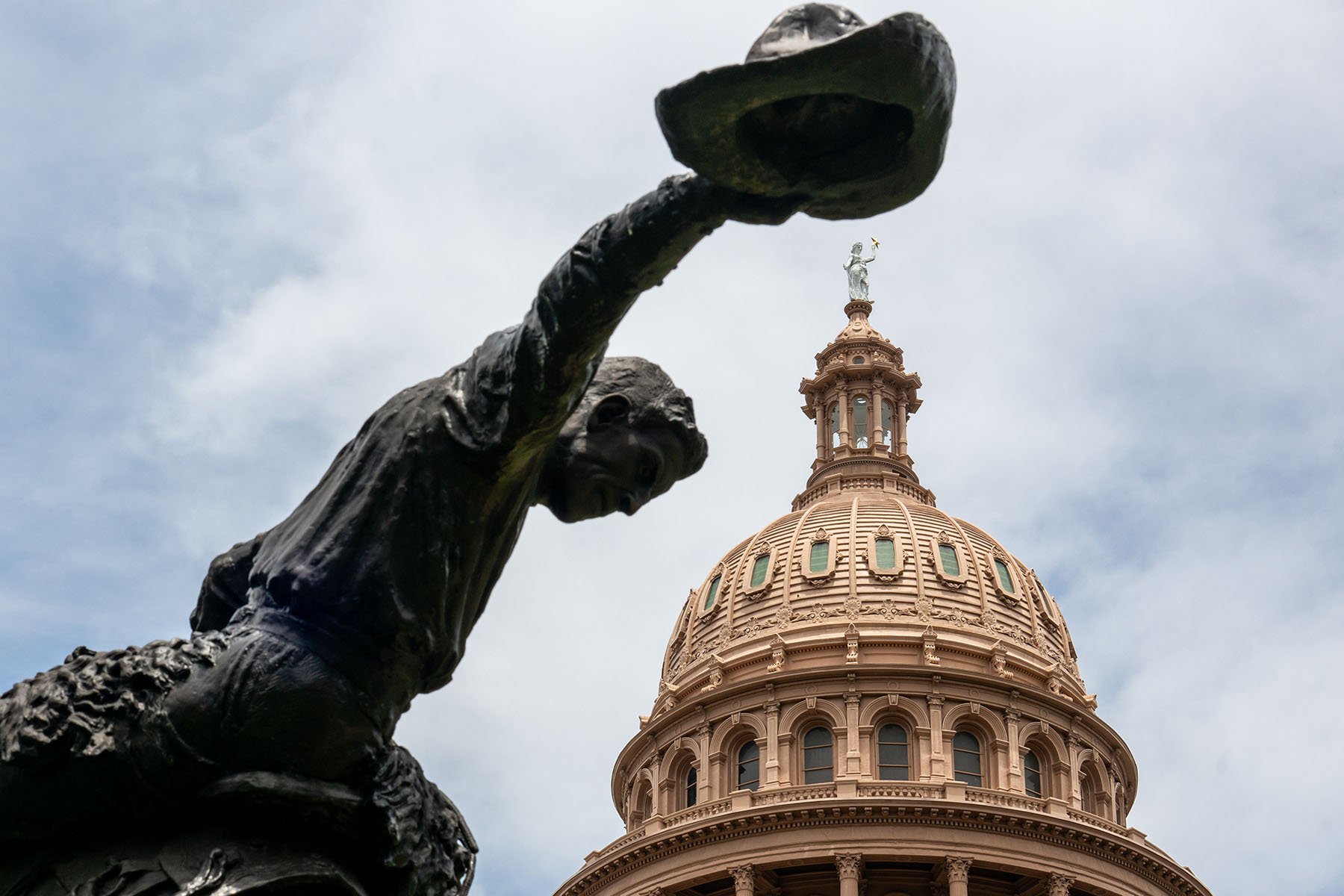
Texas enacts laws restricting abortion pill access and legal actions

Originally Published 4 months ago — by CNN

Featured image for Texas enacts laws restricting abortion pill access and legal actions
Source: CNN

Texas lawmakers have approved a law allowing private citizens to sue abortion pill providers, making it the first of its kind in the US, as part of the state's broader efforts to restrict abortion access. The law permits lawsuits against manufacturers, doctors, and mailers of abortion-inducing drugs, with potential damages up to $100,000, and aims to enforce Texas's existing abortion bans. The legislation has faced criticism for encouraging vigilantism and targeting out-of-state providers, while supporters claim it protects women and fetuses. The law is expected to be signed by Governor Greg Abbott and will take effect in December, likely sparking legal challenges.


Texas tightens restrictions on mail-order abortion pills and legal actions

Originally Published 4 months ago — by CBS News

Featured image for Texas tightens restrictions on mail-order abortion pills and legal actions
Source: CBS News

Texas lawmakers have passed a bill allowing private citizens to sue physicians and distributors who mail abortion pills into the state, aiming to restrict access to abortion medications and potentially sparking legal battles over interstate law enforcement. The bill also prohibits manufacturing abortion drugs in Texas and excludes hospitals and pregnant women from lawsuits, with the governor expected to sign it into law.

Louisiana Becomes First State to Classify Abortion Pills as Controlled Substances

Originally Published 1 year ago — by Reuters

Featured image for Louisiana Becomes First State to Classify Abortion Pills as Controlled Substances
Source: Reuters

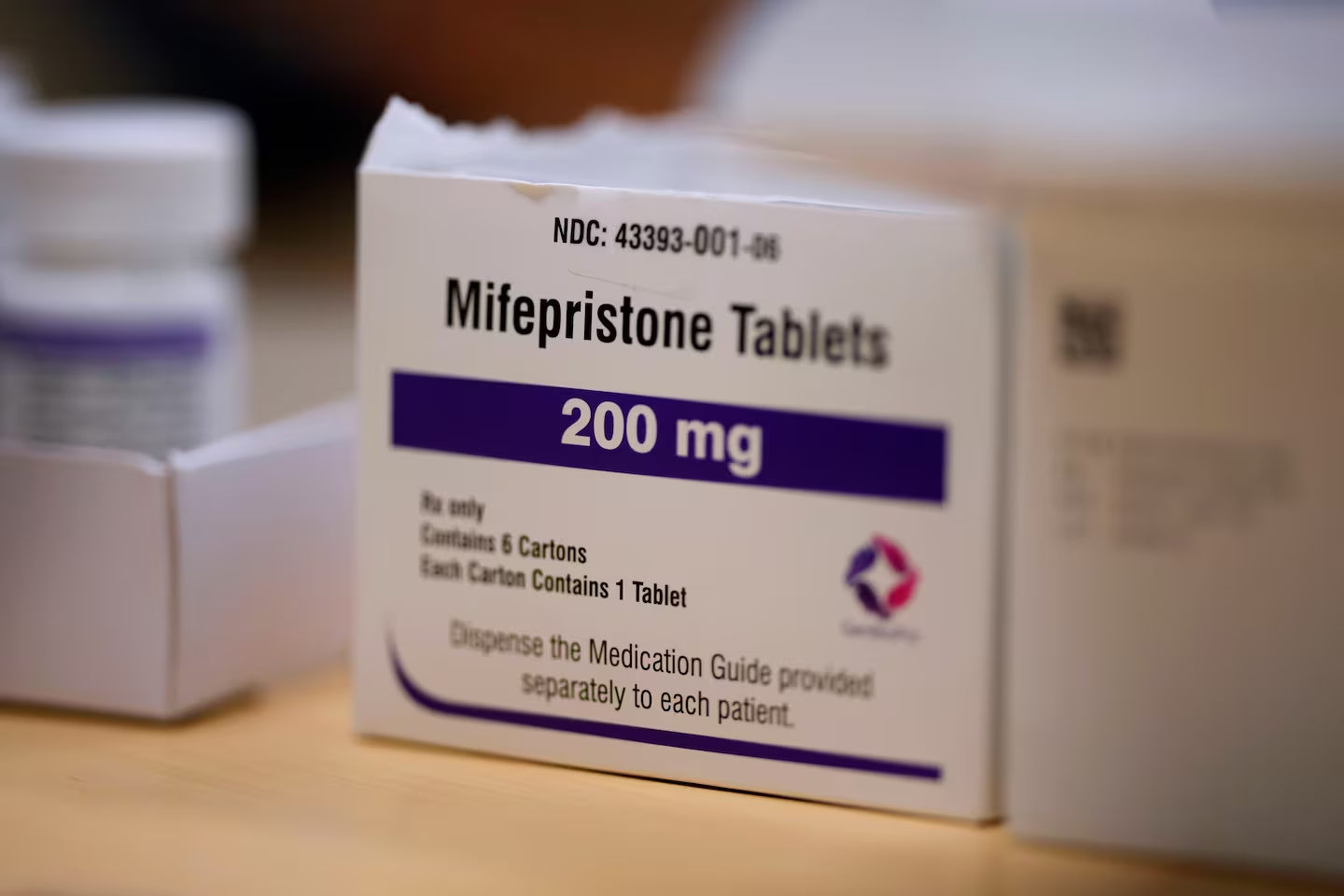
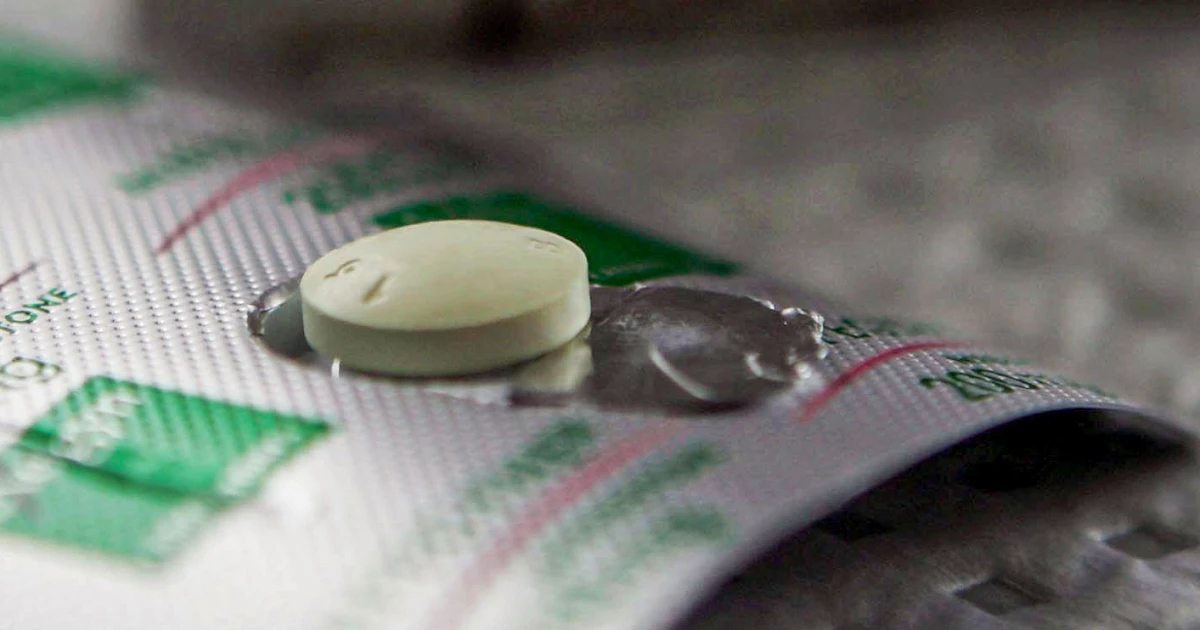
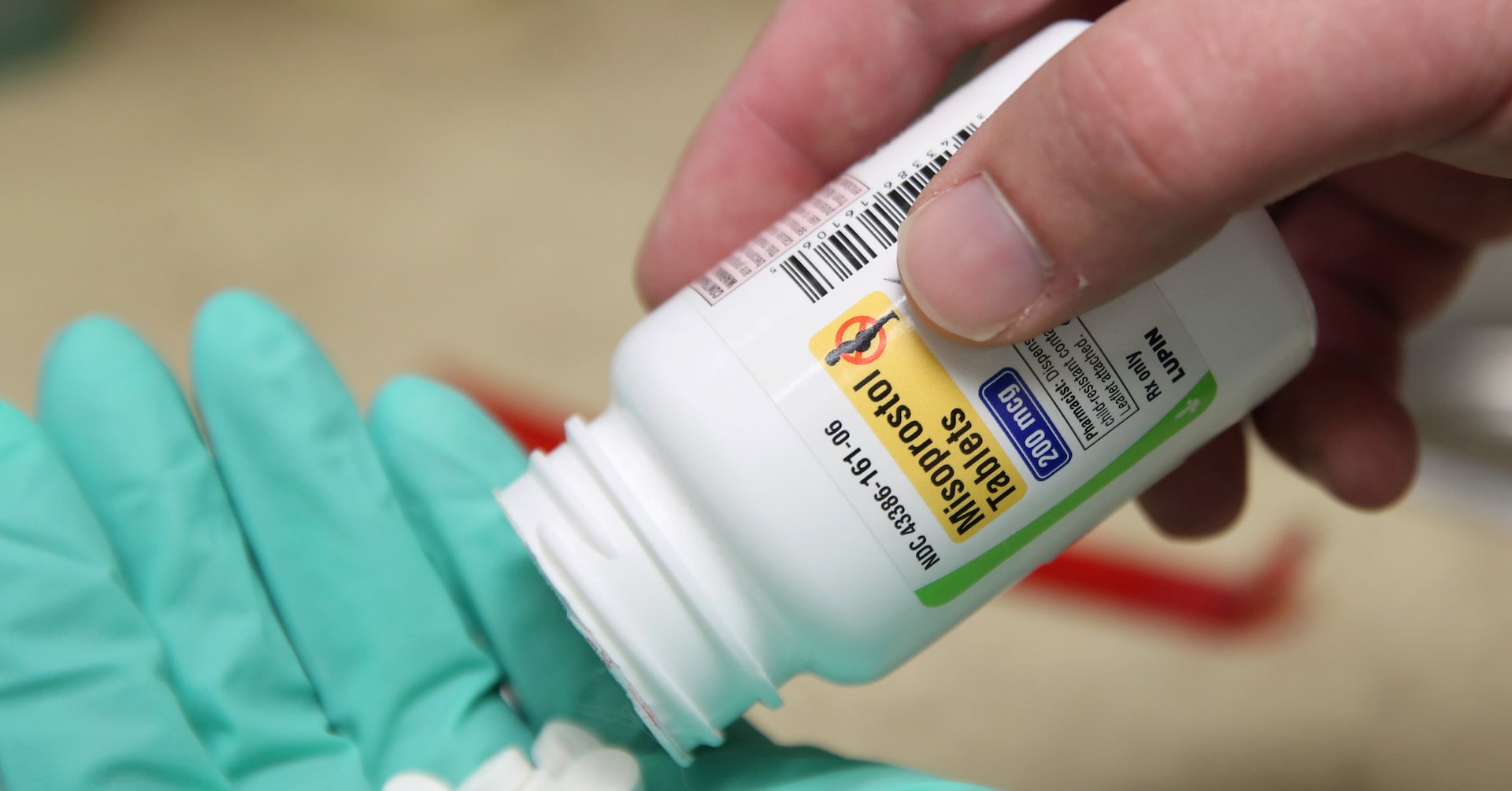
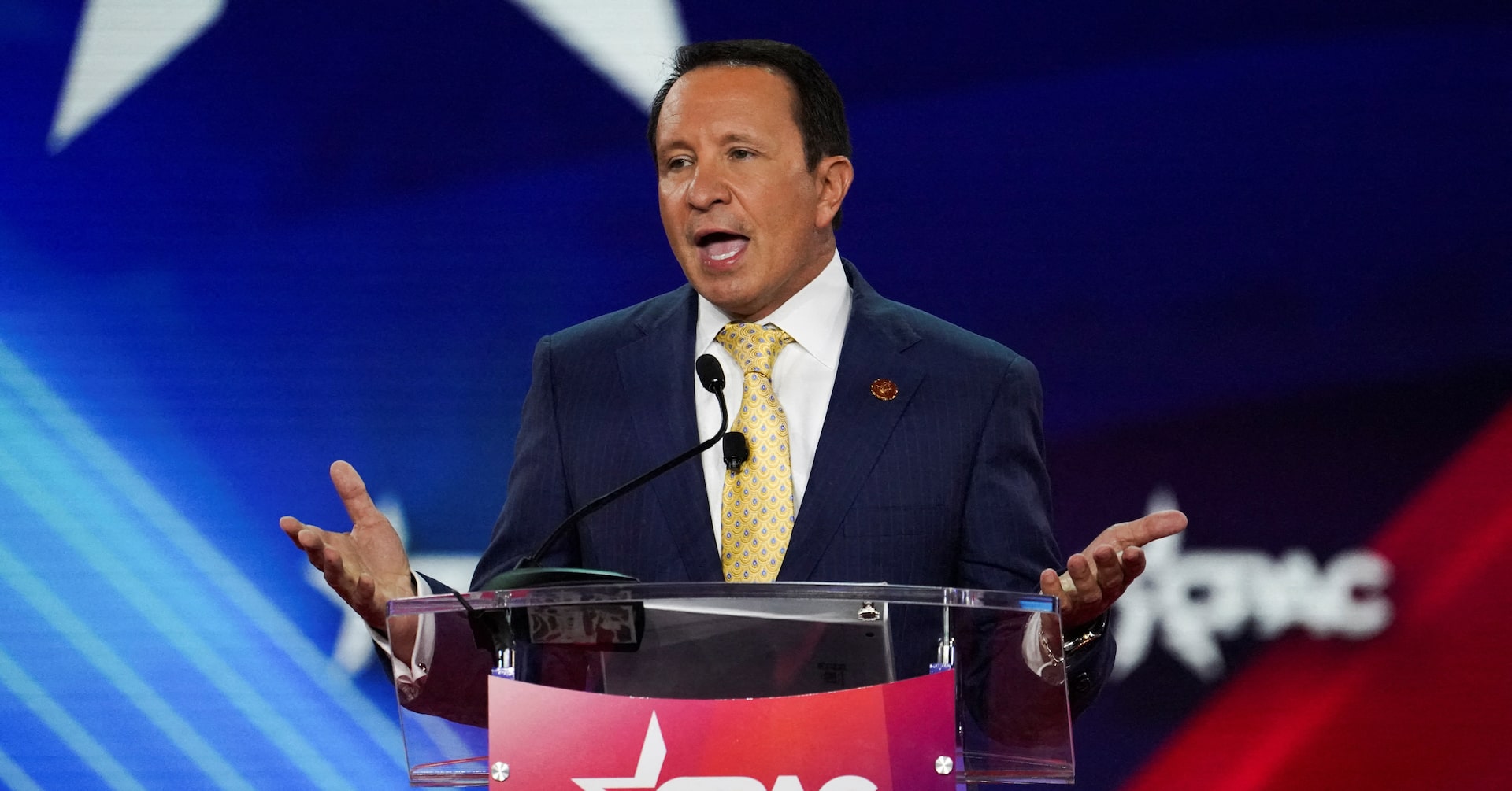
Louisiana's new law reclassifies abortion pills mifepristone and misoprostol as Schedule IV controlled substances, increasing restrictions and penalties for possession without a prescription. Pregnant women are exempt from prosecution, but others who help them obtain the drugs are not. The law could face legal challenges and may inspire similar legislation in other states.

Louisiana Governor Signs Law Classifying Abortion Pills as Controlled Substances

Originally Published 1 year ago — by Reuters

Featured image for Louisiana Governor Signs Law Classifying Abortion Pills as Controlled Substances
Source: Reuters

Louisiana has become the first U.S. state to classify abortion-inducing medications mifepristone and misoprostol as controlled substances, a move signed into law by Republican Governor Jeff Landry. The reclassification, which places these drugs in the same category as Xanax and Valium, aims to restrict their distribution and is part of broader Republican efforts to limit abortion access. Critics argue it will create confusion and make it harder for patients to obtain these medications for other medical uses.

Louisiana Lawmakers Approve Bill to Classify Abortion Pills as Controlled Substances

Originally Published 1 year ago — by The New York Times

Featured image for Louisiana Lawmakers Approve Bill to Classify Abortion Pills as Controlled Substances
Source: The New York Times

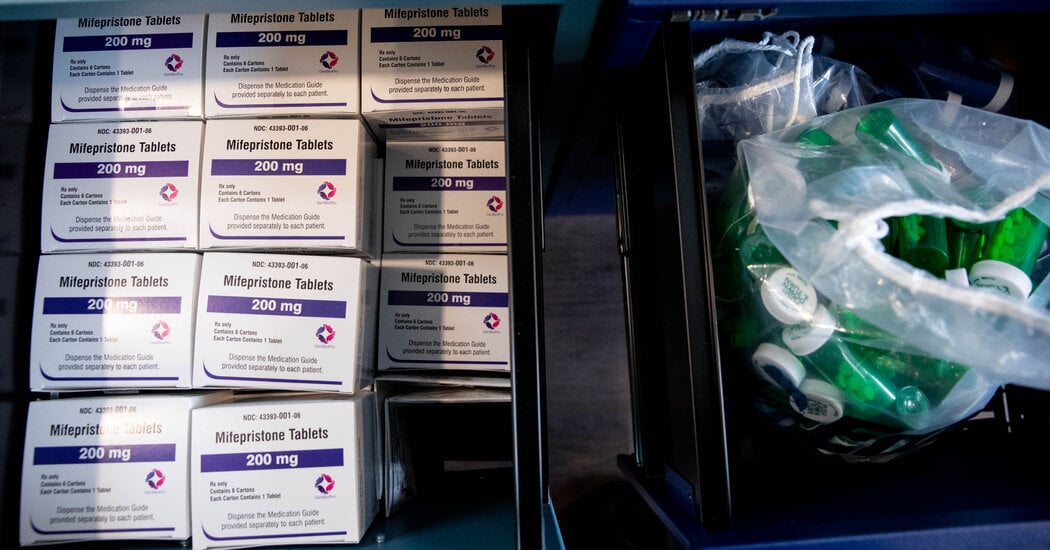
Louisiana lawmakers have passed a bill to classify abortion pills mifepristone and misoprostol as Schedule IV controlled substances, making possession without a prescription a crime punishable by jail time and fines. Despite the FDA's stance that these medications are safe and not prone to abuse, the legislation aims to curb their illicit distribution. The bill now awaits the signature of Governor Jeff Landry, who is expected to approve it. Medical professionals warn that this could lead to delays in treatment for non-abortion-related medical needs.

Louisiana Legislature Classifies Abortion Pills as Controlled Substances

Originally Published 1 year ago — by The Associated Press

Featured image for Louisiana Legislature Classifies Abortion Pills as Controlled Substances
Source: The Associated Press

The Louisiana Legislature has passed a bill to reclassify abortion-inducing drugs mifepristone and misoprostol as controlled dangerous substances, making them harder to obtain. The bill, expected to be signed by Governor Jeff Landry, aims to protect against coerced abortions but has faced criticism from doctors and Democrats for potentially worsening maternal health outcomes. The move aligns with broader Republican efforts to tighten abortion restrictions.

Louisiana House Passes Bill to Classify Abortion Pills as Controlled Substances

Originally Published 1 year ago — by The New York Times

Featured image for Louisiana House Passes Bill to Classify Abortion Pills as Controlled Substances
Source: The New York Times

Louisiana is set to become the first state to classify abortion pills mifepristone and misoprostol as Schedule IV controlled substances, making possession without a prescription punishable by fines and jail time. The bill has passed the state's House and is expected to be signed into law by Governor Jeff Landry. This move contradicts federal FDA guidelines, which do not consider these pills to have potential for abuse or dependence.

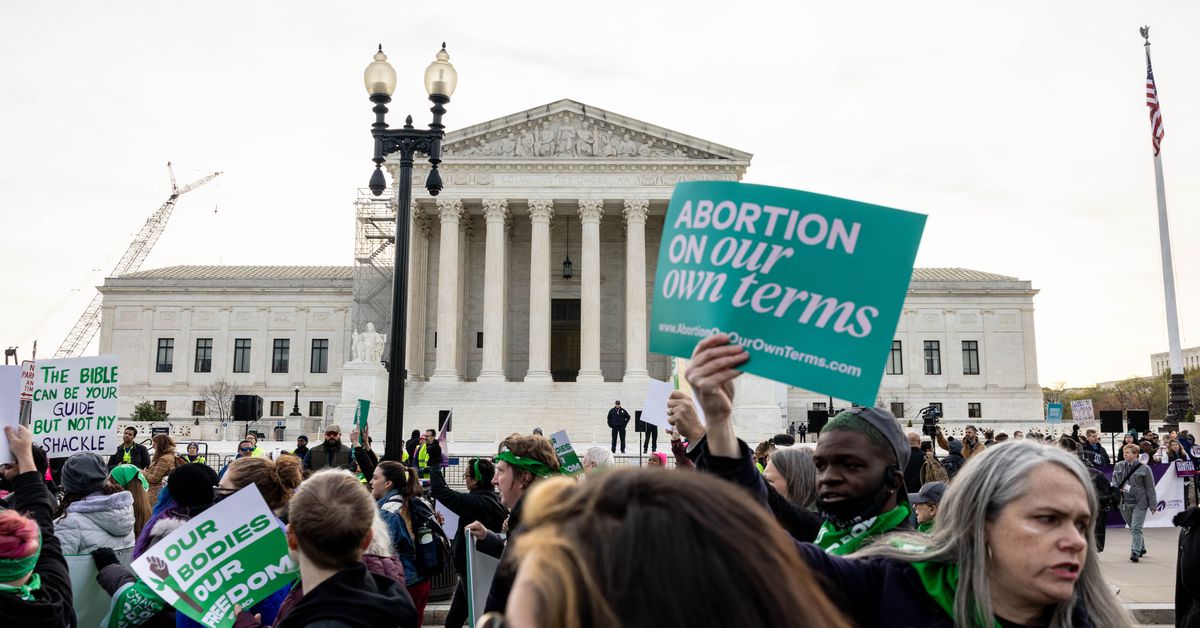
"Supreme Court Justices Navigate Controversy Over Abortion Pills and Women's Health"

Originally Published 1 year ago — by The Guardian

Featured image for "Supreme Court Justices Navigate Controversy Over Abortion Pills and Women's Health"
Source: The Guardian

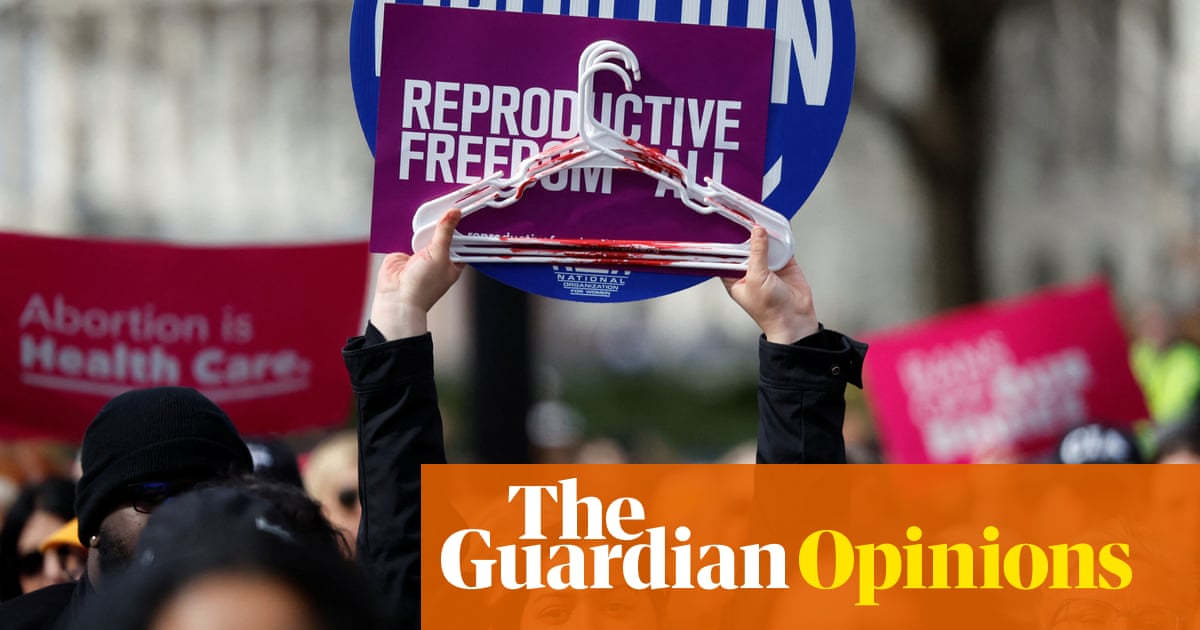
The US Supreme Court heard oral arguments in a lawsuit seeking to challenge FDA approval of the abortion drug mifepristone, with conservative justices expressing skepticism of the plaintiffs' claims to legal standing. The case, brought by anti-abortion doctors, has faced controversy and lowered legal standards, with the court signaling a likely dismissal on standing grounds. However, the oral arguments also revealed the anti-choice movement's strategy to use the Comstock Act to potentially ban all abortions nationwide, signaling a concerning development for future cases.

Supreme Court Leans Toward Preserving Access to Abortion Drug Mifepristone

Originally Published 1 year ago — by Vox.com

Featured image for Supreme Court Leans Toward Preserving Access to Abortion Drug Mifepristone
Source: Vox.com

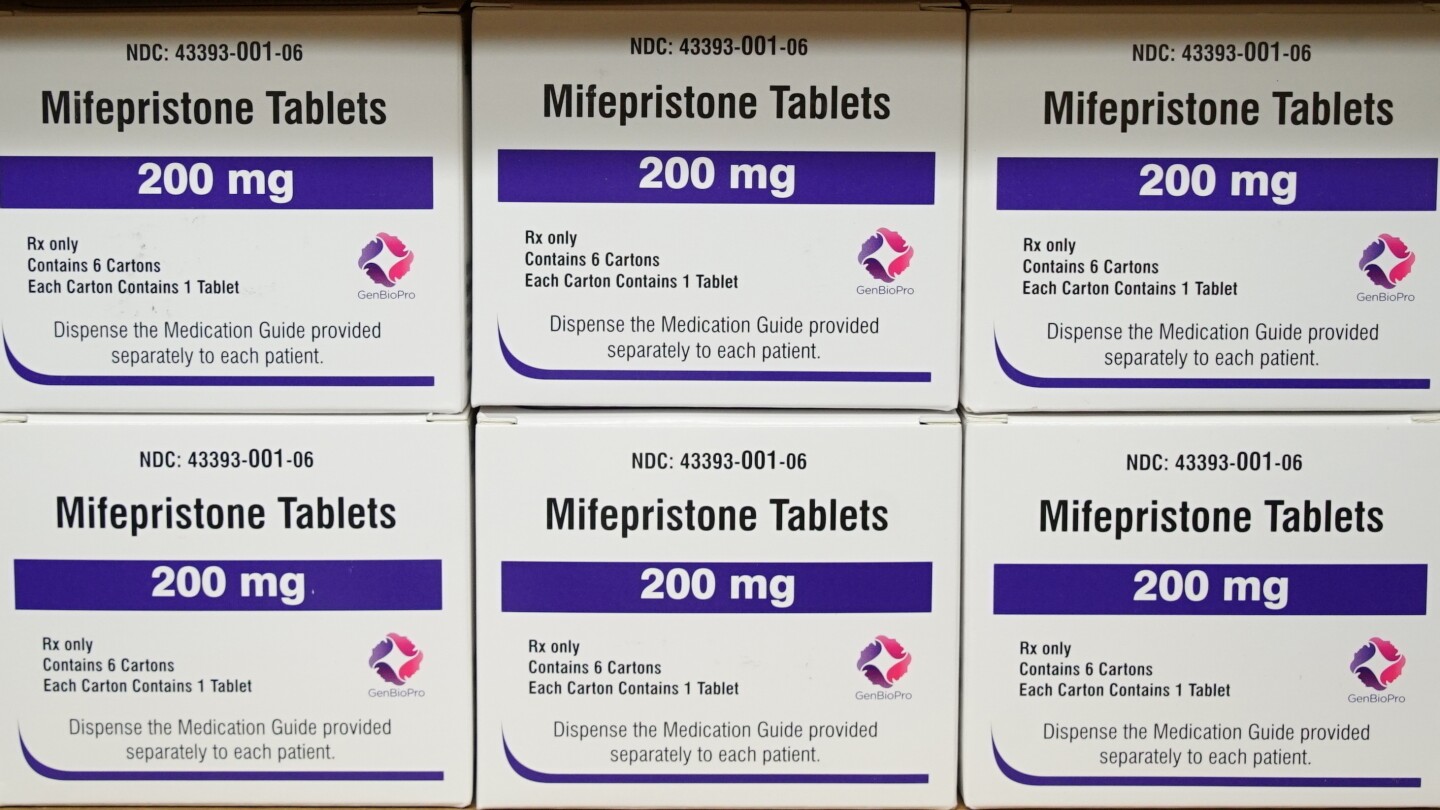
The Supreme Court seemed disinterested during oral arguments in the case seeking to ban the abortion drug mifepristone, with most justices focusing on the question of whether any federal judge had jurisdiction to hear the case. The plaintiffs, anti-abortion doctors and organizations, argue that they have standing to restrict access to mifepristone due to potential future injuries, but the justices expressed skepticism about their standing theory. The Court's decision could determine whether the meritless lawsuit continues for years, potentially being repeatedly revived by a judge determined to ban abortions, or whether the case will be put to bed forever.

"Supreme Court Justices Express Doubt Over Effort to Limit Abortion Pill Access"

Originally Published 1 year ago — by NPR

Featured image for "Supreme Court Justices Express Doubt Over Effort to Limit Abortion Pill Access"
Source: NPR

The U.S. Supreme Court justices appeared skeptical of a medical group's challenge to FDA regulations on abortion pills, questioning the group's standing to bring the suit and expressing concerns about the broader implications for the FDA's regulatory power. The case raises issues beyond abortion rights, delving into the FDA's authority to approve drugs and ensure their safety.

"Supreme Court's Mifepristone Case: Implications for Abortion Lawsuits"

Originally Published 1 year ago — by NPR

Featured image for "Supreme Court's Mifepristone Case: Implications for Abortion Lawsuits"
Source: NPR

The Supreme Court is hearing a case brought by anti-abortion doctors challenging the FDA's regulatory actions on abortion pills, with potential implications for the entire drug approval process. The case questions the FDA's scientific expertise and the loosening of restrictions on mifepristone, the drug at the center of the case. Siding with the FDA are major medical associations and pharmaceutical companies, while the challengers argue that the FDA's changes are unjustified and unsafe. The case also involves a procedural hurdle regarding legal standing, and a decision is expected by summer.