A meta-analysis of 31 studies suggests that cannabinoids, particularly nabiximols, can effectively reduce spasticity in multiple sclerosis (MS) patients, though responses vary. While nabiximols is approved in Canada and Europe for MS spasticity, the safety and efficacy of cannabis-based treatments remain unclear, necessitating larger studies. The analysis found significant reductions in spasticity using the MS spasticity Numerical Rating Scale and the Ashworth Scale, but results differed due to varying study criteria and definitions.
A case series study has found that the Neubie electrical stimulation device, used in conjunction with physical therapy, led to improvements in strength, range of motion, and spasticity in seven individuals with progressive multiple sclerosis (MS). The device, which delivers direct current electrical stimulation to disrupted nerve-muscle communication areas, aims to re-educate the neuromuscular system and promote plasticity. While the study's findings suggest the feasibility of using the Neubie system for MS patients, further research is needed.
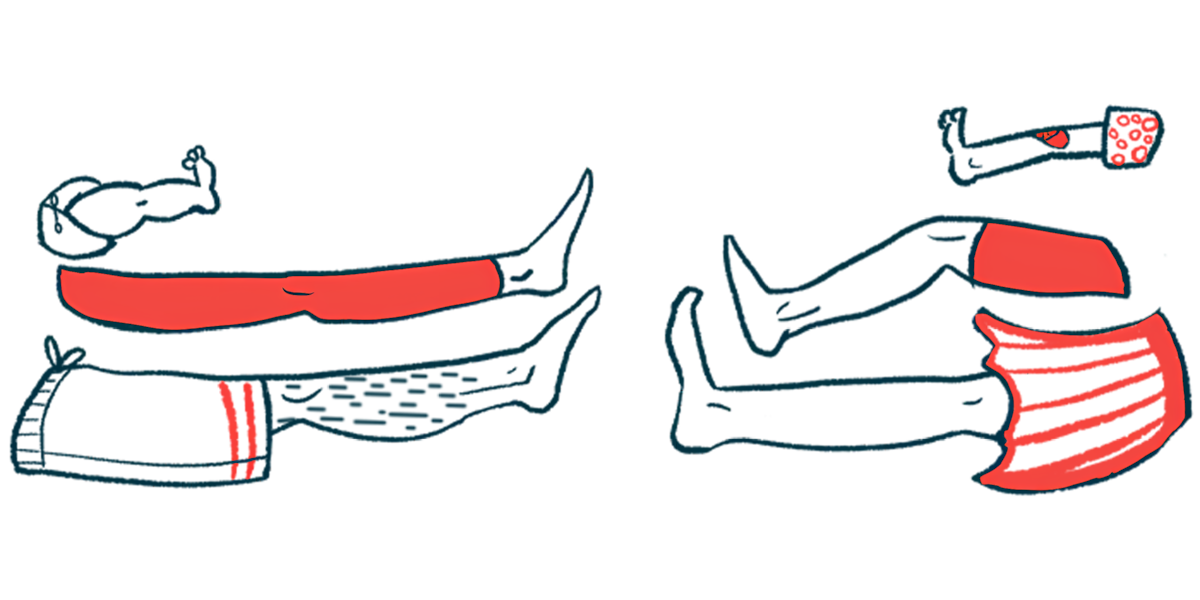
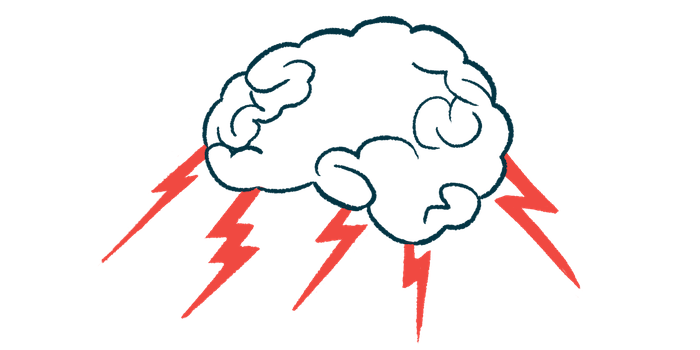
Noninvasive brain stimulation techniques such as repetitive transcranial magnetic stimulation (rTMS) show promise in reducing spasticity in multiple sclerosis (MS) patients, according to a review study. However, evidence for transcranial direct current stimulation (tDCS) was limited. More clinical trials with long-term follow-up are needed to determine the optimal approach for treating spasticity in MS. Spasticity, characterized by muscle tightness and spasms, is a challenging symptom to manage in MS patients and can impact mobility and overall quality of life.
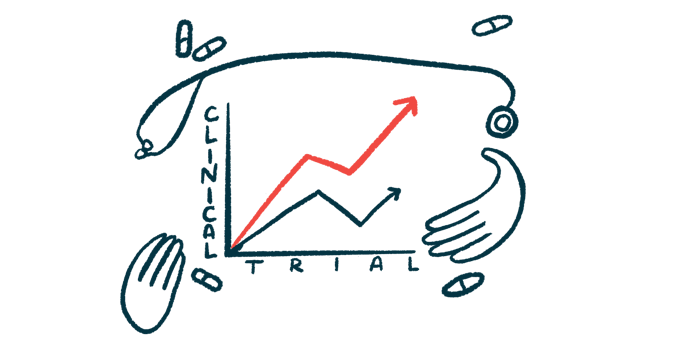
Clinical trials have shown that nabiximols, a cannabis oral spray, can help relieve spasticity in people with multiple sclerosis (MS). Spasticity is a common symptom of MS, causing increased muscle stiffness and spasms. Nabiximols is approved to treat MS-related spasticity in many countries, including Canada and much of Europe, but not in the US. The oral spray contains delta-9 tetrahydrocannabinol (THC) and cannabidiol (CBD), the two main biologically active compounds found in the cannabis plant.
Real-world use of Sativex, an oral spray cannabinoid treatment, was associated with a self-reported easing of spasticity and related symptoms for people with multiple sclerosis (MS), according to a recent study in Austria. Most patients (87.5%) said they were at least partly satisfied with the therapy after three months of its use, in contrast to about 30% who were satisfied with previous antispasticity treatments.