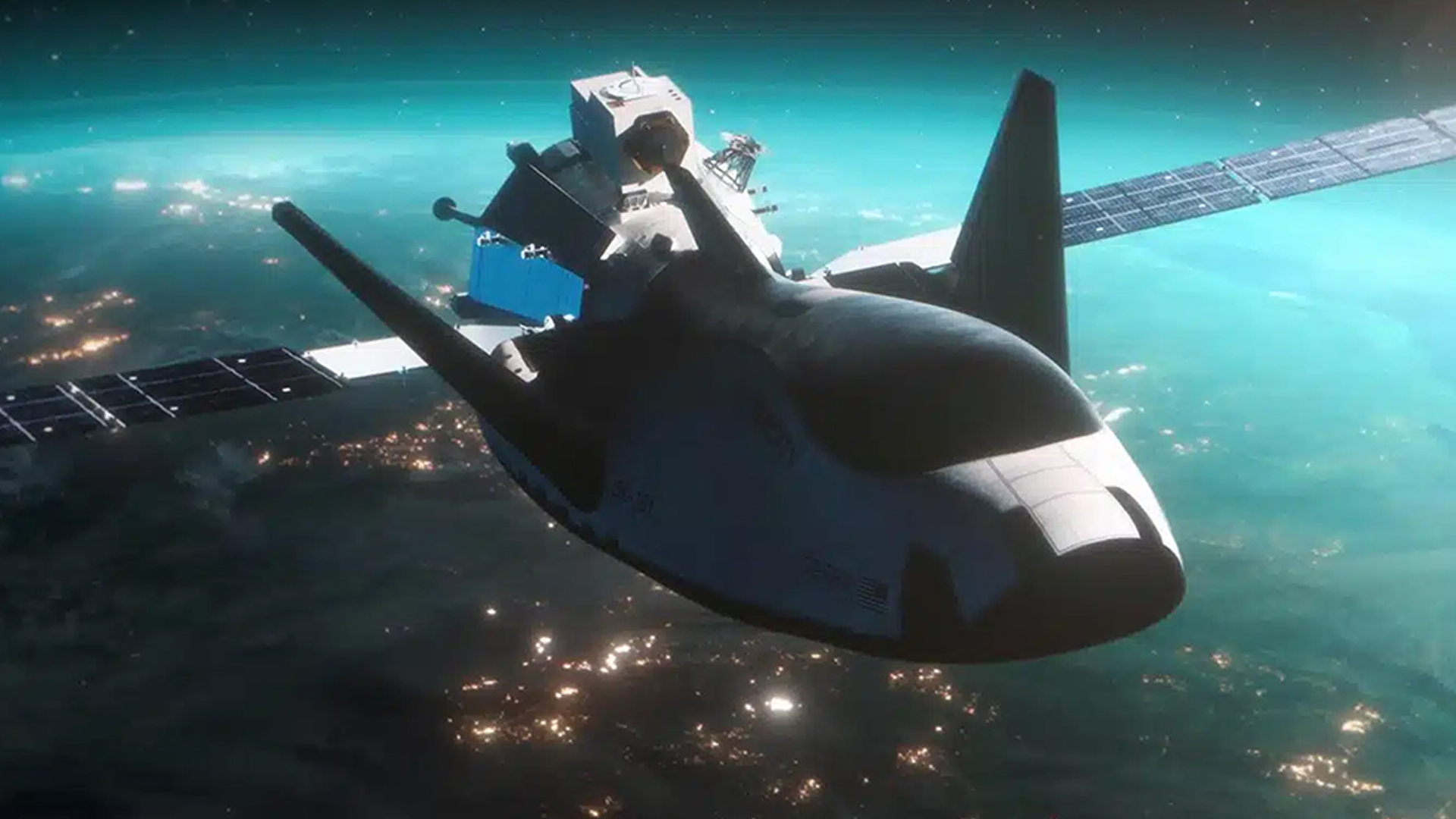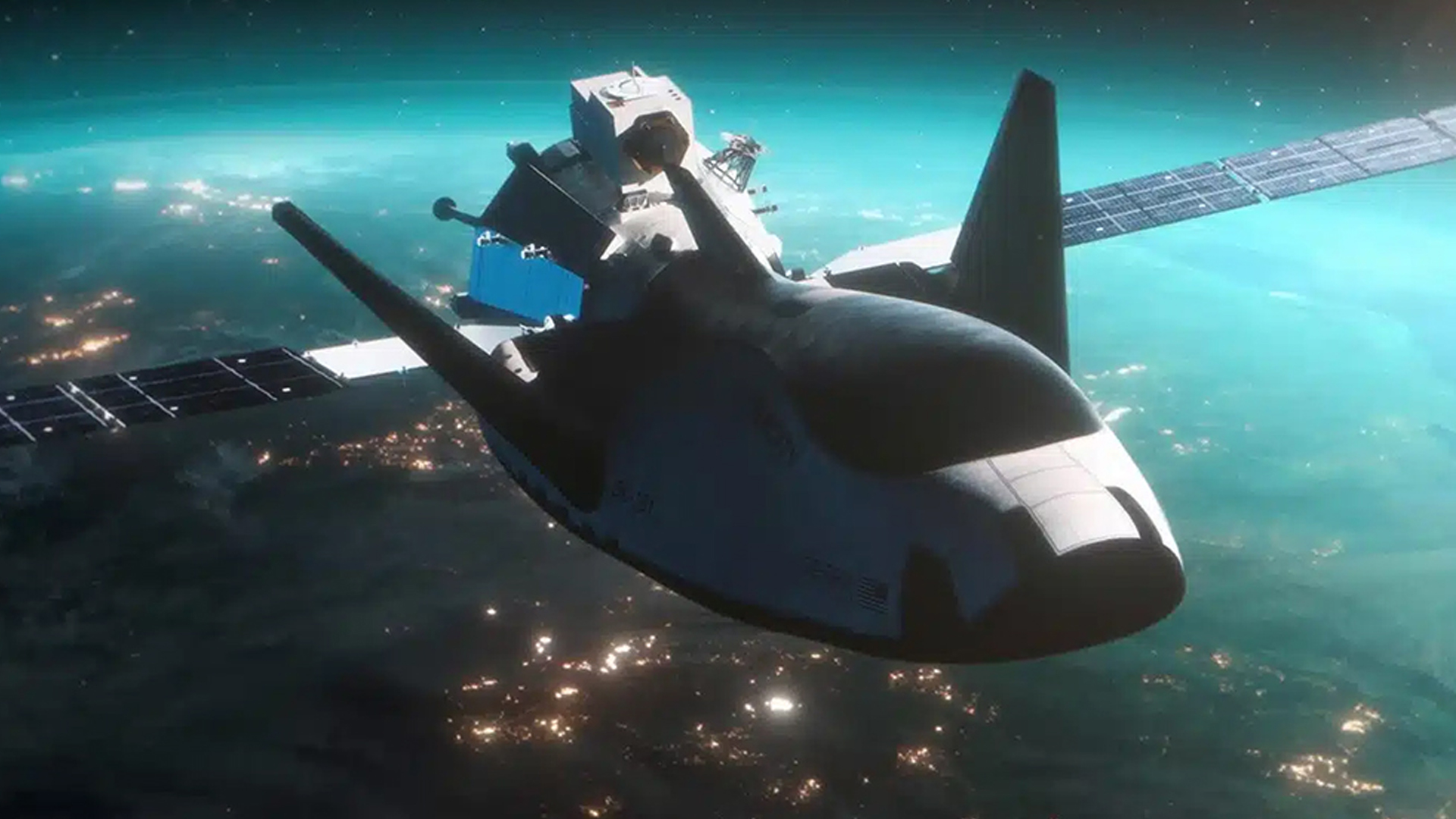
Dream Chaser Spaceplane's 2026 ISS Visit Canceled
Originally Published 2 months ago — by bgr.com

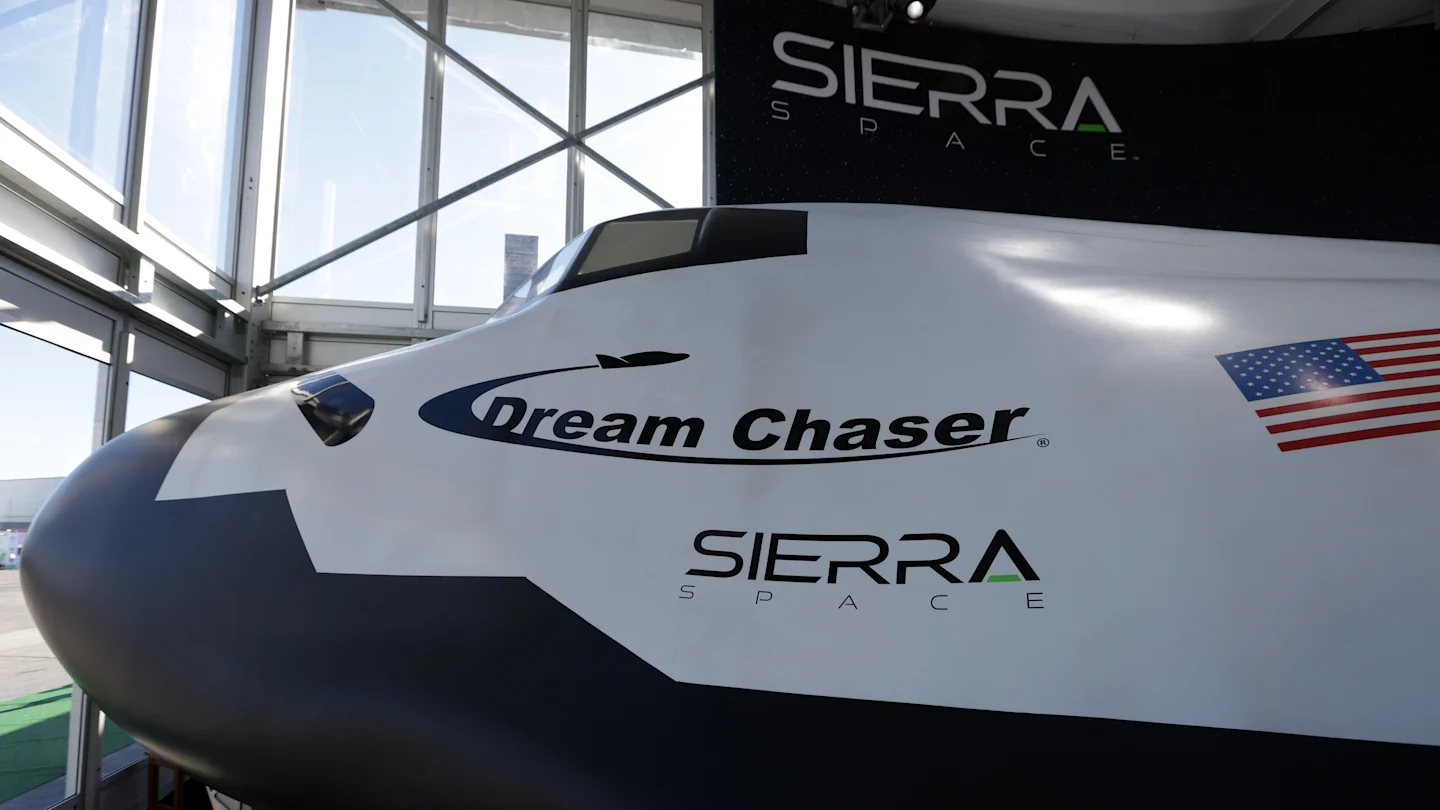
The Dream Chaser spaceplane will no longer be visiting the International Space Station in 2026, marking a change in its planned mission schedule.
All articles tagged with #spaceplane
Originally Published 2 months ago — by bgr.com

The Dream Chaser spaceplane will no longer be visiting the International Space Station in 2026, marking a change in its planned mission schedule.
Originally Published 3 months ago — by TechCrunch

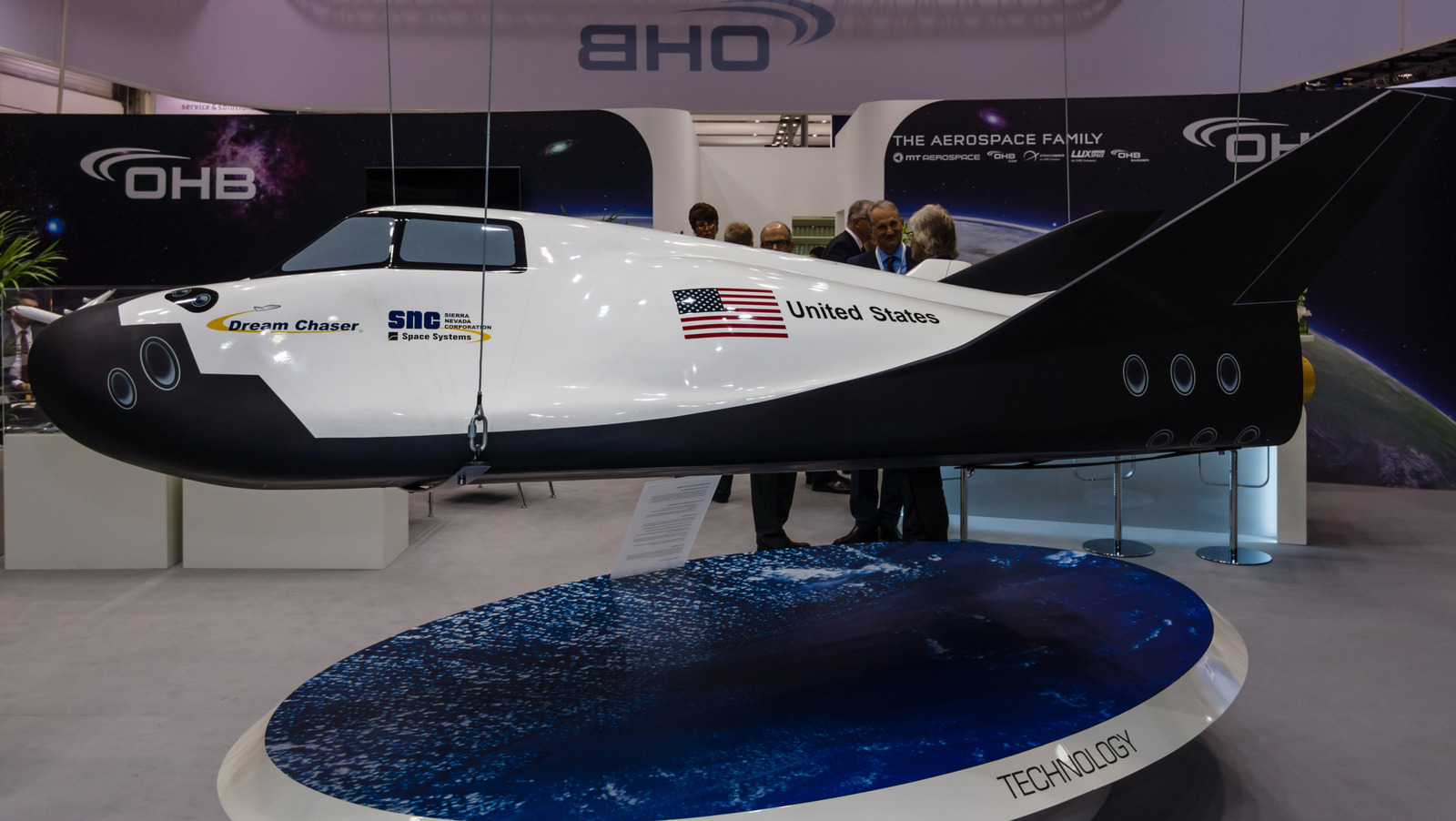
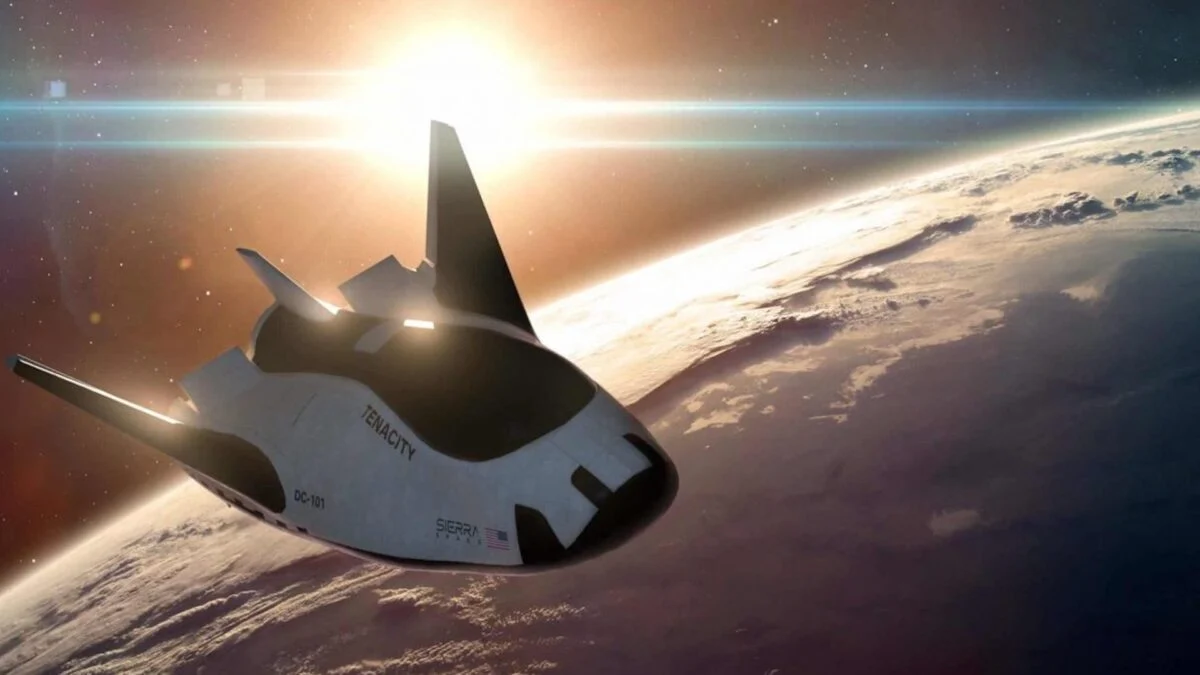
Sierra Space's Dream Chaser spaceplane, initially designed for ISS cargo resupply, faces a major shift after NASA removed its guaranteed purchase contract, leading the company to pivot towards defense and commercial markets with a free-flying demonstration planned for late 2026.
Originally Published 4 months ago — by theregister.com

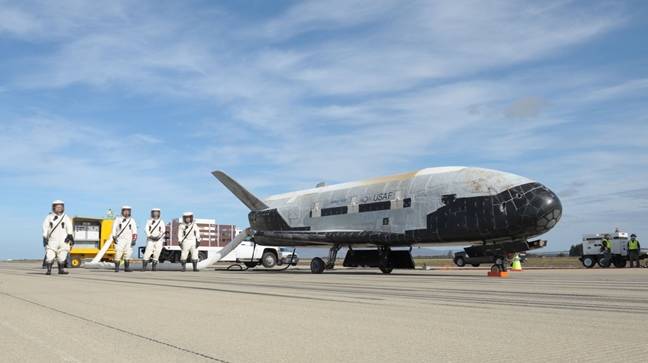
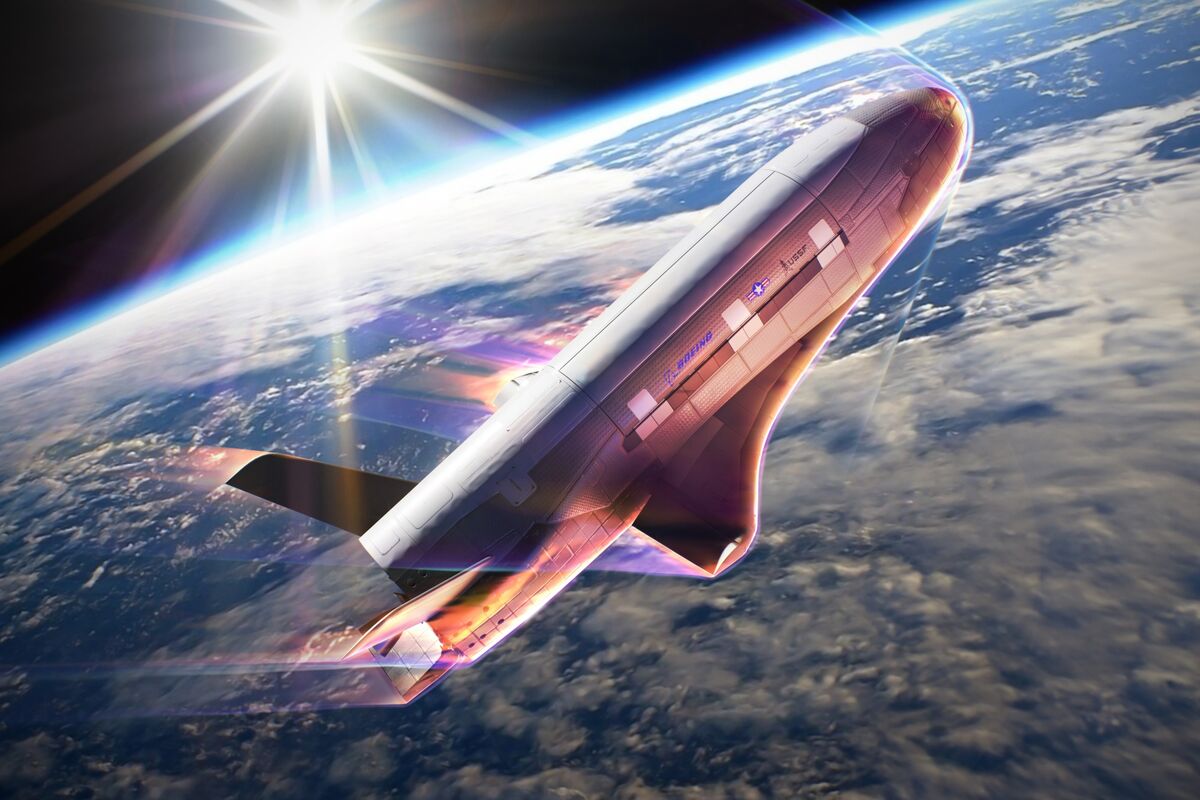
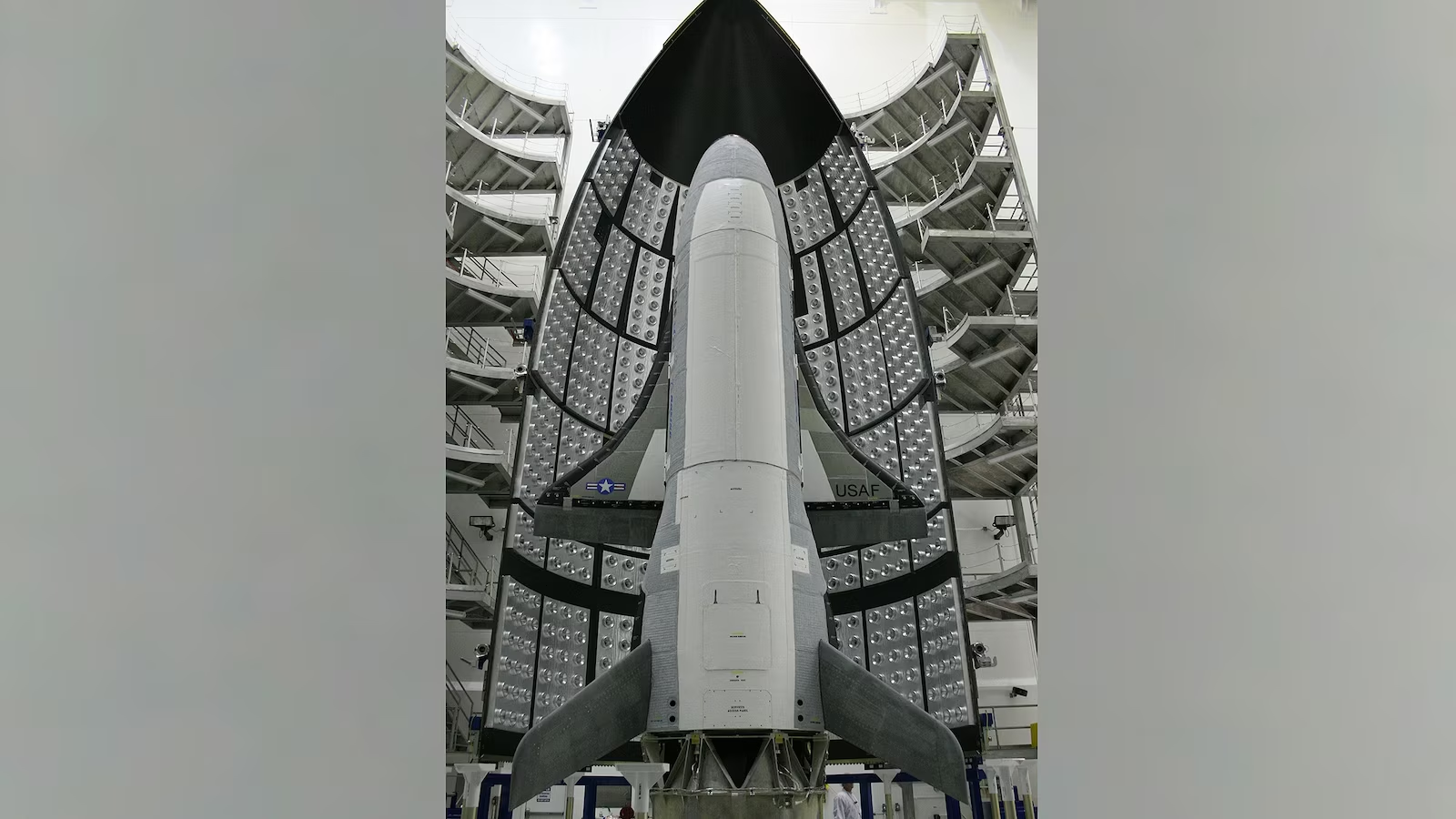
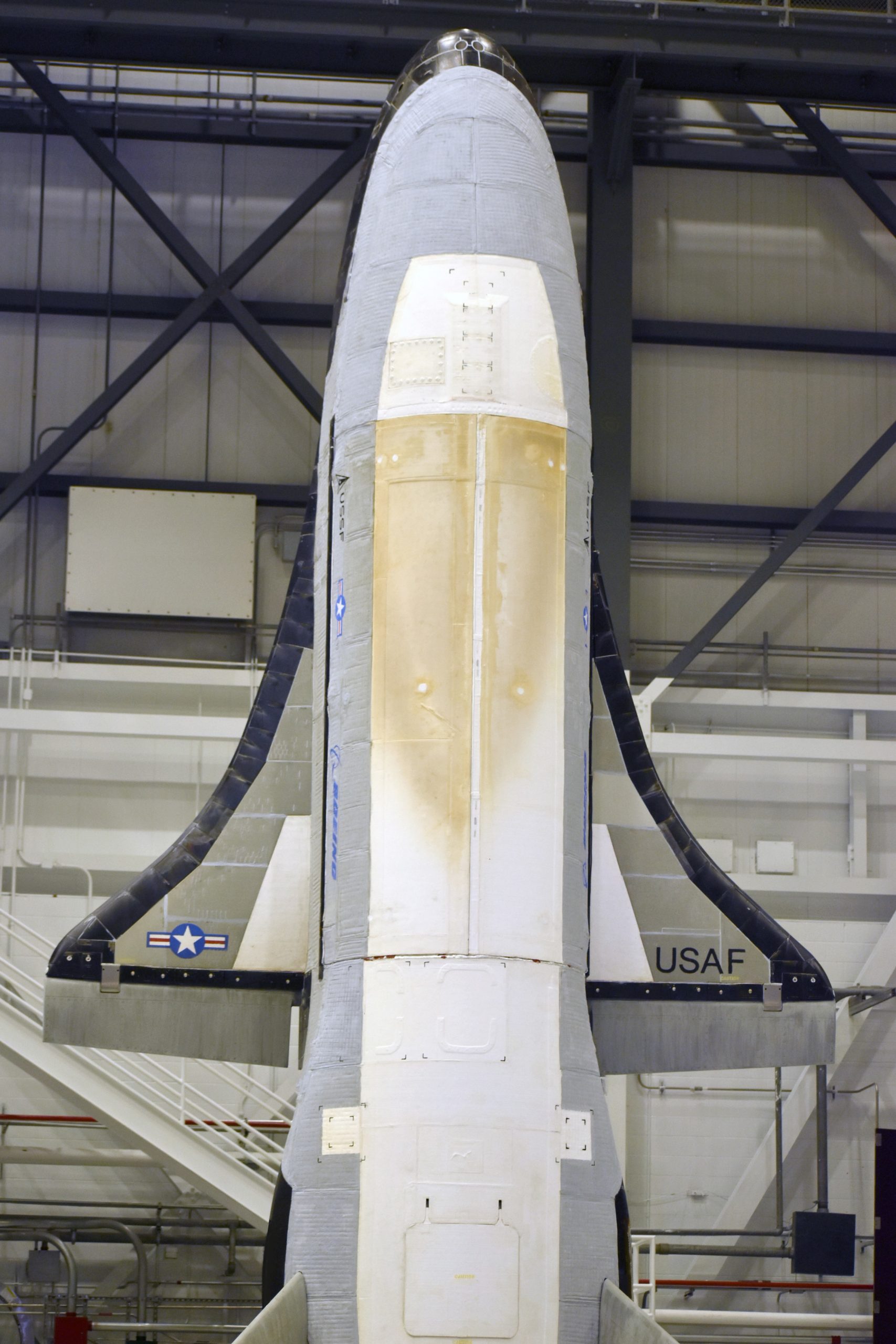
The US military's X-37B spaceplane has launched on its eighth mission, carrying a quantum GPS alternative that uses atom interferometry to measure position precisely, potentially allowing navigation without traditional satellite systems. This technology, tested in 2025, could enhance future spacecraft and aircraft navigation, raising strategic concerns for China and the US about satellite dependency in warfare.
Originally Published 4 months ago — by DW

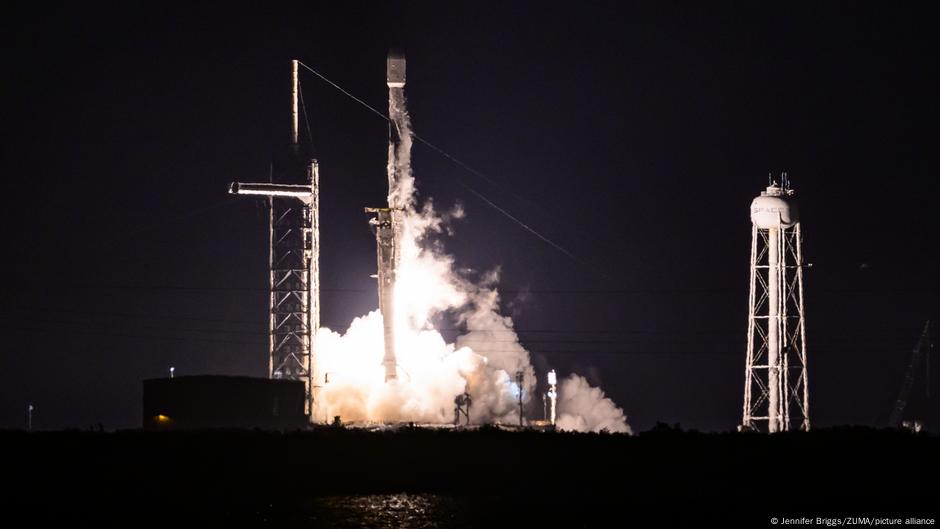
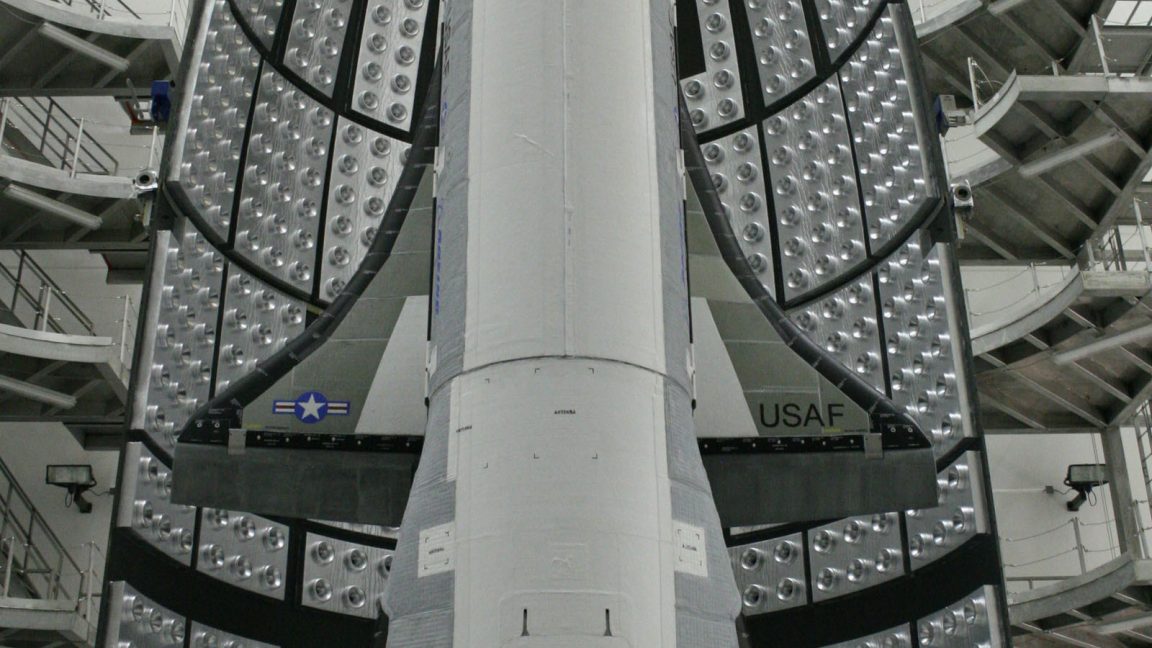
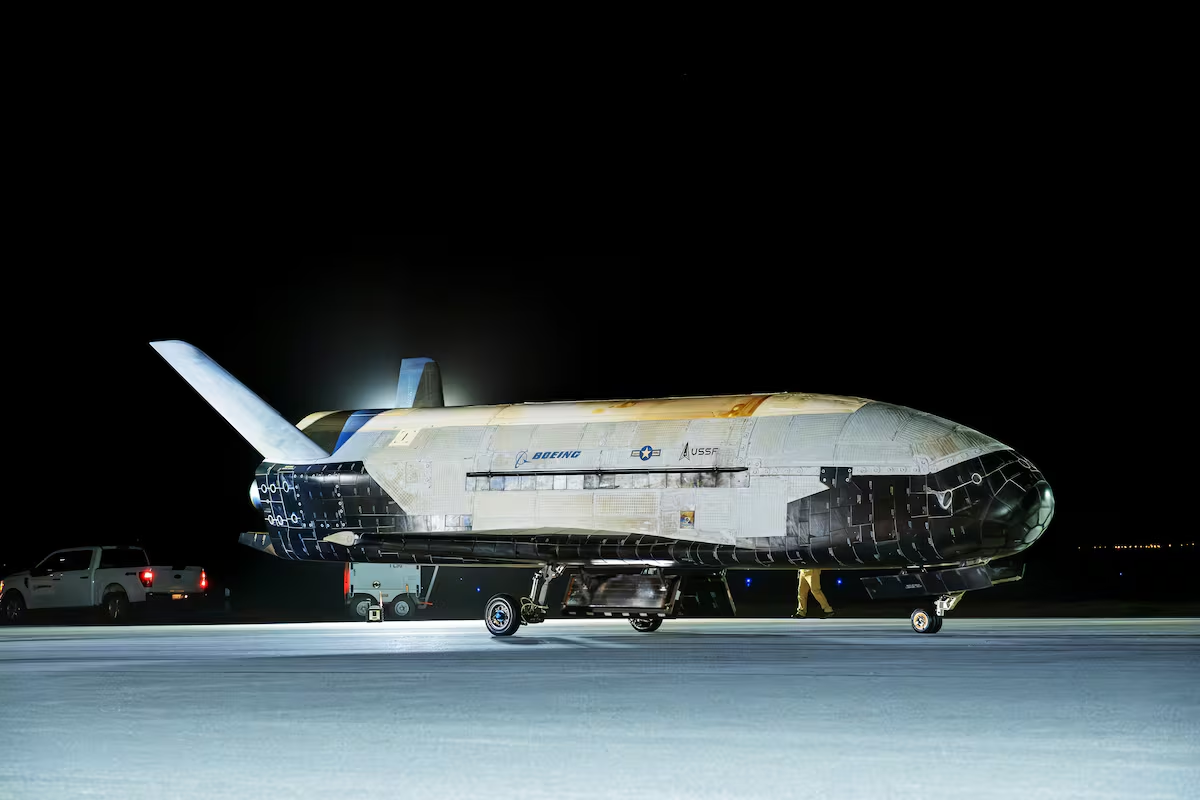
SpaceX successfully launched the US military's classified X-37B spaceplane into orbit, marking its eighth mission. The autonomous spacecraft, built by Boeing, tests advanced technologies like laser communications and quantum sensors, with mission duration and objectives kept largely undisclosed.
Originally Published 4 months ago — by Bloomberg.com

The US Space Force's X-37B spaceplane is preparing for its eighth mission, continuing its secretive operations to test new technologies in space, though its future and role in broader defense initiatives remain uncertain amid questions about its cost-effectiveness and strategic importance.
Originally Published 4 months ago — by ABC News

The US Space Force is launching its eighth mission of the X-37B spaceplane, an autonomous, reusable spacecraft used for testing and experiments in space, with a focus on advanced communication and navigation technologies, from Kennedy Space Center, using a SpaceX Falcon 9 rocket.
Originally Published 5 months ago — by Gizmodo

The launch of Sierra Space's Dream Chaser spaceplane, planned for 2025, is likely to be delayed due to ongoing safety reviews, software certification issues, and delays with its launch vehicle, Vulcan Centaur, reflecting the complex and lengthy process of developing advanced spacecraft.
Originally Published 5 months ago — by SpaceNews

The US Space Force announced that the eighth mission of the X-37B spaceplane, Orbital Test Vehicle-8, is scheduled to launch no earlier than August 21, 2025, from Kennedy Space Center aboard a SpaceX Falcon 9 rocket.
Originally Published 5 months ago — by Ars Technica

A secretive space plane is set to launch to test advanced quantum navigation technology and high-bandwidth laser communications, aiming to improve satellite communication resilience and enable precise navigation in GPS-degraded environments, with potential applications near the Moon and beyond.
Originally Published 5 months ago — by Defense News

The U.S. Space Force's X-37B spaceplane is launching its eighth mission next month, focusing on experiments in space-based communications using laser technology and quantum sensing for navigation without GPS, aiming to enhance the resilience and security of U.S. orbital systems.
Originally Published 1 year ago — by GeekSided

Sierra Space's Dream Chaser spaceplane aims to revolutionize commercial space transportation with its reusable design, capable of runway landings at conventional airports. This innovation promises cost-effective and environmentally friendly space travel by reducing the need for multiple spacecraft and avoiding ocean splashdowns. Scheduled for its first mission to the ISS in May 2025 under NASA's CRS-2 contract, Dream Chaser can deliver up to 5,500 kg of cargo, supporting scientific research and station maintenance. Its unique design offers a competitive alternative to SpaceX's Dragon spacecraft, fostering innovation in the industry.
Originally Published 1 year ago — by The Sun

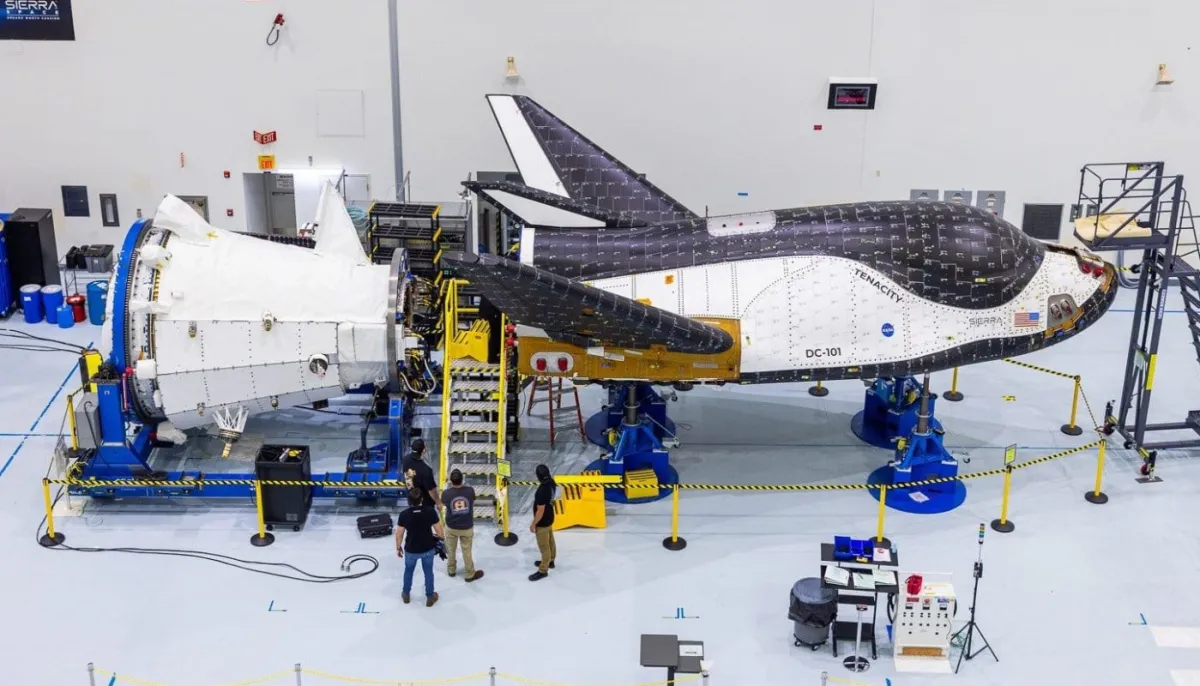
The Dream Chaser, a commercial spaceplane developed by Sierra Space, is set to embark on its first NASA mission to resupply the International Space Station (ISS) by May 2025. This innovative spacecraft, capable of landing on regular runways, will initially conduct uncrewed cargo missions, with plans to eventually transport crew. The Dream Chaser, starting with the Tenacity model, will be launched atop a Vulcan Centaur rocket and aims to revolutionize space access by offering a reusable, runway-landing vehicle for both cargo and crew missions.
Originally Published 1 year ago — by The US Sun

The Dream Chaser, a commercial spaceplane developed by Sierra Space, is set to begin resupply missions to the International Space Station (ISS) as early as May 2025. This innovative spacecraft, capable of landing on regular runways, will initially conduct uncrewed cargo missions under NASA's Commercial Resupply Service 2 contract. The first spaceplane, named Tenacity, will perform at least seven missions, carrying essential supplies and scientific experiments. Sierra Space plans to eventually upgrade the Dream Chaser for crewed missions, marking a significant advancement in space exploration and international collaboration.
Originally Published 1 year ago — by SpaceNews

British aerospace company Reaction Engines Ltd., known for developing the Synergetic Air Breathing Rocket Engine (SABRE) for spaceplanes, has filed for bankruptcy after failing to secure additional funding. The company, which entered administration on October 31, has laid off most of its 200 employees. PricewaterhouseCoopers will oversee the restructuring or liquidation process. Despite investments from major aerospace firms and government grants, the company struggled to advance its Skylon spaceplane project beyond the conceptual stage.
Originally Published 1 year ago — by IFLScience

The US military's secretive X-37B spaceplane has successfully executed a novel aerobraking maneuver, using atmospheric drag to lower its orbit with minimal fuel use. This technique, demonstrated in a video by Boeing Space, is part of the X-37B's seventh mission, which began in December 2023. The mission involves disposing of space debris and testing reusable space vehicle technologies. Despite increased transparency, many details of the X-37B's operations remain classified.