Blue Origin Pauses Space Tourism to Prioritize Moon Missions
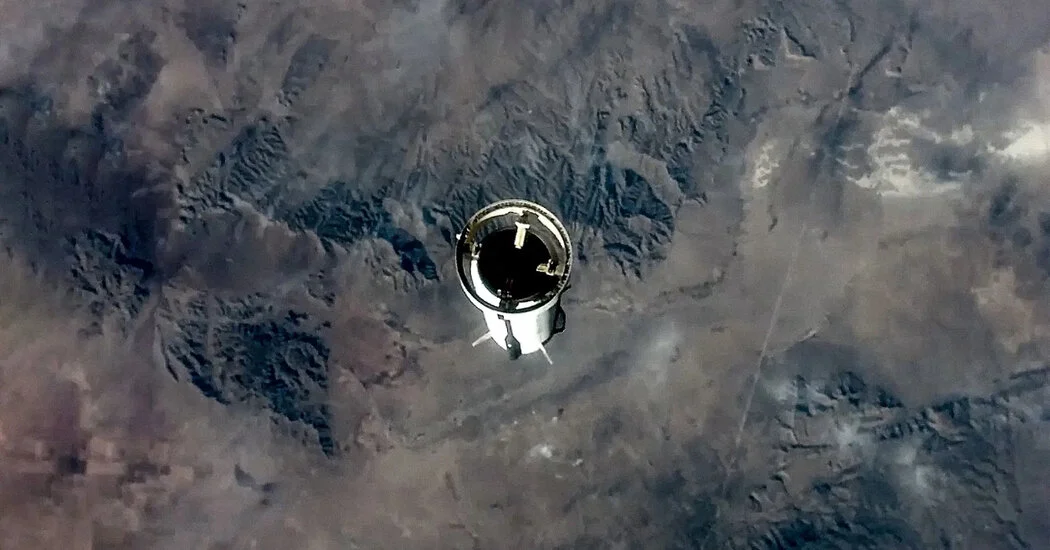
Blue Origin will halt New Shepard space-tourism flights for at least two years to focus on NASA lunar missions, shifting resources from civilian trips to contracts for Moon exploration.

All articles tagged with #space tourism
Blue Origin will halt New Shepard space-tourism flights for at least two years to focus on NASA lunar missions, shifting resources from civilian trips to contracts for Moon exploration.

As civilian space travel expands, scientists warn that zero gravity and cosmic radiation could affect fertility, pregnancy and early fetal development, a risk that regulators say requires urgent guidelines as private missions grow.
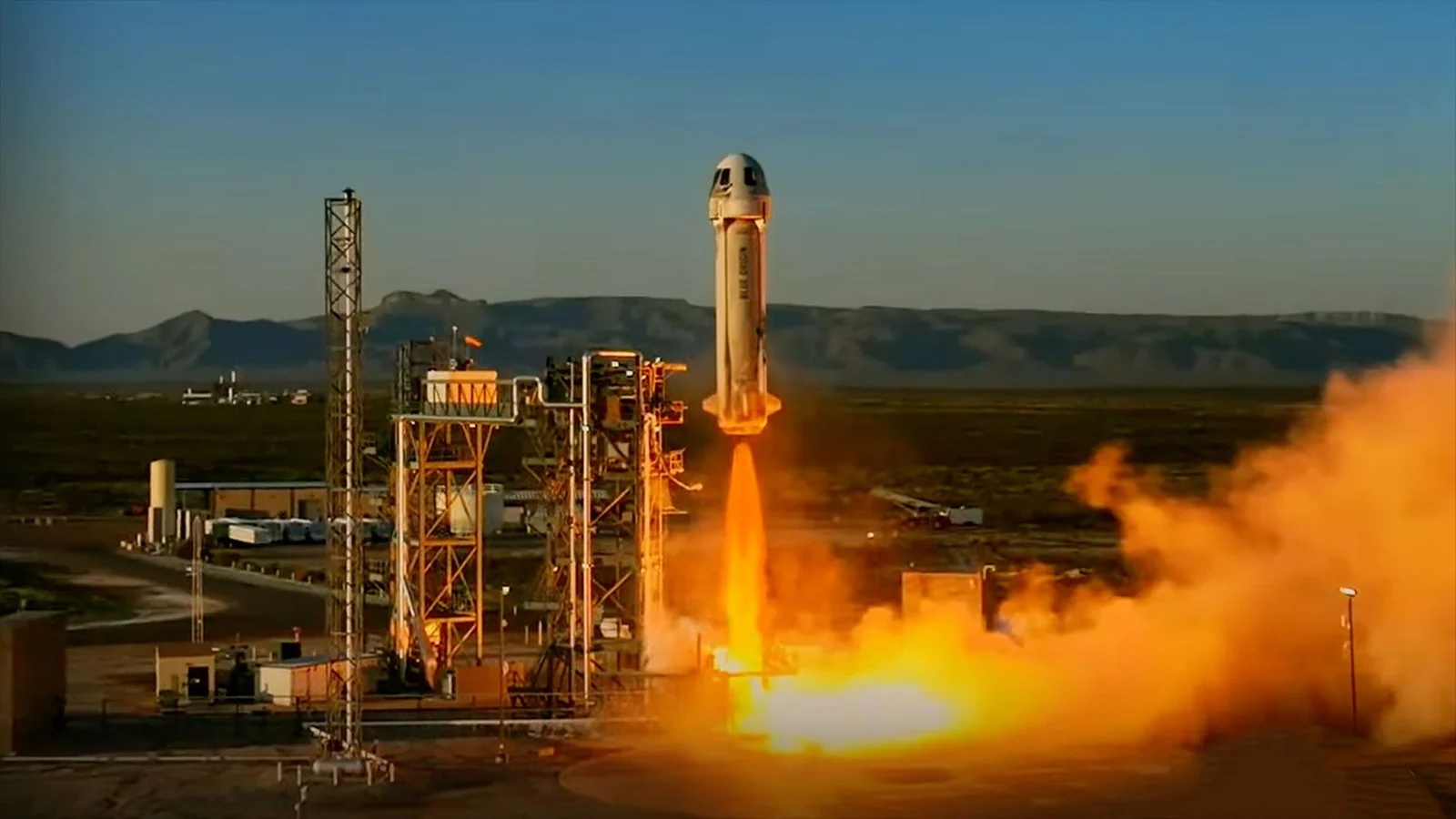
Blue Origin will ground its New Shepard suborbital spaceflight for at least two years to devote resources to lunar development, including the Blue Moon lunar lander and NASA's Artemis program; Artemis 5 is targeted for 2029, a robotic Blue Moon pathfinder is planned for this year, and Artemis 2 could launch as early as February 2026.

Blue Origin launched six space tourists aboard its New Shepard for the NS-38 mission on Jan 22, 2026, after Laura Stiles replaced Andrew Yaffe due to illness. The brief suborbital flight delivered minutes of weightlessness and views of Earth before a safe recovery, marking another milestone in the company’s space-tourism program (17th human spaceflight to date, 38th NS mission; Blue Origin has flown about 98 people to space).

GRU Space is taking deposits up to $1 million for the Moon hotel it plans to launch around 2032, with earlier tests to begin via NASA’s CLPS program in 2029. The project uses inflatable hotel structures and lunar brick technology, aiming to expand from a four-guest first version to larger lunar complexes, backed by investors from SpaceX and Anduril and targeting thrill-seekers and former spaceflight participants alike.
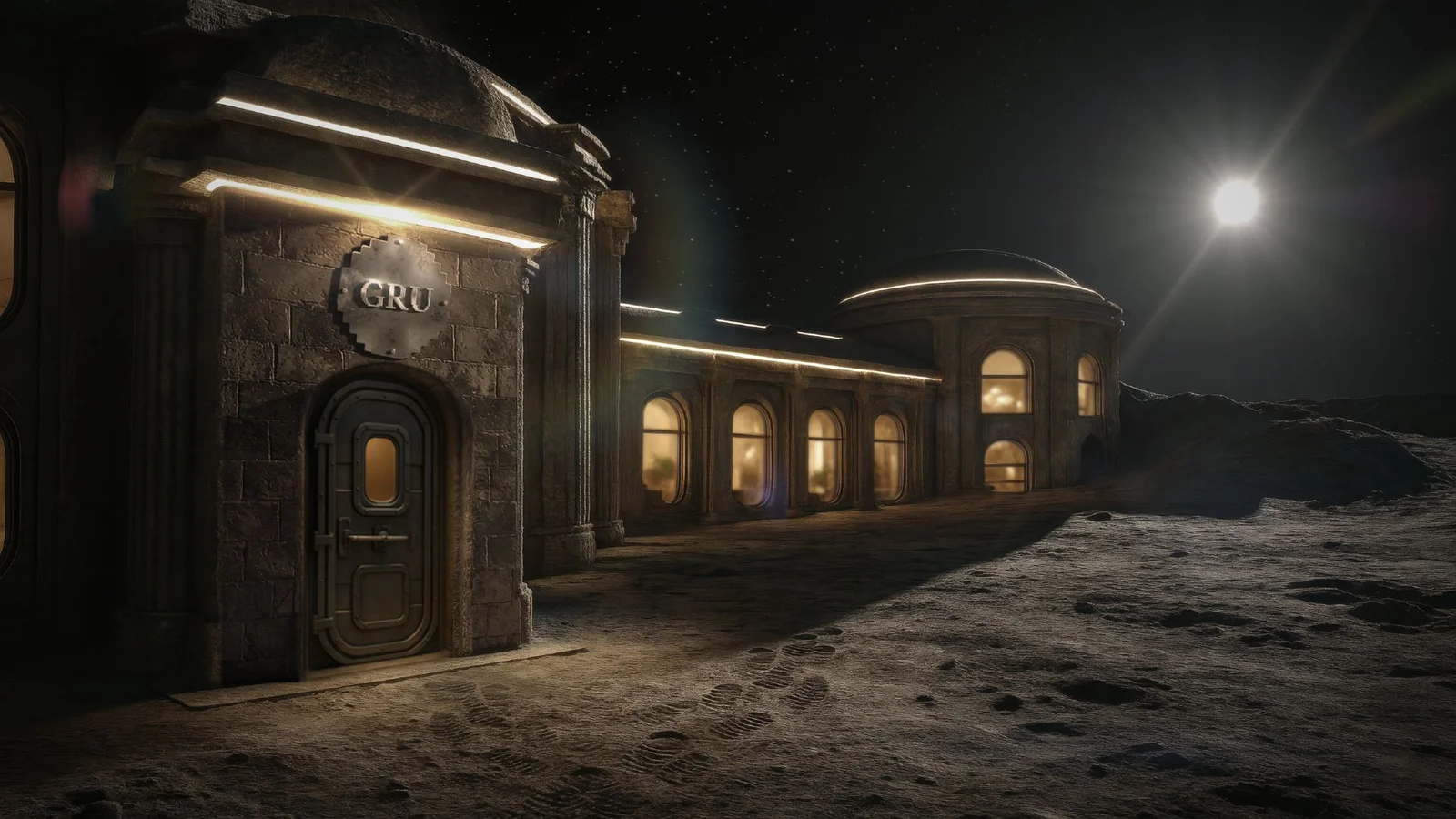
California-based Galactic Resource Utilization Space (GRU) is taking $1 million deposits to reserve stays in a planned Moon hotel that GRU says could begin construction in 2029 and open by 2032, targeting ultra-wealthy travelers and couples seeking an off-Earth honeymoon; the company plans to use proprietary habitation modules and lunar-soil structures, pending regulatory approval, to accelerate a lunar economy and broader space presence.
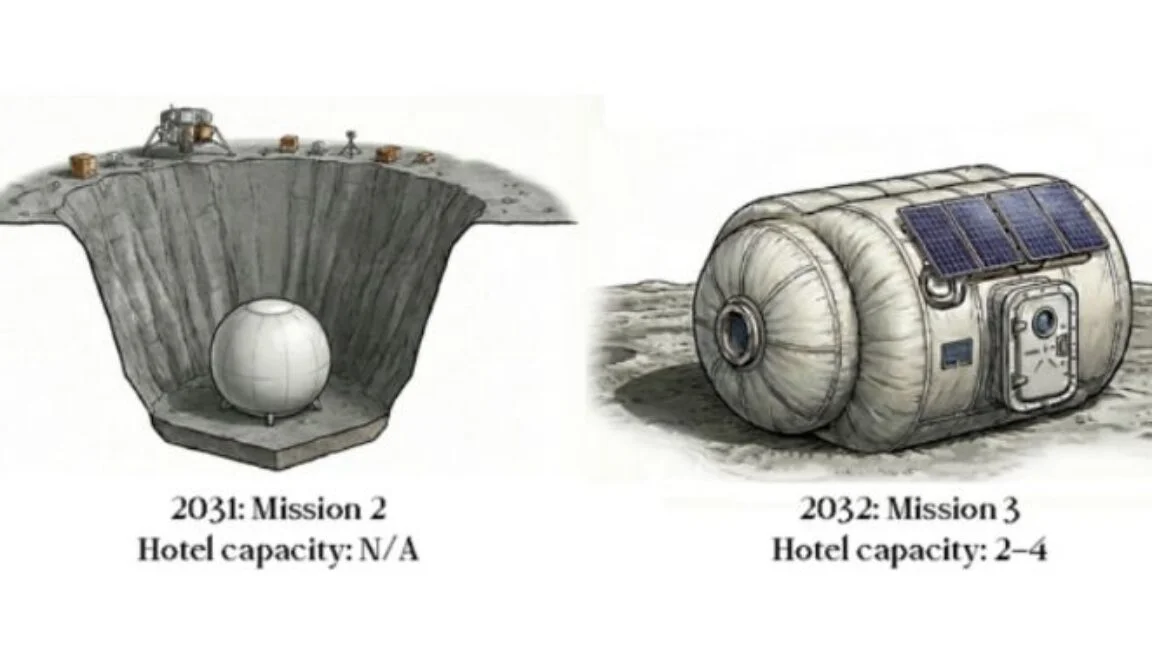
GRU Space plans a series of lunar habitats culminating in a Palace of the Fine Arts–style hotel. Prospective guests can place deposits from $250,000 to $1 million to secure a berth on early Moon missions, with initial tests (inflatable habitats and Moon-brick production) starting as early as 2029 and a four-guest hotel expected by 2032, backed in part by Y Combinator funding as the company pushes a new pillar for space commerce beyond government and billionaire ventures.

Michaela Benthaus, a German paraplegic engineer, became the first wheelchair user in space during a Blue Origin flight, highlighting advancements in accessible space travel and inspiring future inclusivity in space exploration.
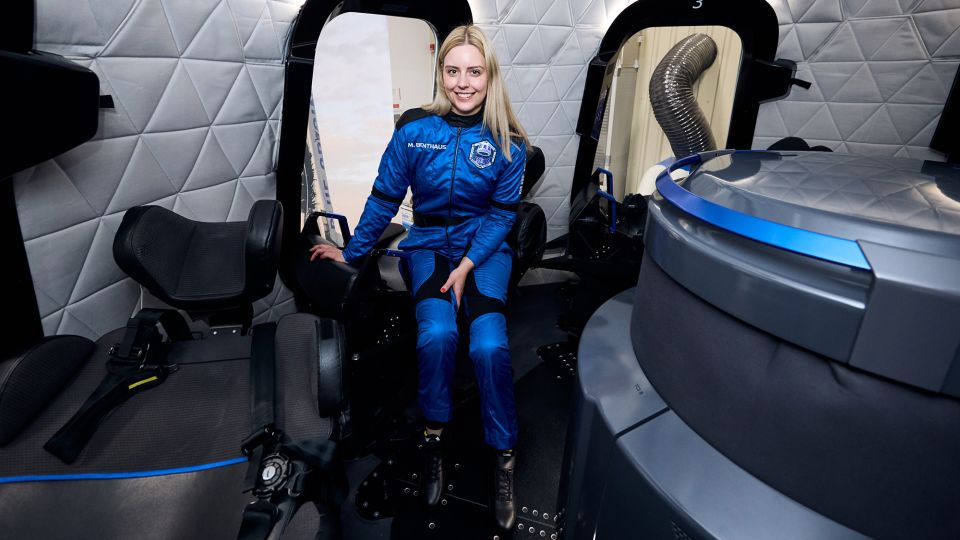
Michaela Benthaus, a German aerospace engineer and wheelchair user, became the first person with a spinal cord injury to travel past the Kármán Line aboard a Blue Origin New Shepard capsule, marking a historic milestone in making space accessible for people with disabilities.

Michaela Benthaus, a paraplegic engineer from Germany, became the first wheelchair user to float in space during a Blue Origin flight, highlighting advancements in accessible space travel and inspiring future inclusivity in space exploration.
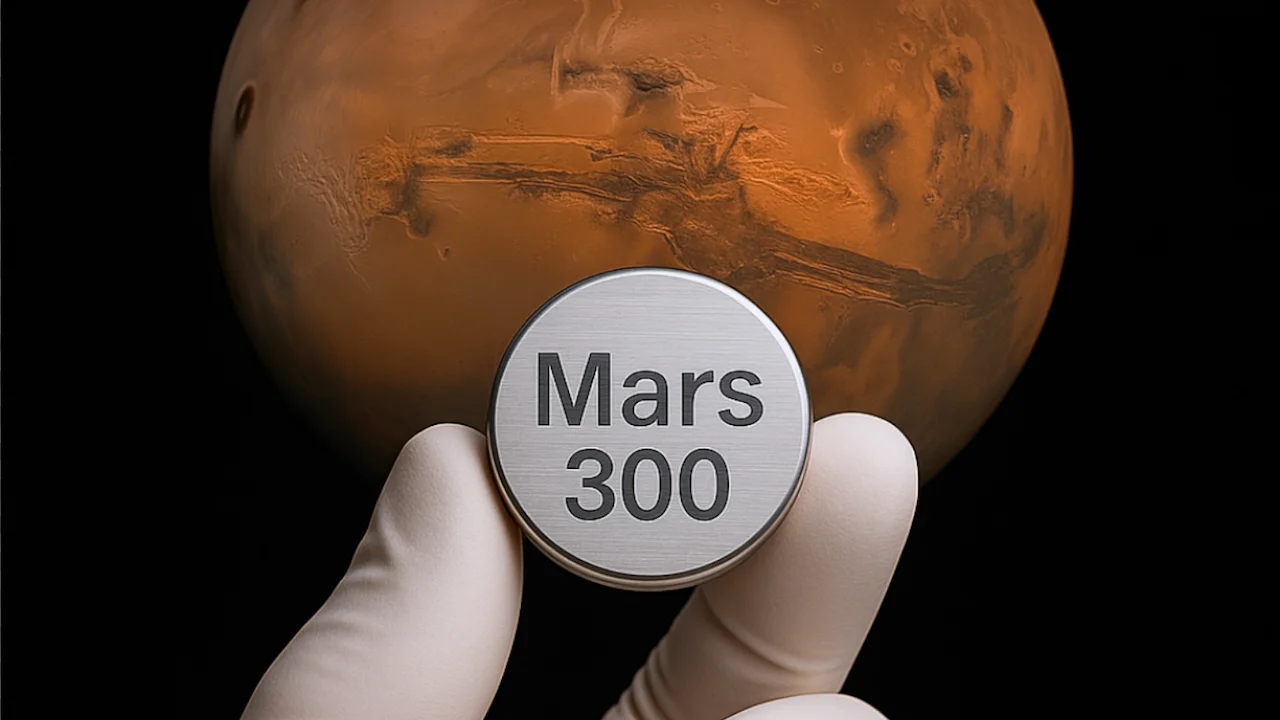
Celestis, a company specializing in space memorials, plans to launch human remains to Mars by 2030, offering customers the chance to reserve spots on a future mission to send cremated ashes and DNA samples around the Red Planet, despite significant technological and logistical challenges.
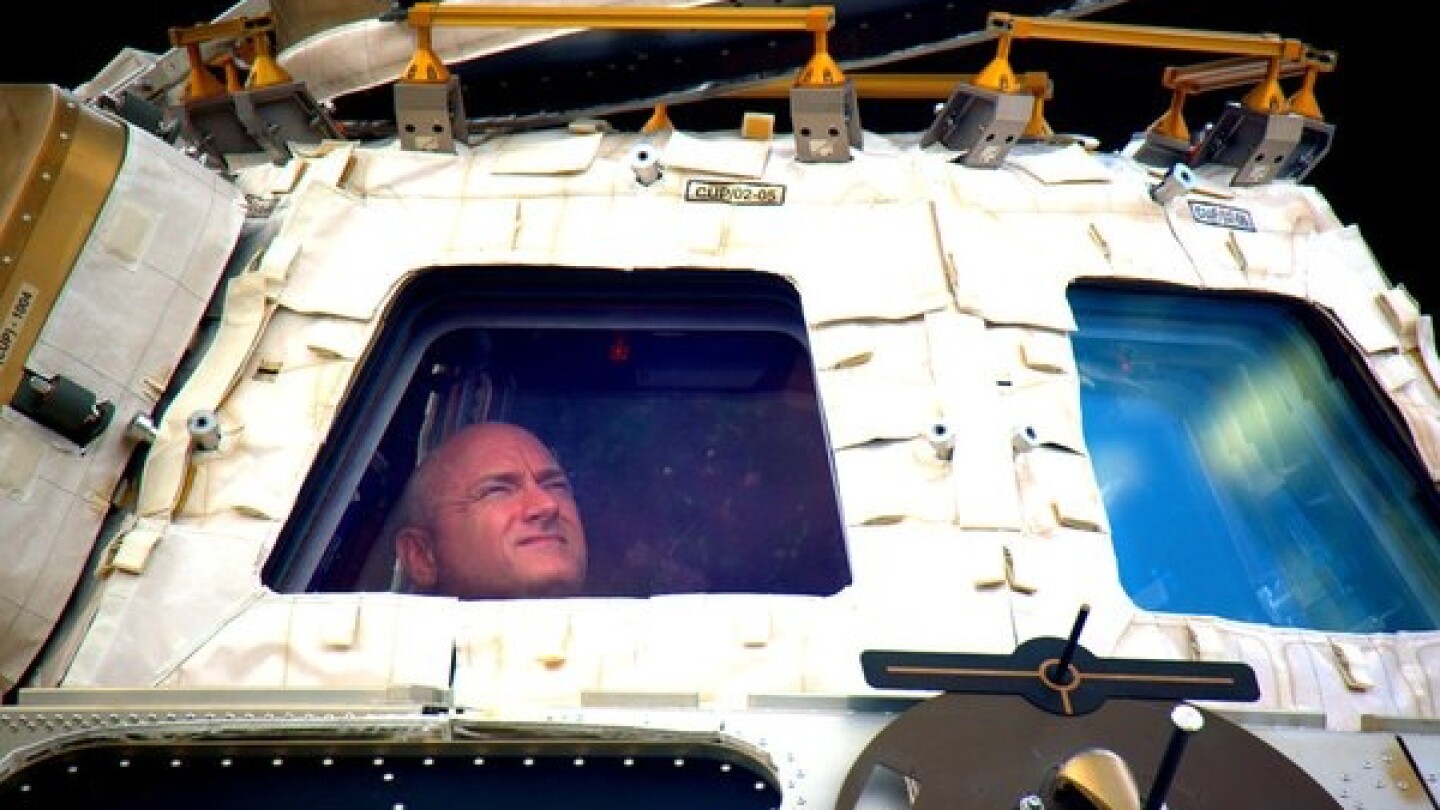
The International Space Station celebrates 25 years of continuous human presence, hosting nearly 300 visitors from 26 countries, with advancements in living conditions and scientific research, while NASA plans to decommission it by 2031 with SpaceX's help and transition to private space stations.
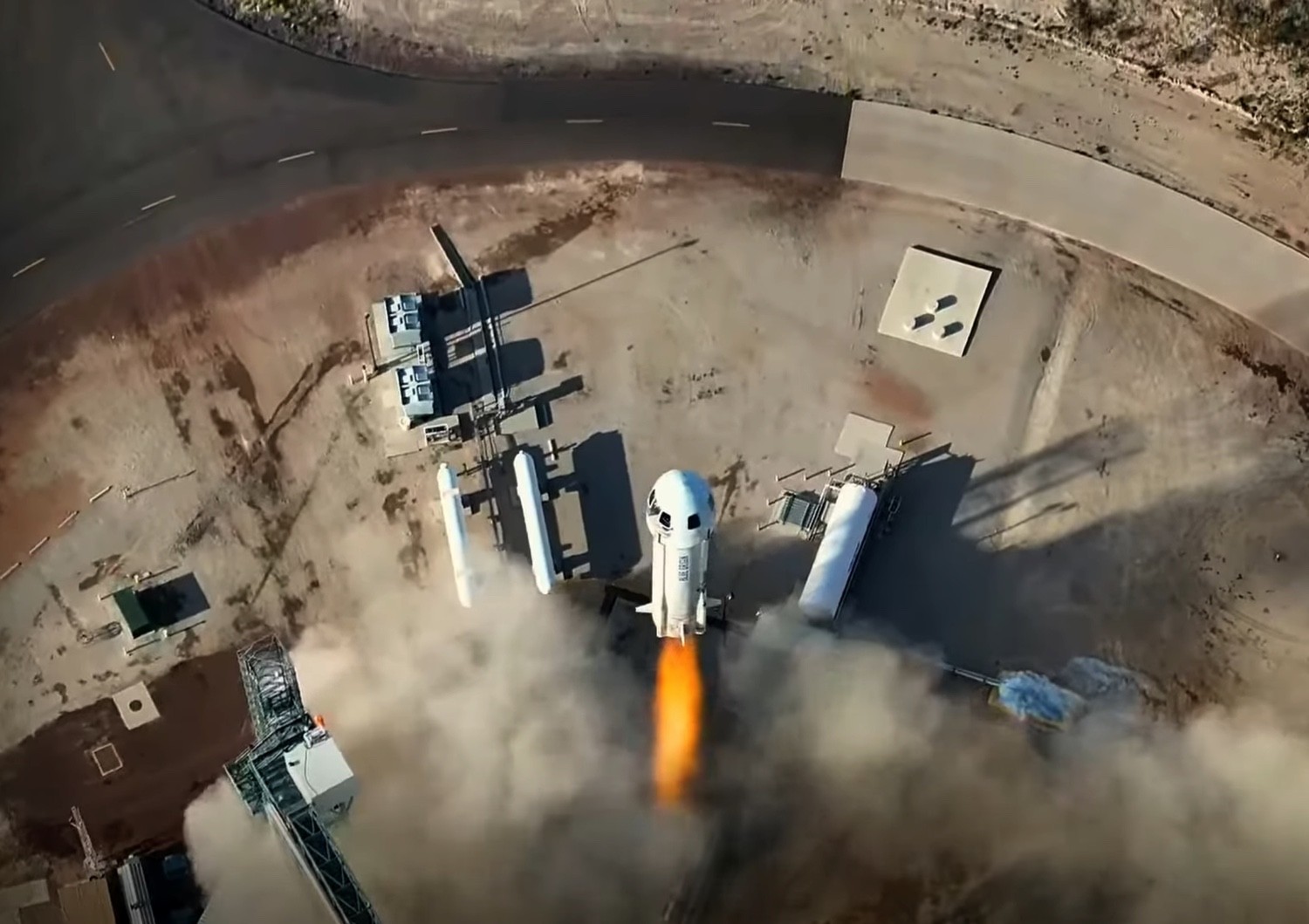
Blue Origin plans to increase the launch frequency of its New Shepard suborbital vehicle to weekly within the next few years, driven by strong customer demand, and is considering new international spaceports to support this growth, including upgrades to its vehicles and engines.
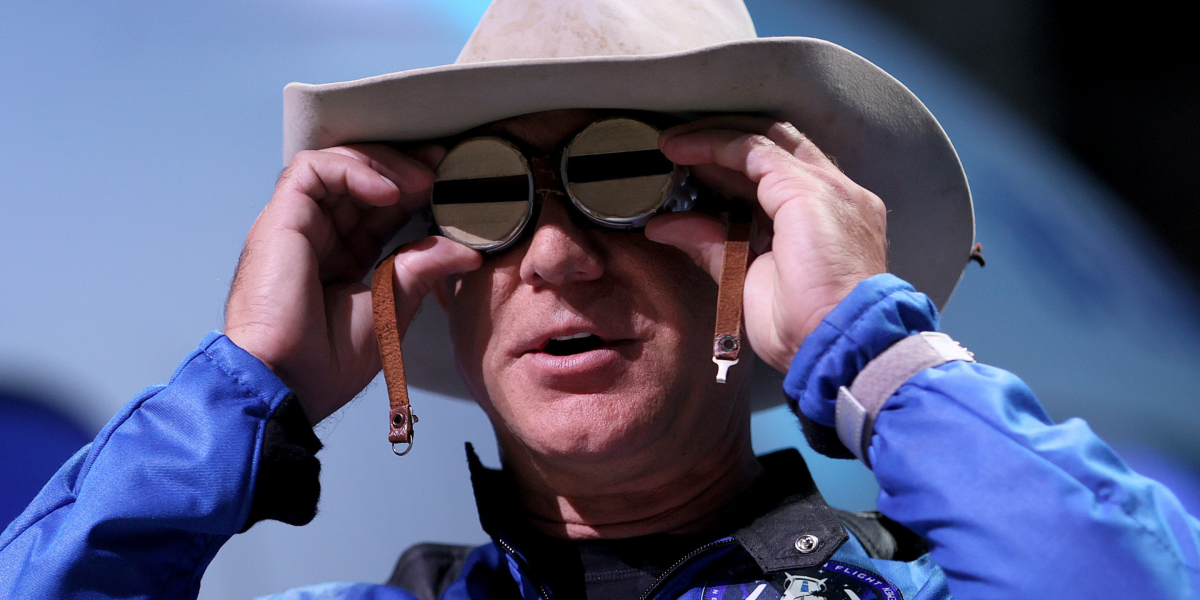
Billionaires like Sam Altman, Elon Musk, and Jeff Bezos are optimistic about the future of space, predicting that by 2035, young professionals may work exploring the solar system, with Mars colonization possibly happening as soon as 2028, while others like Bill Gates emphasize focusing on Earth's issues.
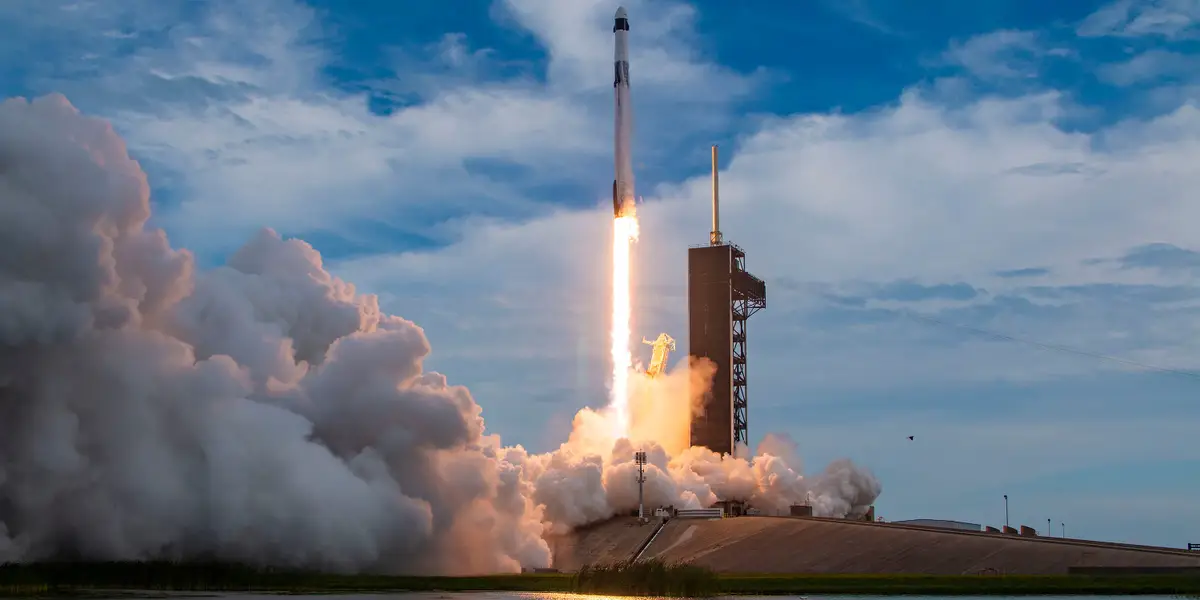
Axiom Space offers private space tickets costing around $70 million, which include extensive astronaut training and a two-week mission to the International Space Station, positioning itself as a premium option in the growing commercial space industry and emphasizing the cost-effectiveness of space travel compared to national space programs.