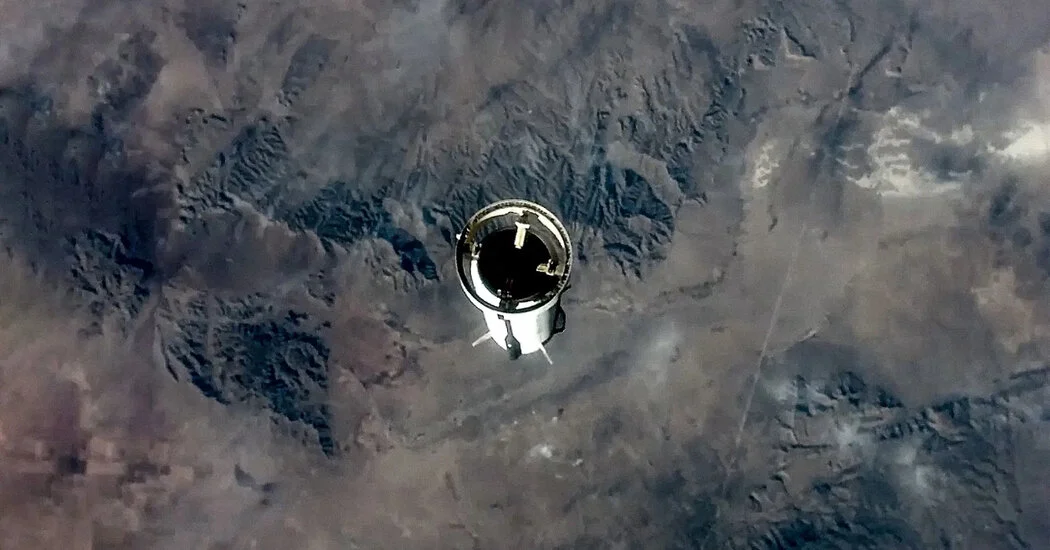
Blue Origin Pauses Space Tourism to Prioritize Moon Missions
Blue Origin will halt New Shepard space-tourism flights for at least two years to focus on NASA lunar missions, shifting resources from civilian trips to contracts for Moon exploration.

All articles tagged with #new shepard
Blue Origin will halt New Shepard space-tourism flights for at least two years to focus on NASA lunar missions, shifting resources from civilian trips to contracts for Moon exploration.
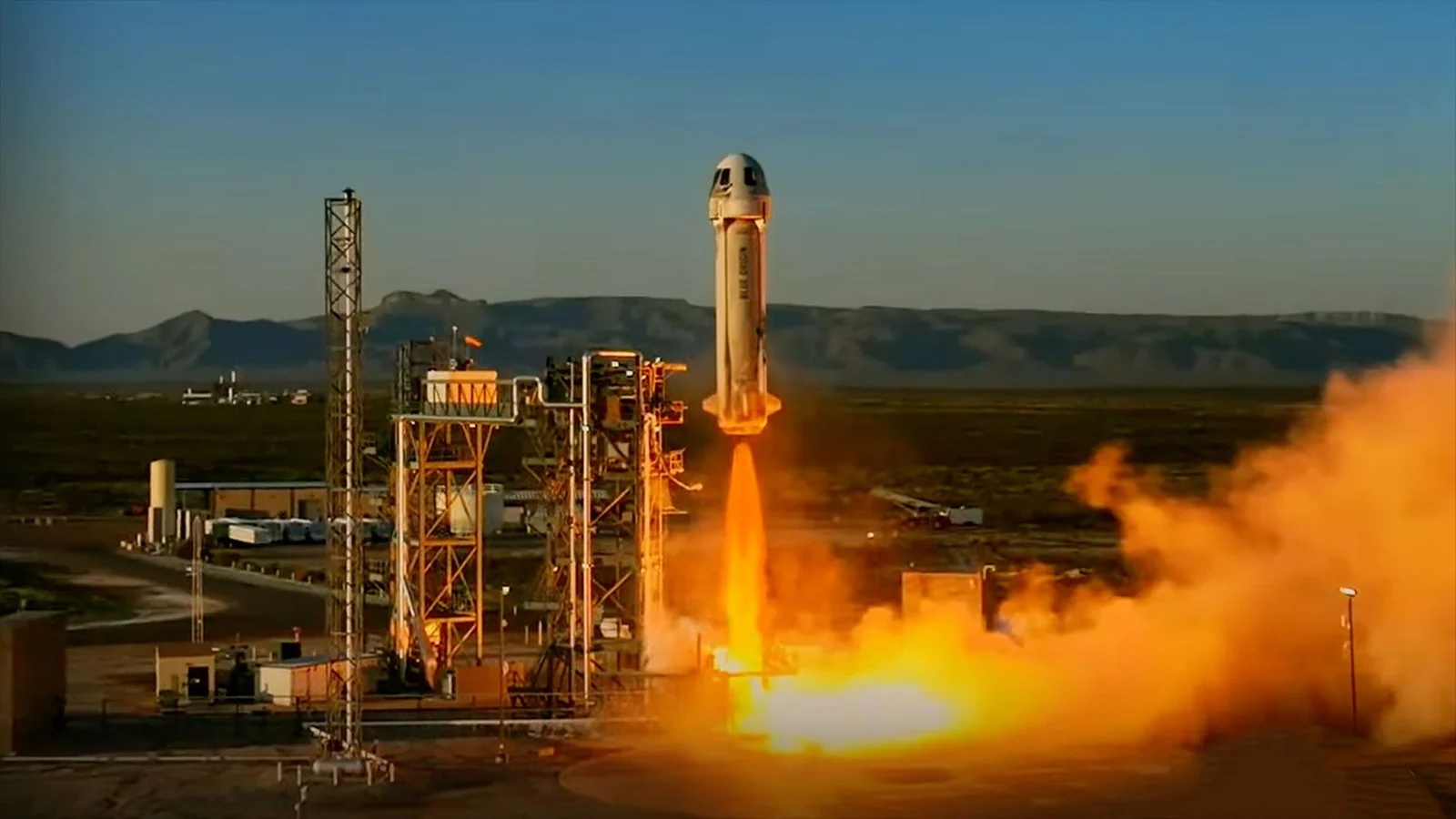
Blue Origin will ground its New Shepard suborbital spaceflight for at least two years to devote resources to lunar development, including the Blue Moon lunar lander and NASA's Artemis program; Artemis 5 is targeted for 2029, a robotic Blue Moon pathfinder is planned for this year, and Artemis 2 could launch as early as February 2026.
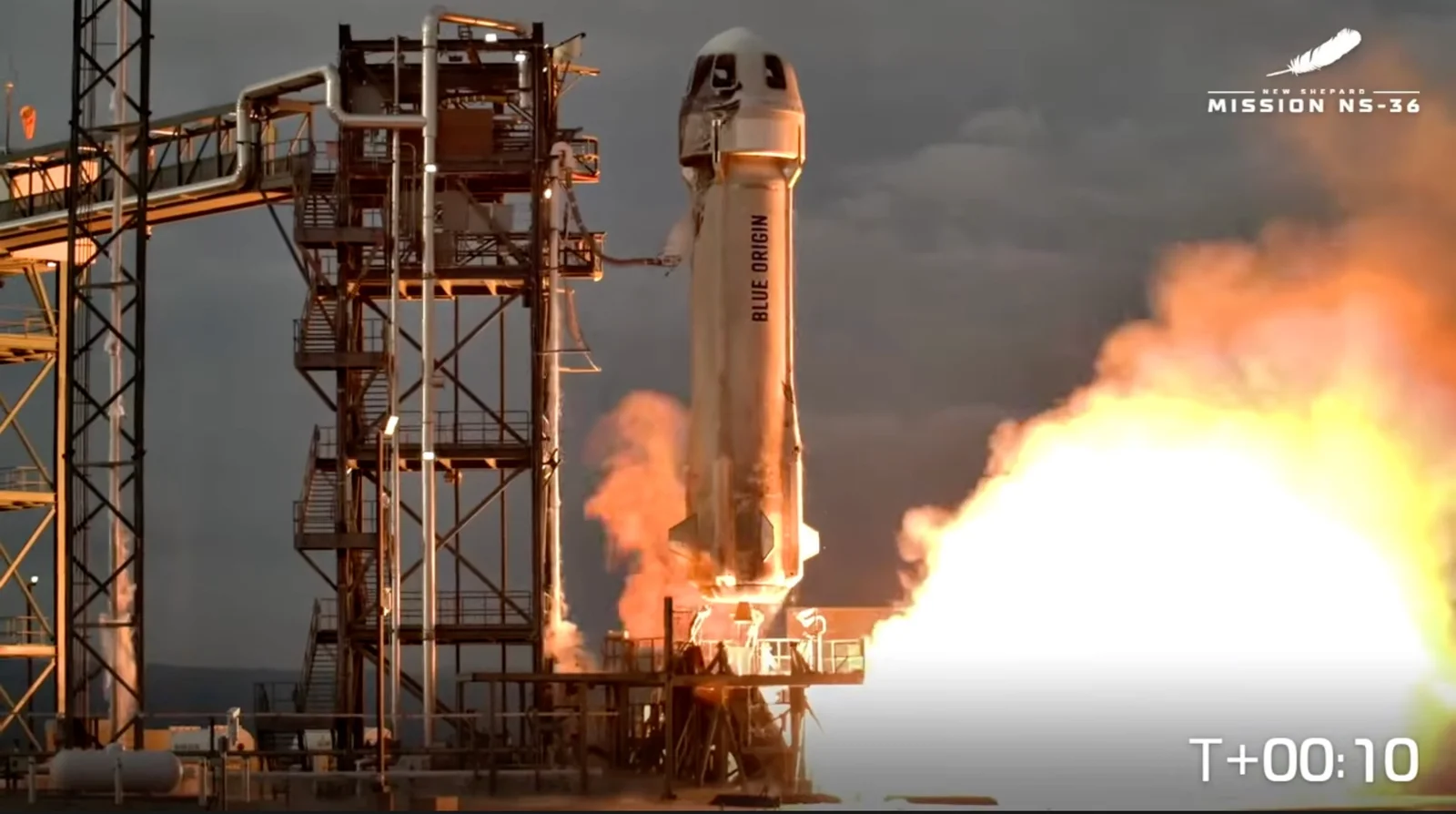
Blue Origin announced on Jan. 30 that it will halt all New Shepard suborbital flights for at least two years to devote resources to its lunar program, including the Blue Moon lander for NASA's Human Landing System. The pause follows NS-38 and comes with a remaining backlog of customers, though the company did not specify how resources or staffing will be redirected. NASA is pressing acceleration of lunar lander development to meet an Artemis 3 launch target by 2028, a context that underpins Blue Origin's shift toward lunar exploration.
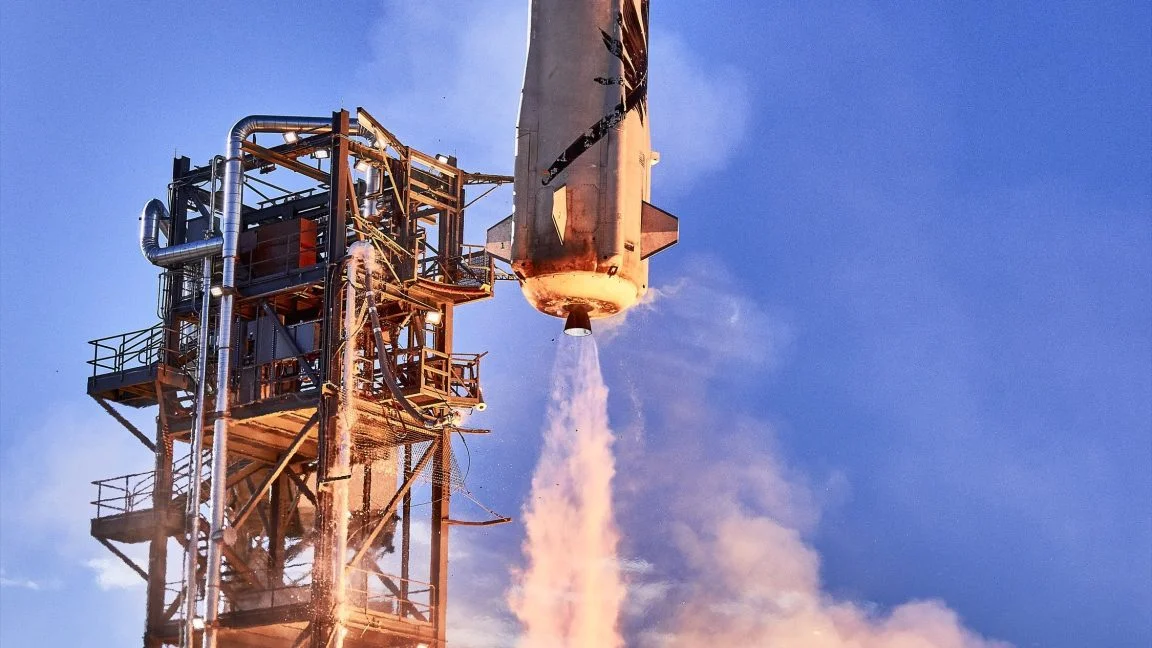
Blue Origin is pausing its New Shepard suborbital space-tourism program for two years to redirect resources toward lunar ambitions, including the New Glenn rocket and lunar lander development, in line with NASA's Artemis goals; the program has flown 98 people and launched 200+ payloads since 2015, but profitability concerns and a shift in strategy toward lunar capabilities drove the move.
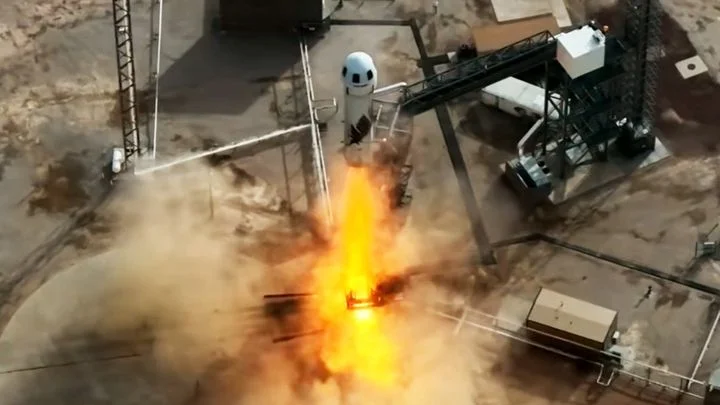
Blue Origin launched six space tourists aboard its New Shepard for the NS-38 mission on Jan 22, 2026, after Laura Stiles replaced Andrew Yaffe due to illness. The brief suborbital flight delivered minutes of weightlessness and views of Earth before a safe recovery, marking another milestone in the company’s space-tourism program (17th human spaceflight to date, 38th NS mission; Blue Origin has flown about 98 people to space).
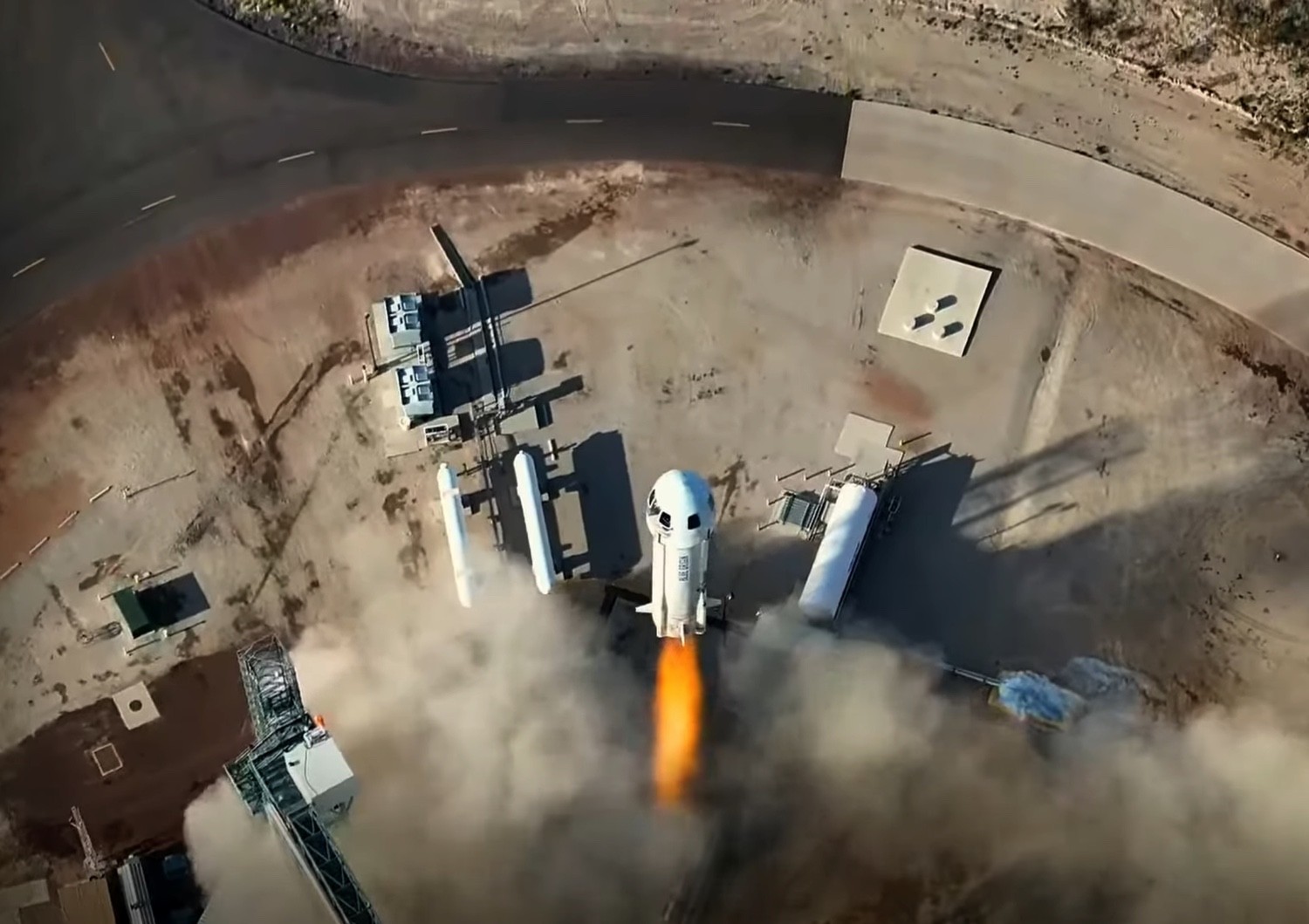
Blue Origin plans to increase the launch frequency of its New Shepard suborbital vehicle to weekly within the next few years, driven by strong customer demand, and is considering new international spaceports to support this growth, including upgrades to its vehicles and engines.
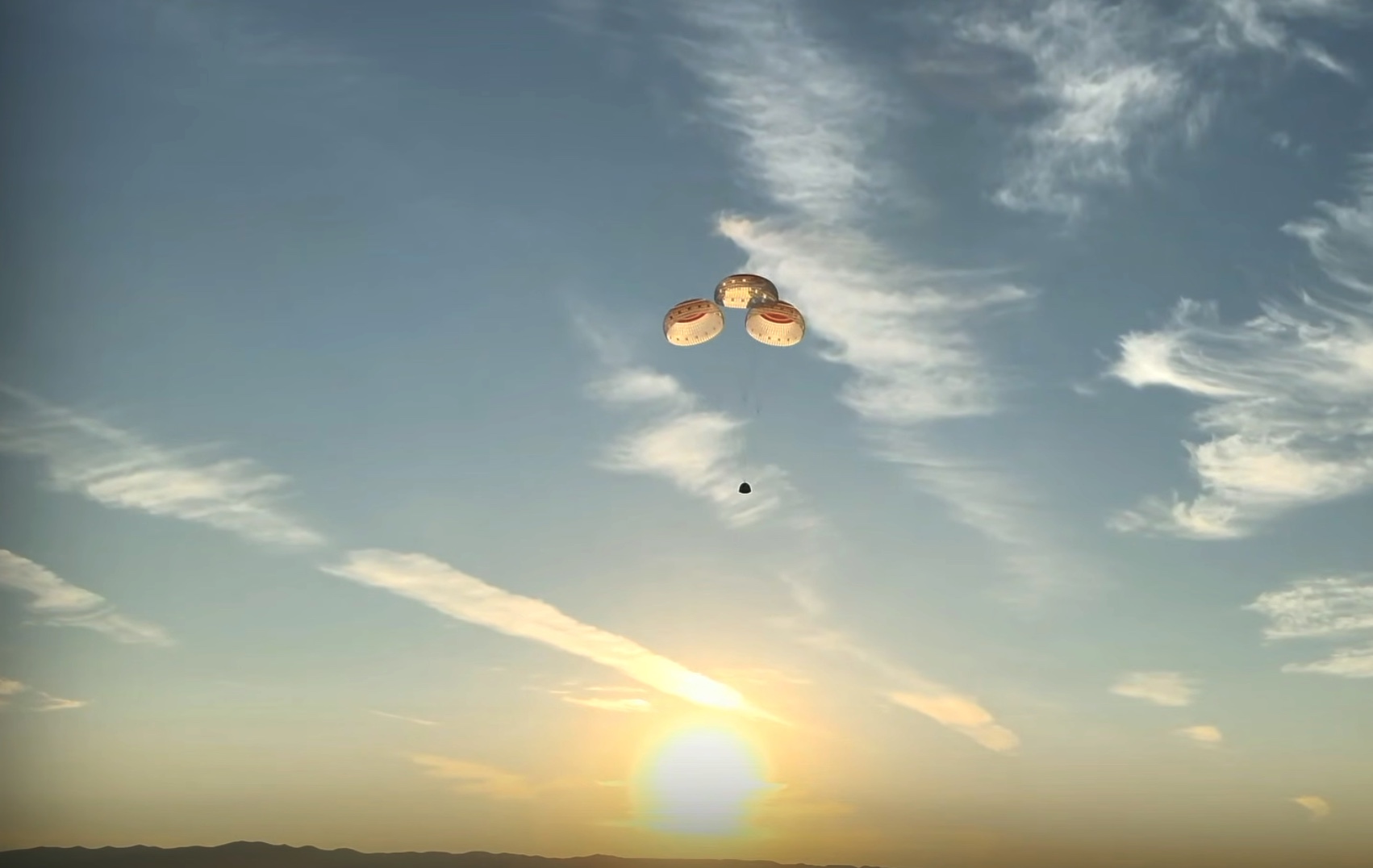
Blue Origin has retired its RSS H.G. Wells capsule after completing 12 missions over nearly eight years, including uncrewed cargo flights and payload deliveries, with plans to use it for verification testing before display, while continuing payload flights on other capsules.
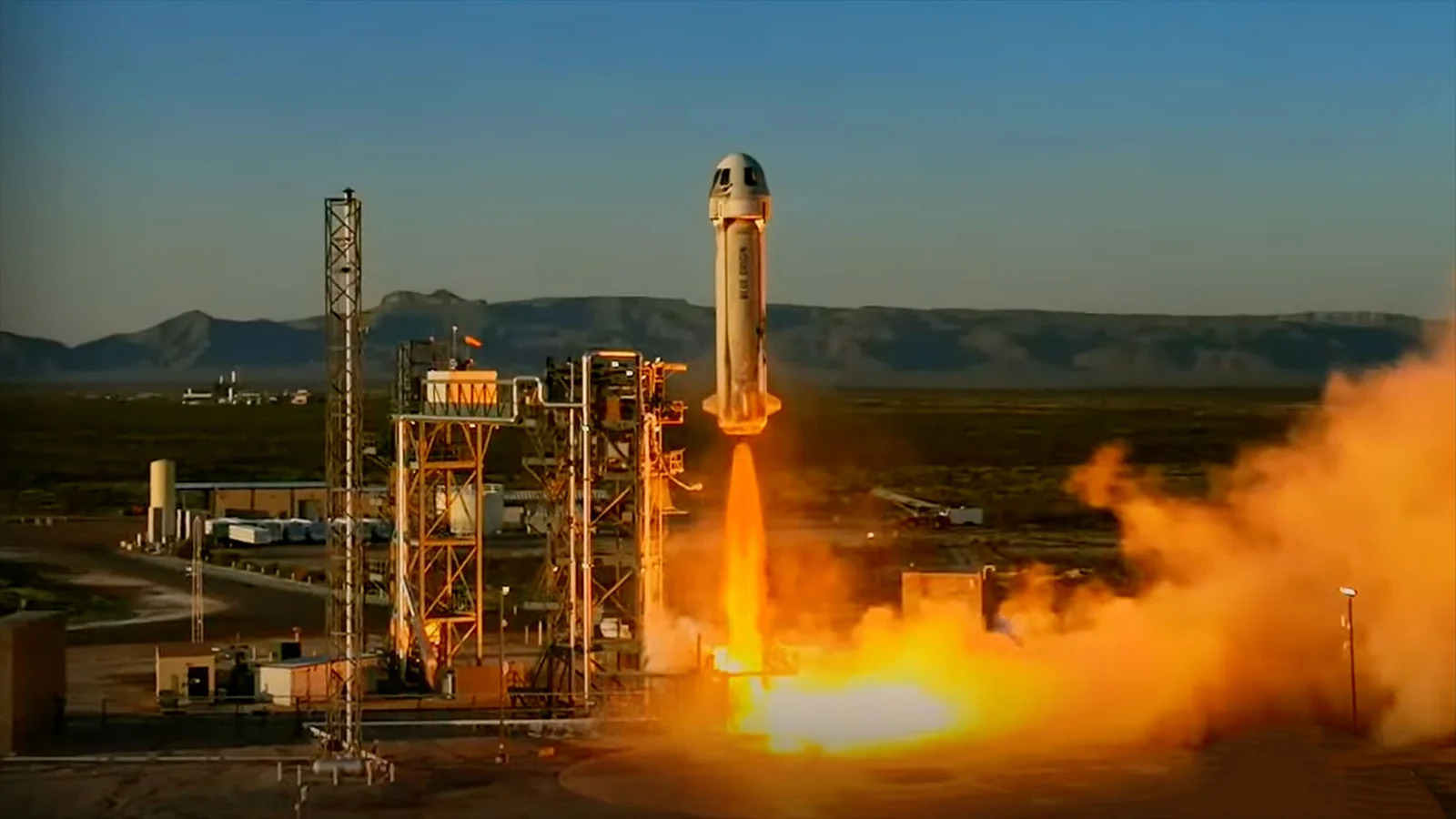
Blue Origin is set to launch its 35th New Shepard mission on August 23, carrying its 200th payload, including experiments from students, educators, and research institutions, with live coverage available online.
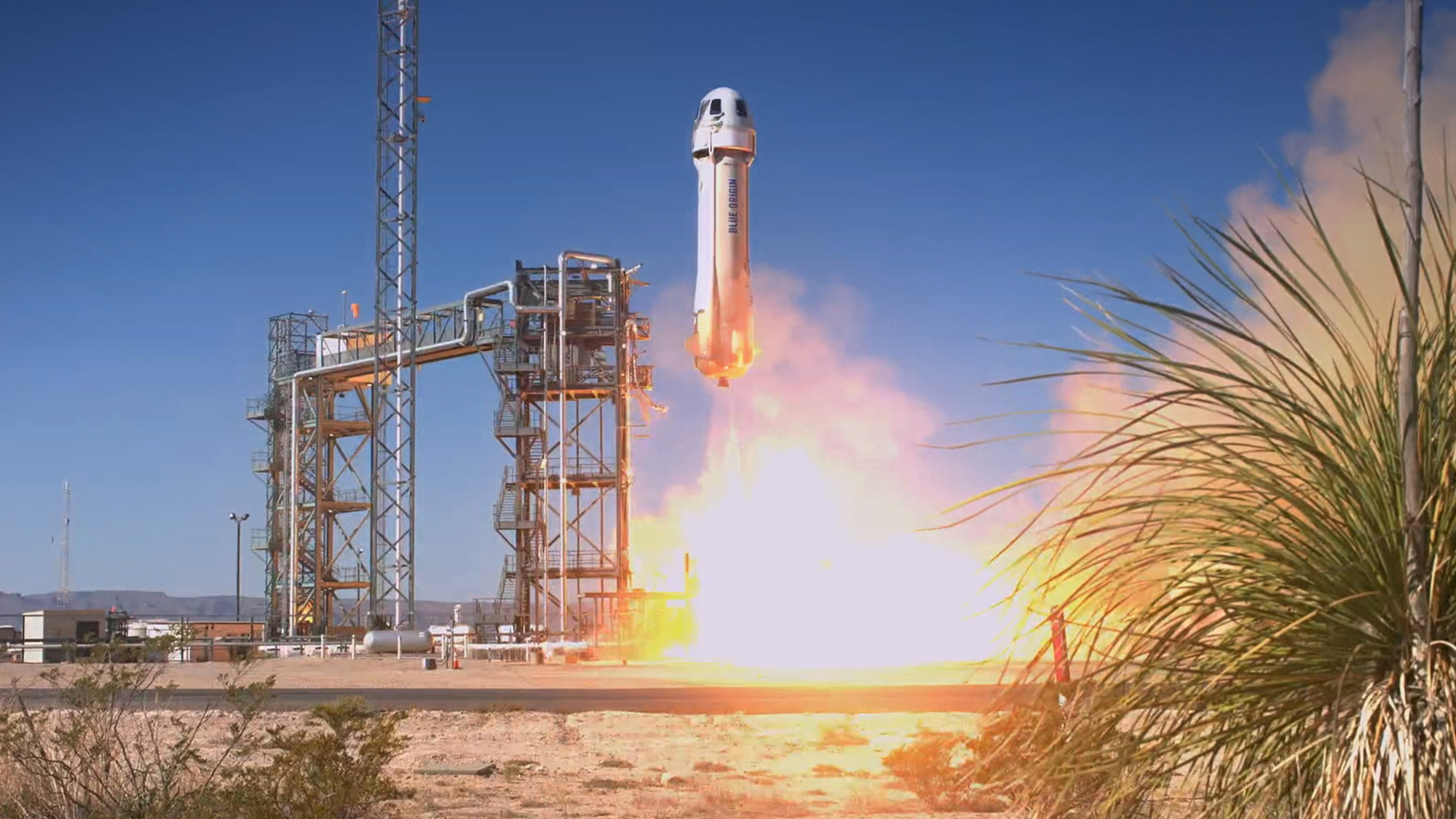
Blue Origin's NS-34 mission launched a crew including crypto billionaire Justin Sun and five others to suborbital space, experiencing a brief weightless flight above the Kármán line, with live streaming available for viewers.
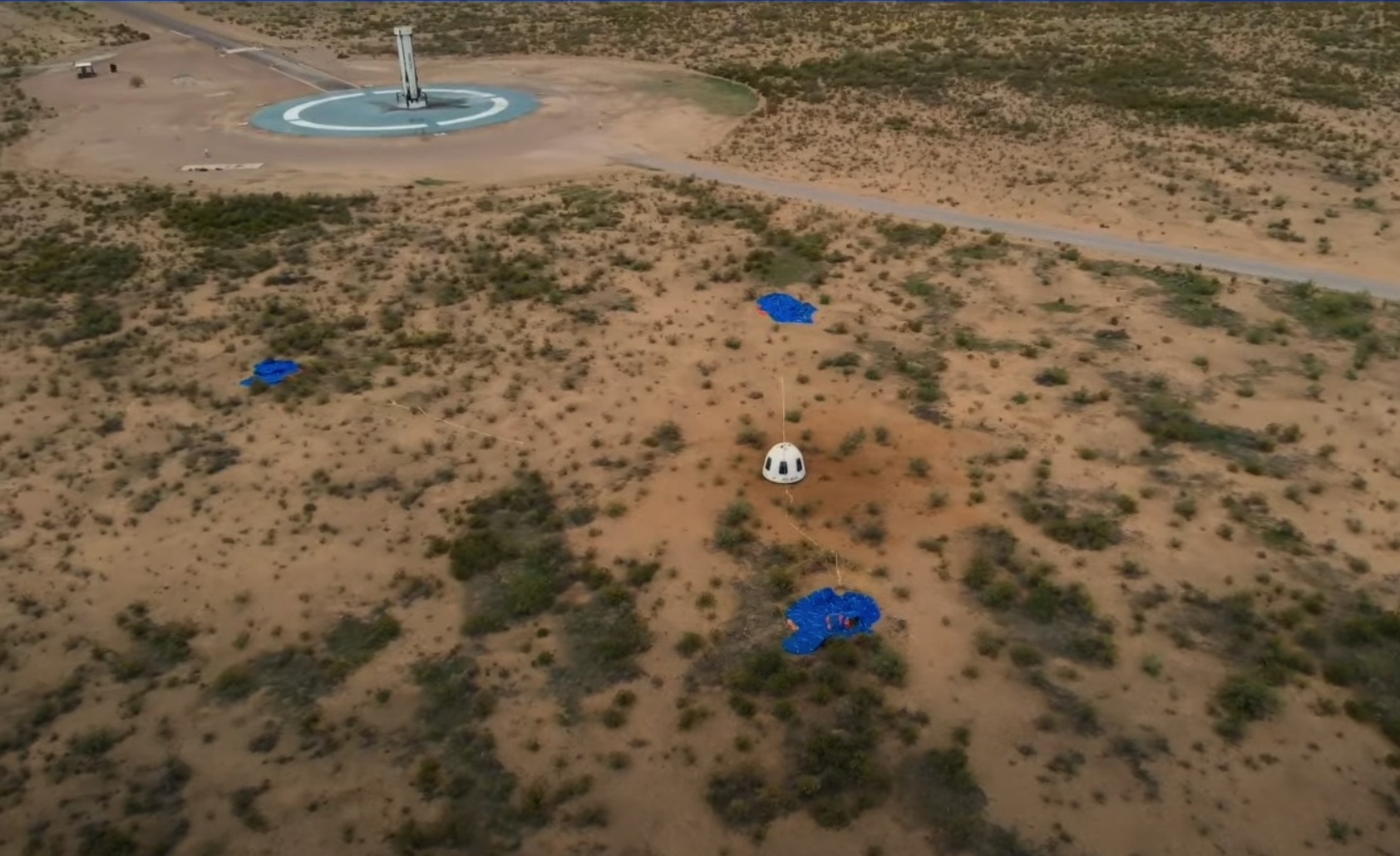
Blue Origin successfully launched its third crewed suborbital flight within three months using the New Shepard vehicle, carrying six passengers including a disbarred lawyer and a married couple, with the capsule landing close to the booster in West Texas. The flight marked the fifth of the year for New Shepard, demonstrating ongoing commercial space tourism efforts amid broader aerospace projects.
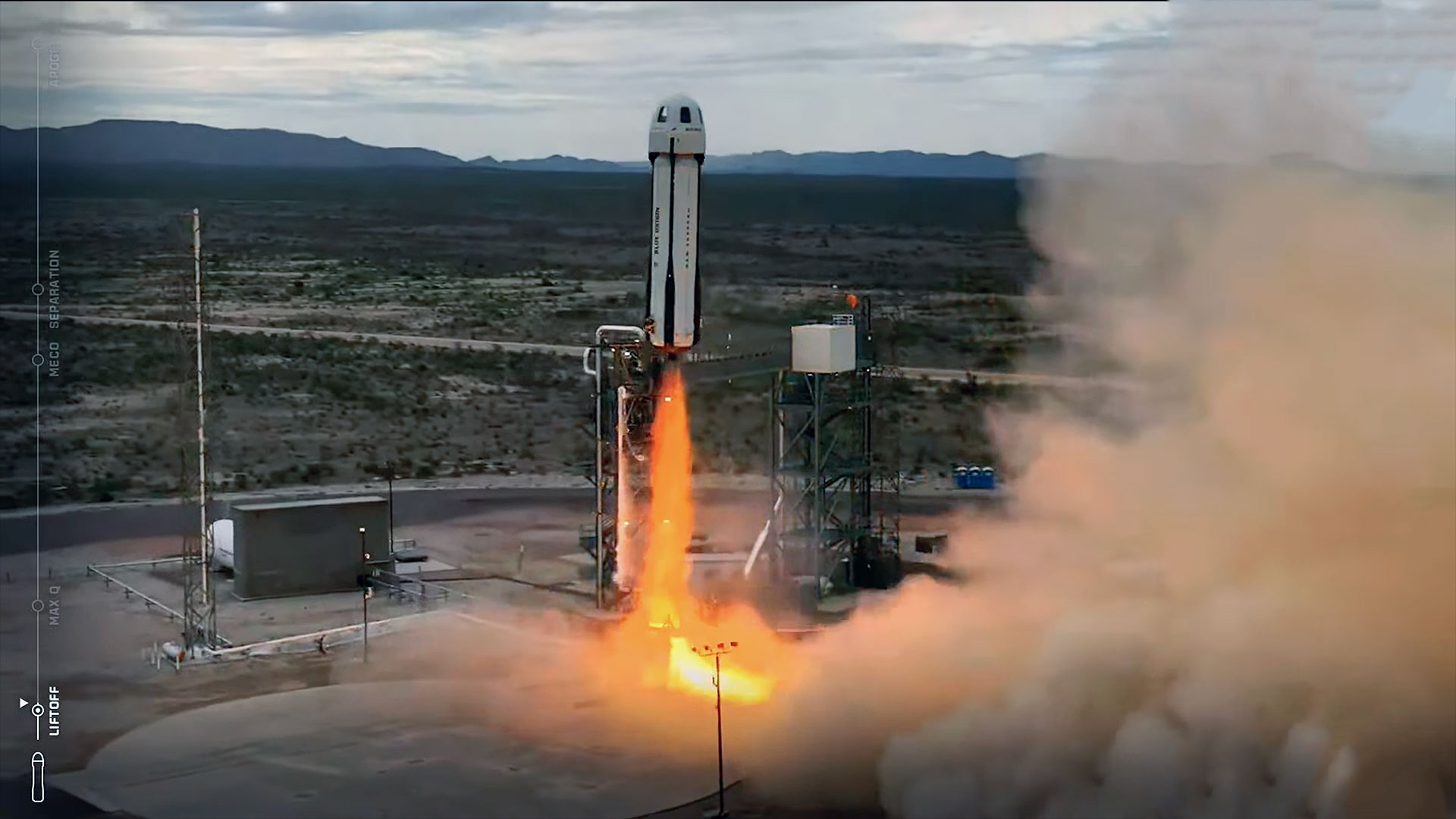
Blue Origin successfully launched its 70th person into space on its 13th passenger flight using the New Shepard vehicle, with the crew including the 750th person in history to reach space. The flight, carrying six tourists, reached above the Kármán Line, marking a significant milestone in commercial space travel.
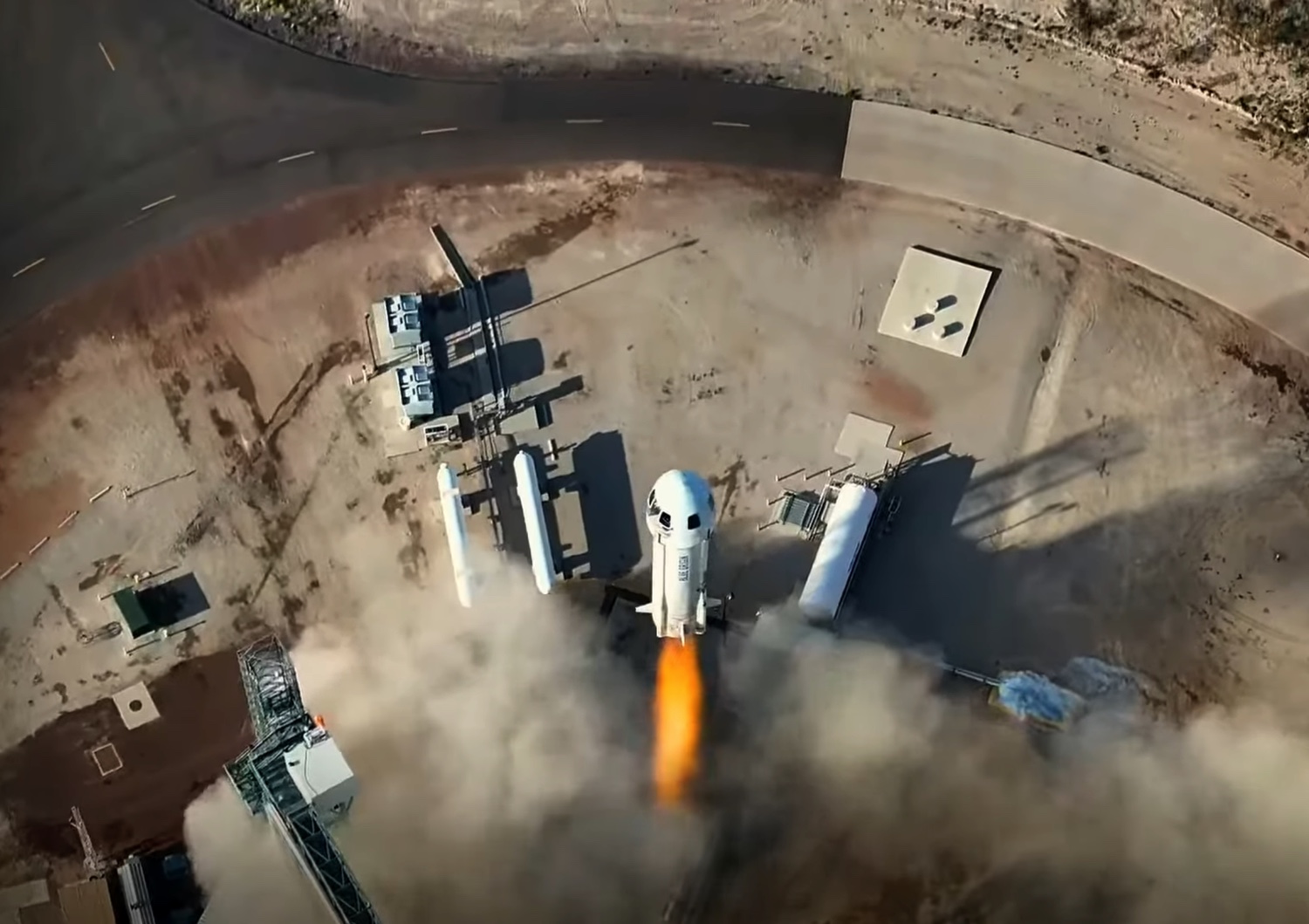
Blue Origin's New Shepard completed its 12th crewed suborbital flight, carrying six passengers from diverse backgrounds, including the first person from New Zealand and Panama to go to space. The flight served both as a commercial venture and a testbed for future technologies, with the company emphasizing its dual role in business and technological development.
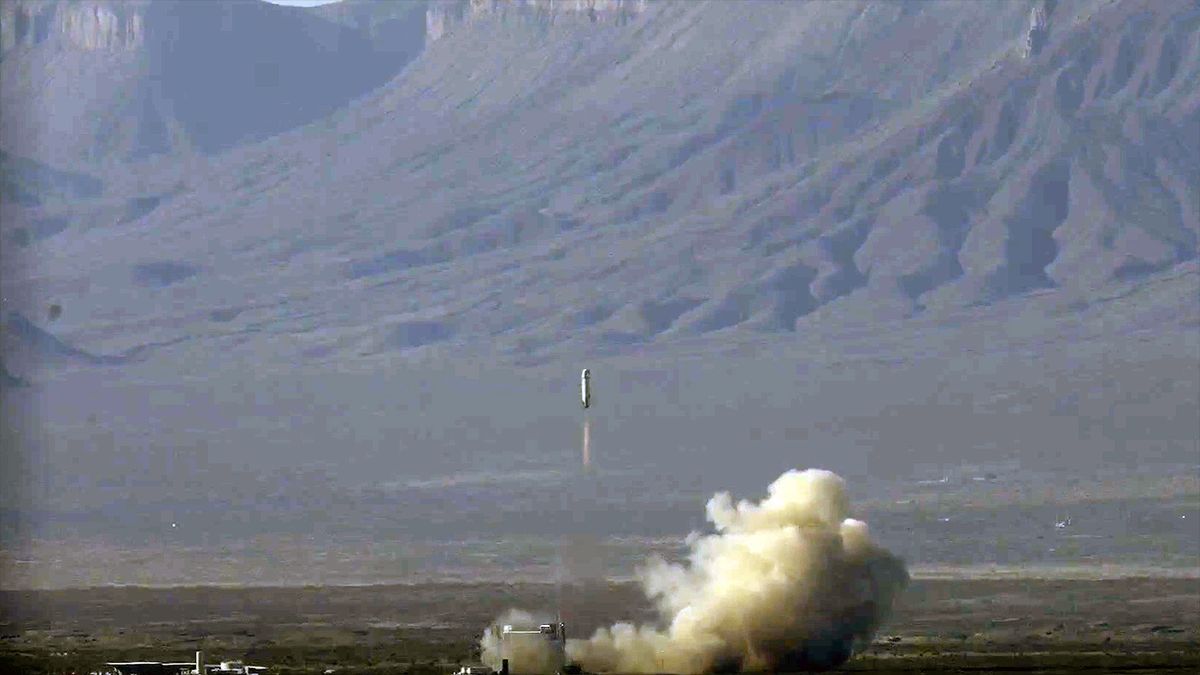
Emily Calandrelli, known as "The Space Gal," became the 100th woman to fly into space aboard Blue Origin's New Shepard rocket on November 22, 2024. The suborbital flight, which lasted about 10 minutes, included six passengers and marked Blue Origin's ninth human spaceflight. Calandrelli, an advocate for women in STEM, celebrated her achievement as a milestone for female representation in space exploration. The mission reached an altitude above the Kármán line, the recognized boundary of space, before safely returning to Earth.
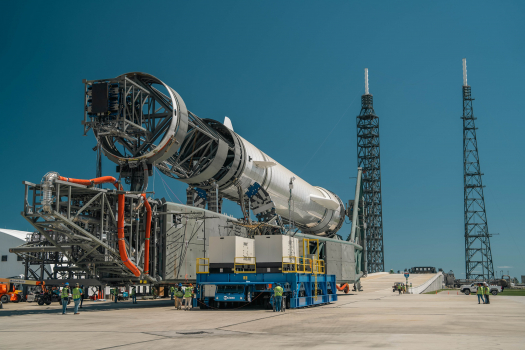
Blue Origin is making significant progress on multiple fronts, including preparing the New Glenn rocket for its maiden launch, delivering BE-4 engines to ULA, and resuming crewed flights with New Shepard. The company is also expanding its facilities to support future missions, such as the Blue Moon lunar lander. Recent tests and infrastructure developments indicate that Blue Origin is on track for key upcoming launches and missions.
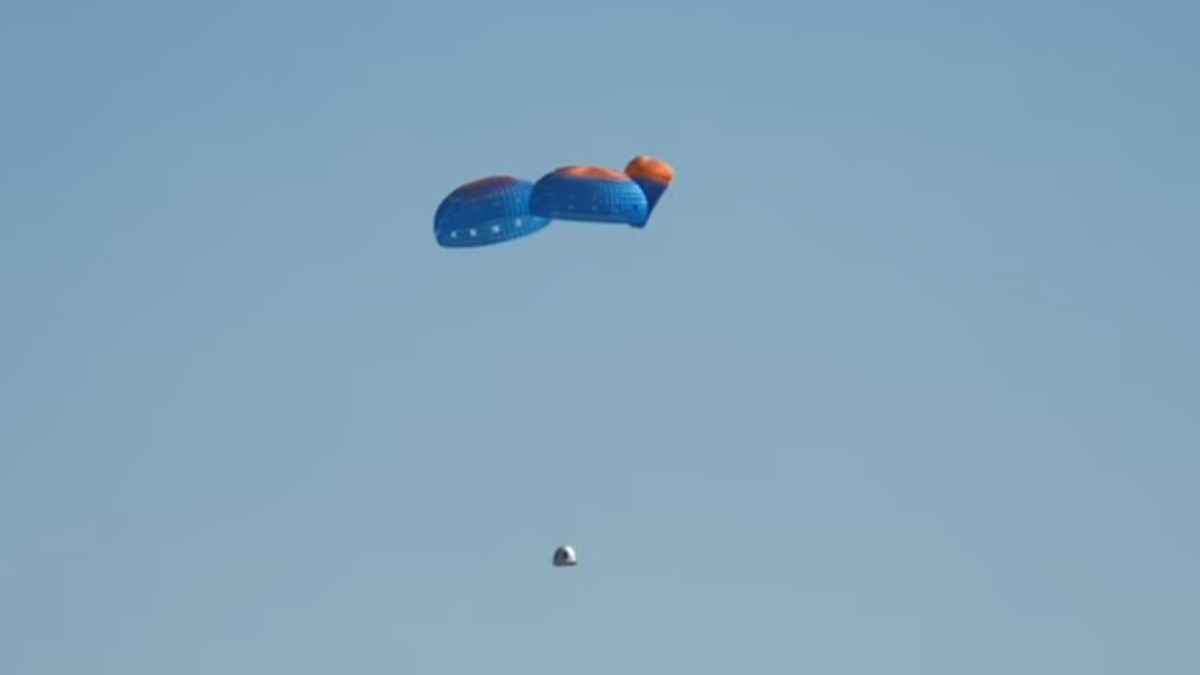
Blue Origin is investigating a parachute failure during its first crewed flight in two years, where one of the three parachutes on the New Shepard capsule did not fully inflate. Despite the issue, the capsule landed safely. This incident follows a previous uncrewed flight failure in 2022. The parachute problem was disclosed to NASA but not publicly, and the root cause is still under investigation.