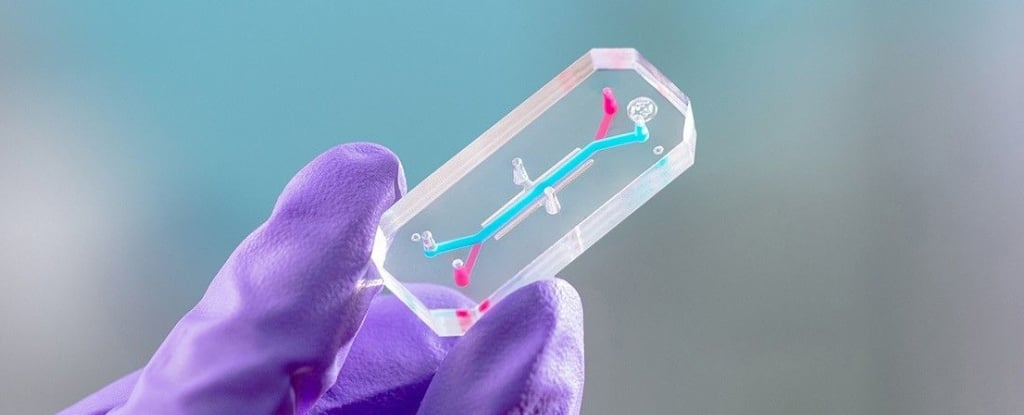
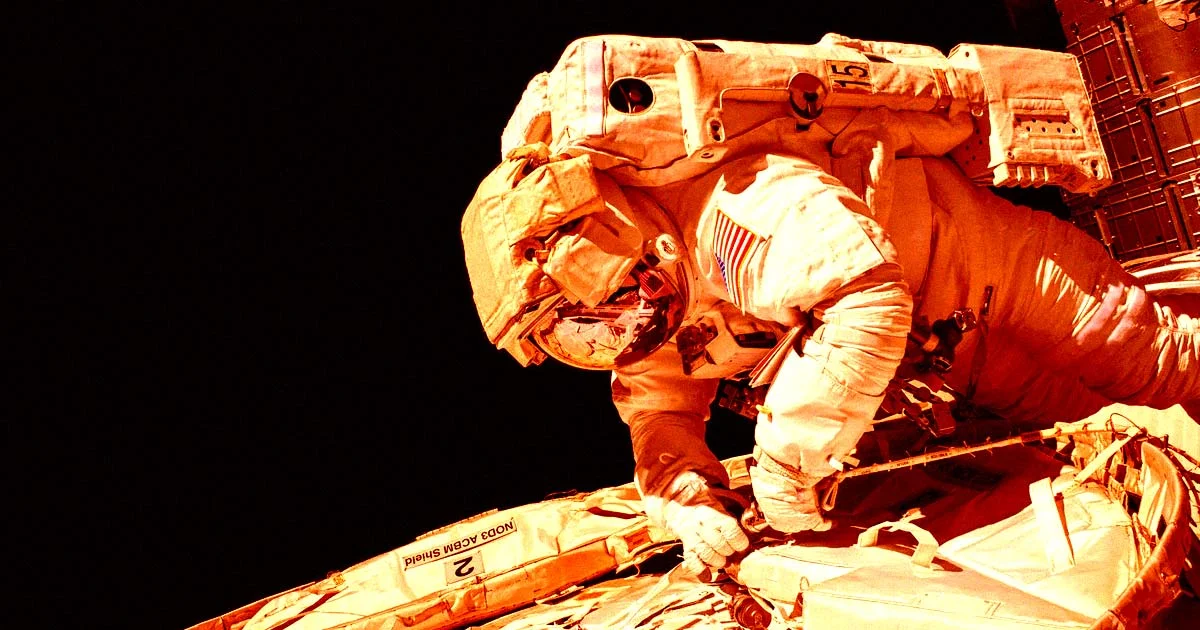
NASA's AVATAR project involves creating miniature tissue chips from astronauts' cells to study space hazards and develop personalized countermeasures, potentially revolutionizing space travel and medicine on Earth.
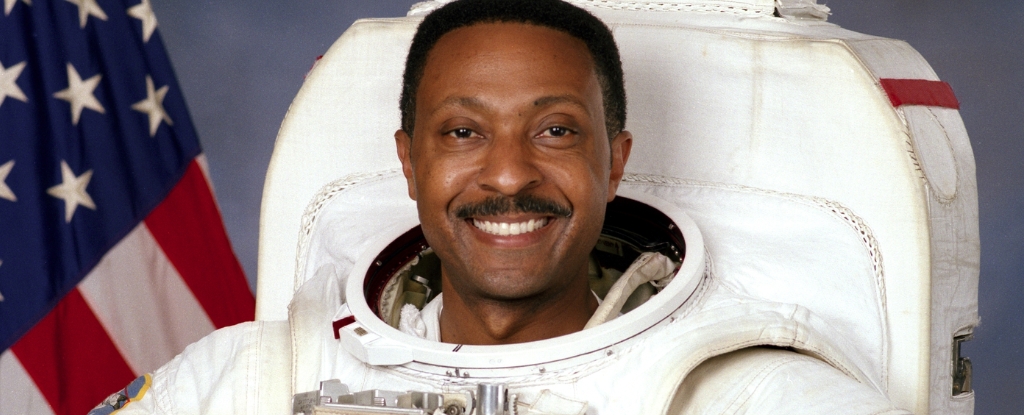
Winston Elliott Scott, a retired NASA astronaut who flew in space in the 1990s, shares his experiences and insights on the effects of space travel on the human body and mind at age 75, highlighting NASA's efforts to manage astronaut health and the enduring impact of space missions.
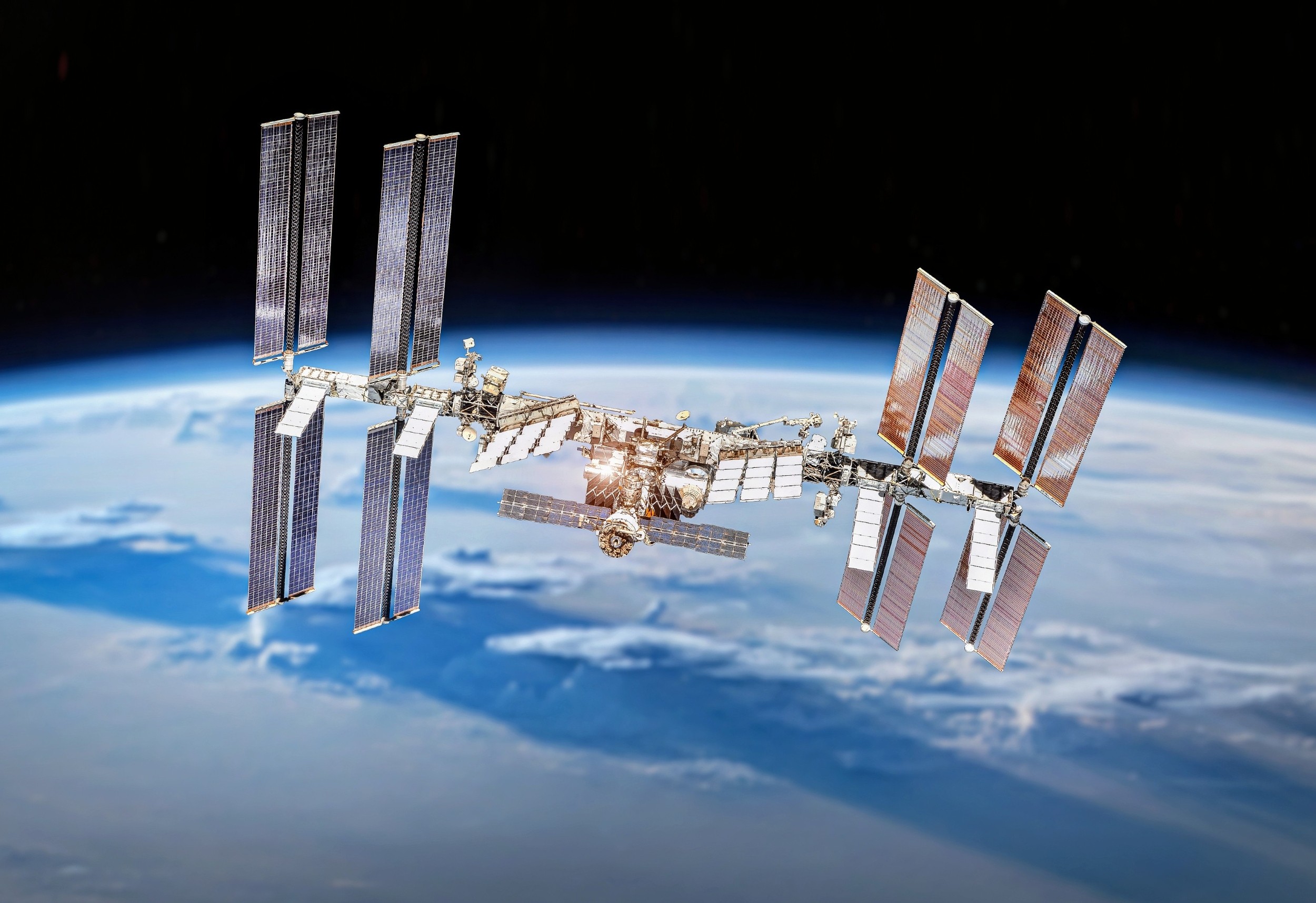
A study analyzing nearly two decades of medical logs from 71 ISS astronauts reveals that 85% experience sinus and nasal problems in space, mainly due to microgravity-induced fluid shifts, with spacewalks exacerbating these issues. Common remedies include decongestants, but their effectiveness in space remains uncertain, highlighting the need for better management strategies for astronaut health during long missions and future space travel.
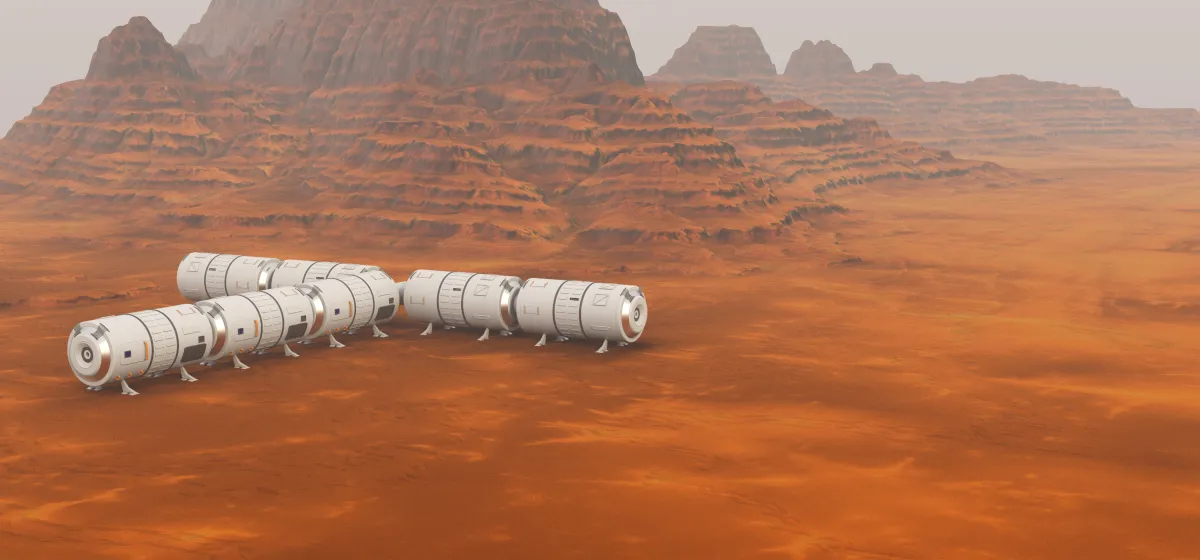
NASA and Google are developing an AI-powered medical assistant called CMO-DA to help astronauts diagnose and treat health issues independently during long-duration space missions to Mars and the Moon, with high diagnostic accuracy demonstrated in initial tests, aiming to enhance space medicine and potentially benefit terrestrial healthcare.
A study by NASA's Behavioral Health and Performance Laboratory found that astronauts experience slowed cognitive abilities, such as processing speed and attention, while in space, though these effects are not permanent. The research, involving 25 astronauts on the International Space Station, suggests that cognitive domains like visual working memory and risk-taking propensity are most affected in space. However, no significant long-term cognitive impairment was observed post-mission. The study highlights the need for further research, especially for longer deep space missions, due to potential risks like space radiation and isolation.