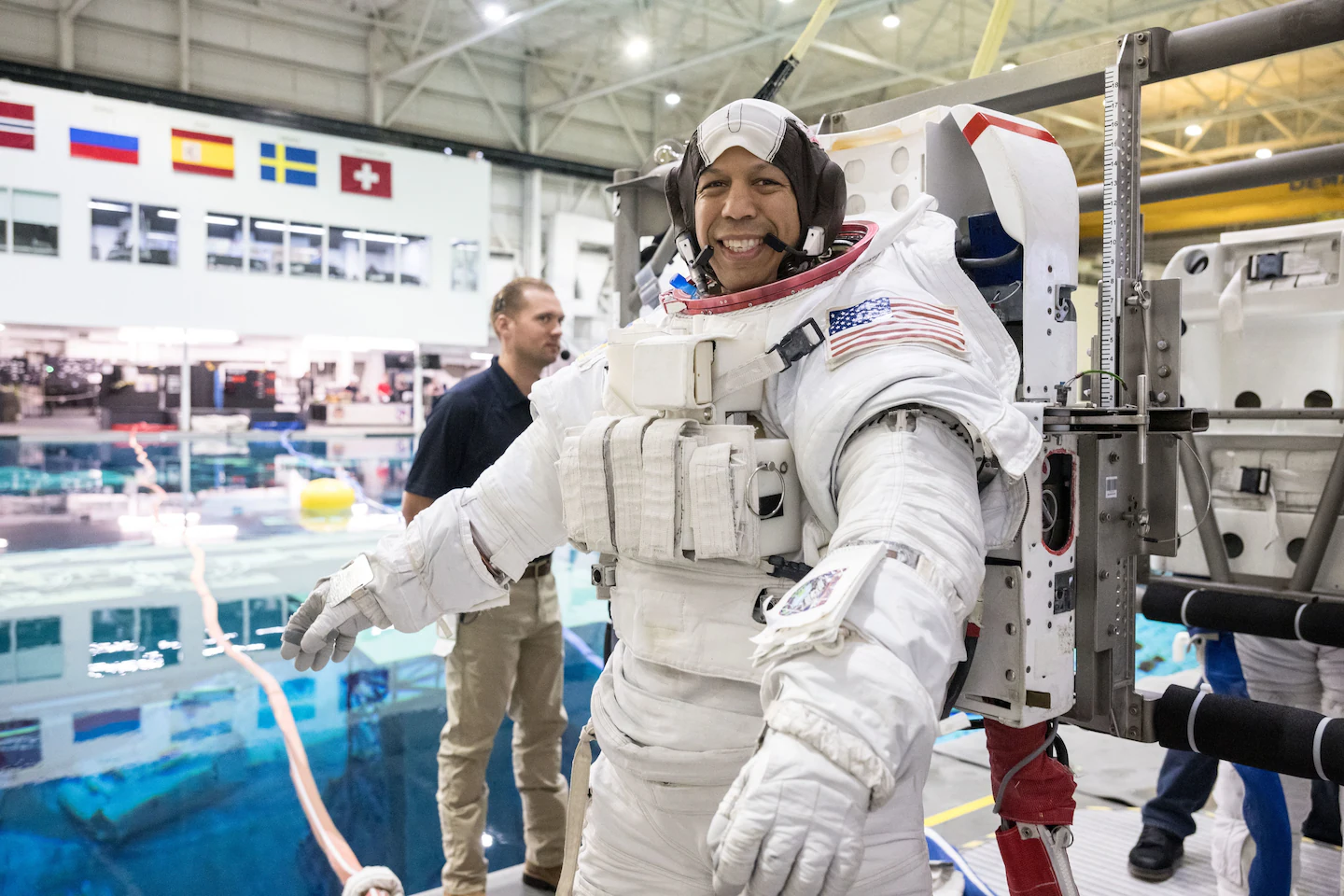
Chris Williams, a Maryland native and astrophysics researcher, fulfilled his childhood dream of traveling to space, having a background in astrophysics, medical physics, and volunteer emergency services.
Cosmic rays pose a significant challenge for human space travel beyond Earth, especially to Mars, due to their damaging effects on living organisms and equipment. Current physical shields are insufficient against high-energy cosmic rays, prompting research into biological protection methods such as antioxidants, hibernation-like states, and leveraging organisms like tardigrades. Advances in simulation and accelerator technology, along with increased research investment, are crucial for developing effective protection strategies to enable safe long-duration space missions.
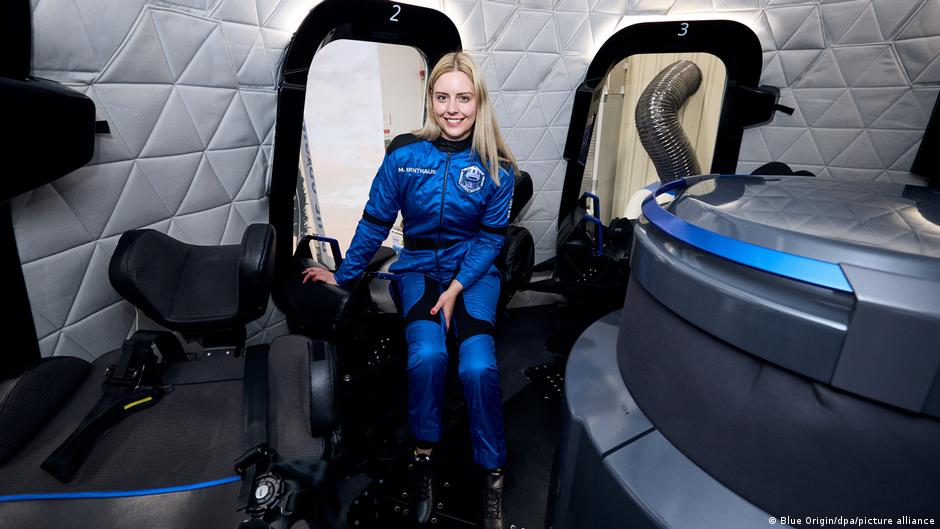
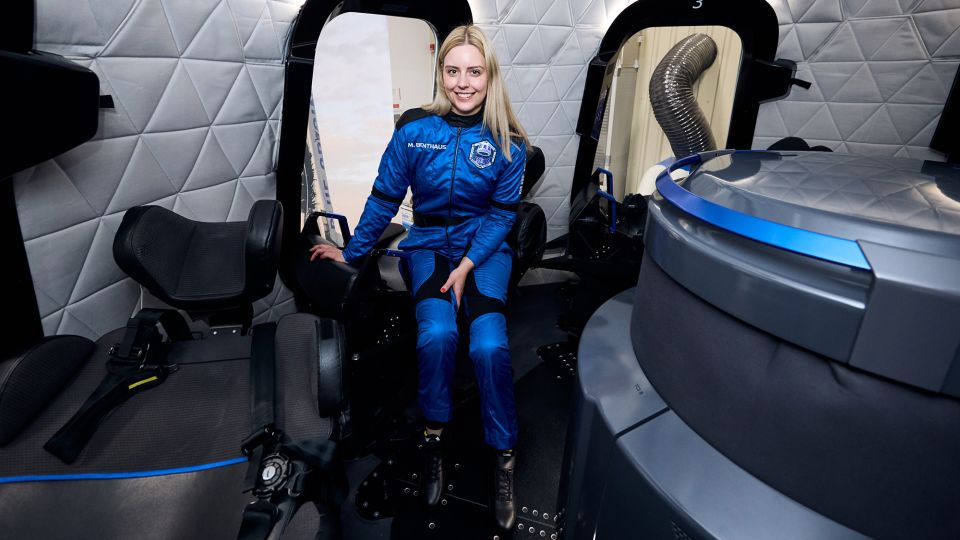
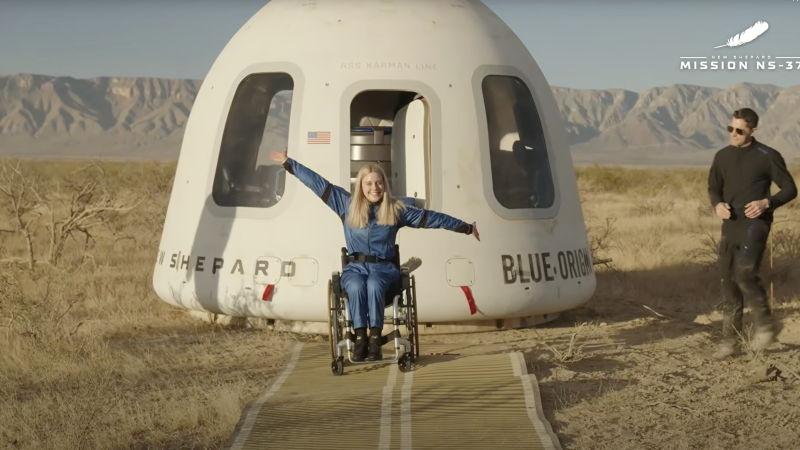
German engineer Michaela Benthaus, who has paraplegia, became the first wheelchair user to travel to space on a Blue Origin suborbital flight, experiencing weightlessness and advocating for greater accessibility for people with disabilities.
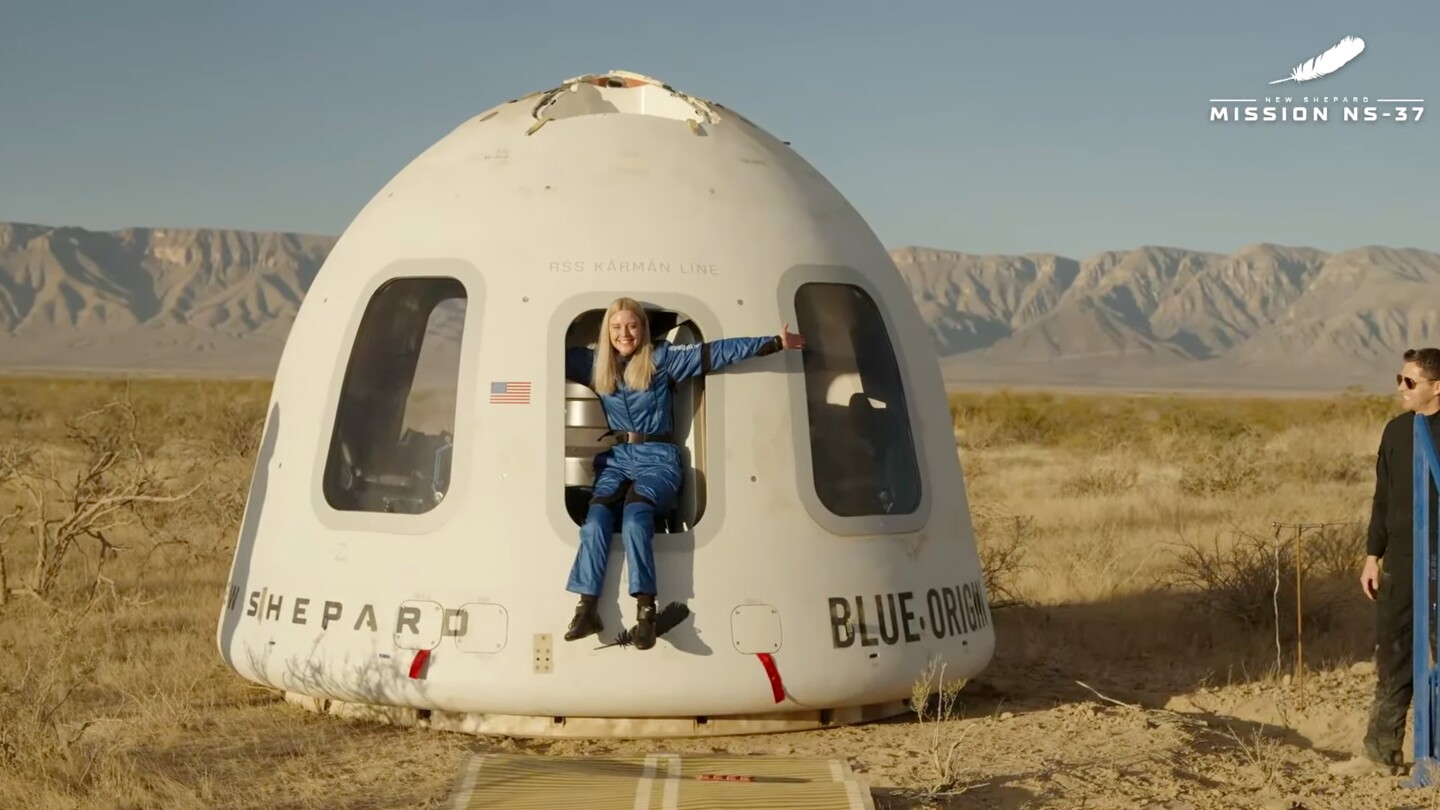
Michaela Benthaus, a German aerospace engineer and wheelchair user, became the first person with a spinal cord injury to travel past the Kármán Line aboard a Blue Origin New Shepard capsule, marking a historic milestone in making space accessible for people with disabilities.
Michaela Benthaus, a paraplegic engineer from Germany, became the first wheelchair user in space during a Blue Origin flight, highlighting advancements in accessible space travel and inspiring future inclusivity in space exploration.
Michaela Benthaus, a German aerospace engineer and wheelchair user, became the first person with a disability to travel past the Kármán Line aboard a Blue Origin New Shepard capsule, experiencing microgravity and inspiring others with her journey.
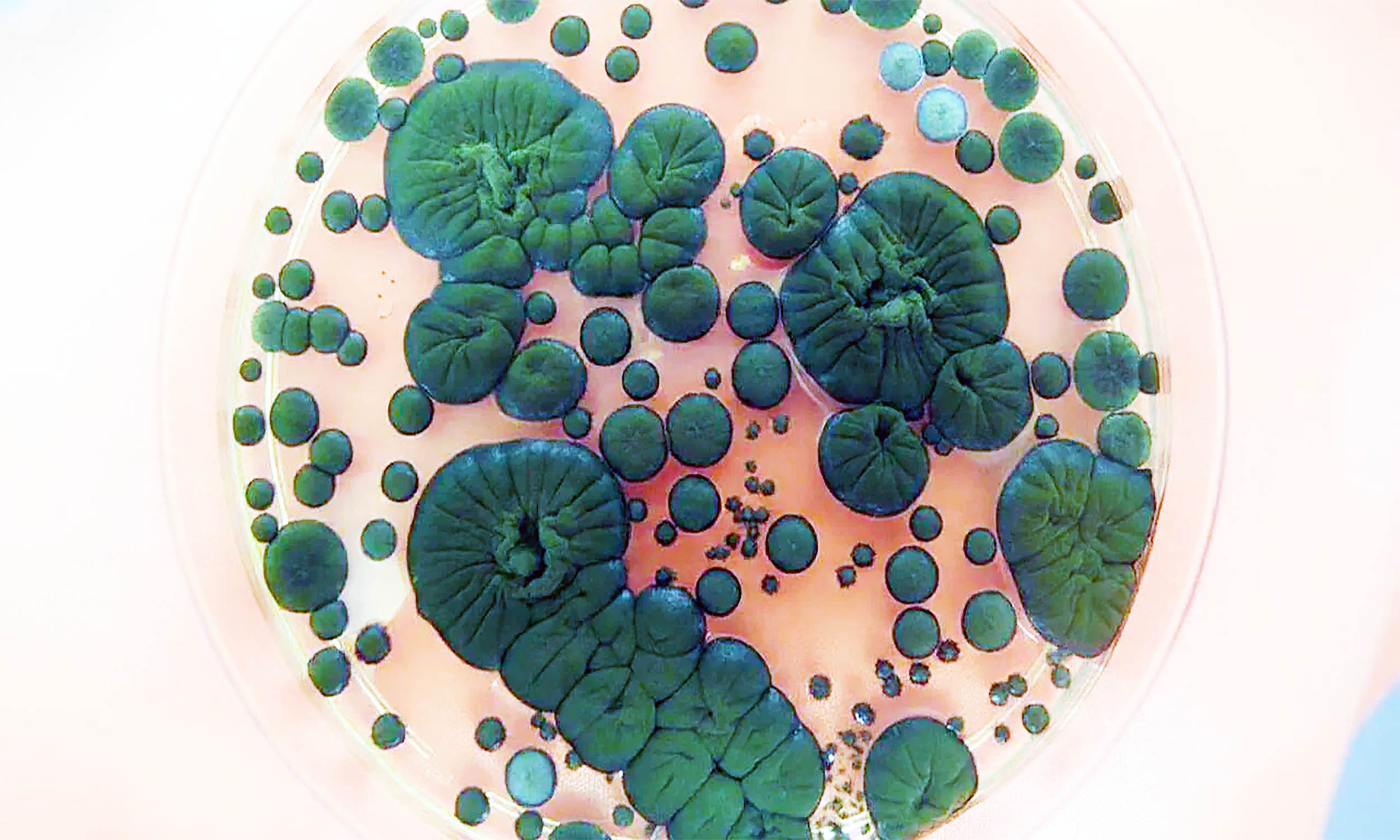
Scientists studying fungi at Chernobyl found that a black fungus, Cladosporium sphaerospermum, evolved to tolerate and grow toward radiation, leading to experiments on the ISS suggesting it could be used as a living radiation shield for space travel, thanks to its melanin content and water-rich biomass. The study indicates potential for biological radiation protection in future space missions, though further research is needed.
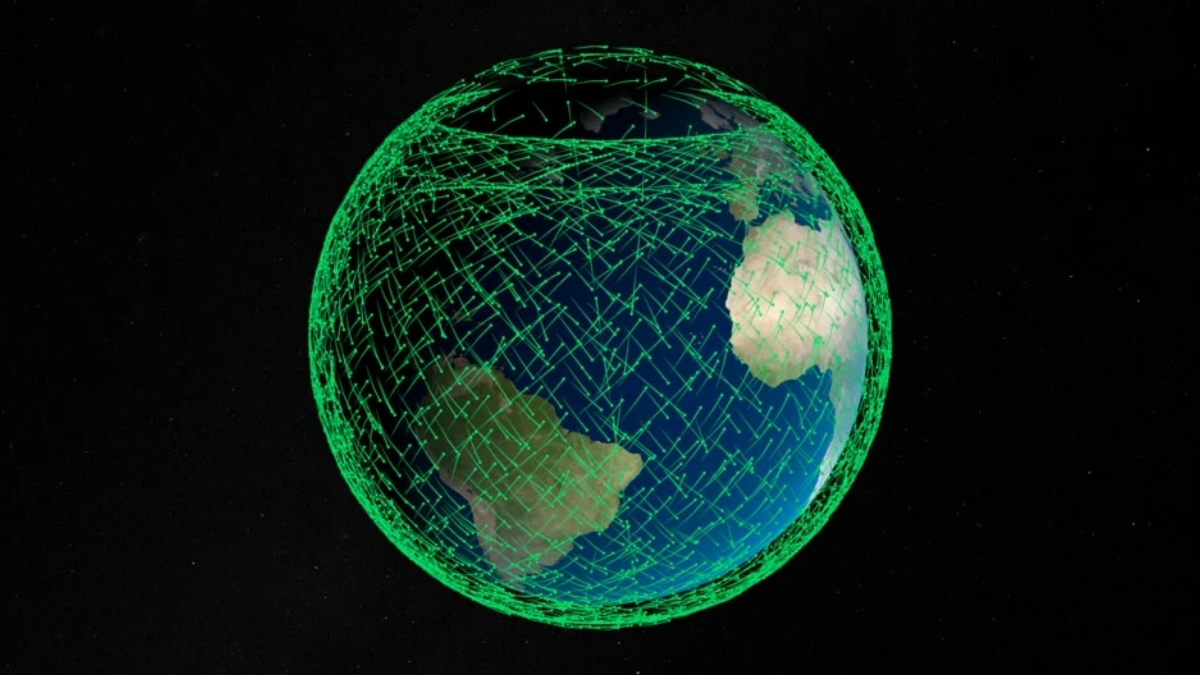
A new study warns that a single solar storm could disable satellite control systems, leading to catastrophic collisions in space and potentially triggering Kessler syndrome, which could make space inaccessible for humans for decades. The increasing density of satellite mega-constellations like Starlink amplifies this risk, especially since solar storms can damage satellites' navigational systems and increase atmospheric drag, making real-time control crucial to prevent disaster.
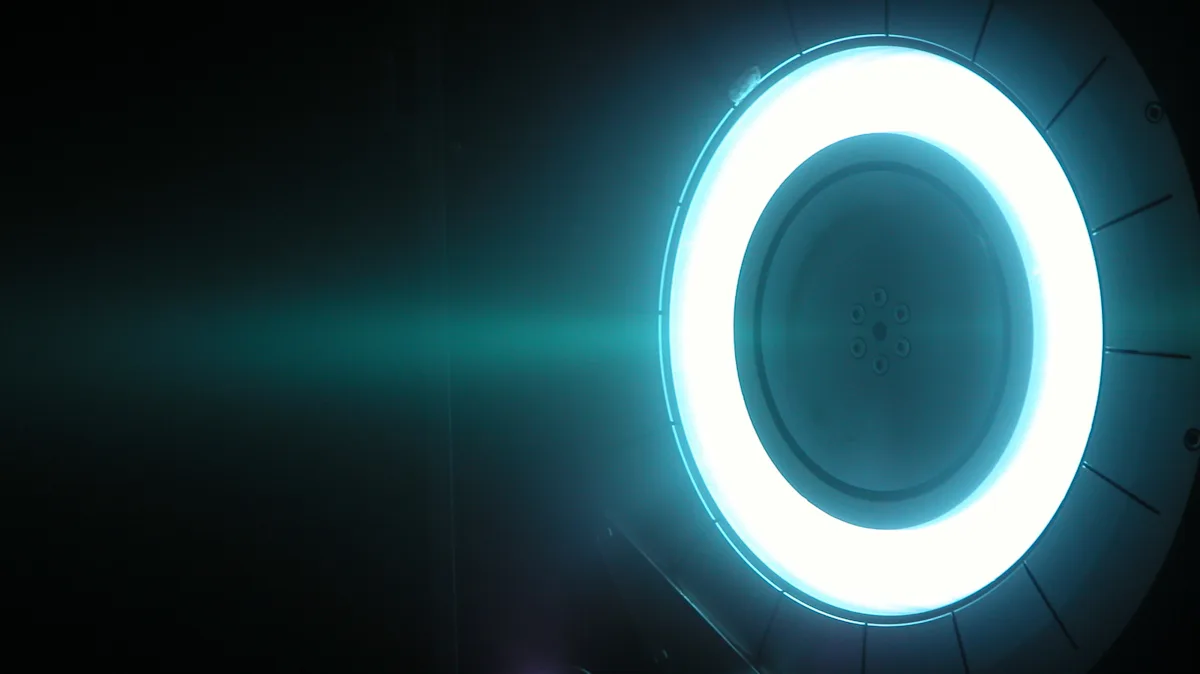
Russian scientists have developed a plasma-based propulsion system that could potentially reduce the Earth–Mars travel time from about 9 months to just 30-60 days by using high-velocity ionized particles for efficient, sustained space travel, marking a significant advancement in interplanetary propulsion technology.
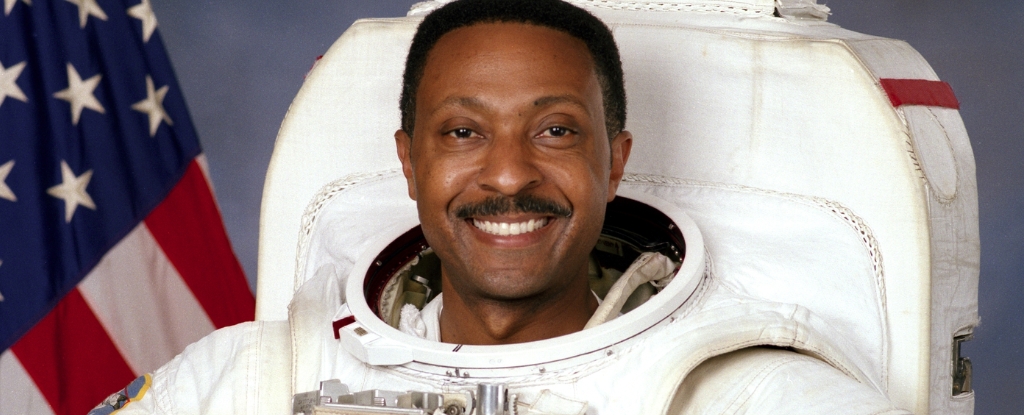
Winston Elliott Scott, a retired NASA astronaut who flew in space in the 1990s, shares his experiences and insights on the effects of space travel on the human body and mind at age 75, highlighting NASA's efforts to manage astronaut health and the enduring impact of space missions.
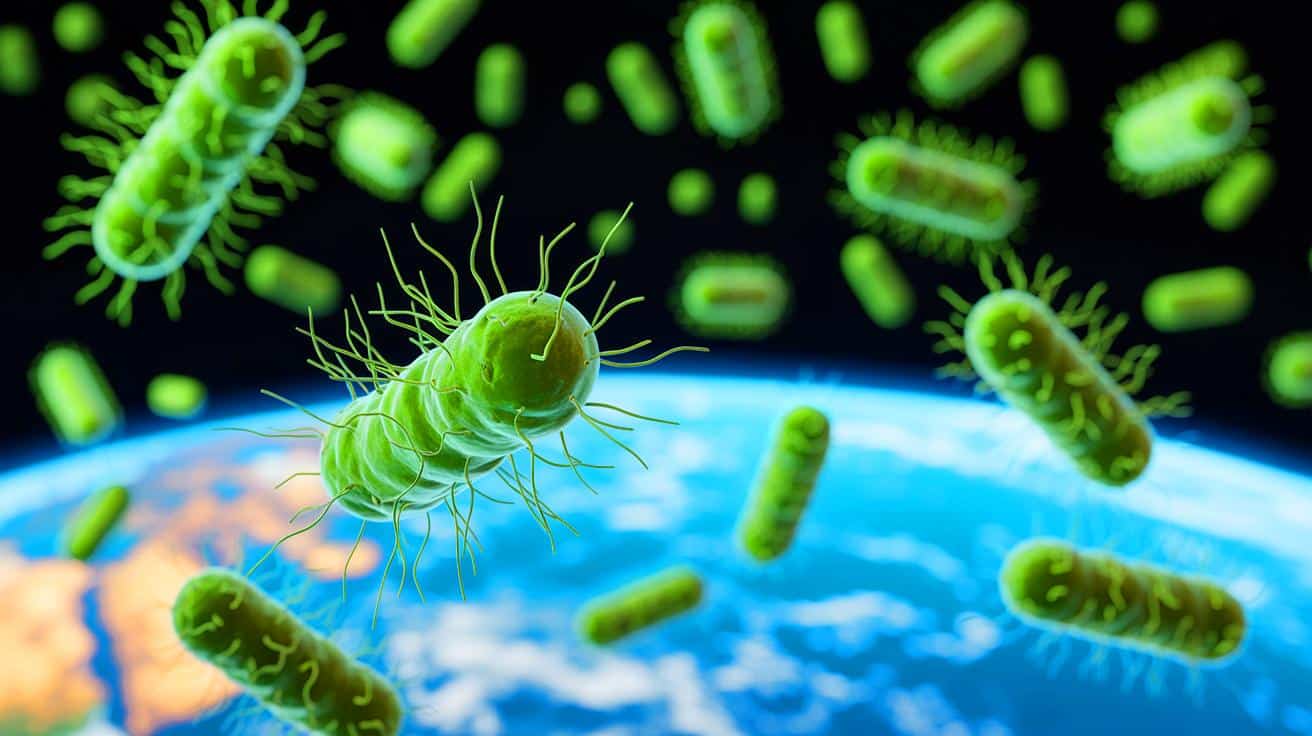
Scientists at RMIT University found that Bacillus subtilis spores can survive the extreme conditions of space travel, including high acceleration, microgravity, and re-entry forces, which is promising for maintaining astronaut health on long-term missions to Mars and could lead to biotech innovations on Earth.
Researchers at Ohio State University have developed a centrifugal nuclear thermal rocket system using liquid uranium, which could reduce travel time to Mars from three years to just one, potentially revolutionizing space exploration, despite technical challenges and the need for further development.
A recent study found that stem cells age ten times faster in space than on Earth due to the stress of microgravity, which could impact long-term space missions and provide insights into aging processes on Earth.
A recent study found that space travel accelerates the aging of stem cells by up to ten times compared to on Earth, which could have implications for long-duration space missions and understanding aging processes on Earth.
Bethesda has teased an upcoming update for Starfield that will enhance space travel, including a new cruise mode, following community data mining and a developer spotlight hinting at new content and features, with more details expected soon.