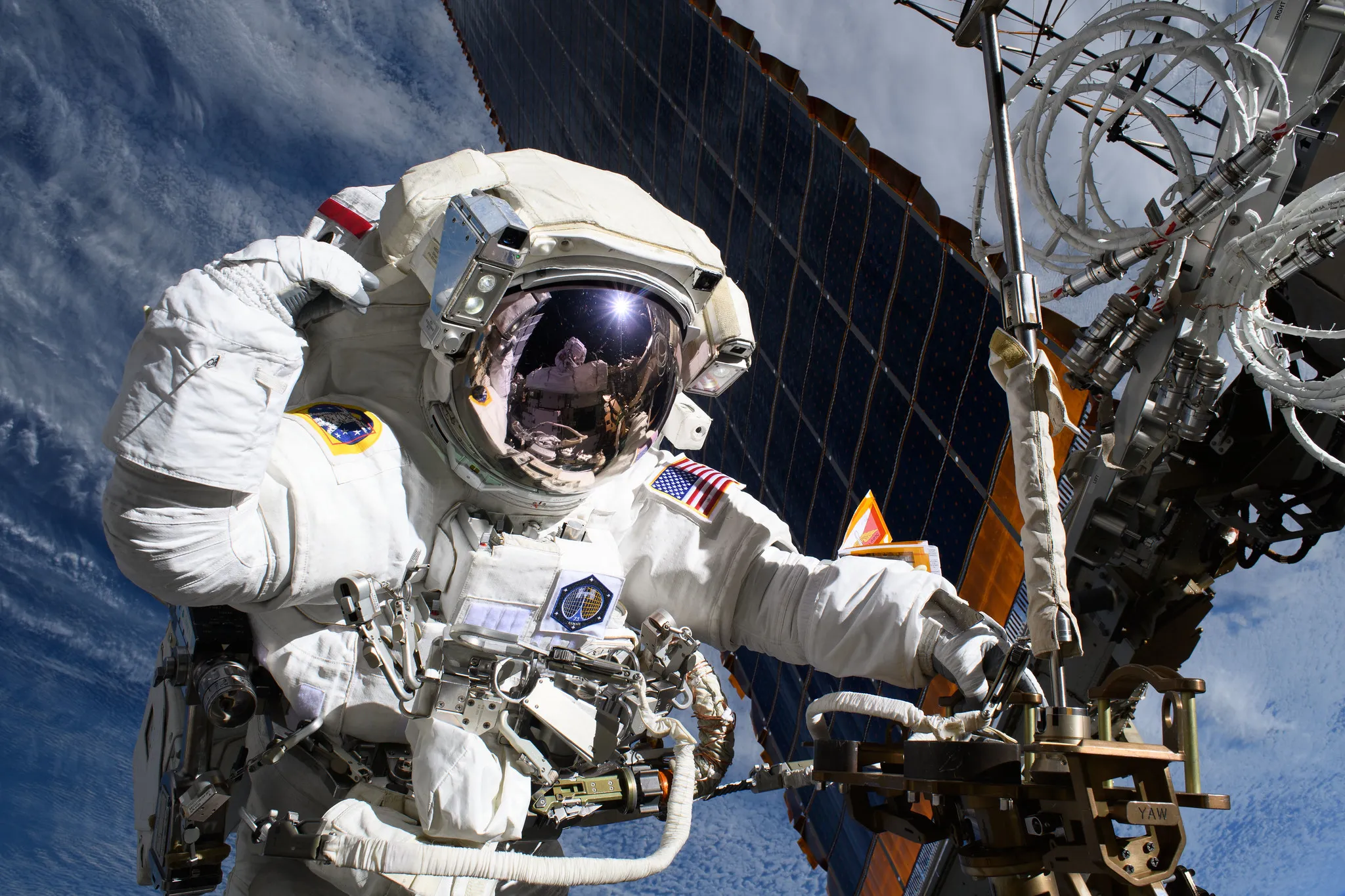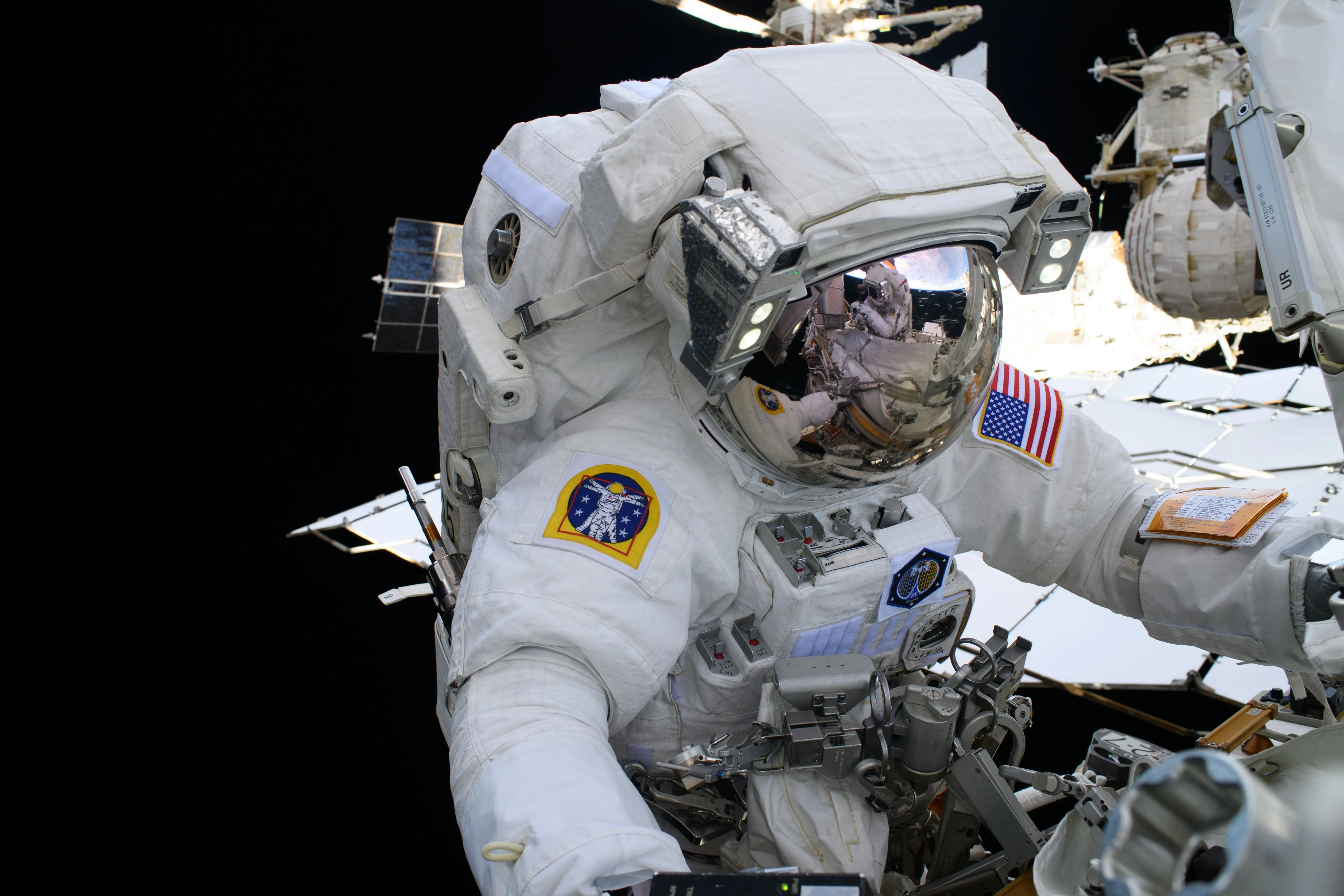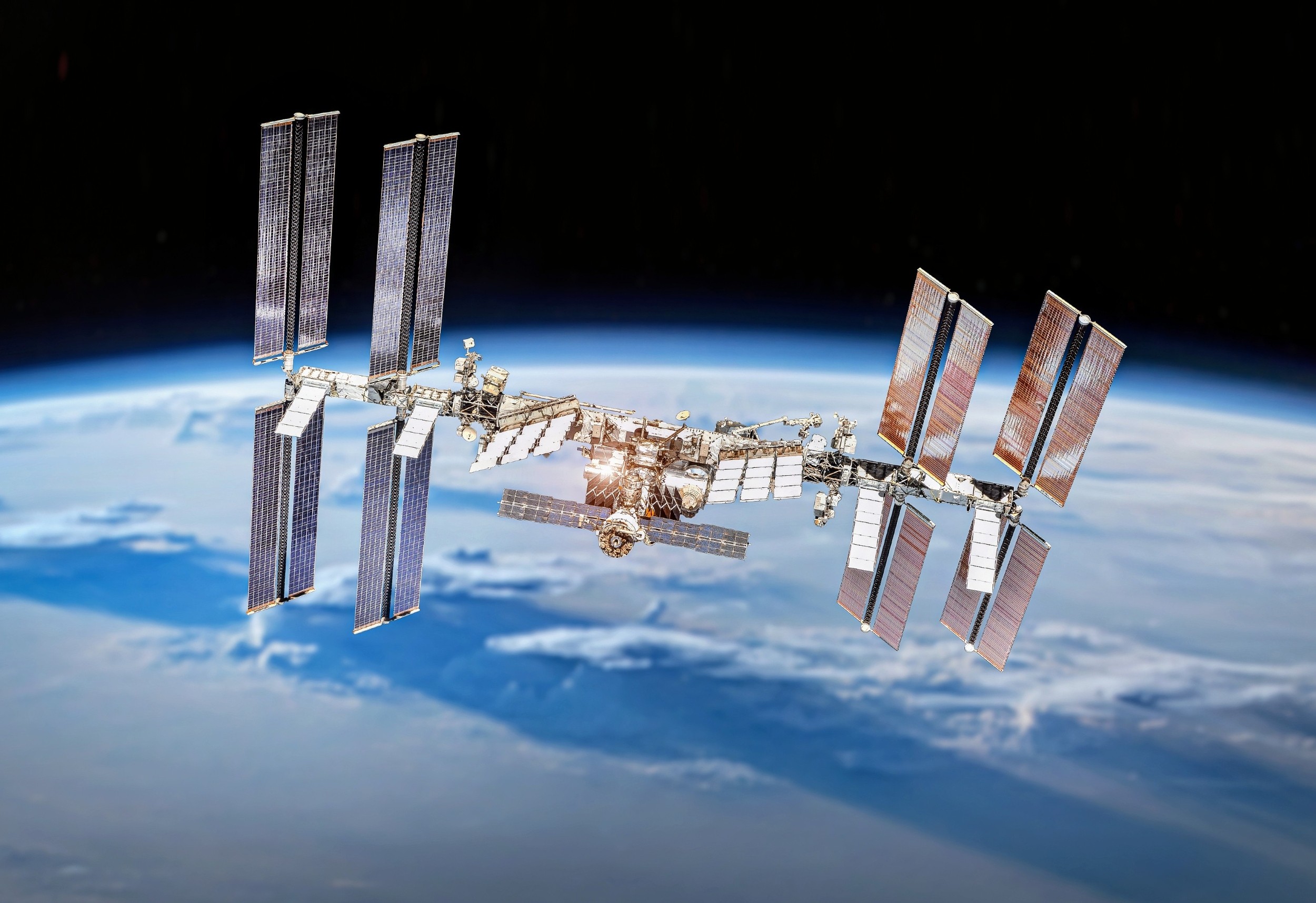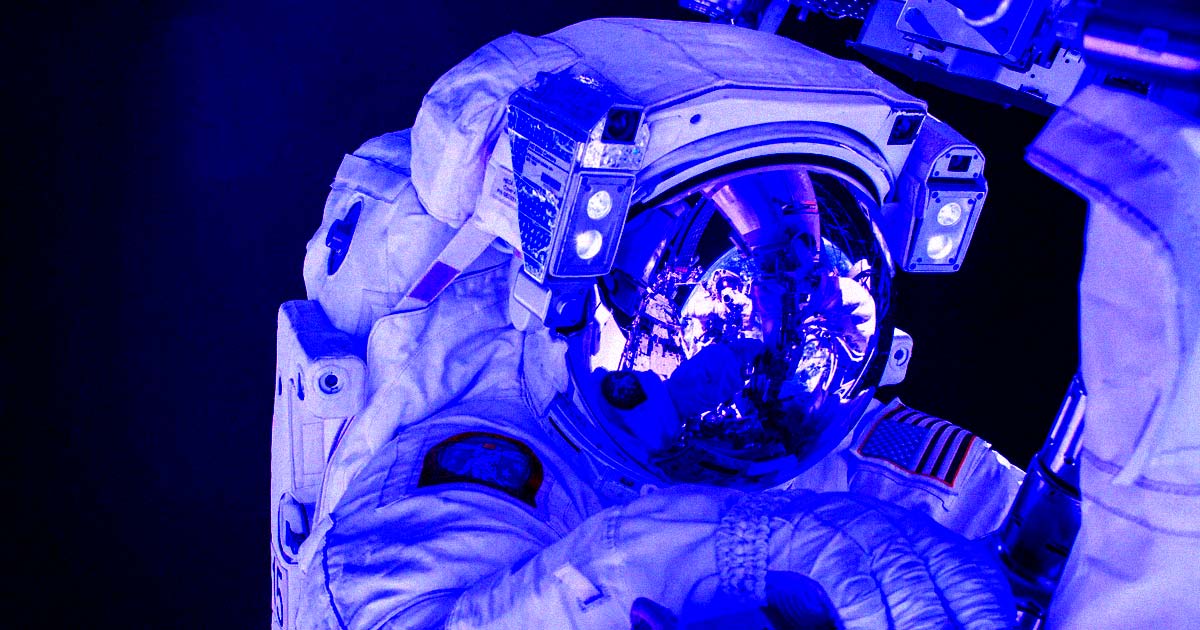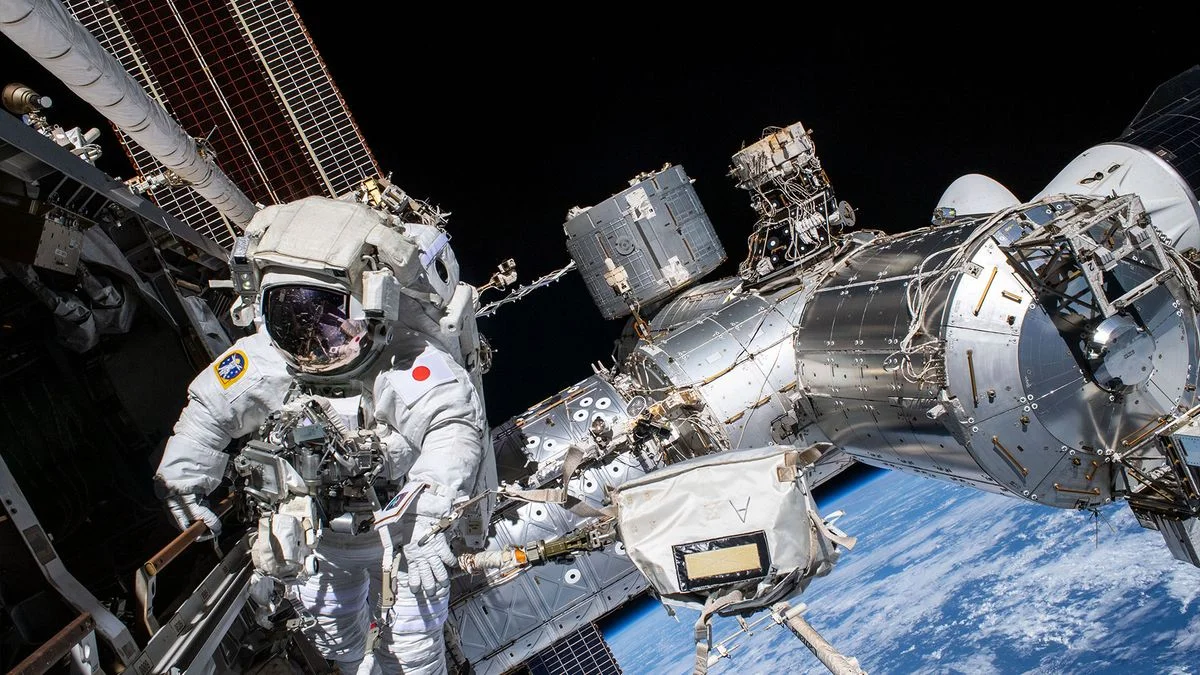
NASA will conduct two spacewalks outside the International Space Station on Jan. 8 and Jan. 15, with live coverage available on NASA+, Amazon Prime, and YouTube. The first spacewalk involves preparing the station for new solar arrays, while the second will focus on replacing a camera, installing a navigational aid, and relocating a fluid system jumper. These are the first spacewalks of 2026 and support station maintenance and upgrades.
NASA will conduct two spacewalks outside the International Space Station in January to install solar arrays and perform maintenance tasks, with a preview briefing scheduled for January 6 and the spacewalks occurring on January 8 and 15, supporting station upgrades and research.
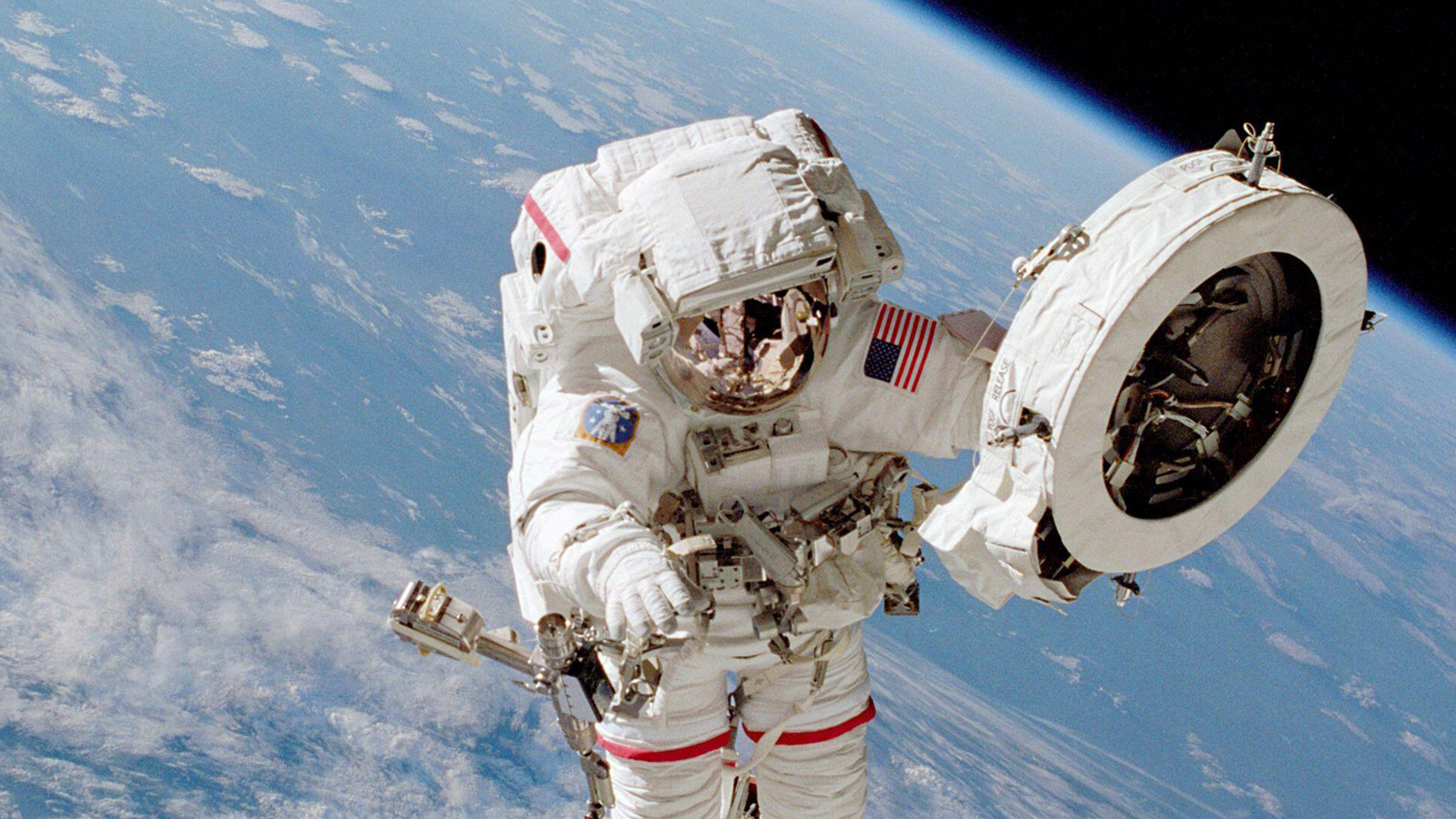
Entering space unprotected is extremely dangerous due to the vacuum causing fluids in the body to boil, extreme temperature fluctuations, and exposure to cosmic radiation, which is why astronauts wear specialized suits that provide pressure, temperature regulation, breathable air, and radiation shielding.
A study analyzing nearly two decades of medical logs from 71 ISS astronauts reveals that 85% experience sinus and nasal problems in space, mainly due to microgravity-induced fluid shifts, with spacewalks exacerbating these issues. Common remedies include decongestants, but their effectiveness in space remains uncertain, highlighting the need for better management strategies for astronaut health during long missions and future space travel.
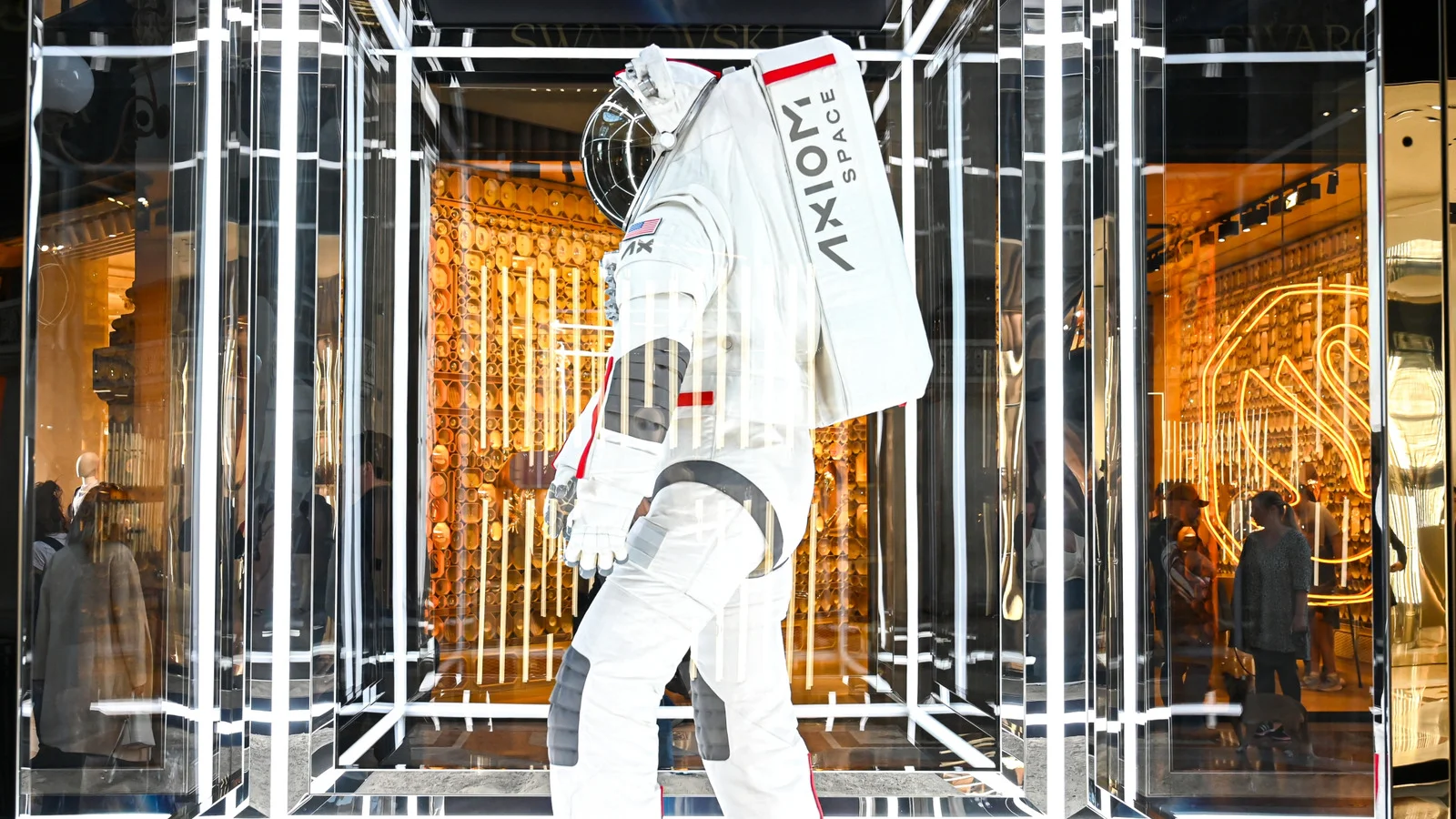
NASA's aging spacesuits, dating back to the 1980s, are increasingly problematic, with recent incidents forcing the cancellation of spacewalks due to safety concerns. The agency is under pressure to update its extravehicular mobility units, having contracted private companies to develop new suits. However, progress is hindered by financial issues at Axiom Space, the remaining contractor after Collins Aerospace withdrew. The situation underscores broader concerns about the aging International Space Station's infrastructure.
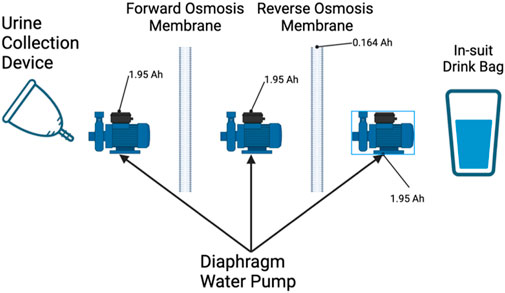
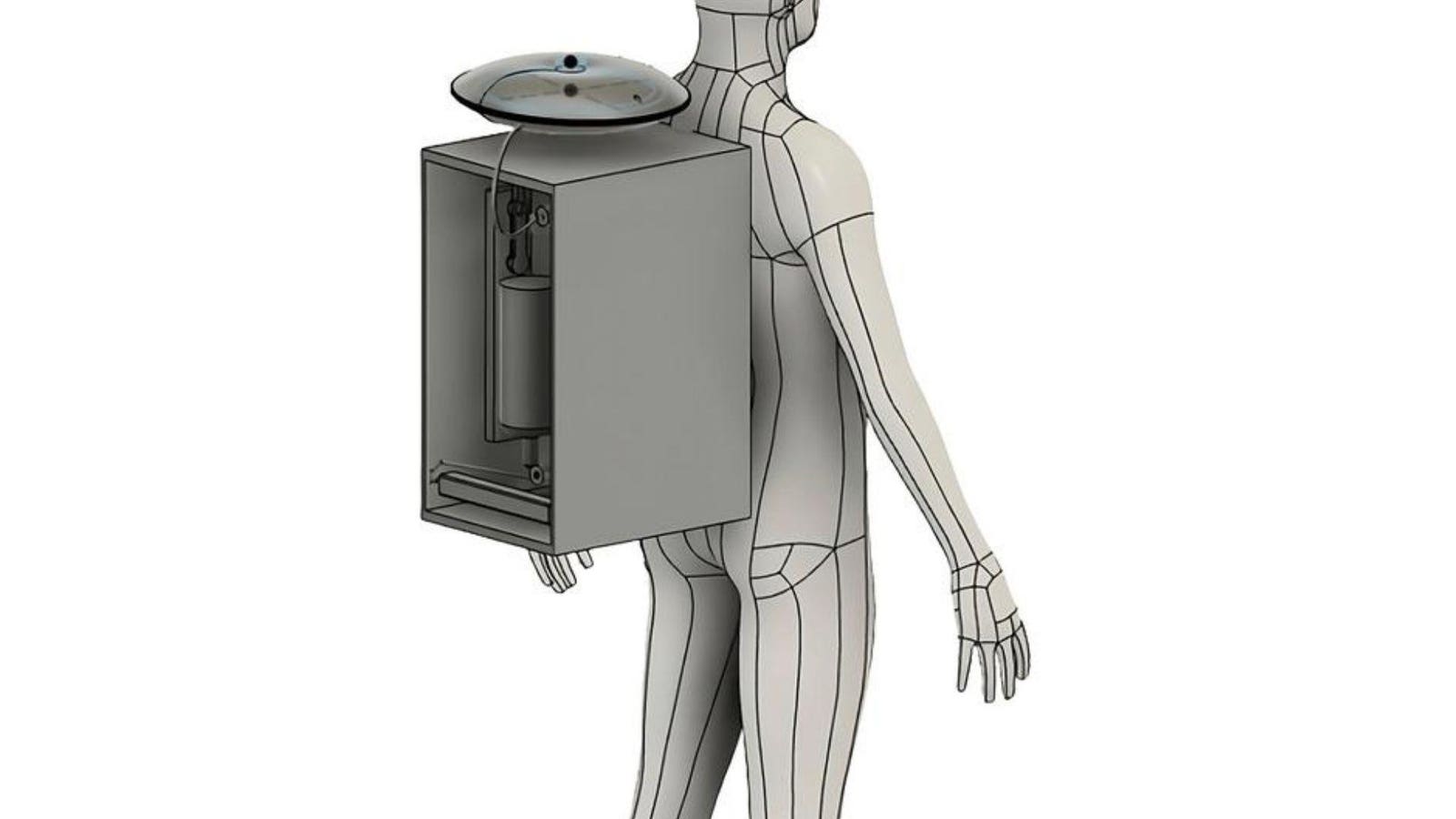
Researchers propose a new in-suit water recovery system for EVA suits that filters urine into potable water using a dual forward osmosis-reverse osmosis system, potentially improving astronaut hydration and comfort during long spacewalks.
Researchers from Cornell University have developed a new "stillsuit" inspired by the Dune movies, designed to recycle urine into drinkable water for astronauts during spacewalks. This innovation aims to replace the current use of diapers, known as maximum absorbency garments (MAGs), which do not recycle waste and have caused health issues. The new suit features a urine collection and filtration system that is 86% efficient, providing a more hygienic and sustainable solution for long-duration space missions, including NASA's upcoming Artemis missions to the moon.
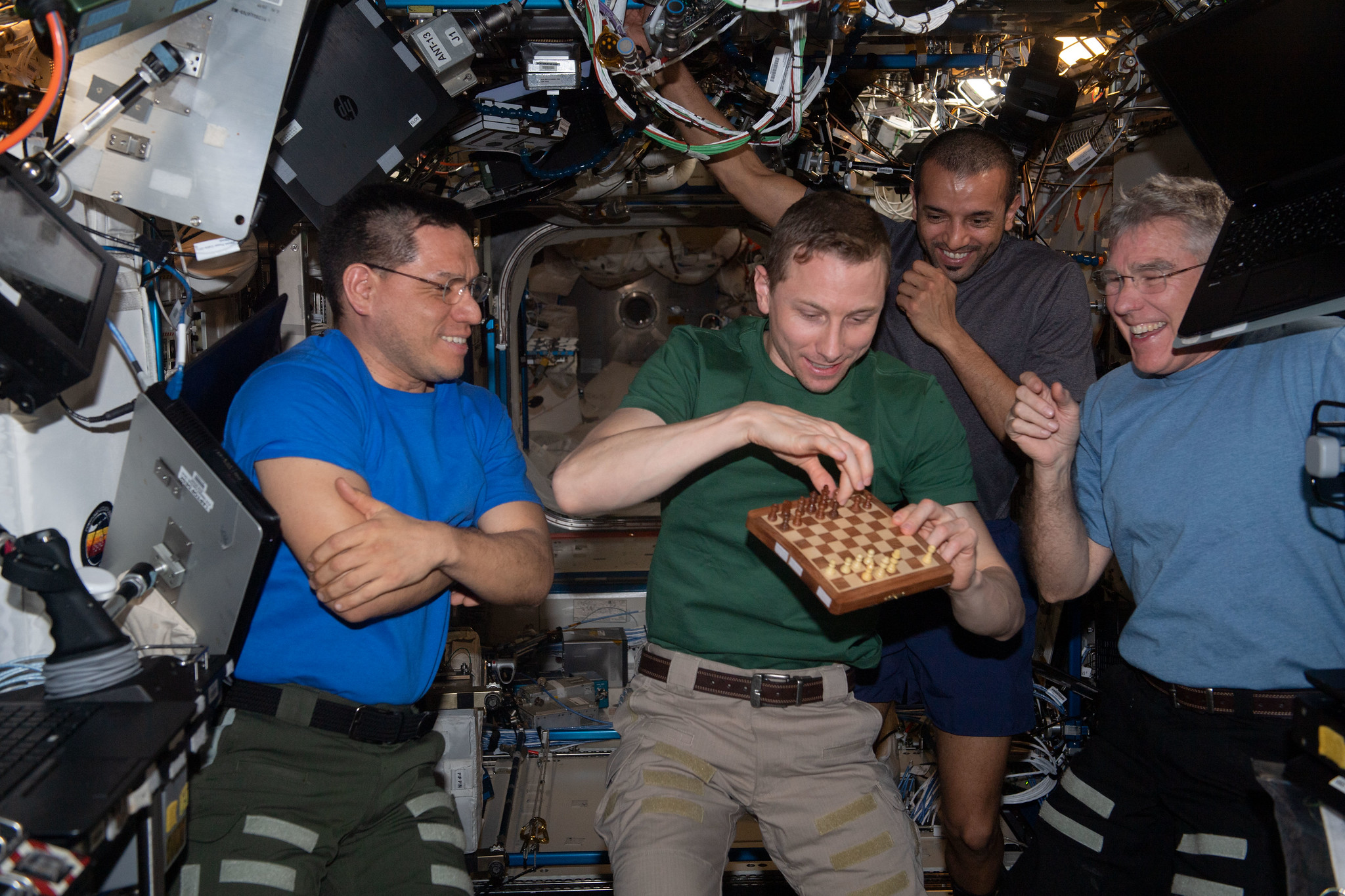
The Expedition 69 crew, including NASA astronauts Stephen Bowen, Woody Hoburg, and Frank Rubio, along with UAE astronaut Sultan Alneyadi, will share highlights from their mission at a public event in Houston. They spent 186 days in orbit, completed numerous spacewalks, and contributed to various experiments and technology demonstrations. The crew will also be recognized at an awards ceremony, and reporters can request interviews before the event. Additionally, the crew released Saskatchewan’s first satellite and contributed to research aimed at preparing for exploration beyond low Earth orbit.
Astronauts face various medical issues in space, including the painful condition of onycholysis, where fingernails can separate from their bed during spacewalks. Other disturbing changes to the human body in space include squished eyeballs due to increased pressure, space anemia resulting in the destruction of red blood cells, a shrinking heart due to the absence of gravity, and an increased risk of kidney stones due to bone demineralization.
Astronauts aboard the International Space Station (ISS) face unexpected challenges and must be adaptable and flexible to overcome them. Recent challenges include rescheduling spacewalks due to a coolant leak and fixing a coolant leak during a spacewalk. The ISS has faced various unanticipated challenges since its inception, such as losing contact with NASA's Mission Control and unexpected engine thrust. Astronauts must be versatile and skilled in multiple areas to handle these challenges. The recent coolant leak delayed an all-woman spacewalk mission, and a record-breaking astronaut's return was delayed due to space debris. Adaptability is a crucial part of astronaut training, and they work closely with Mission Control to overcome challenges. Being able to adjust on the job is essential as they never know what situations may arise during their six-month missions.
Expedition 70 is underway on the International Space Station (ISS) after two crew handovers and technical issues, including a coolant leak on the Russian segment. NASA astronaut Frank Rubio set a new U.S. space endurance record of 371 days, becoming the first American to spend over one calendar year continuously in space. The crew is preparing for Russian EVA-61 and US EVA-89 later this month. The coolant leak on the Nauka science module has been identified and is not impacting operations. The upcoming spacewalks will involve installing a new camera and replacing a trundle bearing assembly on the solar array rotary joint.
NASA has announced that two upcoming spacewalks outside the International Space Station will be conducted by NASA astronauts Loral O'Hara, ESA astronaut Andreas Mogensen, and NASA astronaut Jasmin Moghbeli. The spacewalks, scheduled for October 12 and October 20, will involve science research and station maintenance. A news conference previewing the spacewalks will be held on October 6, and live coverage will be available on NASA Television, the NASA app, and the agency's website.
This gallery showcases 15 stunning images of astronauts during spacewalks, featuring moments such as repairing the Hubble Space Telescope, building the International Space Station (ISS), and conducting various tasks in space. The images capture the breathtaking backdrop of Earth and highlight the adventurous spirit of astronauts as they explore and conduct research in outer space.
China's Shenzhou 15 astronauts, Fei Junlong, Deng Qingming, and Zhang Lu, are set to return to Earth after spending half a year aboard the Tiangong space station. The crew will return home on Sunday (June 4) Beijing time. The Shenzhou 15 trio welcomed the incoming Shenzhou 16 crew to Tiangong on Monday (May 29), and on Friday (June 2) all six astronauts participated in a ceremony to hand over control of the space station to the newcomers. The return capsule will touch down within the Dongfeng landing site in north China's Inner Mongolia Autonomous Region, close to the Jiuquan Satellite Launch Center, from which the crew launched six months ago.
Two upgraded roll-out solar arrays will be launched to the International Space Station (ISS) on SpaceX's 28th resupply mission. The new ISS Roll-Out Solar Arrays (iROSA) will be installed by astronauts Steve Bowen and Woody Hoburg during two spacewalks later this month. The iROSA units are part of a mid-life upgrade of the ISS's power supply, with the new arrays set to partially cover the older solar panels. The ISS's power system will be capable of generating 215 kilowatts of electricity with the installation of the new arrays.