Tag

Deep Space Exploration

All articles tagged with #deep space exploration

USPS Reveals 2026 Stamp Collection and First-Day Ceremony Details

Originally Published 1 month ago — by collectSPACE.com

Featured image for USPS Reveals 2026 Stamp Collection and First-Day Ceremony Details
Source: collectSPACE.com

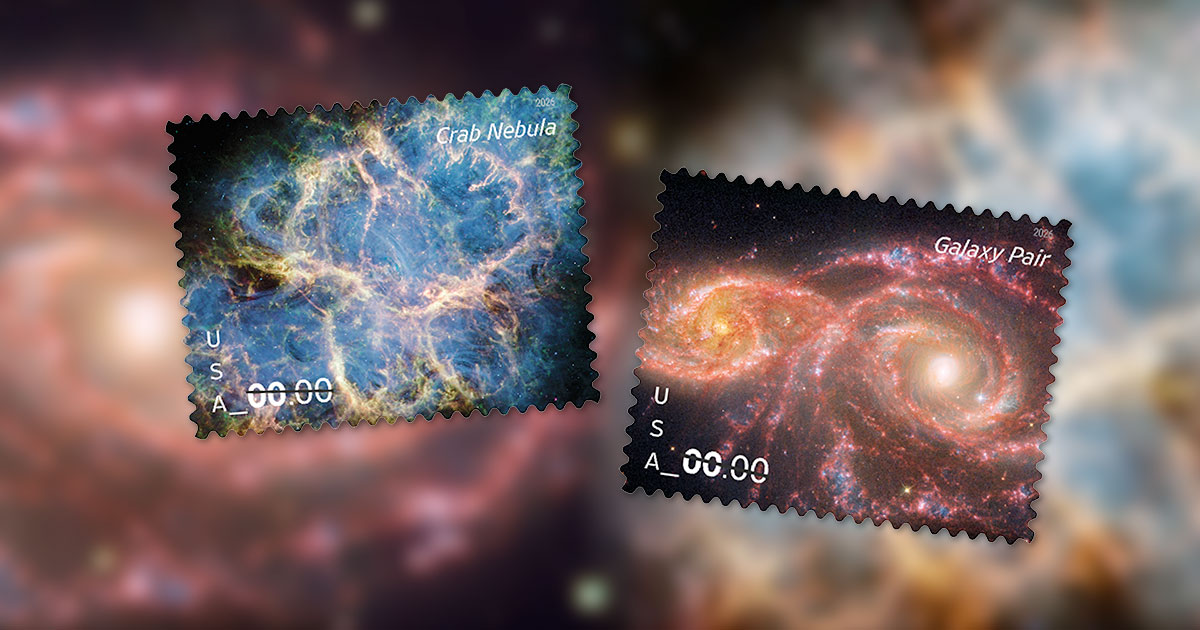
The US Postal Service will issue new Priority Mail stamps in 2026 featuring images of the universe captured by NASA's James Webb Space Telescope, including the Crab Nebula and a galaxy pair, celebrating America's ongoing exploration of deep space. The stamps are part of a series that has been highlighting space imagery since 2023, with the new designs reflecting Webb's advanced imaging capabilities. The release is pending regulatory approval, and prices are expected to increase slightly.

Tianwen-2 Probe Captures Stunning Deep Space Images of Earth and Moon

Originally Published 6 months ago — by Times of India

Featured image for Tianwen-2 Probe Captures Stunning Deep Space Images of Earth and Moon
Source: Times of India

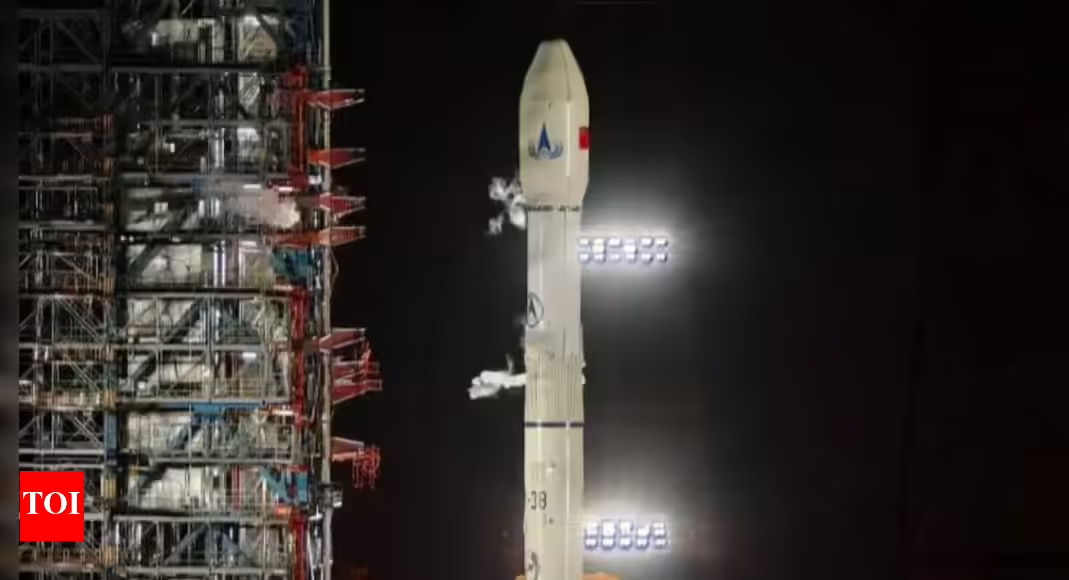
China's Tianwen-2 probe has begun its decade-long mission, capturing images of Earth and the Moon from 590,000 km away, and is heading to explore a near-Earth asteroid believed to be a lunar fragment, followed by a study of comet 311P/PANSTARRS to uncover secrets about the origin of water and life on Earth.

"Voyager 1's Surprising Communication Breakthrough with Earth"

Originally Published 1 year ago — by CNN

Featured image for "Voyager 1's Surprising Communication Breakthrough with Earth"
Source: CNN

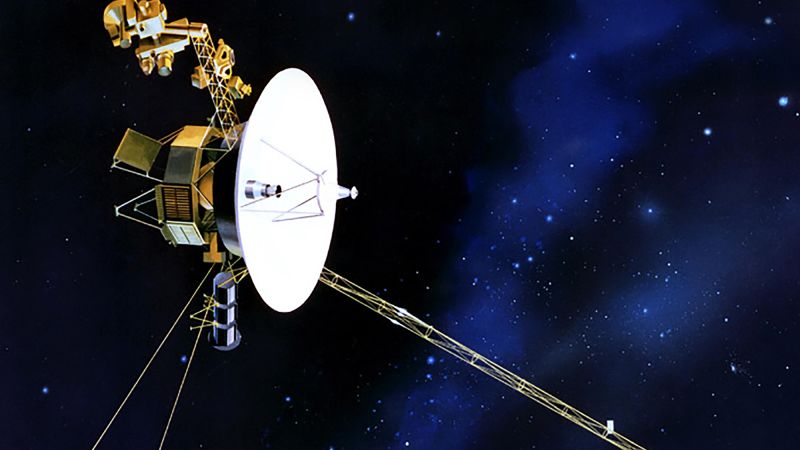
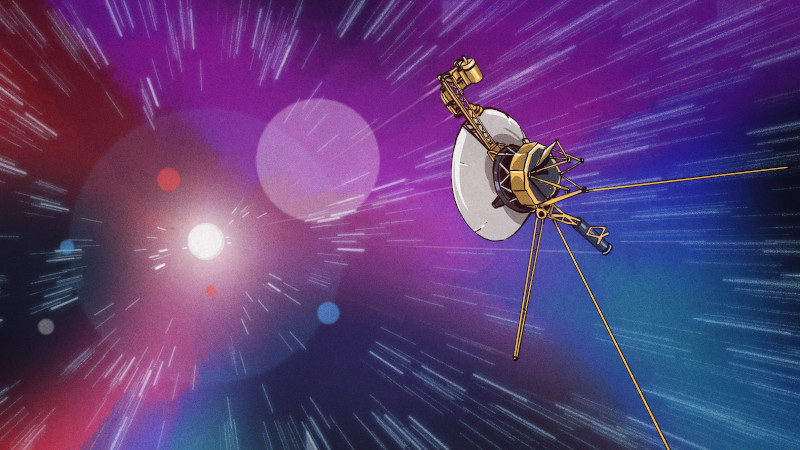
NASA engineers sent a "poke" to the Voyager 1 probe and received a promising response after a five-month communication issue. The decoded signal from the spacecraft's flight data system is being analyzed to potentially find the source of the ongoing problem, but devising a solution will take time due to the spacecraft's distance from Earth. Voyager 1 and its twin, Voyager 2, are the farthest and longest-operating spacecraft in history, providing valuable insights about our solar system and beyond despite encountering unexpected issues as they age.

"UAE's Role in NASA's Lunar Gateway Space Station"

Originally Published 2 years ago — by Yahoo! Voices

Featured image for "UAE's Role in NASA's Lunar Gateway Space Station"
Source: Yahoo! Voices

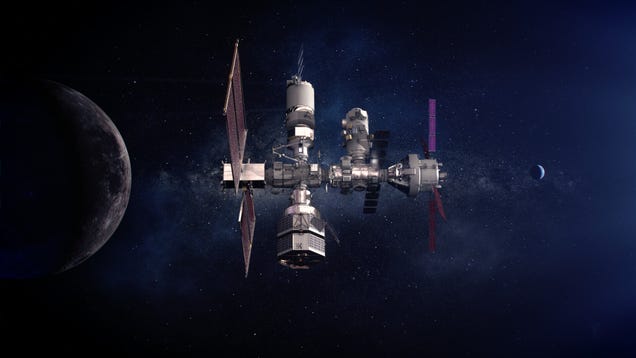
NASA plans to build Lunar Gateway, a small space station in lunar orbit, to support missions around the Moon and enable future deep space exploration, including crewed missions to Mars. The station will be located in a near-rectilinear halo orbit, providing continuous communication with Earth. It will be built in phases, with the first elements to be launched by 2025. The station will support astronauts for 90-day stays and conduct various scientific research. However, crews will face increased radiation exposure compared to low Earth orbit, and the station's capabilities are expected to expand over time to support long-term human presence on the Moon and beyond.

NASA Beams Adorable Cat Video from Deep Space to Earth

Originally Published 2 years ago — by Space.com

Featured image for NASA Beams Adorable Cat Video from Deep Space to Earth
Source: Space.com

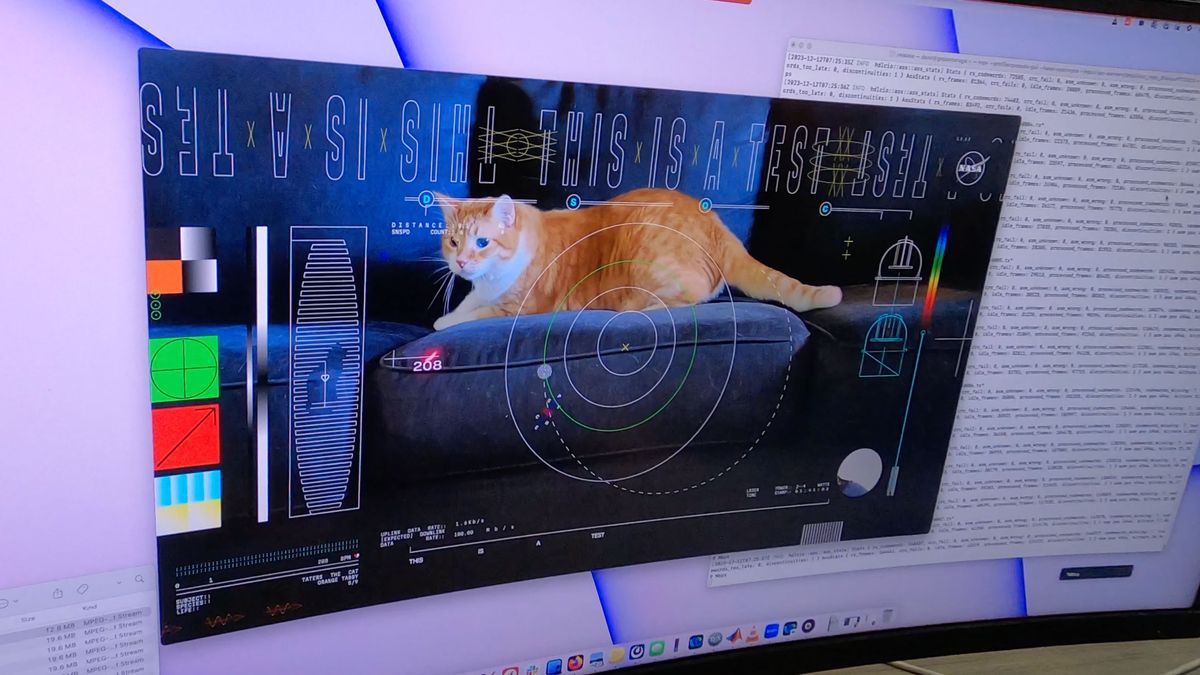
NASA and its Jet Propulsion Laboratory (JPL) have successfully beamed an ultra-high definition streaming video of a cat named Taters chasing a laser pointer from 19 million miles away using the Deep Space Optical Communications (DSOC) experiment. The video was transmitted via a new JPL-developed instrument called a flight laser transceiver, which sent the signal in near-infrared laser light to the Hale Telescope at the California Institute of Technology's Palomar Observatory. This experiment not only showcases groundbreaking technology but also lays the groundwork for future deep space exploration and communication during interplanetary missions.

Revolutionary Space Mission: Nuclear Reactor Launches After 50-Year Hiatus

Originally Published 2 years ago — by Giant Freakin Robot

Featured image for Revolutionary Space Mission: Nuclear Reactor Launches After 50-Year Hiatus
Source: Giant Freakin Robot

The US military, along with Lockheed Martin and other partners, is developing a spacecraft powered by a nuclear reactor in the Joint Emergent Technology Supplying On-Orbit Nuclear (JETSON) project. Inspired by NASA's KRUSTY project, the goal is to use nuclear fission to power Stirling engines, providing four times more power than conventional solar arrays. Safety measures include activating the fission engine only after leaving Earth's reach. Lockheed Martin is also developing a nuclear thermal propulsion engine for cislunar operations. Nuclear reactors are seen as a critical solution for future space missions, providing self-contained power for deep space exploration.

Revolutionary Space Mission: Nuclear Reactor Launches After 50 Years

Originally Published 2 years ago — by Giant Freakin Robot

Featured image for Revolutionary Space Mission: Nuclear Reactor Launches After 50 Years
Source: Giant Freakin Robot

The US military, along with Lockheed Martin and other partners, is developing a spacecraft powered by a nuclear reactor for the first time in 58 years. Inspired by NASA's KRUSTY project, the goal is to use nuclear fission to power Stirling engines, providing four times more power than conventional solar arrays. Safety measures include activating the fission engine only when the spacecraft is far from Earth. Lockheed Martin is also developing a nuclear thermal propulsion engine for cislunar operations. Nuclear reactors are seen as a critical solution for future space missions, providing self-contained power for deep space exploration.

China's Successful Space Farming: Growing Lettuce, Tomatoes, and Onions Aboard Tiangong Space Station

Originally Published 2 years ago — by Livescience.com

Featured image for China's Successful Space Farming: Growing Lettuce, Tomatoes, and Onions Aboard Tiangong Space Station
Source: Livescience.com

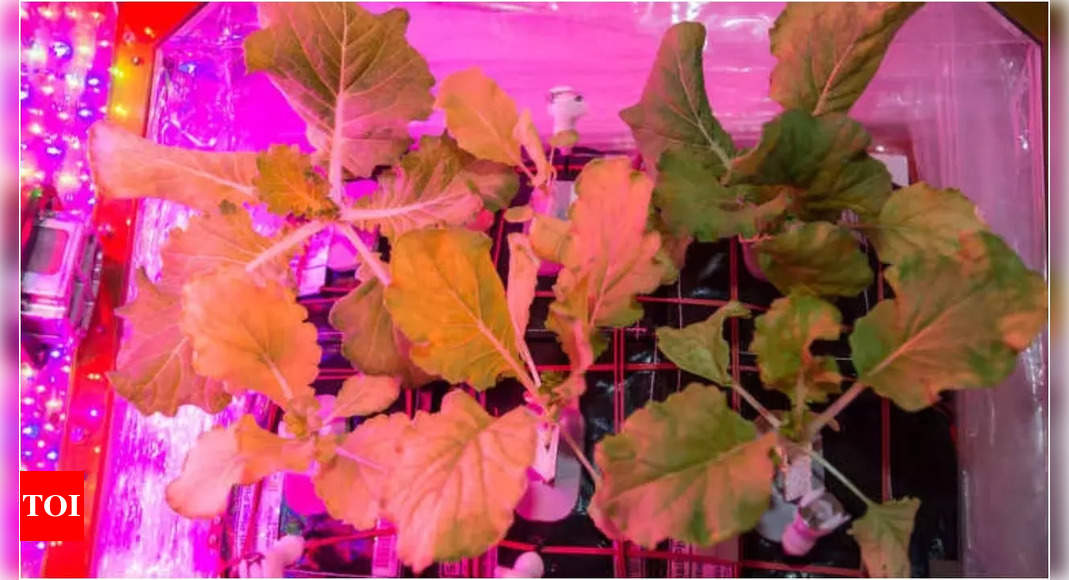
Chinese astronauts aboard the Tiangong space station have successfully grown vegetables, including lettuce, cherry tomatoes, and green onions, using specialized equipment. The cultivation apparatus is part of the Environmental Control and Life Support System (ECLSS) and is being used to verify relevant technologies for future deep space exploration, including crewed lunar and Mars missions. China aims to put astronauts on the moon before 2030 and plans to build a moon base in the next decade.

China's Space Farming Success: From Orbital Gardens to Lunar Exploration

Originally Published 2 years ago — by IndiaTimes

Featured image for China's Space Farming Success: From Orbital Gardens to Lunar Exploration
Source: IndiaTimes

Chinese astronauts aboard the Shenzhou 16 mission have successfully harvested fresh vegetables, including lettuce, cherry tomatoes, and green onions, in the Tiangong space station as part of China's ambitious space program. The cultivation apparatus used in space is a key component of the Environmental Control and Life Support System (ECLSS) and has implications for future deep space exploration, including crewed lunar and Mars missions. China aims to put astronauts on the moon before 2030 and plans to build a moon base, while a crewed Mars landing is also on the horizon.

China's New Space Telescope Prepares for Launch as Next Space Station Crew is Announced

Originally Published 2 years ago — by ABC News

Featured image for China's New Space Telescope Prepares for Launch as Next Space Station Crew is Announced
Source: ABC News

China has announced plans to send a new space telescope, called Xuntian, to probe deep into the universe. The telescope will be installed on China's Tiangong space station and will co-orbit with it. The announcement comes as China prepares to launch its next three-member crew for the space station. China aims to become a leader in space exploration and science, and it plans to send a crewed mission to the moon by the end of the decade. The country has made significant advancements in its space program, including bringing back lunar samples and landing a rover on the far side of the moon.

NASA's Voyager Team Upgrades Software and Thrusters to Extend Lifespan

Originally Published 2 years ago — by Hackaday

Featured image for NASA's Voyager Team Upgrades Software and Thrusters to Extend Lifespan
Source: Hackaday

NASA's Jet Propulsion Laboratory (JPL) is updating the firmware of the Voyager 1 and Voyager 2 spacecraft, which were launched in the 1970s and are currently beyond our solar system. The updates aim to address communication issues and prevent clogging of thruster propellant inlet tubes. Voyager 2 is being used as a testbed for the patches before implementing them on Voyager 1. These changes will help ensure that both spacecraft continue to transmit valuable scientific data back to Earth as they approach their 50th anniversary.

Artemis II Recovery Test Triumph: NASA and DoD Achieve Mission Success

Originally Published 2 years ago — by SciTechDaily

Featured image for Artemis II Recovery Test Triumph: NASA and DoD Achieve Mission Success
Source: SciTechDaily

NASA and the Department of Defense have successfully completed the first recovery test for the Artemis II mission, simulating the extraction of astronauts and spacecraft recovery. The test, conducted off the coast of San Diego, is part of preparations for the Artemis II flight, which will mark a significant milestone in human deep-space exploration and future lunar landings. The test involved practicing the extraction of astronauts from the spacecraft after landing in the Pacific Ocean and revising timelines and procedures to ensure their safe delivery to the recovery ship. Lessons learned from this test will be applied to future recovery operations.

China's Ambitious Plans: Moon Astronauts to Launch in New Spacecraft by 2027

Originally Published 2 years ago — by Space.com

Featured image for China's Ambitious Plans: Moon Astronauts to Launch in New Spacecraft by 2027
Source: Space.com

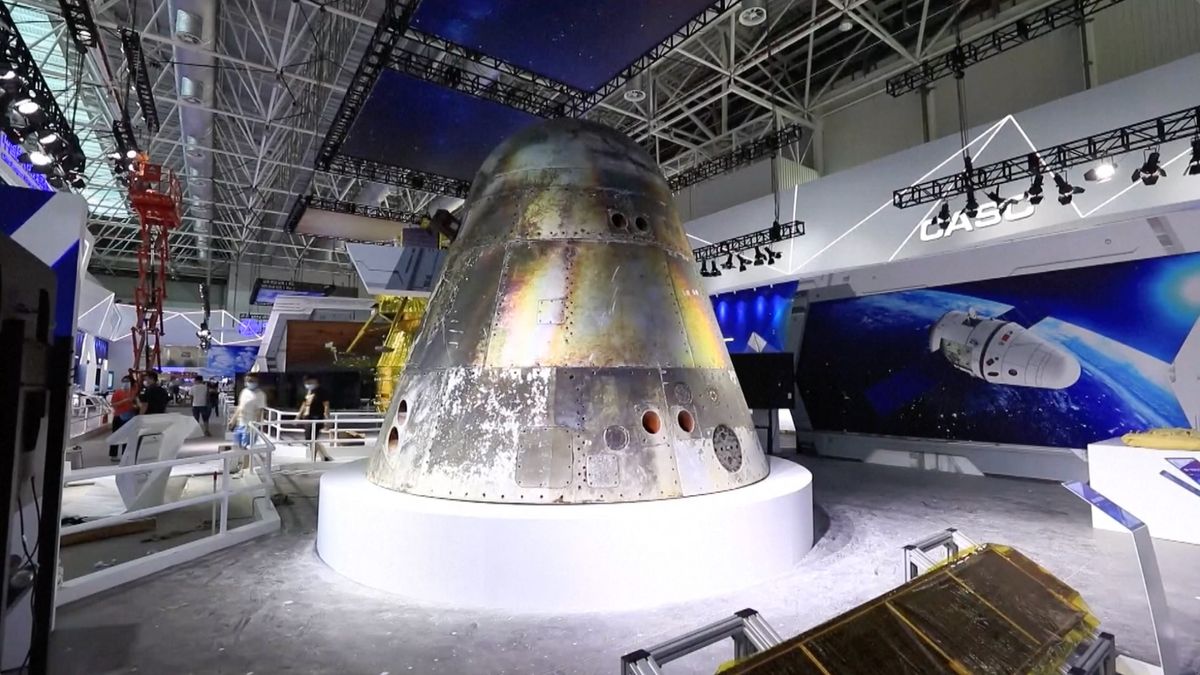
China is planning to launch a next-generation crewed spacecraft between 2027 and 2028, capable of carrying astronauts to the moon and beyond. The spacecraft will be partially reusable and will be launched using the newly developed Long March 10 rocket. The deep-space version will carry three astronauts to lunar transfer orbit, while a low Earth orbit variant will transport four to seven astronauts to China's Tiangong space station. This is part of China's goal to put astronauts on the moon by 2030.

China's Historic Launch: New Moon Spacecraft Set for 2027 or 2028 Debut

Originally Published 2 years ago — by Yahoo! Voices

Featured image for China's Historic Launch: New Moon Spacecraft Set for 2027 or 2028 Debut
Source: Yahoo! Voices

China is planning to launch a next-generation crewed spacecraft between 2027 and 2028, capable of carrying astronauts to the moon and beyond. The spacecraft will be partially reusable and will be launched using the newly developed Long March 10 rocket. The deep-space version can carry three astronauts to lunar transfer orbit, while a low Earth orbit variant can transport four to seven astronauts to China's Tiangong space station. This is part of China's goal to put astronauts on the moon by 2030.