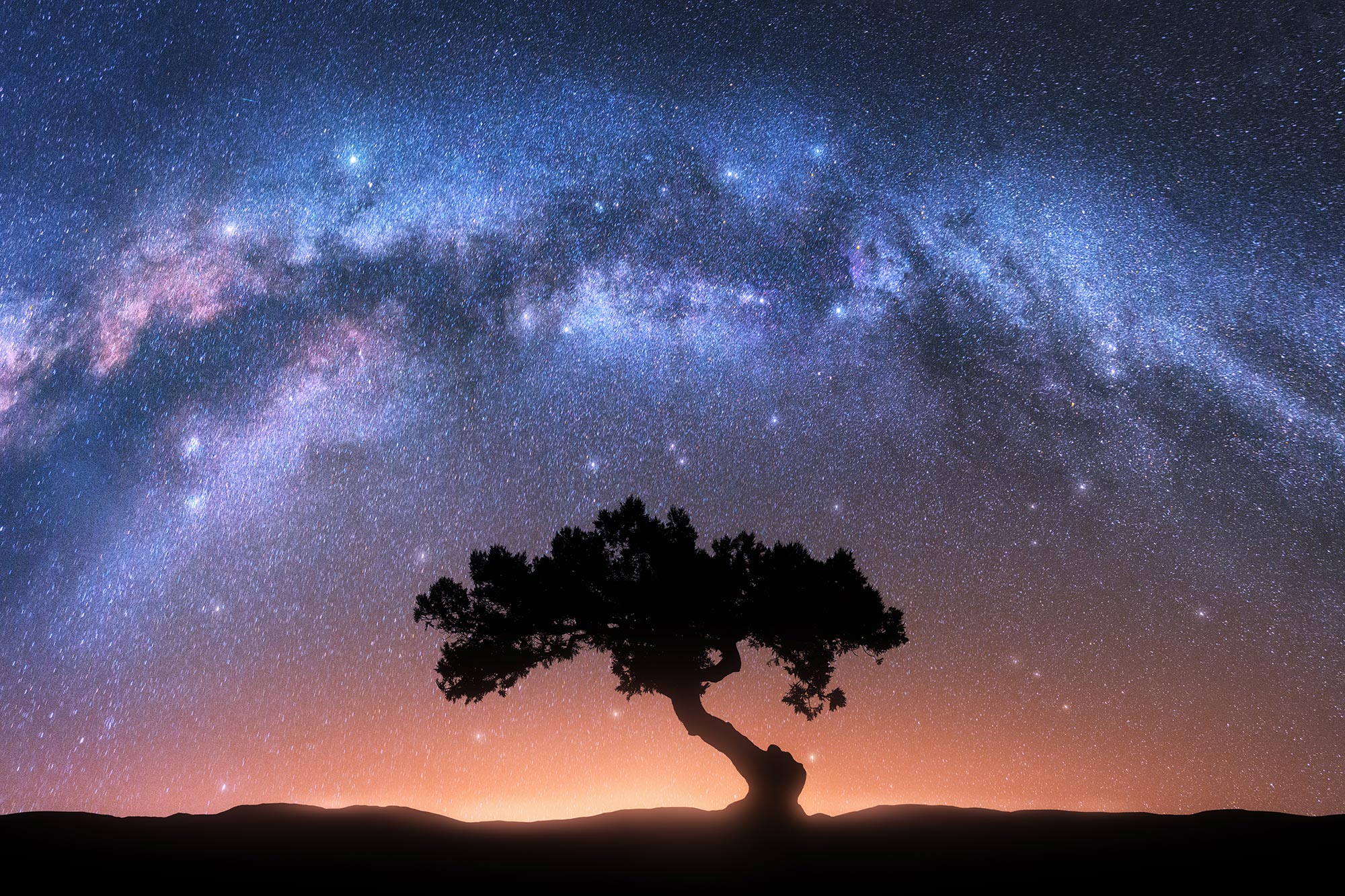
June offers a spectacular night sky with the Milky Way's glowing core visible all month, along with planetary alignments involving Venus, Mars, Mercury, and Saturn, and the summer solstice marking the longest day of the year in the Northern Hemisphere, making it an ideal time for stargazing and celestial events.
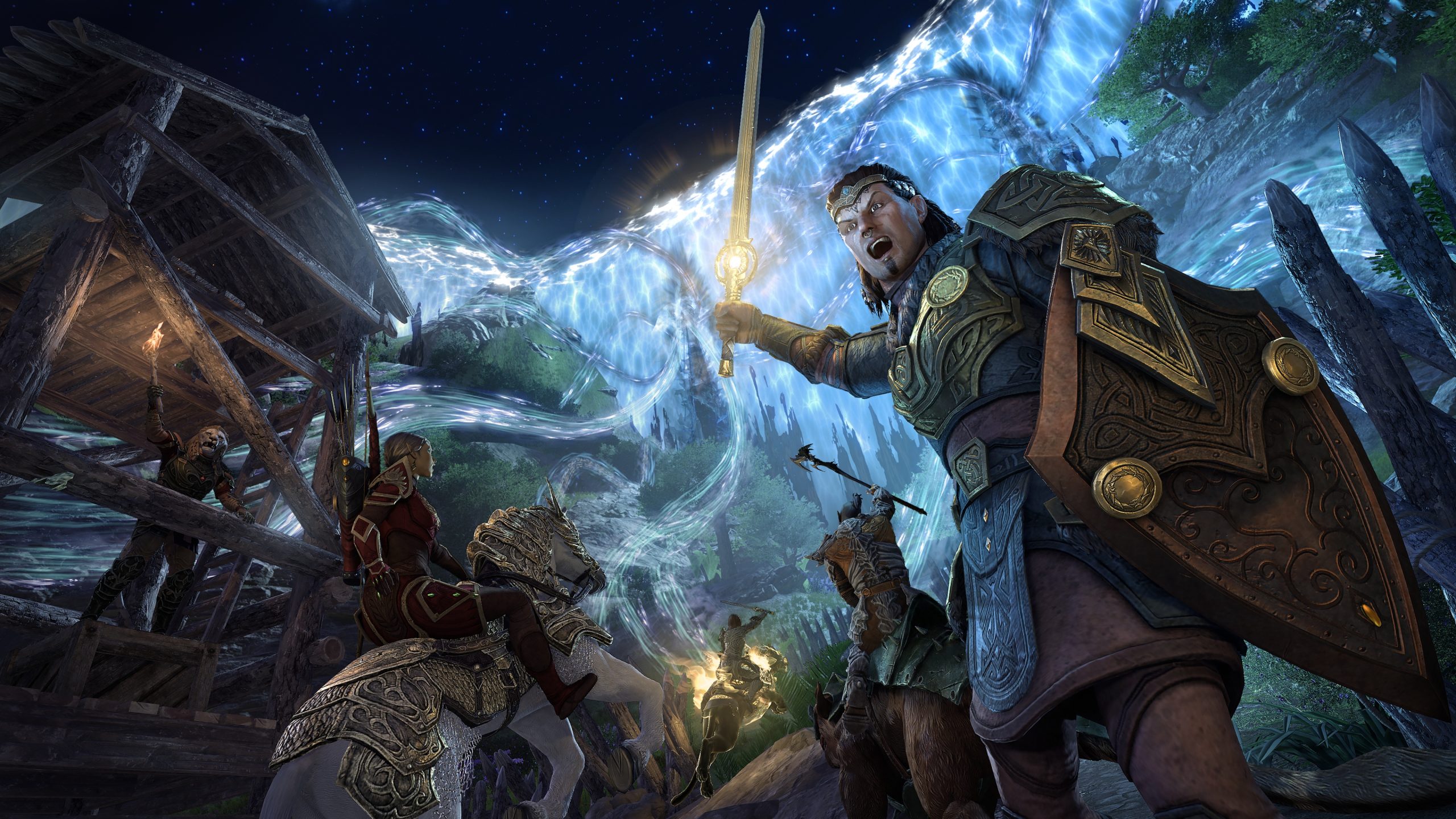
The Elder Scrolls Online launches its major update, Seasons of the Worm Cult, introducing a new zone called Solstice, a storyline involving the Worm Cult, new gameplay mechanics, and the feature of subclassing that enhances build customization, with content accessible at any level and ongoing evolving storylines.
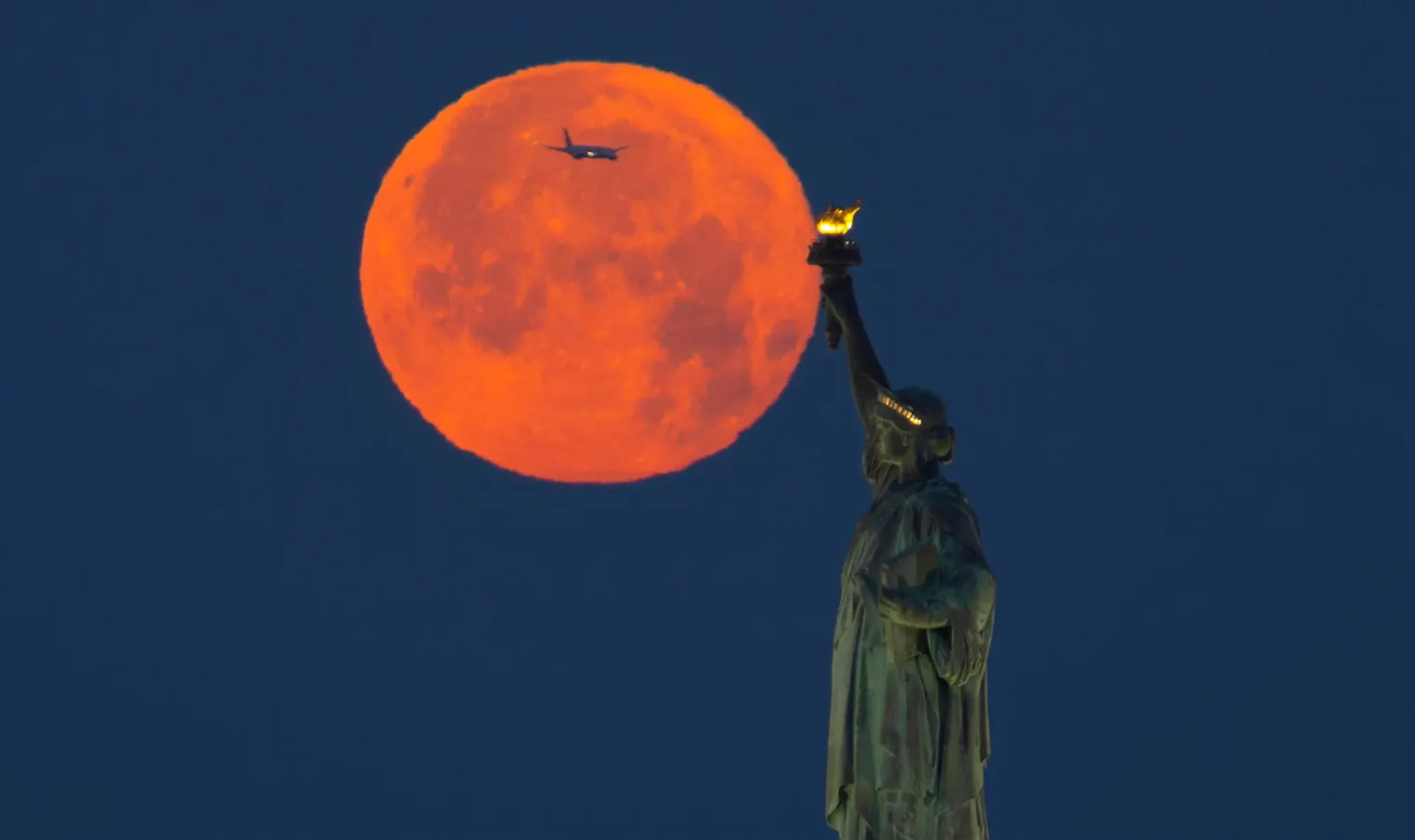
June offers numerous stargazing opportunities, including a crescent moon near Gemini and Leo, a bright moon close to Antares, noctilucent clouds, the summer solstice, the first full moon of summer, and a SpaceX Falcon Heavy rocket launch.
This week is ideal for stargazing in the northern hemisphere due to the solstice, which brings the longest nights of the year. However, the moon will be bright and visible throughout the week, making it harder to observe faint stars and constellations. On December 19, the moon reaches its First Quarter phase, becoming 50% lit. On December 21, the solstice occurs, marking the shortest day and longest night of the year. The moon will also meet Jupiter on December 21/22 and the Pleiades on December 23. The Ursid Meteor Shower will peak this week, but the moon's brightness may hinder visibility.
Archaeologists have discovered a 4,000-year-old religious burial ground in the Netherlands, which has been dubbed as the "Stonehenge of the Netherlands". The mound discovered is 65 feet in diameter and contains the remains of around 60 men, women and children. The burial ground has several passages through which the sun would shine directly on the winter and summer solstices. The archaeologists were also able to find offerings of both human and animal skulls as well as valuables like a bronze spearhead from the spots where the sun beamed directly.
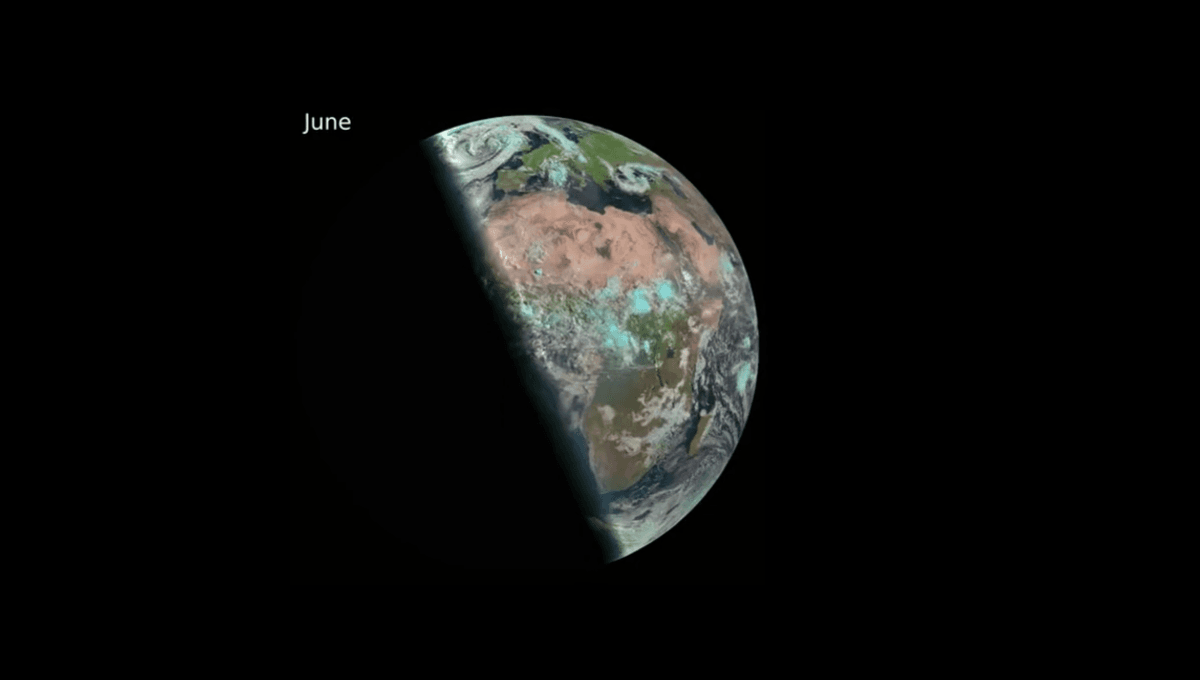
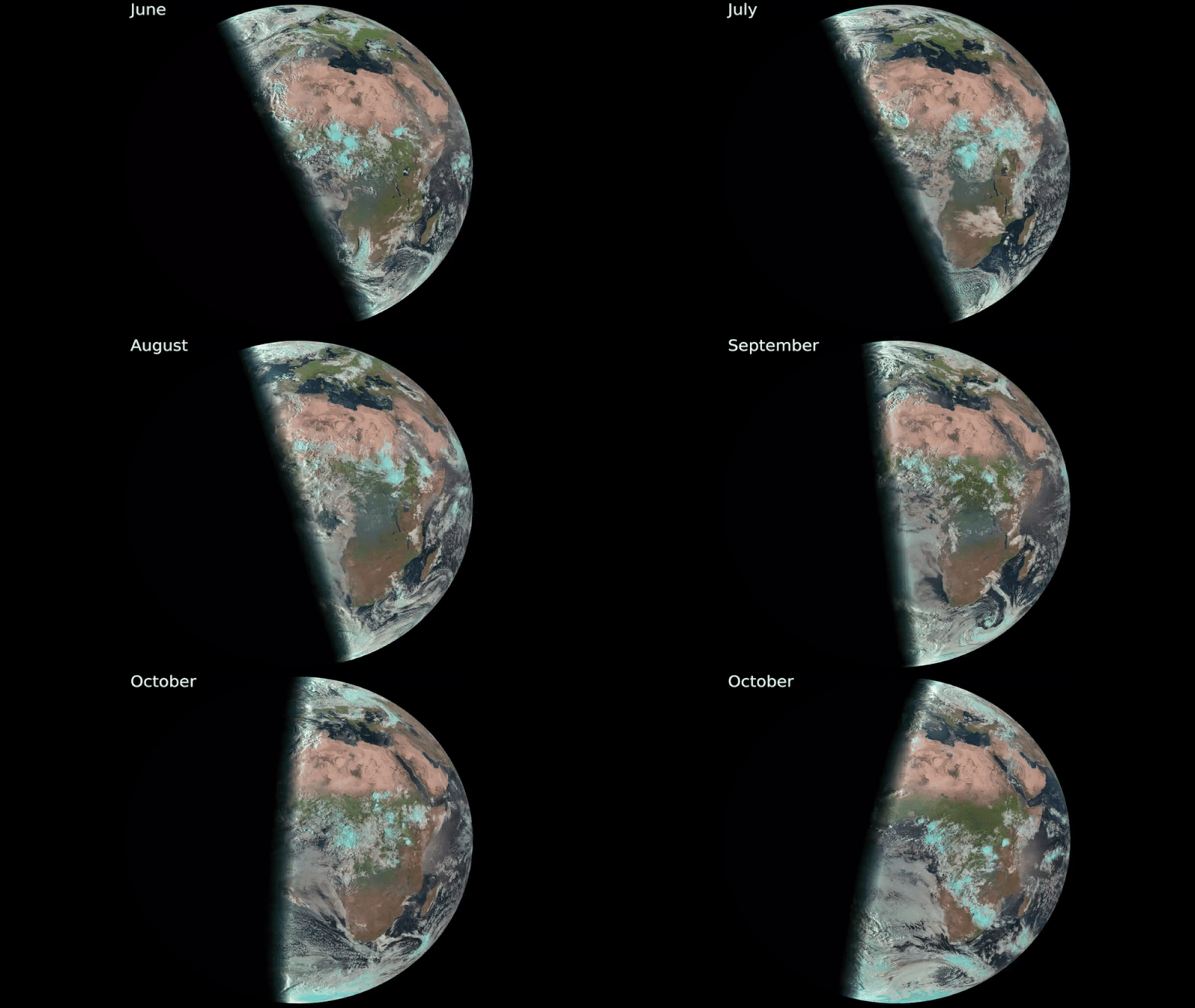
An animation created by Simon Proud, an Earth-observation scientist, shows how Earth's tilt creates solstices and seasons. The animation was produced by stitching together 365 images taken at 6 am on each day over the past year from weather satellite data. Earth's tilt is currently 23.4 degrees away from the poles, and it's known to change. The tilt is responsible for the number of daylight hours we receive throughout the year. The animation shows how places like Europe and North Africa are perfectly illuminated by the sun at 6 am in June, while they are shrouded in darkness in December.
A new video released by Simon Proud, an Earth-observation scientist at the National Center for Earth Observation in the U.K., shows how Earth's tilt changes throughout the year, causing days to lengthen and shorten from north to south as the planet orbits the sun. The video is a sequence of images taken by the European weather satellite Meteosat, which observes the planet from its perch in the geostationary orbit, an orbit at an altitude of 22,200 miles (36,000 kilometers), where spacecraft appear suspended above a fixed spot above Earth's equator. The planet is now beginning its move toward the autumn equinox, which takes place in September and which sees both hemispheres receiving an equal amount of sunshine on that given day.
Archaeologists have discovered a 4,000-year-old sanctuary made up of ditches and burial mounds in the central Netherlands that they believe may have served a similar purpose to Stonehenge. The sanctuary was built to align with the sun on the solstices and was as big as at least three soccer fields. The archaeologists also discovered offerings, including animal skeletons, human skulls, and valuable items such as a bronze spearhead, at the spots where the sun shone through the openings. The sanctuary must have been a highly significant place where people kept track of special days in the year, performed rituals, and buried their dead.
Archaeologists have discovered a 4,000-year-old sanctuary made up of ditches and burial mounds in the central Netherlands that they believe may have served a similar purpose to Stonehenge. The sanctuary was built to align with the sun on the solstices and was as big as at least three soccer fields. The archaeologists also discovered offerings, including animal skeletons, human skulls, and valuable items such as a bronze spearhead, at the spots where the sun shone through the openings. The sanctuary must have been a highly significant place where people kept track of special days in the year, performed rituals, and buried their dead.
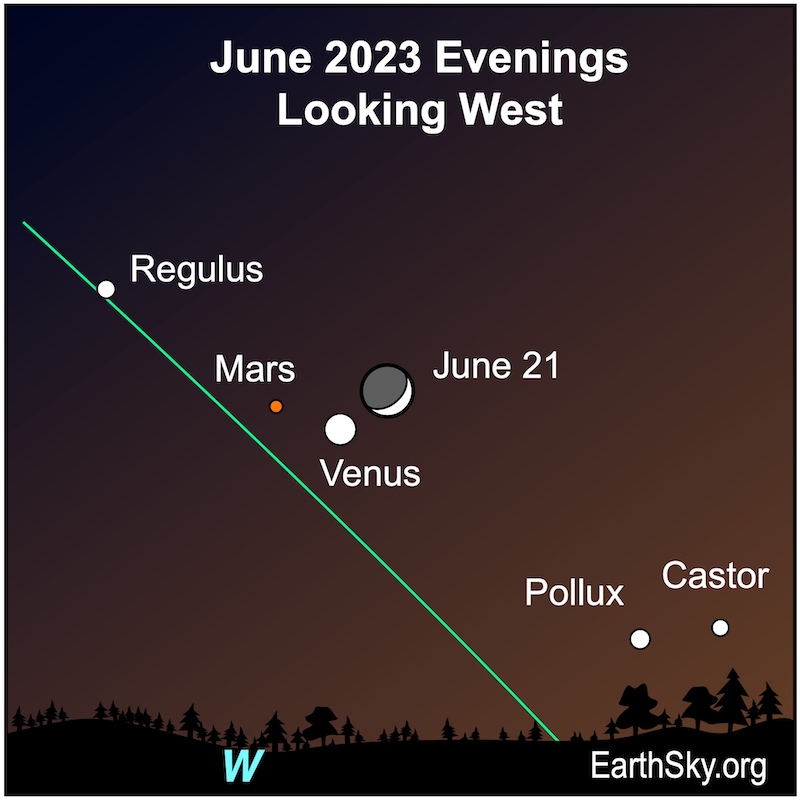
On June 21, 2023, the solstice will bring the first day of summer to the Northern Hemisphere and the first day of winter to the Southern Hemisphere. Skywatchers can spot a cosmic trio of the crescent moon, Venus, and Mars in the solstice sky. The waxing crescent moon will be glowing next to brilliant Venus with the much dimmer Mars nearby. The lineup will tilt the opposite direction in the Southern Hemisphere.
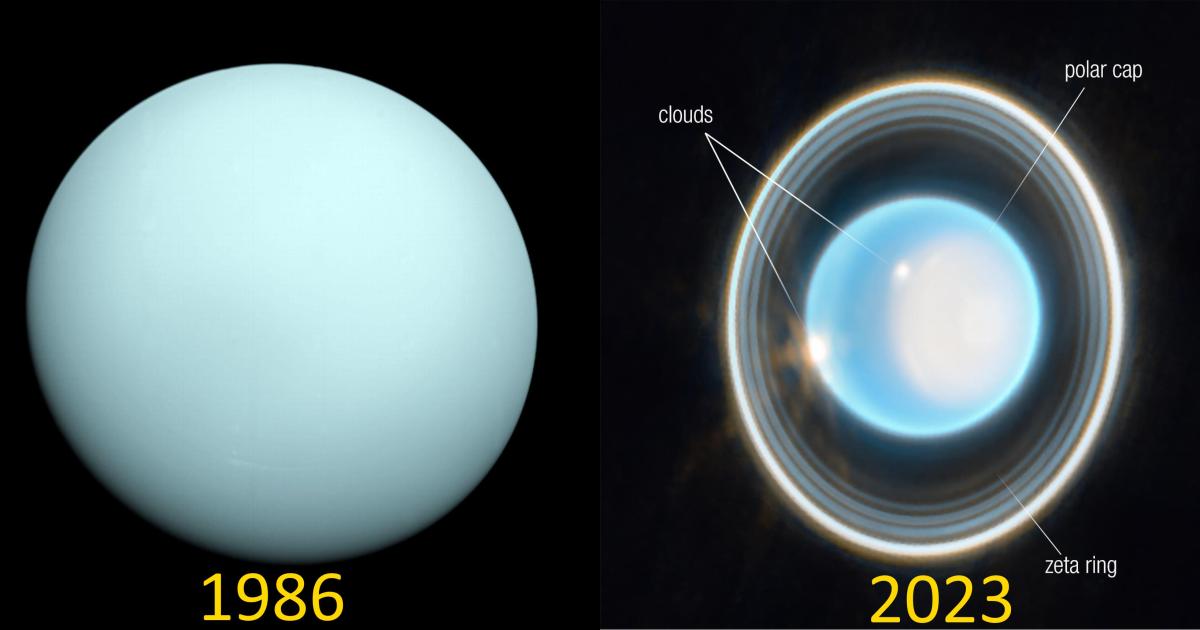
NASA's James Webb Space Telescope (JWST) has captured the first image of Uranus, revealing a featureless and monochrome planet similar to the images captured by Voyager 2 in 1986. Uranus is unique in the Solar System as it rotates on its side, and its poles experience 42 years of sunlight and 42 years of darkness as it orbits the Sun. Uranus will reach solstice in 2028, and the ideal launch window for an orbiter-and-probe mission to Uranus occurs between 2030 and 2034, which could give us a never-before-seen, close-up view of the planet.