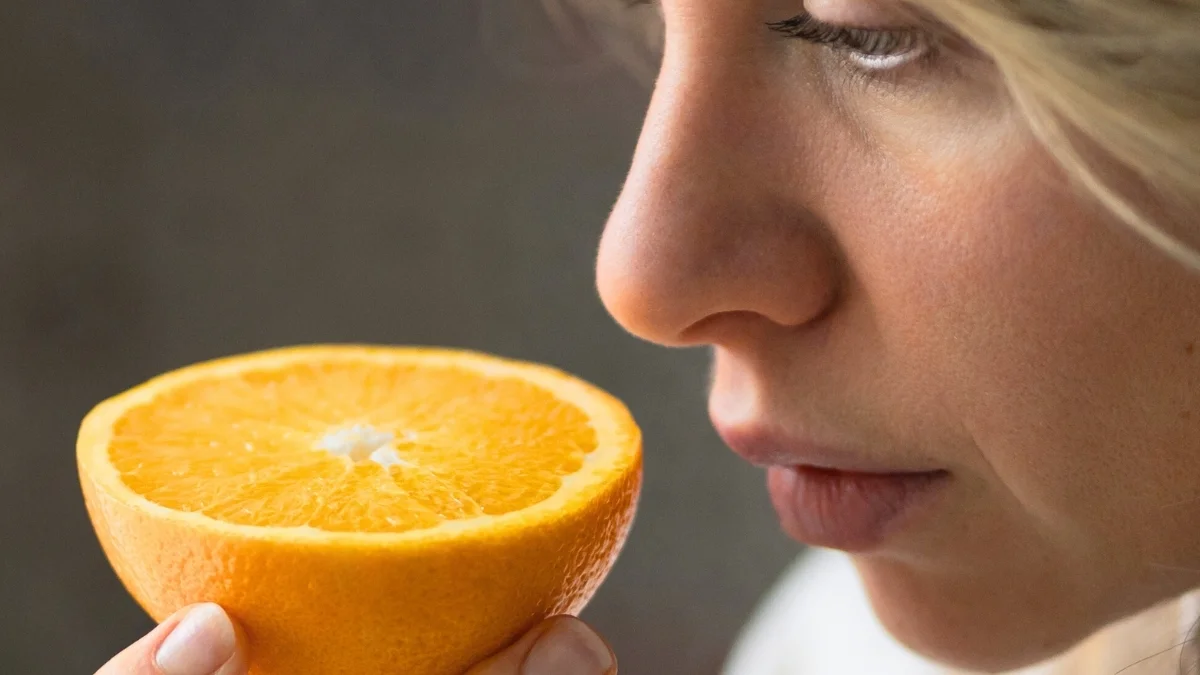
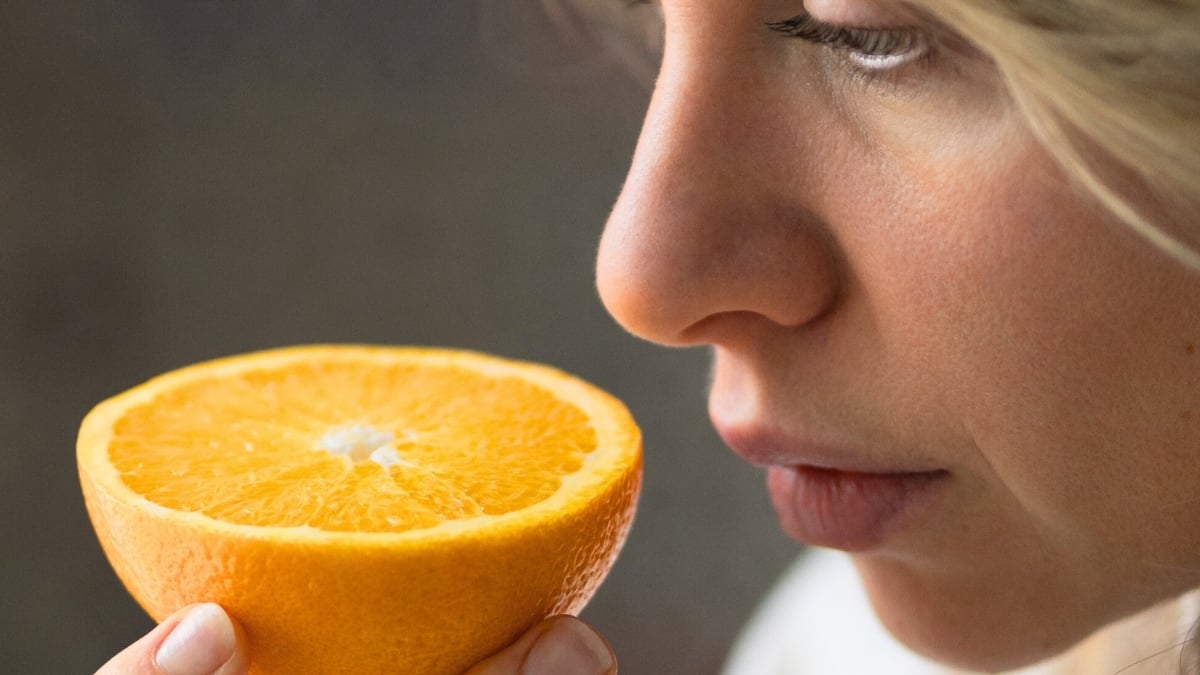
Research indicates that millions may have lost their sense of smell due to COVID-19 without realizing it, with many unaware of their condition, which could have significant health implications. The study highlights the need for routine smell testing in post-COVID care to address this underrecognized issue.
Research indicates that millions of people may have lost their sense of smell due to COVID-19 without realizing it, with many unaware of their hyposmia or anosmia, highlighting the need for routine smell testing in post-COVID care to address potential long-term health impacts.
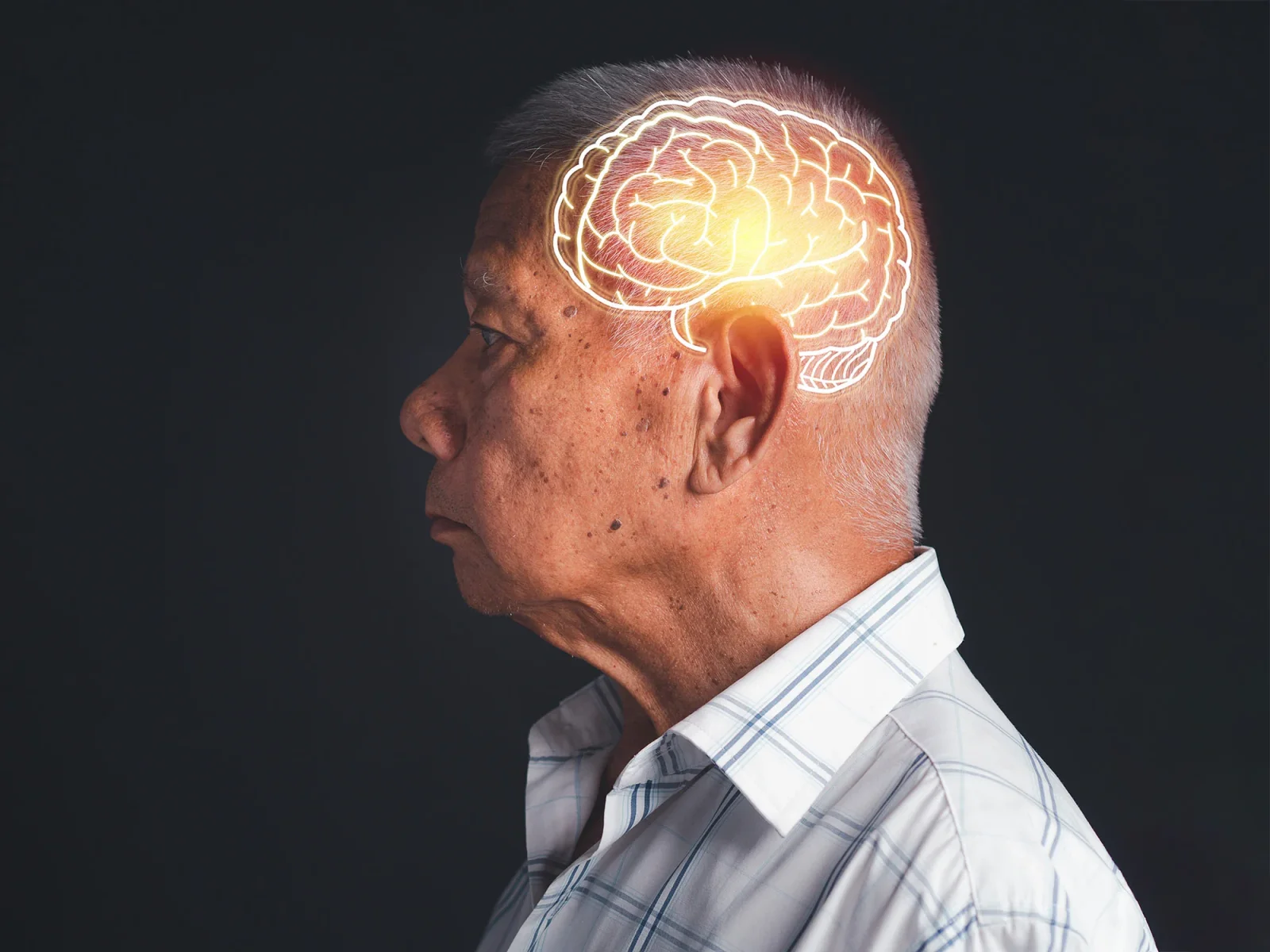
A new study suggests that loss of the sense of smell may be an early warning sign of Alzheimer's disease, linked to damage in the brainstem and immune response, although it is not currently used in diagnosis and could be confused with normal aging changes.
Research indicates that a loss of smell can be an early sign of Alzheimer's disease, linked to immune responses in the brain that damage neuronal connections, potentially allowing for earlier diagnosis and treatment options.
New research indicates that early smell loss in Alzheimer's may result from immune-driven damage to nerve fibers connecting key brain regions, with changes in membrane composition signaling microglia to dismantle these pathways. This discovery offers potential for earlier diagnosis and intervention, especially with therapies like amyloid-beta antibodies.
The Michael J. Fox Foundation has made a groundbreaking discovery of a biomarker for Parkinson’s disease, allowing for the early detection of the disease before symptoms appear. The alpha-synuclein seeding amplification assay (SAA) can detect misfolded alpha-synuclein in spinal fluid with 90% specificity, providing a way to identify individuals with PD pathology before diagnosis. The breakthrough was achieved by using a scratch-and-sniff test to identify individuals with poor smell, a known predictor of brain disease. This development will revolutionize Parkinson’s research and care, potentially leading to widespread adoption of annual smell tests for early disease detection.
Clinical trial data suggests that the antiviral pill ensitrelvir can shorten the duration of loss of smell and taste caused by COVID-19. Unlike other COVID-19 treatments, ensitrelvir is not limited to high-risk individuals and is available to those with mild to moderate symptoms. The drug has shown promising results in reducing smell and taste loss symptoms, with the percentage of participants reporting these symptoms significantly lower in the ensitrelvir groups compared to the placebo group. Ensitrelvir's developer, Shionogi, is continuing clinical trials, and the drug has not yet been approved outside of Japan.
The risk of losing the sense of smell, a common symptom of COVID-19, has significantly decreased since the early days of the pandemic, according to a new study. The chance of smell loss from the latest omicron variants is now as low as 6 to 7 percent of what it was before. This means that losing smell and taste is no longer a reliable sign of a COVID infection. Vaccinations and preexisting immunity may be contributing to the decline in smell loss. However, some individuals still experience complete or distorted loss of smell, impacting their quality of life. Smell training with essential oils can help restore neural connections between the nose and brain.
A retrospective study by researchers at Massachusetts Eye and Ear found that about a quarter of Americans who had COVID-19 reported only partial or no recovery of taste or smell. The study utilized data from the 2021 National Health Interview Survey (NHIS), which includes survey data from 29,696 adults. The research team reported that about 60 percent of surveyed participants infected with COVID experienced a loss of smell and about 58 percent experienced loss of taste. The study found that around 72 percent of patients fully recovered their sense of smell, but 24 percent only had a partial recovery and over 3 percent had no recovery of their sense of smell at all. Similarly, of those who experienced a loss of taste due to COVID, about 76 percent fully recovered the sense, while 20 percent only partially recovered and over 2 percent did not recover at all.
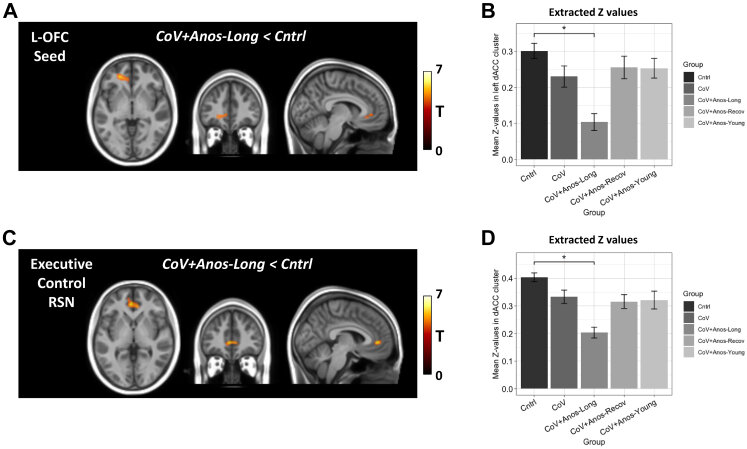
A new study led by UCL researchers has found that people with long COVID who suffer from loss of smell show different patterns of activity in certain regions of the brain. The study used MRI scanning to compare the brain activity of people with long COVID who lost their sense of smell, those whose smell had returned to normal after COVID infection, and people who had never tested positive for COVID-19. The findings suggest smell loss caused by long COVID is linked to a change in the brain that stops smells from being processed properly. Olfactory training could help the brain to recover lost pathways and help people with long COVID recover their sense of smell.