Tag

Omicron Variant

All articles tagged with #omicron variant

"COVID Cases Surge Nationwide, Wastewater Data Shows 'Very High' Levels"
health1 year ago

"COVID Cases Surge Nationwide, Wastewater Data Shows 'Very High' Levels"

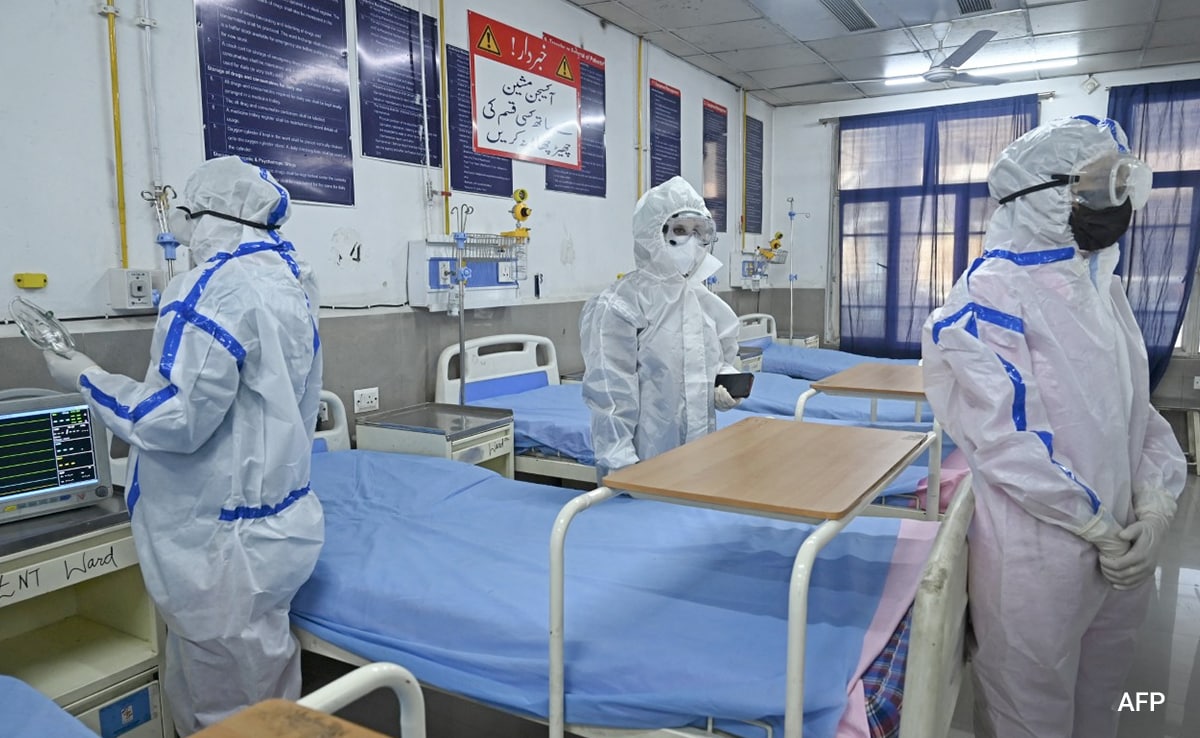
COVID-19 cases are rising in 45 states, with 26 states experiencing "very high" or "high" levels, according to the CDC. The omicron strains KP.3 and KP.2 are the dominant variants, and the FDA has advised developing boosters targeting KP.2 for the fall. Despite the surge, hospitalizations and emergency room visits remain low. Symptoms of the new variants are similar to previous strains, including sore throat, cough, and fatigue.
"Latest COVID-19 Vaccine Shows Strong Protection Against Severe Disease and Symptomatic Infection"
health2 years ago

"Latest COVID-19 Vaccine Shows Strong Protection Against Severe Disease and Symptomatic Infection"

University of Michigan researchers evaluated 80 studies and 150 million patient observations to understand the effectiveness of COVID-19 vaccine doses, finding that all sequential doses provided substantial benefit in preventing hospitalization and death. They observed stronger estimates for the fall 2022 omicron-specific vaccine dose and support the practice of periodically updating COVID-19 vaccines for currently circulating variants. The study's findings suggest the utility of updating vaccines and establish an analytic pipeline for studying the effectiveness of future annual vaccine formulations.

"New COVID-19 Vaccine Shows Strong Protection Against Latest Variant, CDC Reports"
health2 years ago

"New COVID-19 Vaccine Shows Strong Protection Against Latest Variant, CDC Reports"

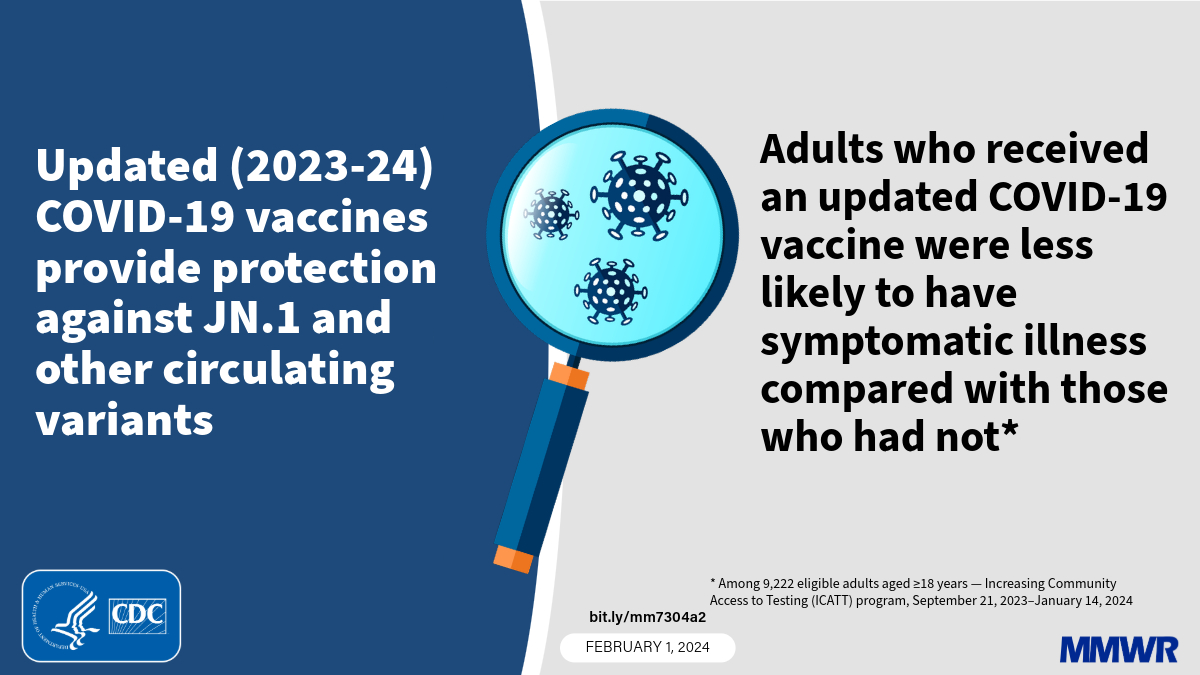
Early estimates from the CDC's Advisory Committee on Immunization Practices show that the updated 2023–2024 monovalent XBB.1.5 COVID-19 vaccine provides approximately 54% increased protection against symptomatic SARS-CoV-2 infection compared to no receipt of the updated vaccine. The vaccine offers protection against the JN.1 and other co-circulating lineages, and it is recommended that all persons aged ≥6 months should receive the updated COVID-19 vaccine. The CDC will continue monitoring vaccine effectiveness, including against severe disease and for expected waning.

"Omicron Variants' Impact on Human Immune System Evolution"
health2 years ago

"Omicron Variants' Impact on Human Immune System Evolution"

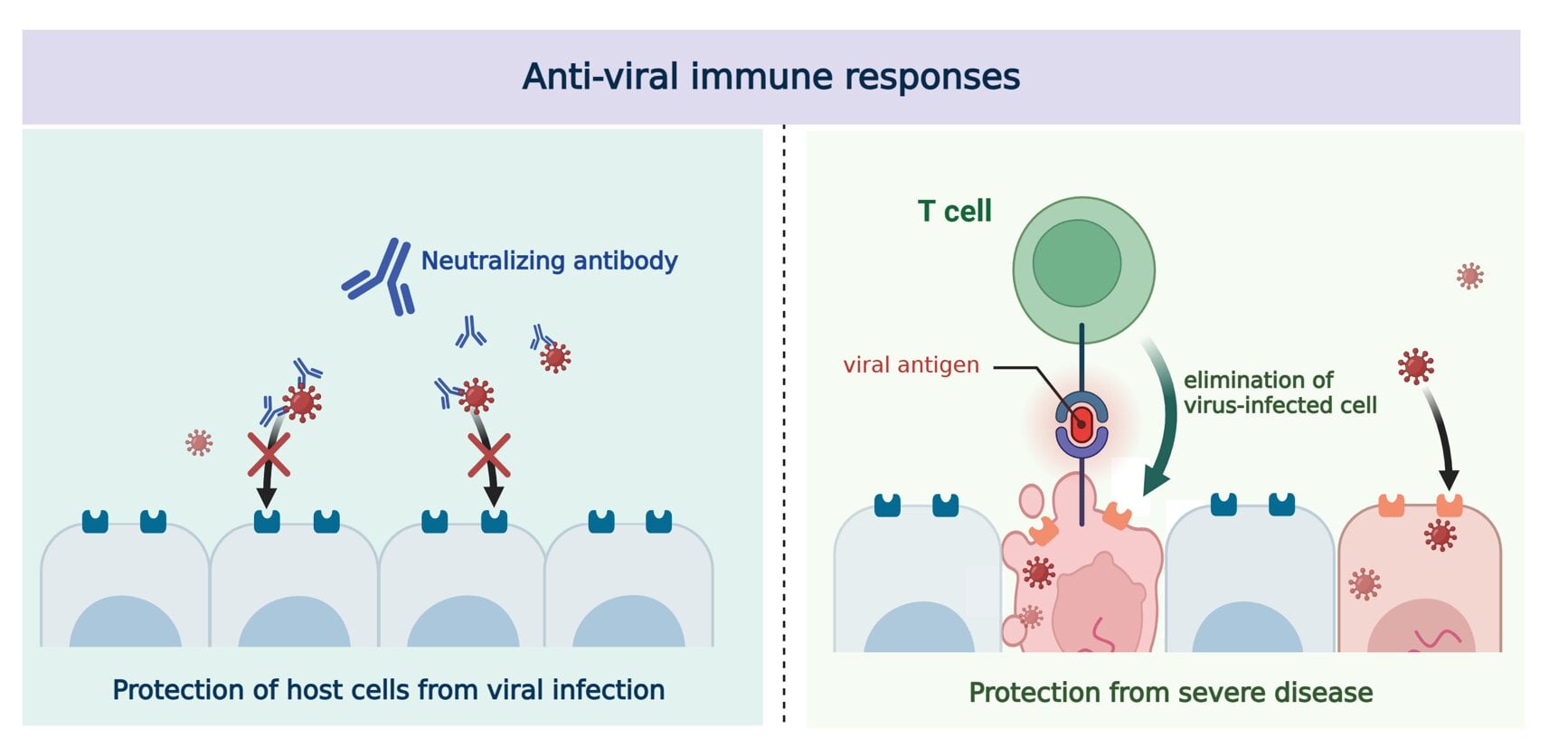
Research suggests that the human immune system is evolving to combat new SARS-CoV-2 variants, particularly after experiencing breakthrough infections by the omicron variant. Memory T cells formed after omicron breakthrough infection showed enhanced immunity against subsequent omicron variants, potentially preventing severe COVID-19 symptoms from future emerging variants. This finding may offer new perspectives in the era of COVID-19 endemic and could be applied to vaccine development to induce memory T cell defenses against subsequent variants.

"Comparing the Current COVID Surge to Previous Spikes Across 34 States"
health-covid-192 years ago

"Comparing the Current COVID Surge to Previous Spikes Across 34 States"

COVID-19 cases are on the rise in the U.S., with hospital admissions increasing by 20 percent in the most recent week. Wastewater surveillance data shows higher virus levels, and the dominant Omicron JN.1 subvariant is causing 61.6 percent of cases. Only 21.4 percent of adults have received the updated COVID-19 shot. Health experts expect elevated viral activity to continue through January, with the CDC advising precautions for high-risk individuals in counties with medium or high hospital admission rates.

"WHO Reports Nearly 10,000 Global COVID-19 Deaths in December, Highlighting Holiday Transmission"
health-covid-192 years ago

"WHO Reports Nearly 10,000 Global COVID-19 Deaths in December, Highlighting Holiday Transmission"

The World Health Organization reported nearly 10,000 COVID-19 deaths in December, with a 42% increase in hospital admissions in nearly 50 countries, mainly in Europe and the Americas. The JN.1 variant, a form of the Omicron variant, is now the most prominent globally, leading to increased transmission. WHO officials urge continued surveillance, access to treatments and vaccines, and recommend vaccination, mask-wearing, and well-ventilated indoor spaces to mitigate the spread.

"Record COVID Wastewater Levels in Boston Area Prompt Research on Nasal Spray Protection"
health2 years ago

"Record COVID Wastewater Levels in Boston Area Prompt Research on Nasal Spray Protection"

Wastewater levels of COVID-19 in Greater Boston have reached their second-highest point since the pandemic began, signaling a potential surge in cases. The JN.1 variant, a highly contagious strain, accounts for the majority of current cases in the U.S., raising concerns about hospitalizations. However, the latest booster shots have been shown to protect against the new strain, and there is currently no evidence that it causes more severe illness. Experts advise getting boosted and seeking prompt testing if experiencing symptoms to protect against potential surges.

"Emerging COVID Variants Pirola BA.2.86 and JN.1 Pose Increased Risk, Studies Warn"
health-science2 years ago

"Emerging COVID Variants Pirola BA.2.86 and JN.1 Pose Increased Risk, Studies Warn"

New studies suggest that highly mutated COVID variants BA.2.86 and JN.1 may cause more severe disease than other Omicron variants, with BA.2.86 showing traits similar to earlier, more deadly strains. Experts are concerned about the potential recombination of COVID with other coronaviruses in animals and the possibility of a more severe form of the virus emerging. Waning immunity from vaccination and prior infection may also contribute to an increase in COVID hospitalizations. The evolving nature of the virus, including its potential to infect the GI tract and the role of animals in viral mutation, warrants further study and vigilance.

"COVID Symptoms Surge During Holiday Season, Doctors Report"
health2 years ago

"COVID Symptoms Surge During Holiday Season, Doctors Report"

As COVID-19 cases increase during the holiday season, doctors are seeing a shift in symptoms compared to earlier stages of the pandemic. The most common signs now resemble those of a cold, including congestion, runny nose, sore throat, dry cough, headaches, body aches, fatigue, and fever. Loss of taste and smell is less frequent. Shortness of breath and chest pain may still occur and require immediate medical attention. Elderly individuals, those with medical conditions, and immunocompromised individuals remain at higher risk for severe disease. Vaccination is crucial in reducing the severity of illness, and updated vaccines are expected to protect against the new omicron variant. Antiviral treatment, such as Paxlovid, can help manage the severity of COVID-19 if started within five days of symptoms. Basic hygiene practices, wearing masks in crowded spaces, and staying home when feeling unwell are important preventive measures.

Rapid Spread of COVID Variant JN.1 in Kochi Hospitals and Northeast US
health2 years ago

Rapid Spread of COVID Variant JN.1 in Kochi Hospitals and Northeast US

Health experts in India have raised concerns about the increasing number of Covid-19 cases in the country, particularly due to the JN.1 sub-variant of Omicron. In the Kochi region, 30% of patients with flu-like illnesses have tested positive for Covid-19 within a 24-hour period. The experts emphasized the importance of not dismissing Covid-19 as a common cold due to its long-term effects, including increased risk of heart attacks, strokes, and mental health problems. While the variant is more transmissible, it may not lead to a high number of hospitalizations due to India's high vaccination rate and improved healthcare system. Precautions such as wearing masks and prioritizing vaccination for the elderly and immunocompromised individuals were recommended.

Rapid Spread of JN.1 Variant Raises Concerns Amid Winter Flu Surge
health2 years ago

Rapid Spread of JN.1 Variant Raises Concerns Amid Winter Flu Surge

COVID-19 cases are surging in the US, with a 17.6% increase in hospital admissions and a 25% rise in deaths. The JN.1 subvariant of the Omicron variant now accounts for 15-29% of current cases, indicating it may be more transmissible. Experts are concerned about the combination of holiday gatherings, low vaccination rates, and the new variant. While JN.1 is similar to other Omicron variants, it has the potential to evade the immune system. The US is currently experiencing high COVID activity, but it's unclear if JN.1 is solely responsible. Experts urge people to take precautions, such as wearing masks in crowded places and staying home if sick, to mitigate the risk during the holiday season.

Omicron Variant Surges Amidst Winter Covid Wave
health2 years ago

Omicron Variant Surges Amidst Winter Covid Wave

A new subvariant of the Omicron variant, JN.1 or "Pirola," is rapidly spreading in New Zealand, accounting for one in 10 cases sequenced. It is uncertain whether JN.1 will outcompete the EG.5 subvariant that has been dominant in the pre-Christmas wave. JN.1, which is now responsible for about a third of cases in the UK and US, has a single change in its spike protein compared to BA.2.86. While JN.1 may have gained extra transmissibility, there is no evidence of increased severity. The current wave in New Zealand has led to a surge in vaccinations, but cases are expected to increase further during the pre-Christmas period. The emergence of a completely new variant would require a substantial leap in evolution.

Brain Changes Detected in Small Study of Omicron COVID Variant
health2 years ago

Brain Changes Detected in Small Study of Omicron COVID Variant

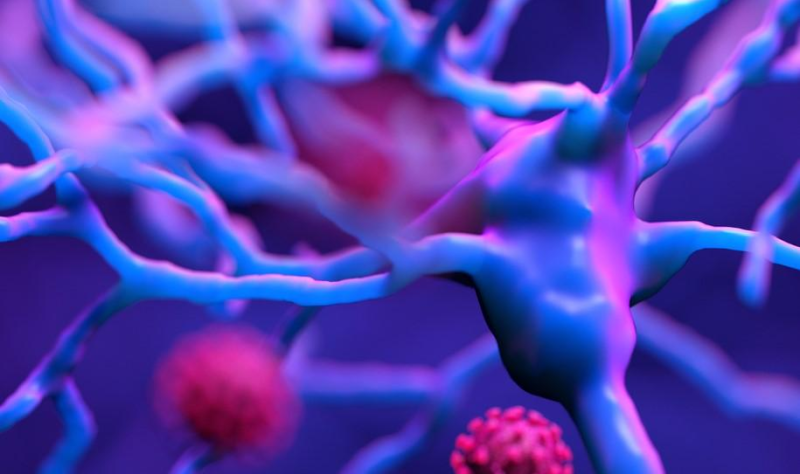
A small study conducted in China found that men who were infected with the Omicron variant of COVID-19 experienced thinning of the gray matter and other changes in certain parts of the brain. The study, which included 61 participants, revealed that gray-matter thickness had thinned in specific brain regions, and the ratio of right hippocampus volume to total intracranial volume was significantly reduced after infection. These brain alterations were associated with increased anxiety scores and decreased word fluency test scores. The findings highlight the emotional and cognitive effects of Omicron infection and suggest that imaging can aid in the early detection and treatment of neurologic complications.

Surge in COVID variant BA.2.86 cases alarms CDC
health2 years ago

Surge in COVID variant BA.2.86 cases alarms CDC

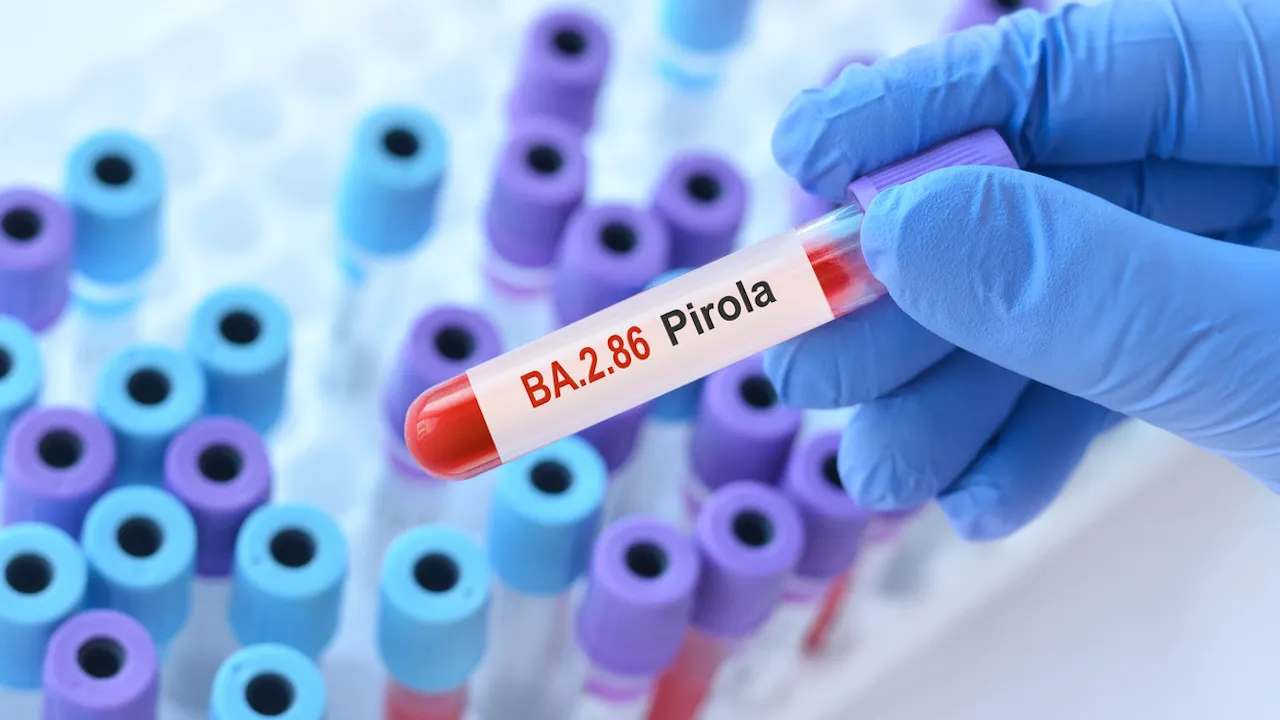
Cases of the COVID-19 variant Omicron BA.2.86, also known as Pirola, have tripled in two weeks, comprising between 5% and 15% of all infections, according to a CDC report. Despite its prevalence, BA.2.86 does not appear to be driving increases in infections or hospitalizations in the United States. The CDC and WHO consider the public health risk posed by this variant to be low compared to other circulating variants. The updated COVID-19 vaccines are believed to increase protection against BA.2.86, as they do for other variants. It is recommended that high-risk groups continue to adopt risk-mitigating behaviors and consult with their physicians about booster shots.

Rapid Spread of BA.2.86 COVID Variant Raises Concerns in the US
health2 years ago

Rapid Spread of BA.2.86 COVID Variant Raises Concerns in the US

The World Health Organization (WHO) has upgraded the BA.2.86 variant, including its offshoots, to a variant of interest as its global proportions, including in the United States, continue to grow. The BA.2.86 variant now accounts for about 9% of circulating viruses in the US. While the immune escape potential of BA.2.86 is expected to be less dramatic than that of the Omicron variant, studies suggest that updated vaccines will provide added protection. The public health risk is currently low, and there is no indication that BA.2.86 will cause more severe disease. The CDC also shares the assessment that the public health risk is low, and BA.2.86 is not driving increases in cases and hospitalizations.