Tag

Anosmia

All articles tagged with #anosmia

Four early non-motor clues that may precede Parkinson’s by years
health1 month ago

Four early non-motor clues that may precede Parkinson’s by years

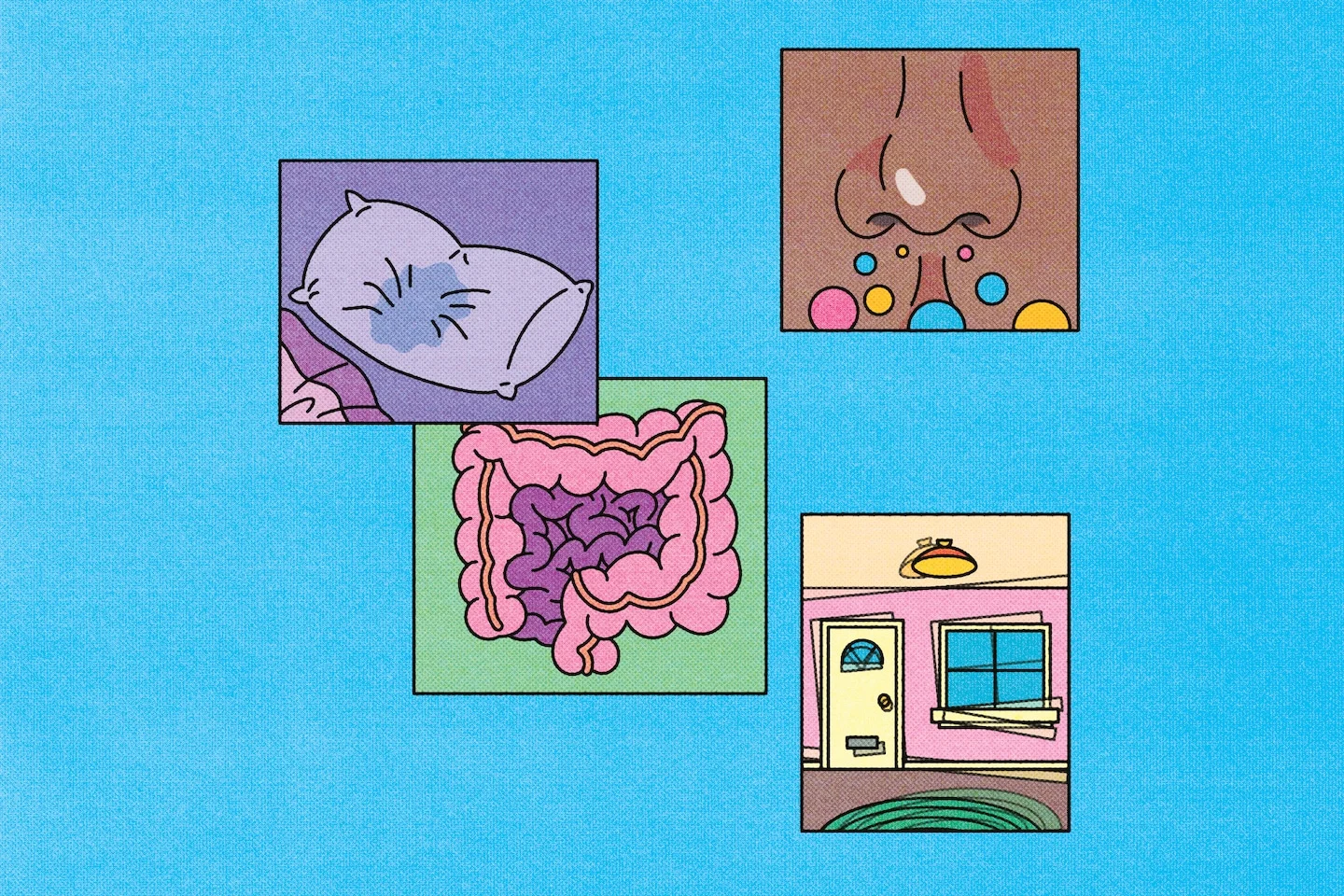
Non-motor signs can appear years before Parkinson’s motor symptoms. Loss of smell may begin up to about 20 years before diagnosis; REM sleep behavior disorder markedly increases future risk (many develop Parkinson’s within 5–10 years); constipation and orthostatic hypotension are also early markers with varying strength. These signs aren’t diagnostic alone, but multiple markers or a family history warrant medical evaluation, and smell tests are available through research programs.


Early Dementia Warning: Shower Habits May Reveal Symptoms
health1 year ago

Early Dementia Warning: Shower Habits May Reveal Symptoms

A recent study suggests that a loss of sense of smell, detectable during activities like showering, may be an early indicator of dementia, including Alzheimer's and Parkinson's diseases. This symptom, known as anosmia, can appear up to a decade before a formal diagnosis and is linked to a significantly increased risk of cognitive decline. However, temporary loss of smell can also be caused by common illnesses like colds or allergies, so persistent anosmia should be medically evaluated.

Spotting Early Dementia: Unexpected Symptoms to Watch For
health1 year ago

Spotting Early Dementia: Unexpected Symptoms to Watch For

Doctors are warning that anosmia, or loss of smell, could be an early indicator of dementia, including Alzheimer's and Parkinson's diseases. This symptom can appear years before a formal diagnosis, as the neurodegenerative process affects brain areas responsible for smell. While anosmia can result from common conditions like colds or allergies, its presence, especially in older adults, may warrant neurological evaluation. Studies show a significant correlation between olfactory dysfunction and increased dementia risk, highlighting the importance of early detection and medical consultation.

Unraveling the Mystery of Smell Loss in Neurological Disorders
health2 years ago

Unraveling the Mystery of Smell Loss in Neurological Disorders

A study by University College London found that people with long COVID who suffer from anosmia, or loss of smell, experience a significant shift in brain activity due to impaired communication between two parts of the brain. However, the study also found that olfactory training could help the brain recover lost pathways and help people with long COVID recover their sense of smell. The study gives reassurance that, for the majority of people whose sense of smell comes back, there are no permanent changes to brain activity.

Brain Changes Linked to Long COVID Smell Loss, Say Neuroscientists.
health2 years ago

Brain Changes Linked to Long COVID Smell Loss, Say Neuroscientists.

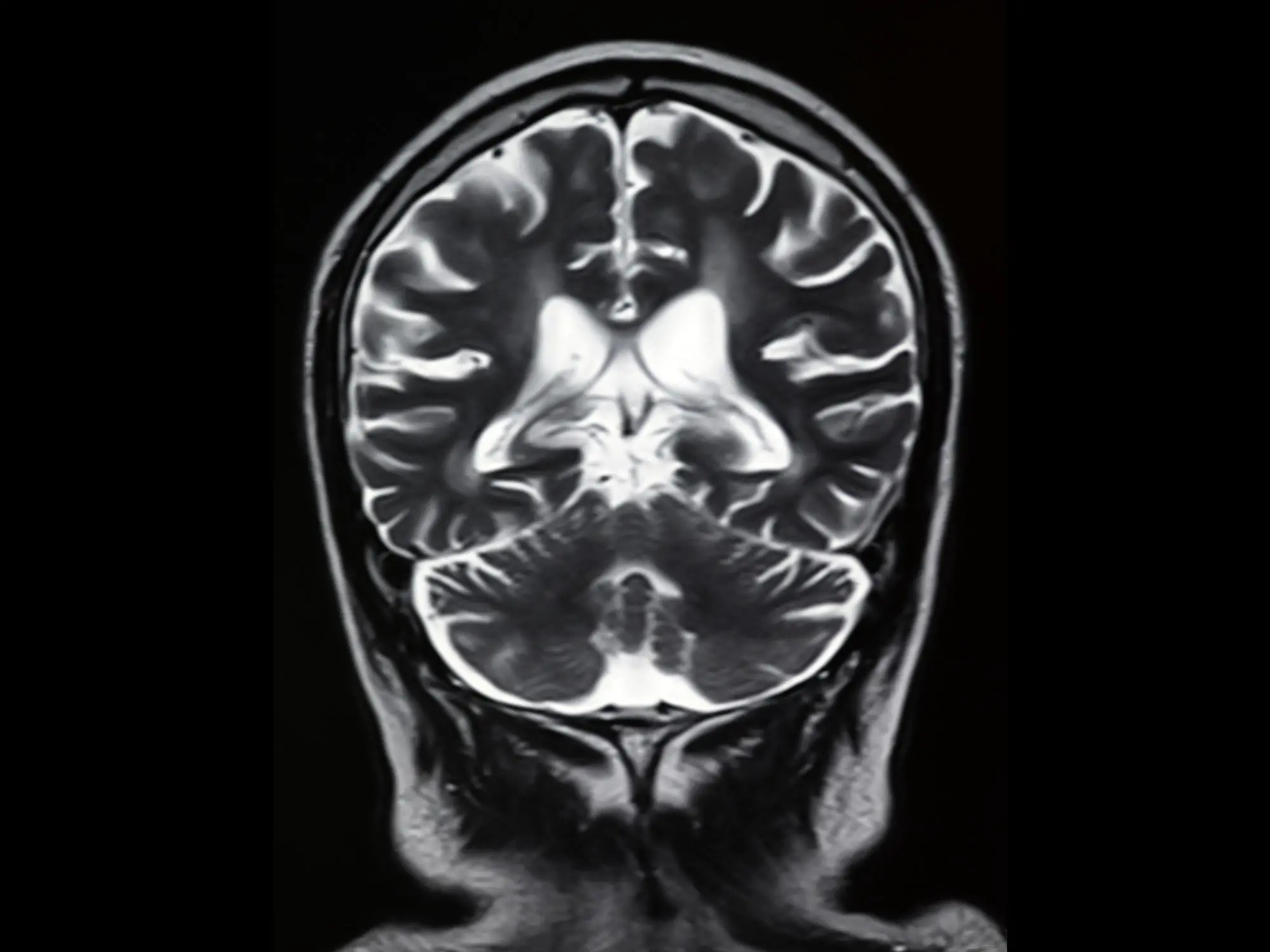
A recent study led by UCL researchers has found that people living with long COVID and experiencing anosmia (loss of smell) show different brain activity patterns compared to those who have recovered their sense of smell or never had COVID-19. The study used MRI scans and discovered reduced brain activity and impaired communication between the orbitofrontal cortex and the pre-frontal cortex in people with long COVID anosmia. The findings suggest that long COVID anosmia may be linked to a change in the brain that prevents smells from being processed properly, but since it is clinically reversible, olfactory training might help the brain recover this sense.

Brain Changes Tied to Long COVID Smell Loss
health2 years ago

Brain Changes Tied to Long COVID Smell Loss

A new study led by UCL researchers found that people living with long COVID who suffer from loss of smell show different patterns of activity in certain regions of the brain, which prevents correct olfactory processing. The study used MRI scanning to compare the brain activity of people with long COVID who lost their sense of smell, those whose smell had returned to normal after COVID infection, and people who had never tested positive for COVID-19. The findings suggest that smell loss caused by long COVID is linked to a change in the brain that stops smells from being processed properly, but it may be possible to retrain the brain to recover its sense of smell in people suffering the side effects of long COVID.