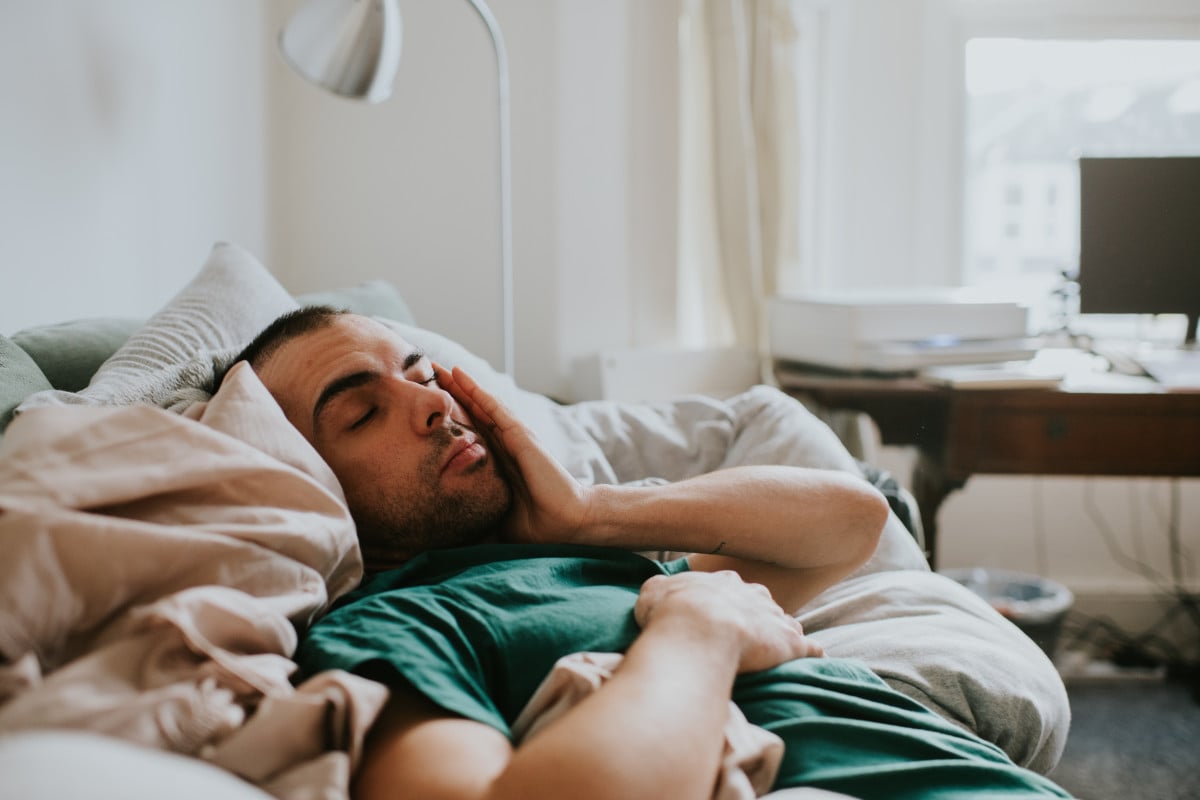
Napping can boost alertness and performance when done correctly, ideally for 20-30 minutes and not after 3pm, with longer naps (60-90 minutes) being beneficial but potentially disruptive to nighttime sleep. The motivation for napping varies, and it should complement, not replace, good nighttime sleep. Using tools like eye masks and establishing routines can improve nap quality, but naps are most useful as a short-term aid rather than a daily necessity, especially if one already gets sufficient sleep.

The article offers expert-backed, simple strategies to improve sleep, including paradoxical intention to stay awake, avoiding lying down during wind-down, maintaining a healthy diet with sleep-promoting foods like cherries and nuts, getting morning light exposure, and keeping a consistent sleep schedule. Additional tips include distraction techniques, magnesium use, and regular exercise to enhance sleep quality and duration.
A gastroenterologist shares seven daily habits to improve sleep quality and address waking up tired, including maintaining consistent sleep timings, reducing light exposure before bed, keeping the room cool, using the bed only for sleep, eating early dinners, avoiding caffeine after 3 pm, and sitting in silence before sleep.
Sleep maintenance insomnia causes waking up around 3am and being unable to fall back asleep, affecting many, especially midlife women. Managing it involves strategies like avoiding screens, getting out of bed for a quiet activity, and maintaining a regular routine, with medical consultation if it persists.
Sticking a foot out of the blankets helps regulate body temperature by releasing heat through blood vessels in the feet, signaling to the brain that it's time to sleep, which can improve sleep quality and help you fall asleep faster.
Originally Published 4 months ago — by MindBodyGreen
A large study found that irregular sleep patterns are linked to 172 diseases, with sleep regularity being more important than duration, emphasizing the need for consistent sleep schedules to improve long-term health.
The article offers 11 practical tips to fall asleep faster and stay asleep, including establishing a pre-bed ritual, controlling sensory stimuli, maintaining a consistent sleep schedule, optimizing bedroom environment, and managing mental clutter, emphasizing that falling asleep quickly is a common challenge and can be improved with mindful habits.
Recent research indicates that sleeping on your side, especially the left or right, enhances the glymphatic system's ability to clear toxic proteins from the brain, potentially reducing the risk of cognitive decline and Alzheimer's disease. Proper sleep posture, support, and alignment are crucial for optimal brain detoxification and long-term mental health.
A study suggests that practicing high-intensity yoga twice a week for 30 minutes over 8-10 weeks can significantly improve sleep quality for people with sleep disturbances, with the best results when done in the late afternoon or early evening. However, exercising too close to bedtime may hinder sleep, and other tips include maintaining a consistent sleep schedule, limiting caffeine, optimizing the sleep environment, and establishing a relaxing bedtime routine.
A sleep therapist reveals that common sleep tips like spending more time in bed, avoiding screens completely, cutting caffeine entirely, obsessing over sleep data, and expecting perfect sleep every night can actually worsen insomnia and sleep quality. Instead, she recommends more balanced approaches such as limiting time in bed, using gentle distractions in the dark, understanding personal caffeine sensitivity, avoiding obsession with sleep metrics, and accepting variability in sleep patterns.
Popular sleep advice like staying in bed longer, avoiding screens, and cutting out caffeine may worsen insomnia for some people. Instead, managing stress, maintaining a consistent wake time, and avoiding overthinking about sleep can be more effective. If traditional tips fail, therapies like CBT-I and new medications offer better solutions.
The article discusses common sleep hygiene practices that may worsen insomnia, such as spending too much time in bed, avoiding screens entirely, and trying to optimize sleep excessively. It emphasizes that insomnia is complex and often requires evidence-based treatments like CBT-I or medication, rather than solely relying on traditional sleep hygiene tips.
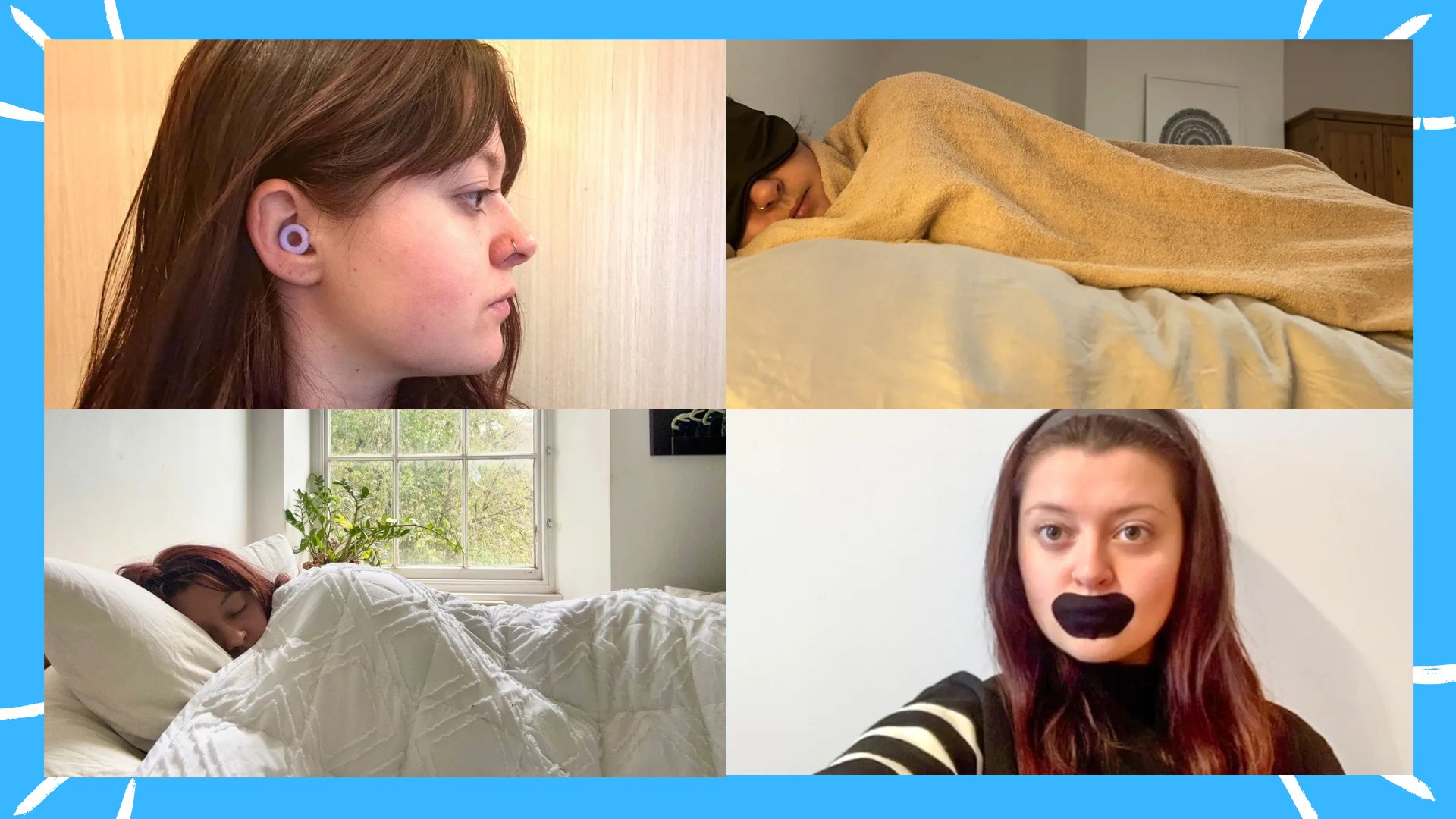
The article reviews nine sleep methods tested by the author, highlighting the three most effective for falling asleep quickly—cognitive shuffling, blocking out noise and light, and taking a warm bath—while advising against mouth taping, the Egyptian method, and cricket feet due to ineffectiveness or potential risks.
This article offers practical health tips including discarding expired sunscreen, adopting Scandinavian sleeping with separate duvets, walking at least 78 minutes daily to prevent back pain, choosing healthy midnight snacks, and maintaining plastic hygiene by hand-washing plastic items, all aimed at improving overall well-being.
A TikTok tip suggests blinking rapidly for 60 seconds to help fall asleep by tiring the eyes and tricking the brain into sleep mode, supported by studies indicating blinking acts as a brain reset and distraction. Additional sleep tips include morning light exposure and avoiding clock-watching during wakefulness, emphasizing a relaxed attitude towards sleep to prevent anxiety.