Tag

Siberian Permafrost

All articles tagged with #siberian permafrost

science1 year ago

35,000-Year-Old Saber-Toothed Kitten Discovered in Siberian Permafrost

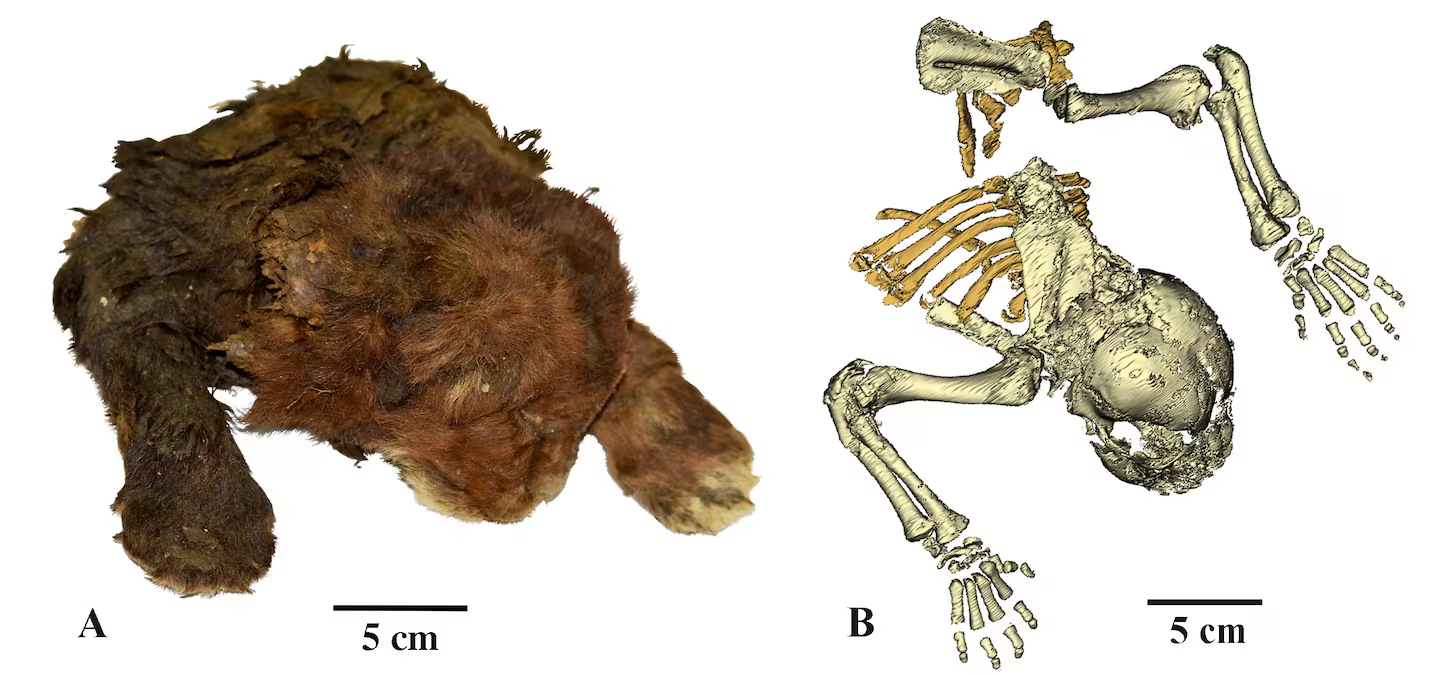
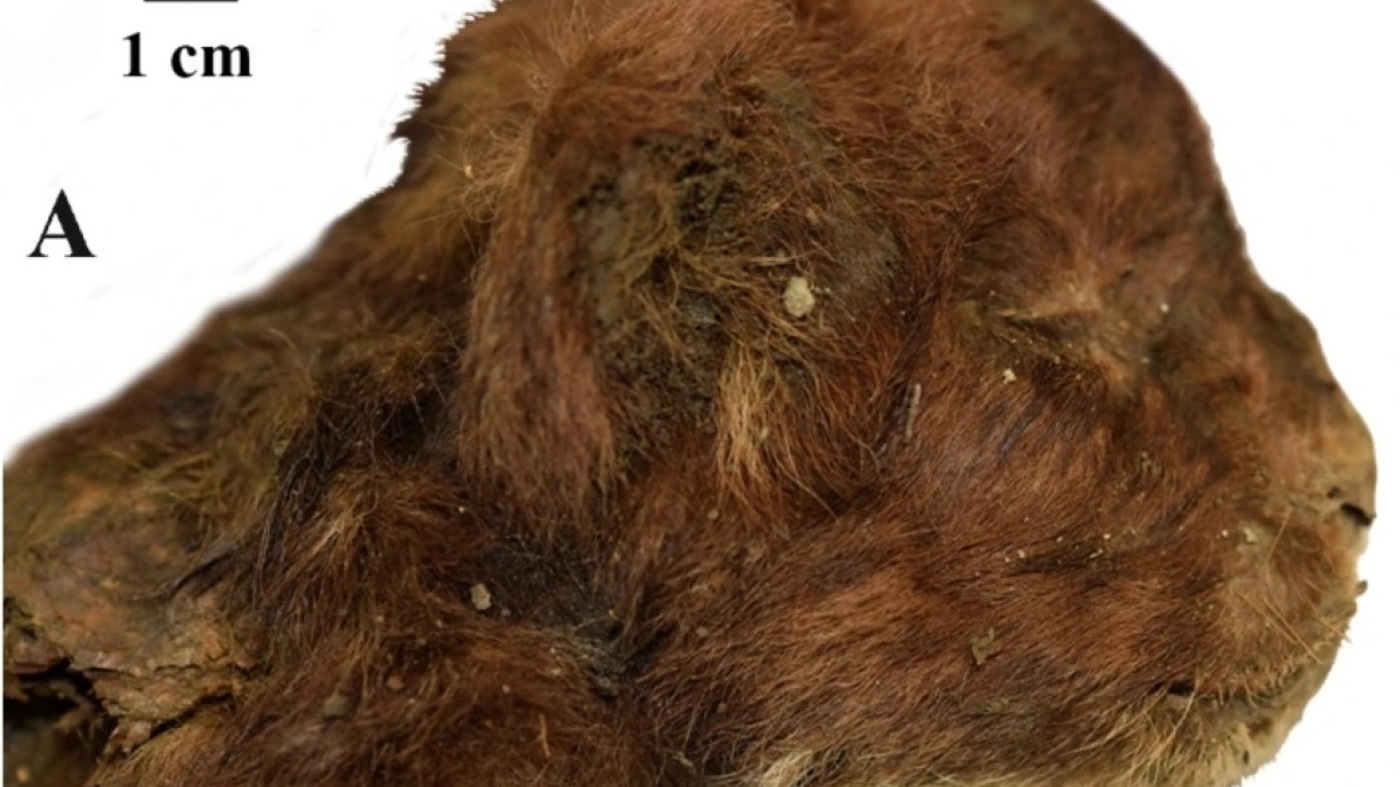
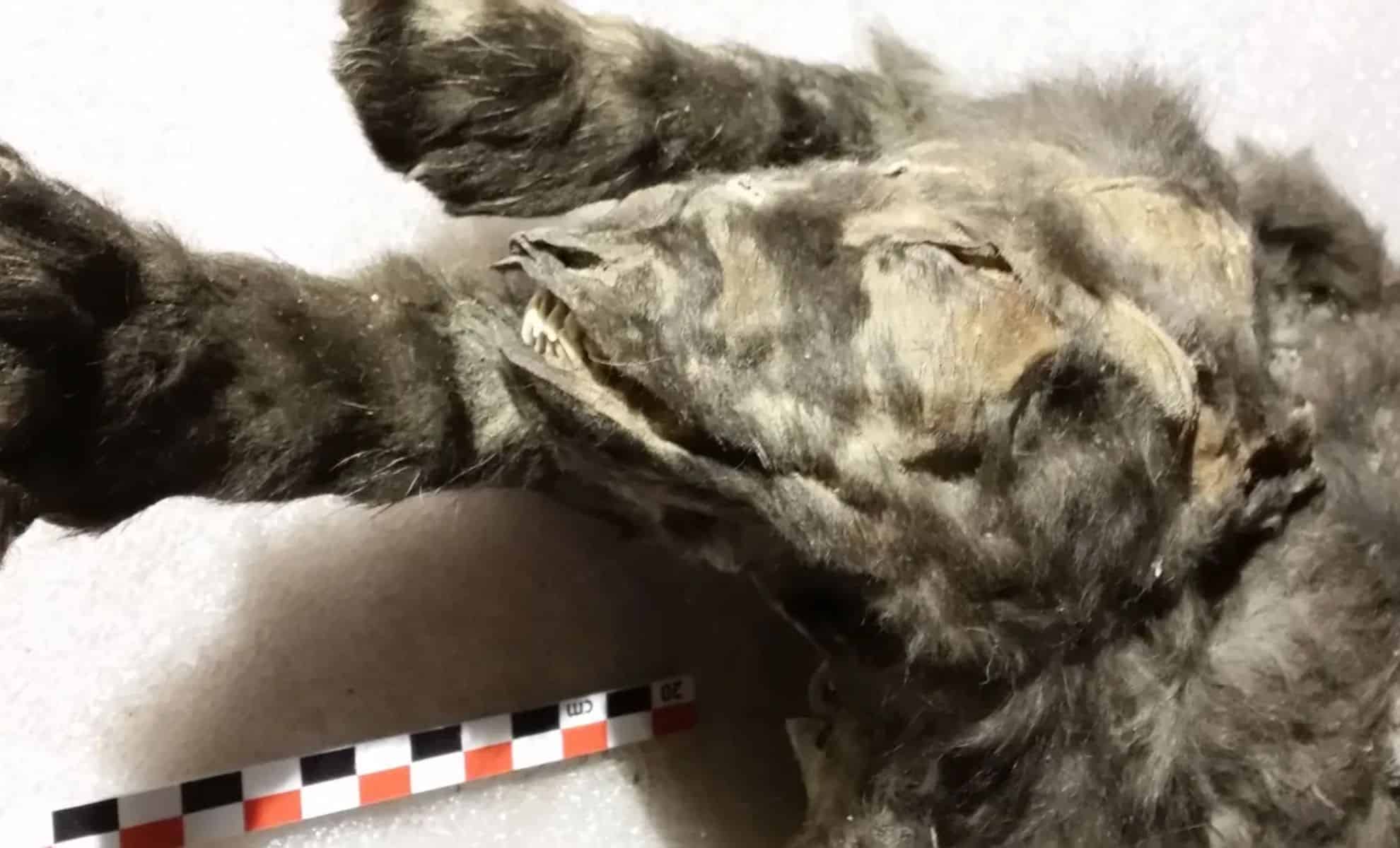
Scientists have examined a 35,000-year-old saber-toothed kitten found in Siberian permafrost, revealing significant differences from modern lion cubs. The mummified remains, including fur and muscle, allowed researchers to study its unique physical traits, such as a massive neck and broad paws. Radiocarbon dating confirmed the kitten belonged to the extinct species Homotherium latidens, providing rare insights into these prehistoric predators.

science1 year ago

35,000-Year-Old Saber-Toothed Kitten Unearthed from Siberian Permafrost

A 35,000-year-old saber-toothed kitten, remarkably preserved in Siberian permafrost, has been discovered in Russia's Sakha Republic. The kitten, from the extinct species Homotherium latidens, was just three weeks old at death and offers unique insights into its physical characteristics, such as its fur texture, muzzle shape, and paw structure. This discovery, detailed in Scientific Reports, highlights the permafrost's ability to preserve ancient mammals, providing valuable data for paleontologists.

science-and-technology2 years ago

Resurrecting a 46,000-year-old Frozen Worm

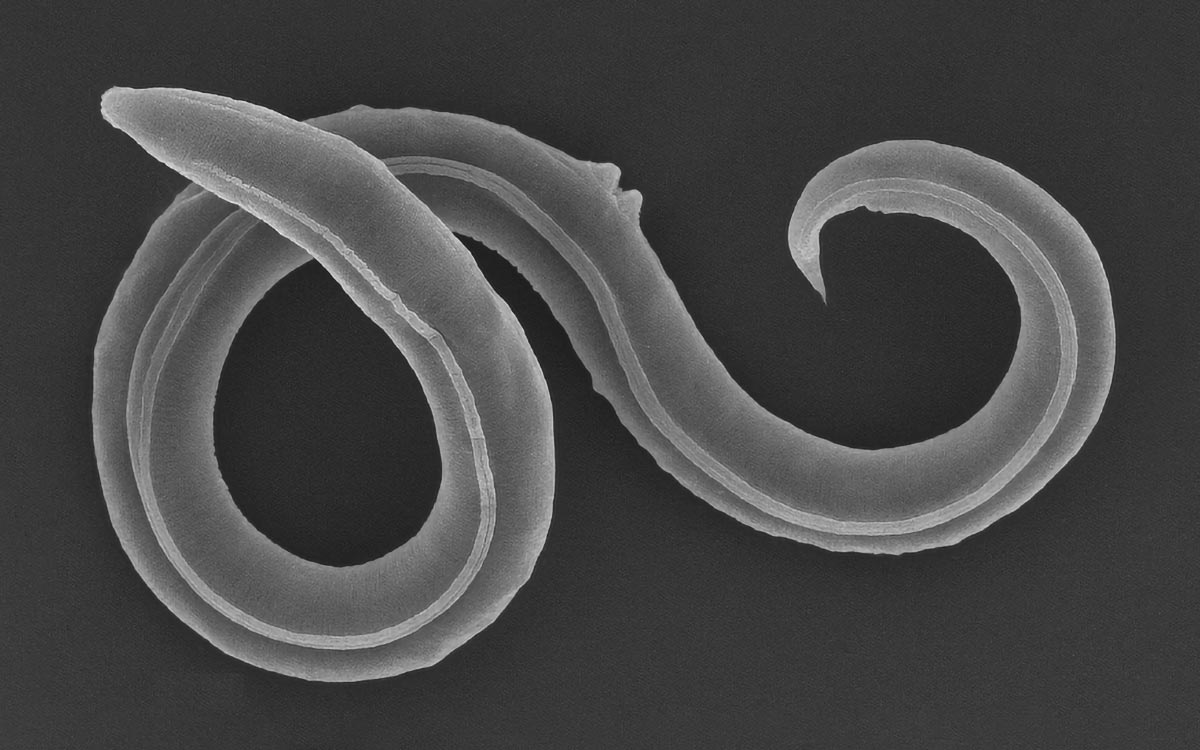
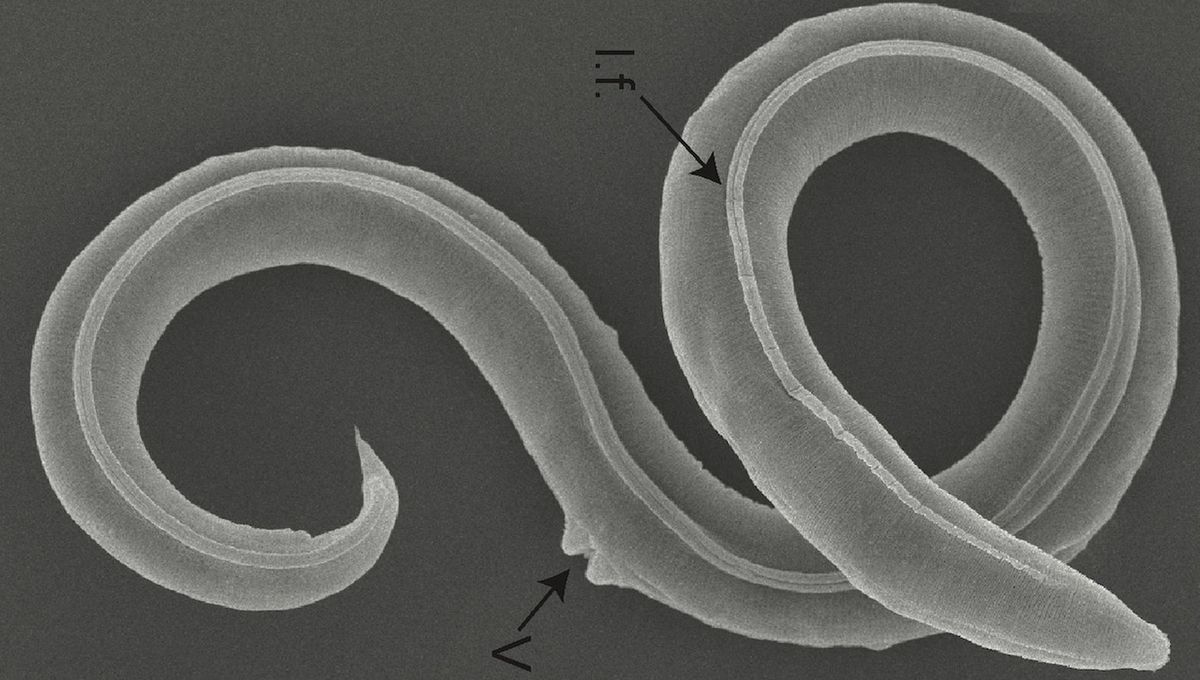
Researchers have successfully reanimated a soil nematode that had been dormant in Siberian permafrost for approximately 46,000 years. The nematode, identified as a new species called Panagrolaimus kolymaensis, shares genes related to survival with the model organism Caenorhabditis elegans. Exposure to mild desiccation before freezing improved the nematodes' survival capabilities, suggesting the potential for long-term dormant survival in extreme conditions. This study extends the known cryptobiosis period in nematodes by tens of thousands of years and highlights the role of environmental fluctuations in determining the duration of cryptobiotic states.

science2 years ago

"Reviving 46,000-Year-Old Worms: Scientists Unlock Frozen Secrets in Siberian Permafrost"

A species of nematodes, or roundworms, has been revived after being frozen in Siberian permafrost for 46,000 years. The microscopic worms, belonging to a previously unknown species called Panagrolaimus kolymaensis, were recovered from permafrost samples on the banks of the Kolyma River in northeastern Siberia. Nematodes are known for their ability to enter a state of cryptobiosis, where all metabolic processes shut down until environmental conditions improve. The study of these ancient worms could provide insights into the mechanisms of cryptobiosis and have implications for understanding evolutionary processes and long-term survival.

science2 years ago

Ancient Worms Revived After 46,000 Years in Siberian Permafrost

Scientists have successfully revived ancient worms that were frozen in Siberian permafrost for 46,000 years. The microscopic worms, known as nematodes, were found in the permafrost and brought back to life in a laboratory. This discovery provides insights into the ability of organisms to survive extreme conditions and has implications for astrobiology and the search for life on other planets.

science-and-technology2 years ago

Ancient DNA Unearthed from Siberian Mammoth Tooth

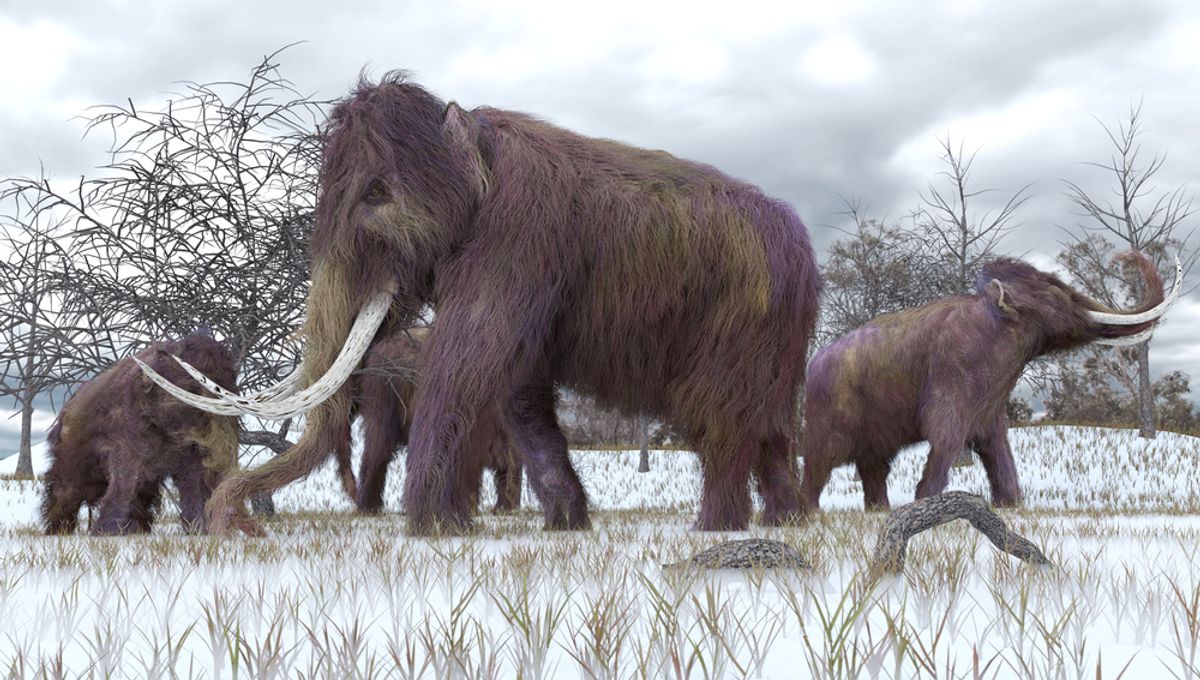
Scientists have extracted DNA from a 1.2-million-year-old mammoth tooth found in Siberian permafrost, making it the oldest DNA ever recovered at the time. The genetic material comes from three mammoths, two of which predate the woolly mammoth and one representing an early woolly mammoth. The study revealed a new genetic lineage called the Krestovka mammoth and suggests that the Columbian mammoth was a hybrid of this lineage and the woolly mammoth. The DNA was highly degraded, but researchers used reference genomes to piece together the puzzle. The findings open the possibility of recovering even older DNA and shed light on both mammoth evolution and potential future DNA recovery from ancient human remains.

science2 years ago

Cloning Extinct Siberian Bison: Scientists Face Skepticism.

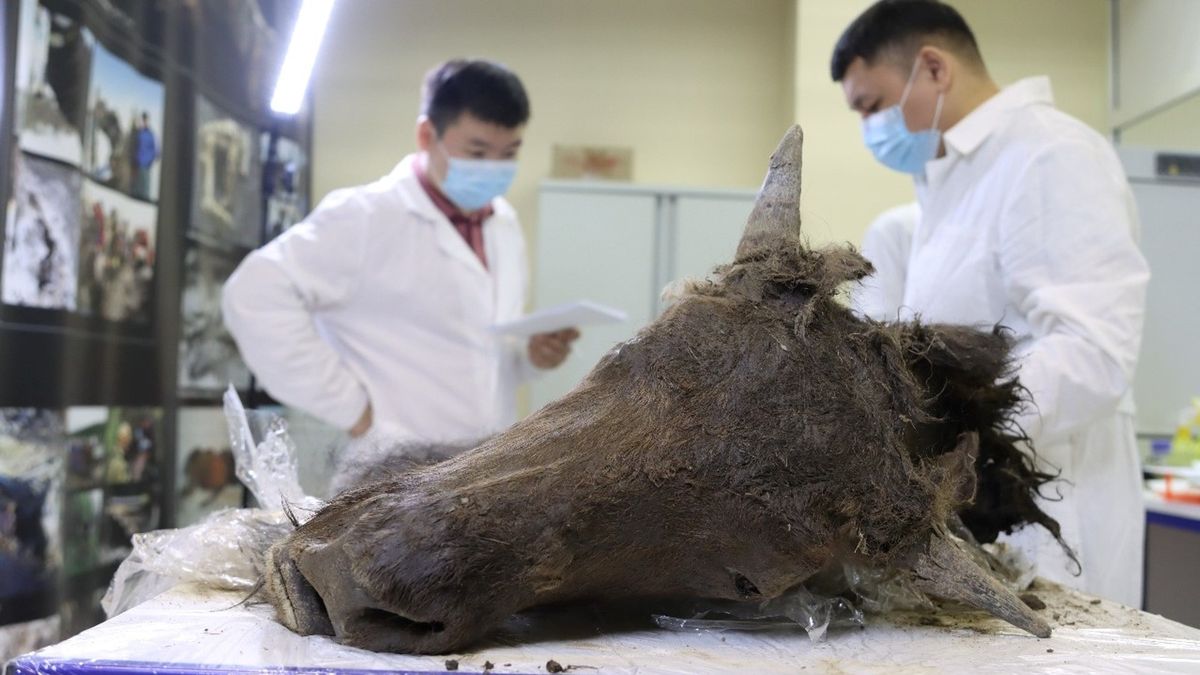
Researchers in Russia have completed a necropsy on an extinct bison that was unearthed from Siberian permafrost and believe the long-dead specimen could be cloned due to the well-preserved tissues recovered during the dissection. However, experts are skeptical, stating that the DNA within the tissues is likely too degraded to be cloned. It may be possible to sequence a majority of the bison's genome, which could be combined with DNA from other specimens of the extinct species as well as living bison to eventually revive the extinct animal.