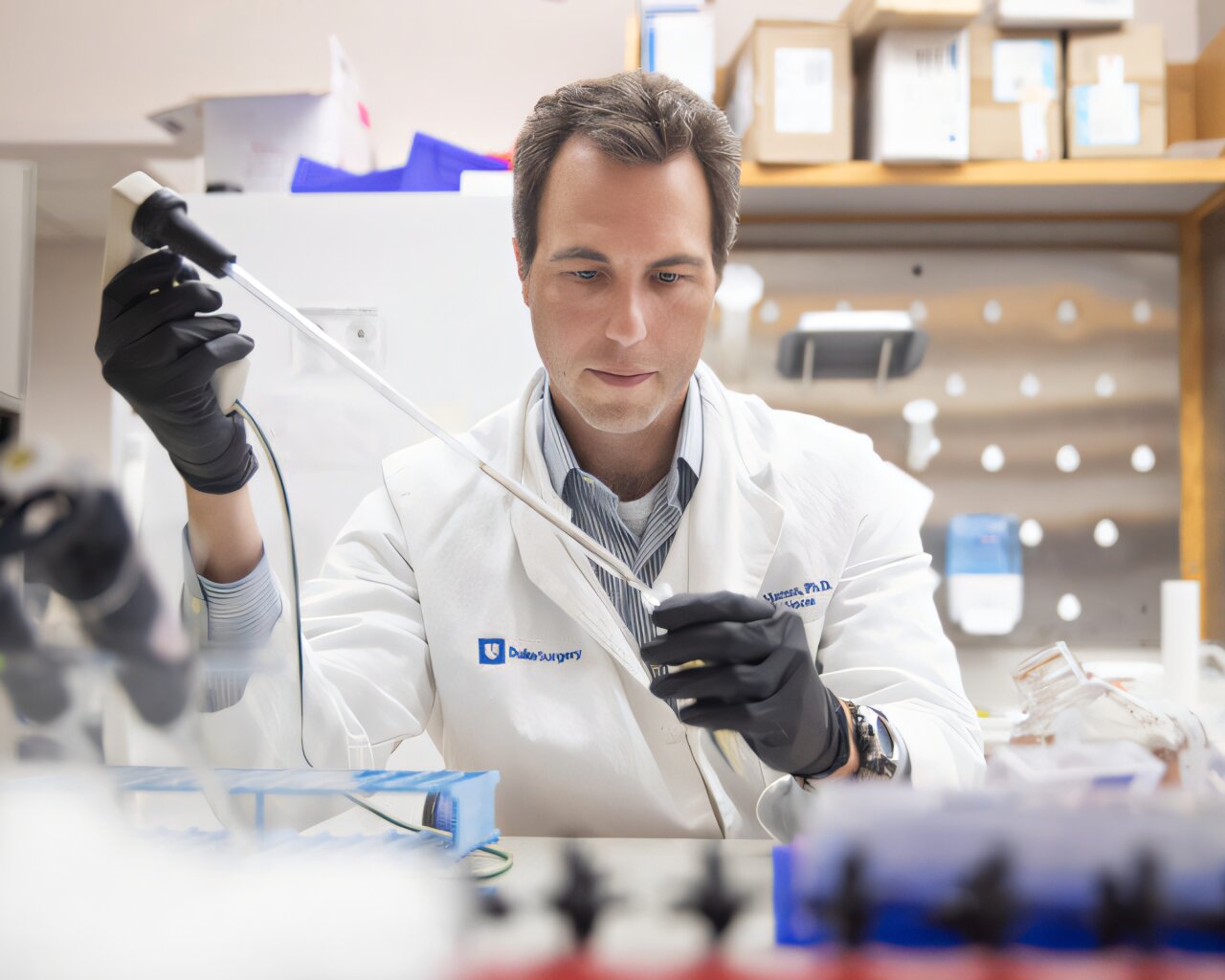
A study of women treated over 20 years ago with a cancer vaccine shows long-lasting immune responses, and researchers found that targeting the CD27 marker could enhance vaccine effectiveness, potentially improving long-term survival in breast cancer patients.
A new study published in the Journal of the American Heart Association suggests that experiencing chronic pain in the first year after a heart attack may be a stronger predictor of long-term survival than smoking. The study found that individuals who reported extreme pain after a heart attack were more than twice as likely to die during the study period compared to those who reported no pain. The presence of pain may indicate ongoing myocardial injury and inadequate treatment of heart disease. Experts emphasize the importance of addressing and treating chronic pain after a heart attack to improve outcomes and reduce the risk of mortality.
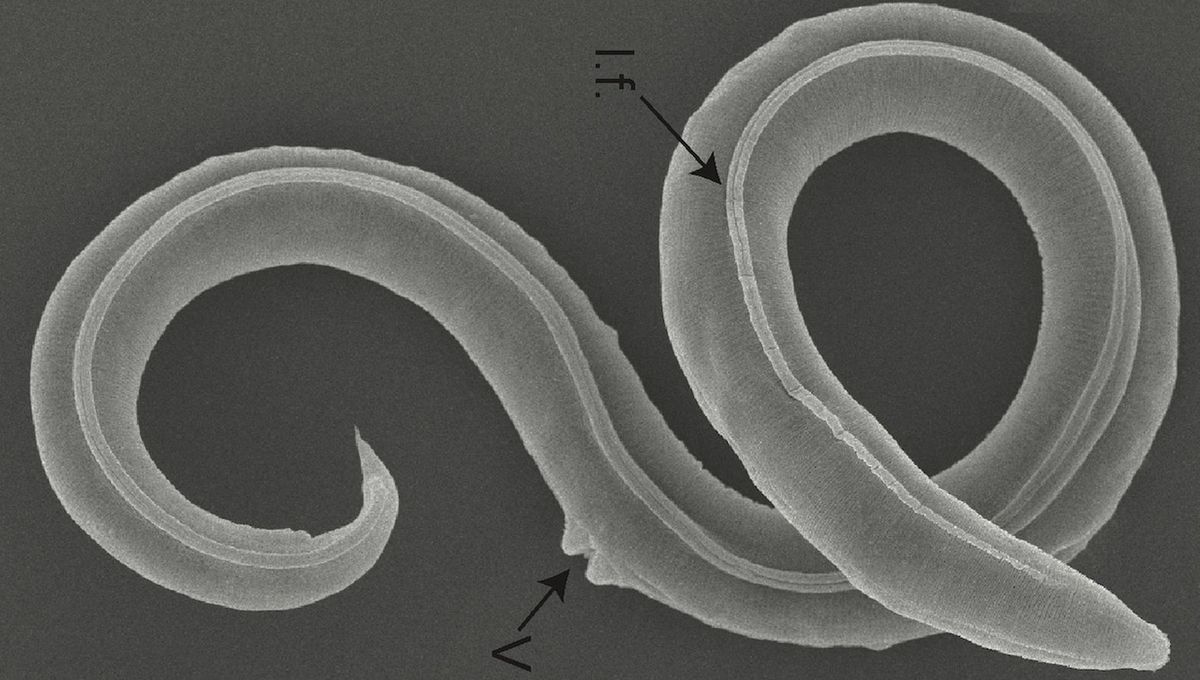
A species of nematodes, or roundworms, has been revived after being frozen in Siberian permafrost for 46,000 years. The microscopic worms, belonging to a previously unknown species called Panagrolaimus kolymaensis, were recovered from permafrost samples on the banks of the Kolyma River in northeastern Siberia. Nematodes are known for their ability to enter a state of cryptobiosis, where all metabolic processes shut down until environmental conditions improve. The study of these ancient worms could provide insights into the mechanisms of cryptobiosis and have implications for understanding evolutionary processes and long-term survival.
Long-term follow-up of pediatric organ transplant recipients is crucial to identify ways to improve their long-term survival. A study from Finland found that the risk of premature death among pediatric transplant recipients is significantly higher compared to their peers, with cardiovascular disease, infections, and cancer being common causes of death. The importance of documenting long-term outcomes for all patients and living donors is recognized, and efforts are being made to strengthen accountability and transparency in the organ transplantation system. However, there is still a lot more to be done to achieve longevity for pediatric transplant patients, including conducting more randomized controlled trials and addressing modifiable risk factors such as hypertension. International collaborations and sharing of data are expected to provide additional insights into long-term patient survival.