Toyota is recalling nearly 400,000 Tundra and Sequoia vehicles from 2022 to 2025 due to a software issue causing the rearview camera not to display, which could increase crash risk. The fix will be provided free of charge through dealership software updates, with owner notifications starting November 16.
A lightning-induced wildfire in California's Sierra National Forest has burned through a grove of ancient giant sequoias, some estimated to be 3,000 years old. Firefighters are actively working to protect these iconic trees using various methods, as the fire has scorched 85 square miles and is about 14% contained. The fire's intensity is higher than usual, threatening the delicate balance of the sequoias' natural fire ecology.
Elon Musk's artificial intelligence company, xAI, has secured new funding from prominent venture capital firms including Andreessen Horowitz, Lightspeed, Sequoia, and Tribe.
LangChain, an open-source AI software maker, has launched its first paid product, LangSmith, which helps programmers building on large language models like OpenAI’s GPT-4 to better track and test their underlying code. The startup, led by CEO Harrison Chase, has confirmed a $20 million funding round led by Sequoia and already has a waitlist of 80,000 for its new tools. LangSmith has been adopted by companies like Elastic, Rakuten, and Moody’s, with 5,000 users working with it monthly. LangChain, which started as a tool for Chase's personal use, has quickly gained investor interest and aims to provide value in the rapidly evolving AI ecosystem.
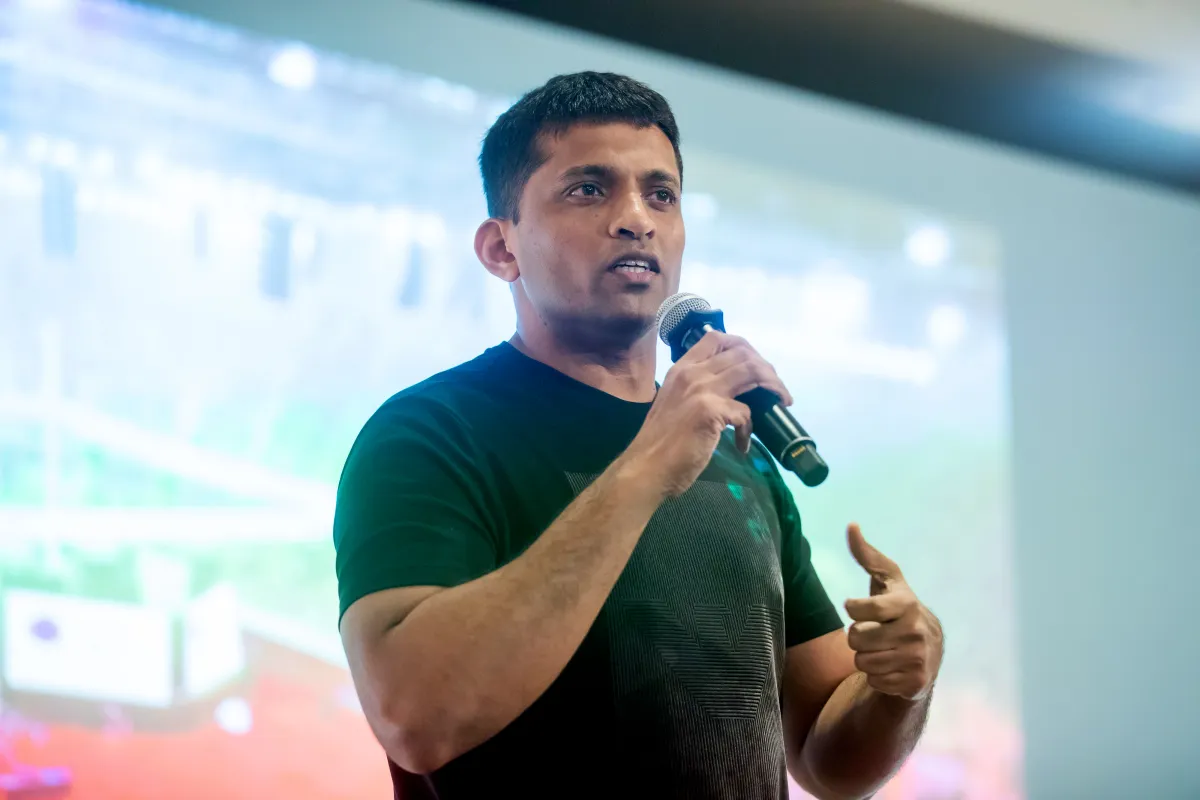
Board members from Prosus and Sequoia have resigned from the board of Byju's, India's most valuable startup, following the departure of its auditor Deloitte, which cited the edtech giant's failure to hand over financial results for the year ended March 2022. Byju's is also facing an investigation by India's corporate affairs ministry over "various corporate governance lapses." The board now consists of just three individuals, including Byju's co-founders.
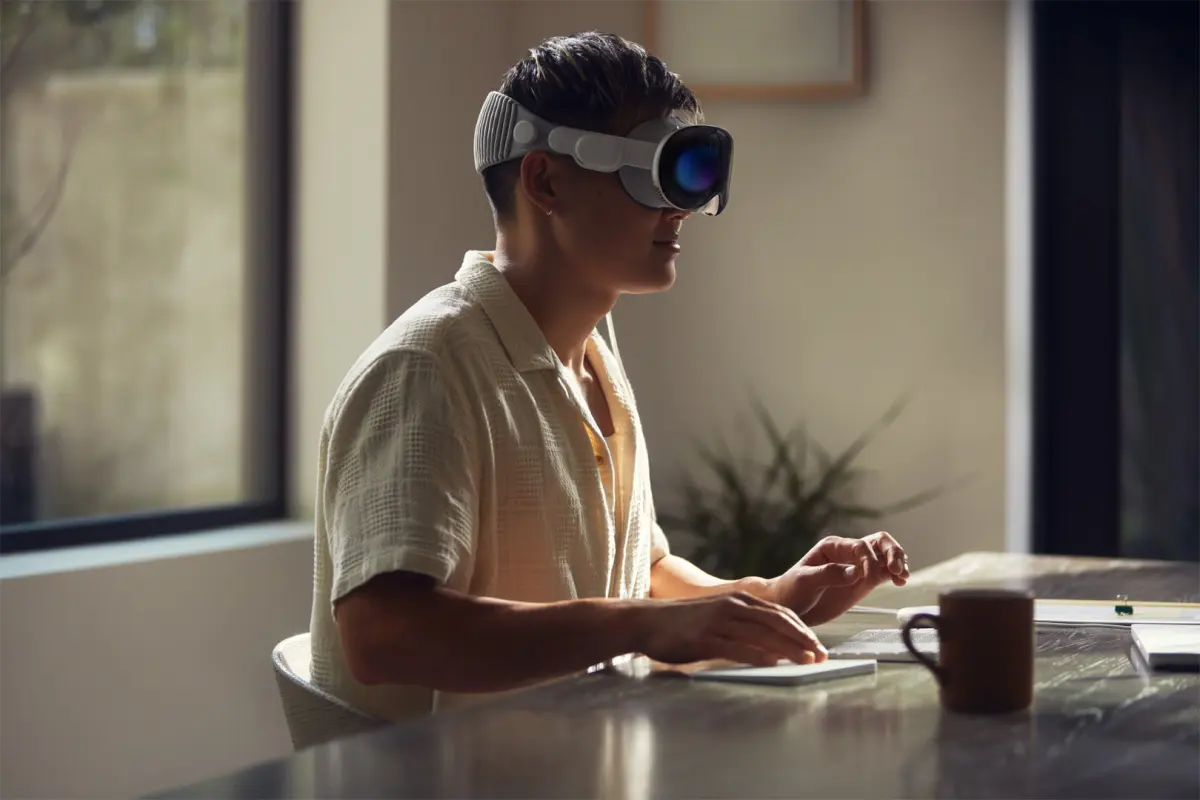
Apple unveiled its first augmented reality headset, the Vision Pro, at its annual Worldwide Developers Conference (WWDC) keynote. The company also announced a major update to iOS, which will introduce new features like personalized call posters and improved sticker experiences. WhatsApp launched Channels, a broadcast-based messaging feature, and Mercedes-Benz received a permit to sell or lease vehicles equipped with a conditional automated driving system in California. Sequoia plans to split into three entities to navigate an increasingly complex geopolitical landscape.
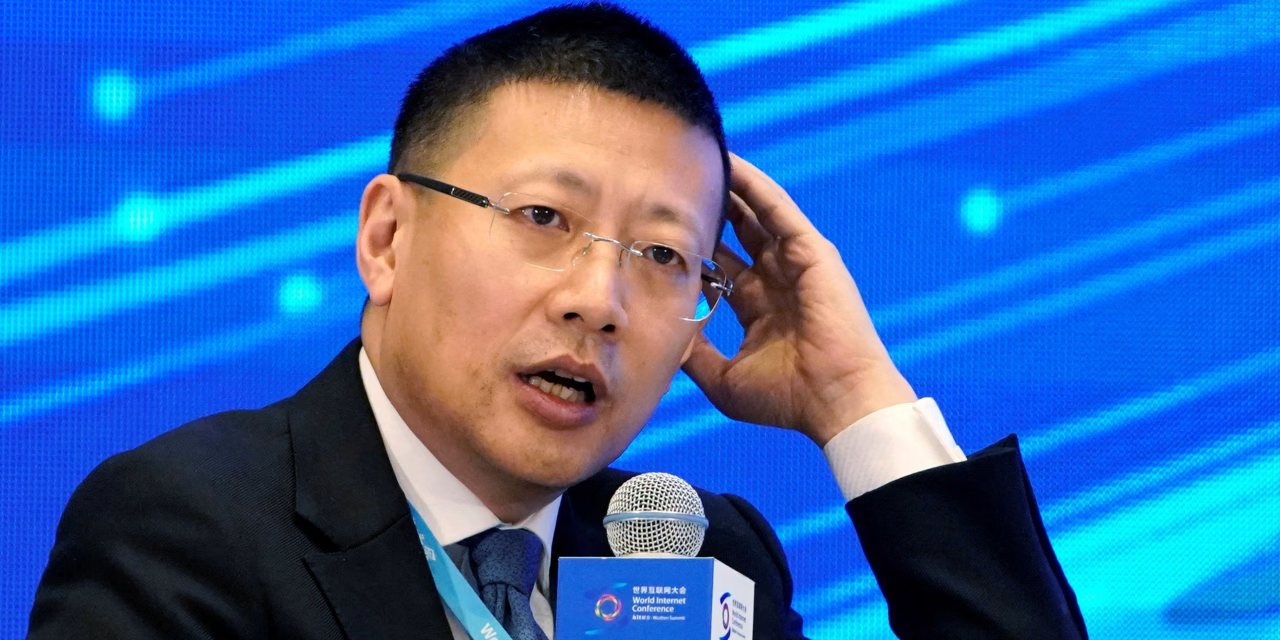
Neil Shen, one of China's most prominent venture capitalists, is going solo after splitting from Sequoia Capital China. Shen co-founded Sequoia Capital China in 2005 and helped build it into one of the country's most successful venture capital firms. He will now focus on his own investment firm, Sequoia Capital China Growth, which will target early-stage investments in China's technology sector.
Sequoia Capital, a leading venture capital firm, is adjusting its investment strategy in response to the new reality of US-China relations. The firm is focusing on investing in technology companies that are less reliant on the Chinese market and are more likely to benefit from the decoupling of the two economies. Sequoia is also exploring opportunities in other regions, such as Southeast Asia and India, to diversify its portfolio.
Sequoia, the US-based venture capital firm, is splitting off its China business and will operate as an independent entity. The move comes as Sequoia looks to expand globally and focus on its core business. The China unit will be led by Neil Shen, who will become the sole managing partner, and will continue to invest in Chinese startups.
Sequoia, the world's largest venture capital firm, is splitting into three fully distinct firms, with Sequoia Capital representing the US and Europe, HongShan in China, and Peak XV Partners in India and Southeast Asia. The decision to split up Sequoia's global brand was a gradual discussion that intensified over the last several months, citing conflict between the funds' respective startup portfolios, brand confusion as they diverged in strategies, and increasing complexity of maintaining centralized regulatory compliance as factors. The resulting firms plan to complete the separation "no later than" March 2024.