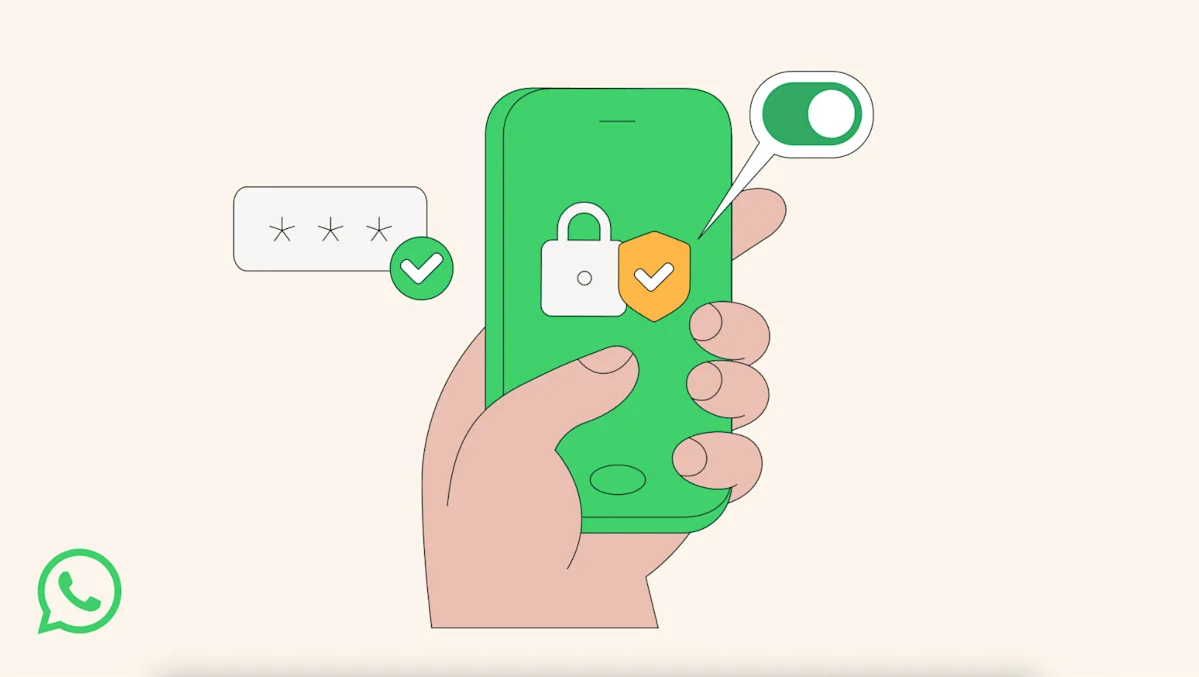
WhatsApp offers various features to enhance user security and privacy, including Privacy Checkup, disappearing messages, two-factor authentication, app and chat lock, advanced security settings, and options to disable read receipts and media downloads, helping users protect their conversations from threats and unauthorized access.
This week in tech news, Fairphone expands into the US with repairable headphones and plans to bring its smartphones, WhatsApp launches a full-featured app on the Apple Watch, Motorola releases budget 5G phones including the affordable Moto G Play, and Canon unveils the EOS R6 Mark III camera with a new 32.5MP sensor.
A security flaw in Samsung Galaxy Android devices was exploited as a zero-day to deliver the LANDFALL spyware via WhatsApp, targeting users in the Middle East. The flaw, CVE-2025-21042, allowed remote code execution through malicious DNG images, leading to comprehensive data theft. Samsung patched the vulnerability in April 2025, but the attack highlights the ongoing threat of sophisticated exploits in the wild.
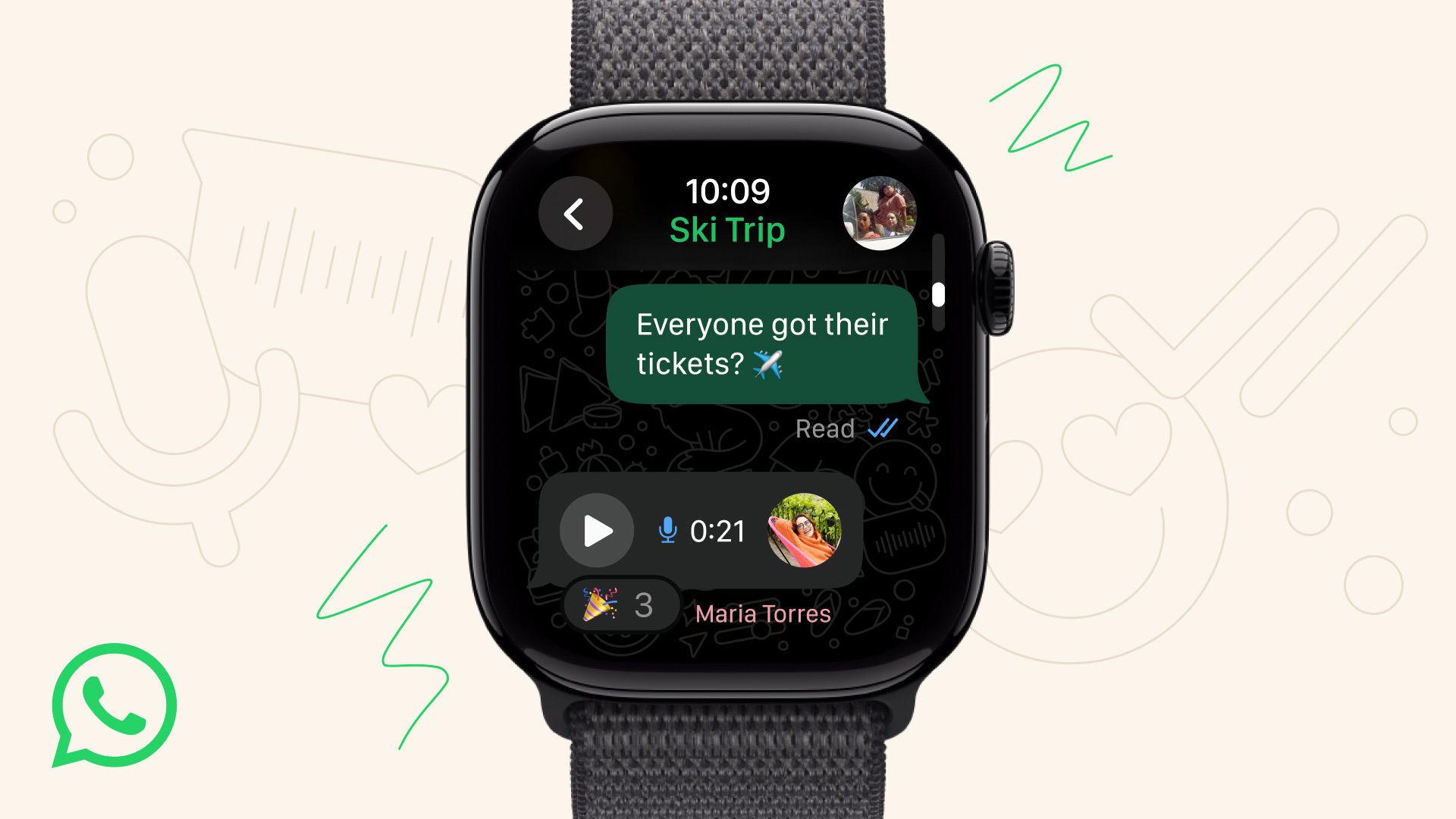
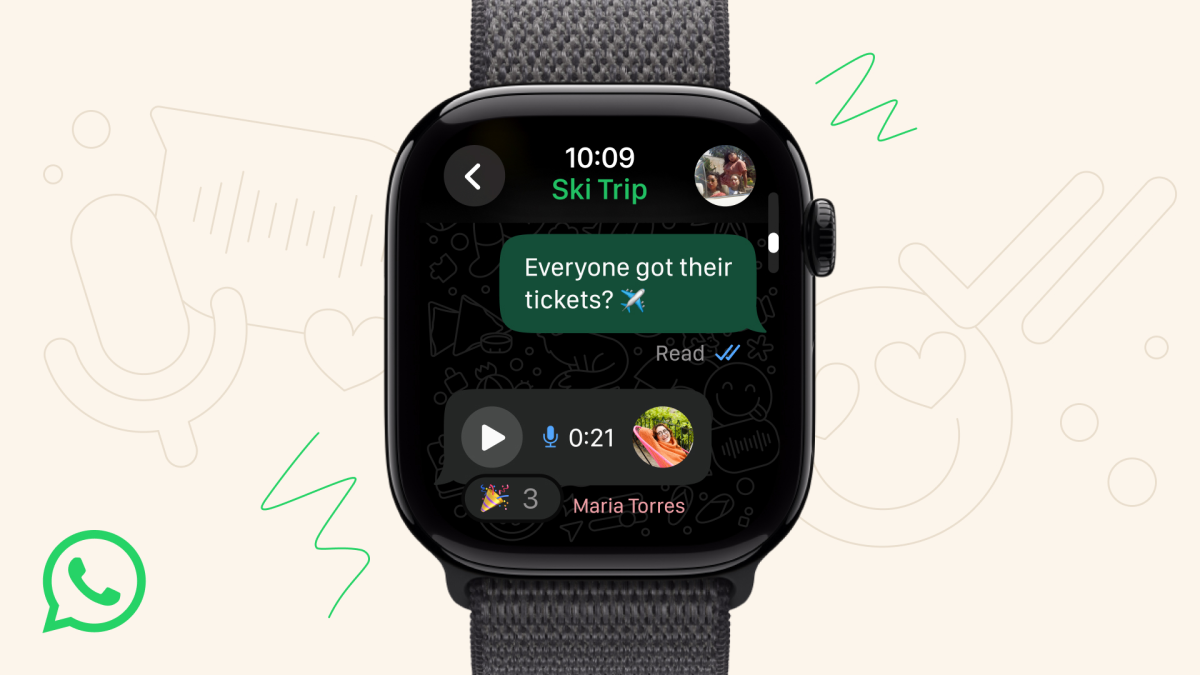
WhatsApp is now available on the Apple Watch, allowing users to send and receive messages directly from their wearable device, enhancing convenience and communication on the go.
WhatsApp has launched a new app for Apple Watch, allowing users to read and send messages, receive call notifications, record voice messages, and view media directly from their wrist, with support for Series 4 and later running watchOS 10.
WhatsApp is testing a new Apple Watch companion app that offers core messaging features like chat browsing and quick replies, relying on the iPhone for connectivity, alongside the rollout of passkey-encrypted backups for enhanced security.
Meta is testing a monthly message cap for WhatsApp users to reduce spam, primarily targeting high-volume senders like businesses, with the test set to roll out in multiple countries soon.
WhatsApp is testing a new feature that limits the number of messages high-volume senders and spammers can send without a reply, aiming to reduce spam and scam messages, with the trial rolling out in multiple countries soon.
Arattai, an Indian-made messaging app developed by Zoho, has recently surged in popularity in India, driven by government promotion of self-reliance and nationalist sentiment, aiming to challenge WhatsApp's dominance. Despite its growth, experts believe it will be difficult for Arattai to replace WhatsApp due to its extensive user base and privacy concerns, especially regarding data encryption and government access. The app's future success depends on its ability to retain users and address privacy issues, but it faces significant challenges from established global platforms.
Meta has officially added support for Live Photos in WhatsApp for iOS, allowing users to send and receive animated photos with sound, although the rollout is still in progress and some users may not have access yet.
WhatsApp has introduced new features including sharing Live and Motion Photos, customizable chat themes with Meta AI, new sticker packs, easier group search, document scanning on Android, and AI-generated video call backgrounds to enhance user experience.
Meta's CTO explained that the recent smart glasses demo failures at the Connect 2025 event were due to technical glitches, including a self-inflicted DDoS during the AI demo and a bug that prevented answering WhatsApp calls, both of which have been addressed.
Samsung has issued an emergency security update for Galaxy smartphones running Android 13 or newer due to a critical memory vulnerability (CVE-2025-21043) exploited in the wild, primarily affecting WhatsApp and other apps. The update rollout is model, region, and carrier-dependent, leading to delays compared to Apple’s instant patches. Google is also changing its update strategy to focus monthly critical fixes and quarterly minor updates, which may influence Samsung's update schedule.
A former WhatsApp security head filed a lawsuit against Meta, alleging the company ignored internal security flaws, exposed billions of users to risks, and retaliated against him for reporting these issues. The lawsuit claims Meta failed to implement basic cybersecurity measures, allowed extensive access to user data, and dismissed concerns about hacking and account takeovers, leading to potential violations of regulations and a history of data mishandling. Baig seeks reinstatement, damages, and regulatory action.