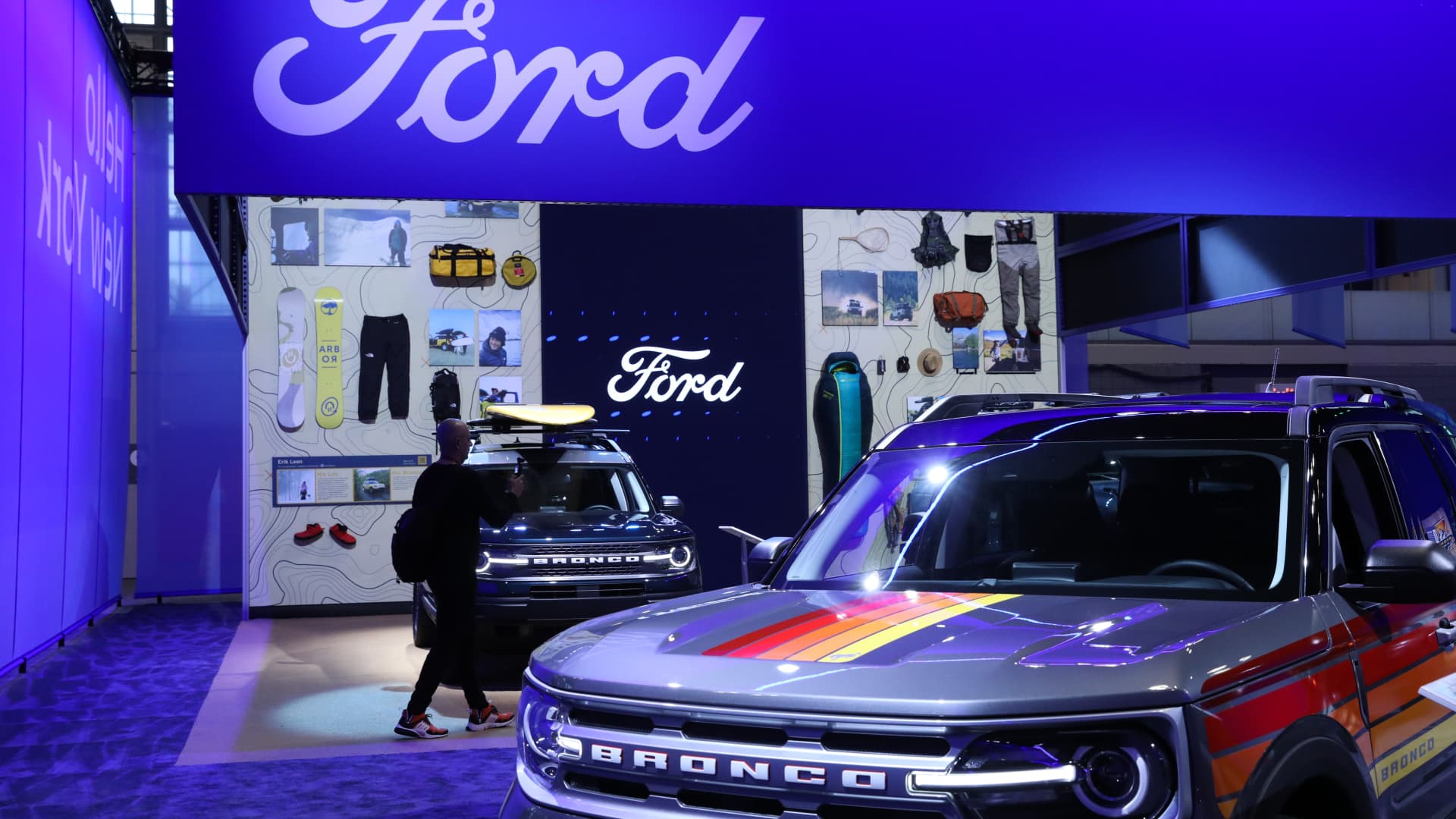
Ford is recalling over 290,000 U.S. vehicles from 2020-2022 due to rearview camera display issues in certain lighting conditions, which could increase crash risk. The company will update the software for free, with interim notices sent out soon and final remedies expected by March 2026.
Ford recalls over 624,000 vehicles due to issues with seatbelt corrosion in 2015-2017 Mustangs and rearview camera display problems in 2020-2022 trucks, with repairs provided free of charge.
Toyota is recalling nearly 400,000 Tundra and Sequoia vehicles from 2022 to 2025 due to a software issue causing the rearview camera not to display, which could increase crash risk. The fix will be provided free of charge through dealership software updates, with owner notifications starting November 16.
Ford is recalling over 1 million vehicles in the US due to a software glitch causing rearview cameras to display delayed, frozen, or blank images, which could increase crash risk. The company is offering a software update to fix the issue across various models from 2021 to 2024. This recall follows previous safety concerns and fines related to similar camera problems.
Ford is recalling nearly 1.1 million vehicles across various models due to a software issue that may cause rearview cameras to delay, freeze, or not display images, increasing crash risk. The recall affects models from 2021 to 2024, with updates expected via over-the-air software updates, and follows previous recalls and regulatory penalties related to similar issues.
Hyundai is recalling over 226,000 Santa Fe and Elantra vehicles from the 2021 and 2022 model years in the US due to faulty rearview cameras. The issue stems from solder joints on a printed circuit board that can crack over time, potentially causing the cameras to fail and increasing the risk of pedestrian injury. Owners will be notified starting January 19, and dealers will replace the cameras at no cost.
Hyundai is recalling over 226,000 SUVs and small cars in the U.S. due to potential failure of rearview cameras in certain 2021 and 2022 Santa Fe and Elantra models. The issue arises from solder joint cracks on a circuit board, which can impair visibility and increase pedestrian injury risk. Hyundai will replace the cameras for free, with owner notifications starting January 19.
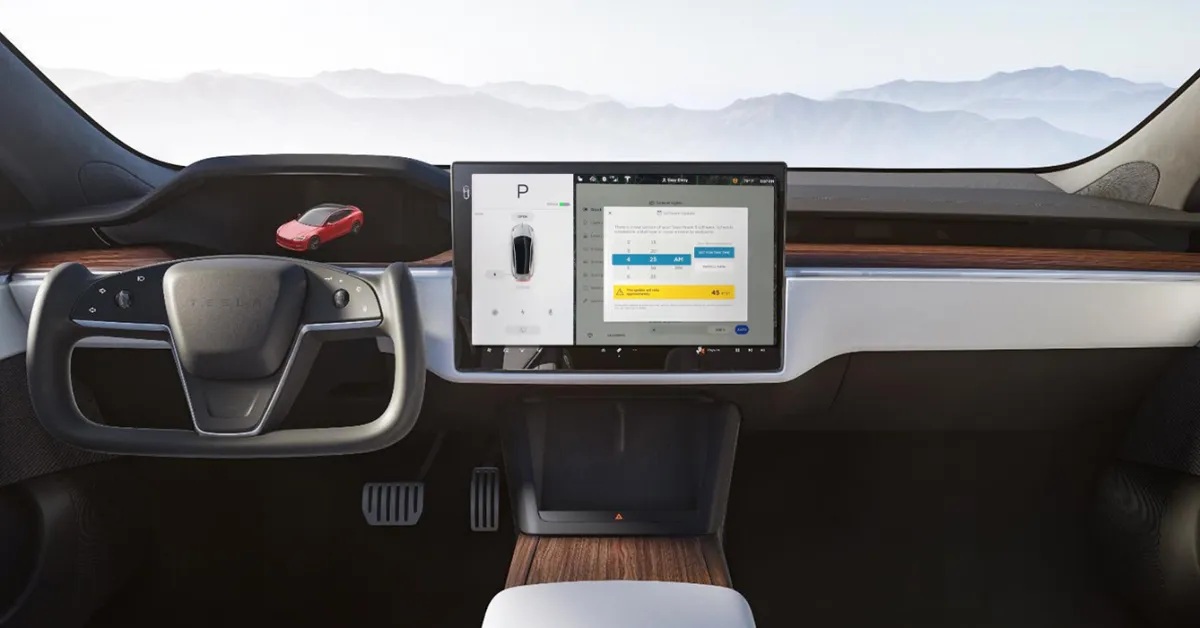
Tesla is recalling almost 200,000 2023 Model S, X, and Y vehicles due to a rearview camera display problem caused by software instability, which could reduce driver visibility and increase crash risk. The issue has not resulted in any accidents, injuries, or fatalities, and affected vehicles have already received a free over-the-air software update as a solution. Tesla will also send affected drivers recall information in March and has incorporated the updated software release into its vehicle production.
Tesla will address a rearview camera display issue in nearly 200,000 vehicles through a software update, affecting 2023 models of the Model S, X, and Y. The problem, related to software instability, could impact driver visibility during reverse maneuvers, but Tesla plans to provide a free over-the-air update to rectify the issue by March 22, 2024, without requiring a physical recall.
Tesla's reported "safety recall" of 200,000 vehicles is actually an over-the-air software update from a month ago, addressing a rearview camera issue in certain Model S, Model X, and Model Y vehicles with HW4. The problem was promptly addressed with a software update deployed at the end of December, and the fix began rolling out to all affected vehicles on January 3, 2024. The debate arises from whether it's fair to label these issues as "recalls," as they are often resolved through over-the-air updates before owners are even aware of the problem.
Tesla is recalling nearly 200,000 vehicles in the US due to a software problem affecting the rearview camera, increasing the risk of a crash, with no reported injuries or deaths. The recall covers 2023 Model S, X, and Y vehicles equipped with full self-driving technology, and a free over-the-air software update has been released to address the issue. This comes after a series of software-related recalls, and amid stock price concerns following Elon Musk's failure to address investor worries about price cuts and business issues.
Honda is recalling nearly 1.2 million SUVs and minivans due to connectivity issues between the rearview camera images and the vehicles' dashboard displays. The recall includes Passport SUVs from 2019 to 2023, Pilot SUVs from 2019 to 2022, and some Odyssey minivans from 2018 to 2023. Honda will replace the cable harness and install a straightening cover over the vehicle cable connector free of charge. The NHTSA said Honda's numbers for the recall are EEL and ZEM.
Honda is recalling nearly 1.2 million vehicles in the US due to a faulty coaxial cable connector that can prevent the rearview camera image from appearing on the dashboard screen. The affected models are 2018-2023 Odyssey, 2019-2022 Pilot, and 2019-2023 Passport vehicles. Honda will replace the cable harness and install a straightening cover over the vehicle cable connector free of charge. Notification letters will be mailed to affected owners on July 24.
Honda is recalling 1.2 million vehicles in the US due to a defective coaxial cable connector that may cause the rearview camera image to fail to display on the dashboard screen, increasing the likelihood of a collision. The recall includes certain Odyssey minivans, Pilot SUVs, and Passport SUVs. Honda dealerships will repair the issue for free by replacing a cable harness and installing a straightening cover. No injuries have been reported, but Honda has received nearly 274,000 warranty claims from May 2017 through June 8.