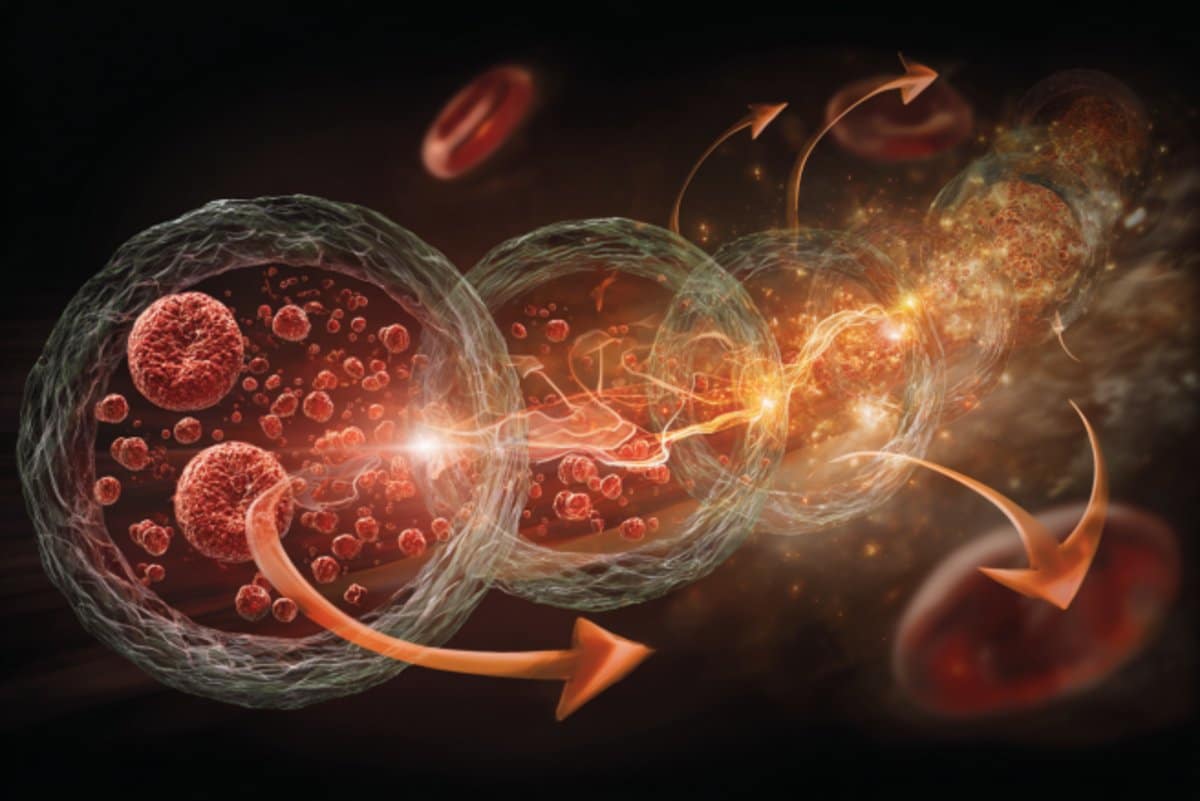
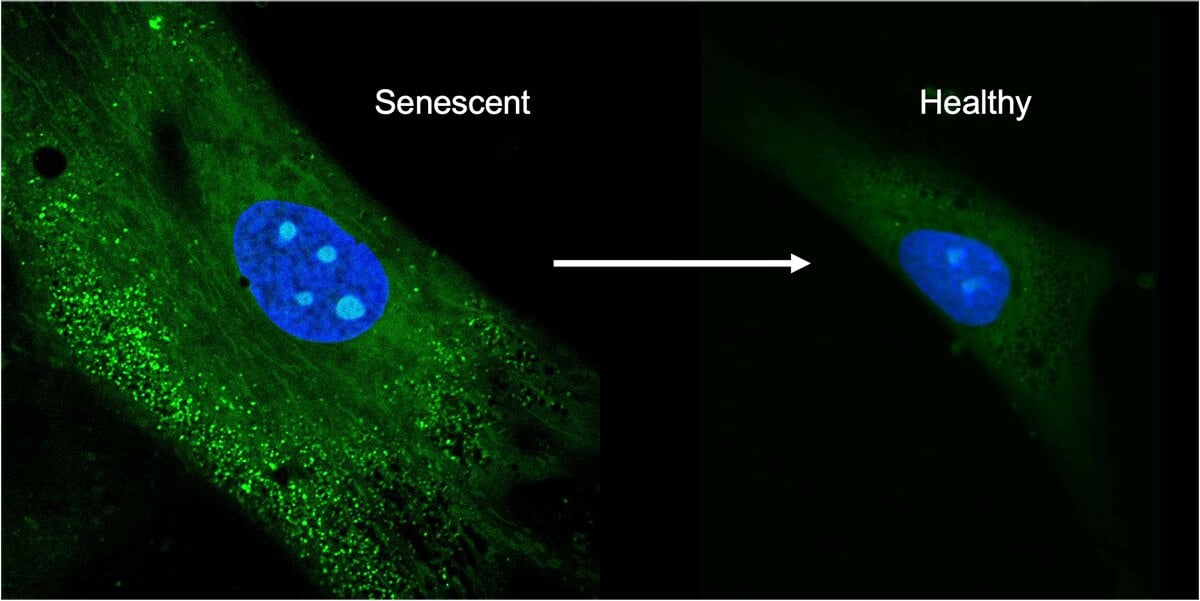
Research from Korea University reveals that the protein ReHMGB1, secreted by senescent cells, can spread aging signals through the bloodstream, impairing tissue regeneration. Blocking ReHMGB1 in mice reduced aging markers and improved tissue repair, highlighting its potential as a target to combat age-related decline.
A study reveals that SARS-CoV-2 can infect dopamine neurons in the brain, leading to senescence, which may contribute to neurological symptoms associated with long COVID. The infected neurons stop functioning and trigger inflammation, potentially impacting feelings of pleasure, motivation, and movement. The research suggests that certain drugs may prevent the virus's attack on the brain, and long COVID patients should be monitored for an increased risk of developing Parkinson's-related symptoms. This study was a collaboration between Weill Cornell Medicine, Memorial Sloan Kettering Cancer Center, and Columbia University Vagelos College of Physicians and Surgeons, and was supported by various grants from the National Institutes of Health.
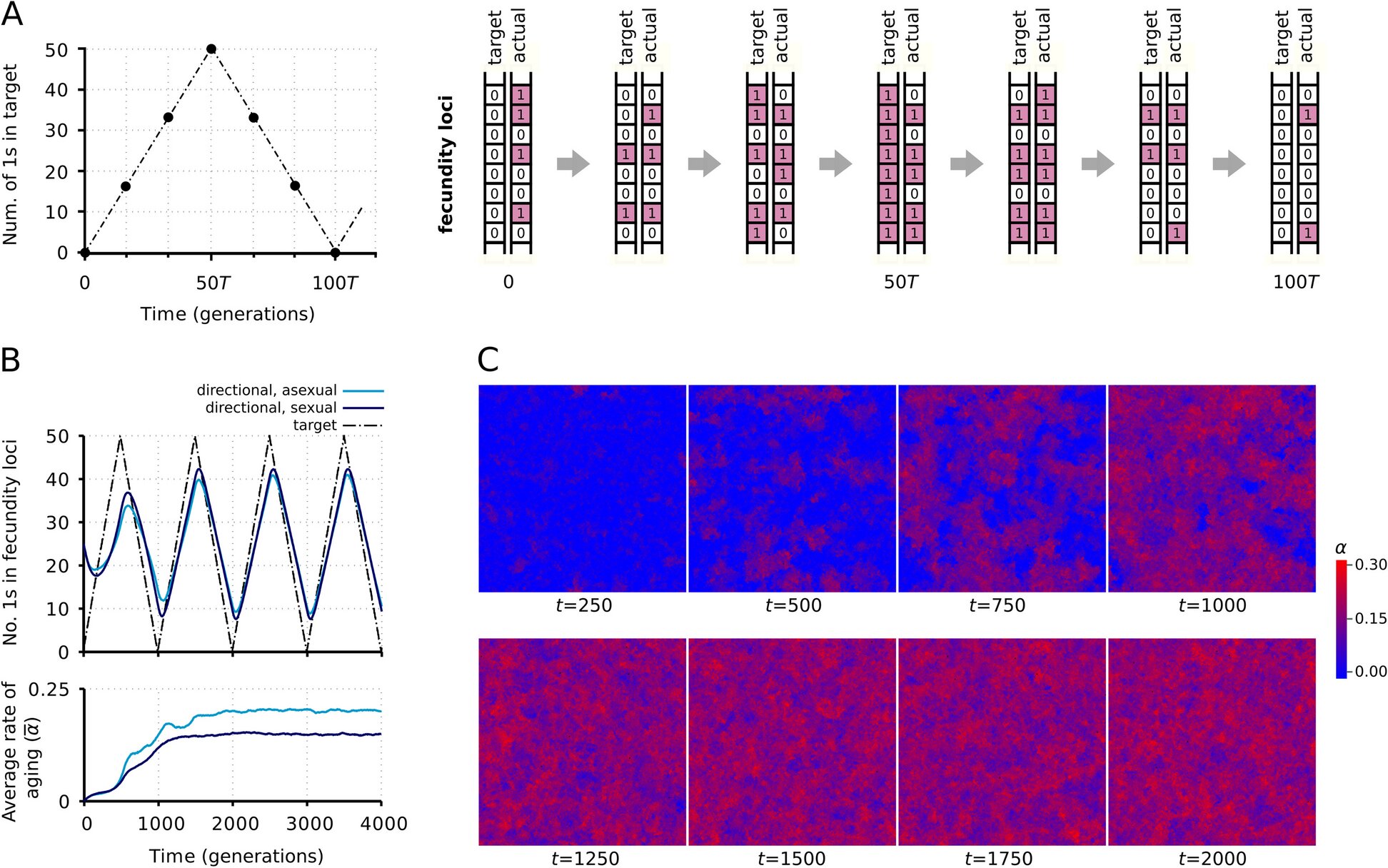
New research suggests that aging and senescence, once considered inevitable consequences of life, may actually have an evolutionary advantage. A computer model developed by researchers in Hungary suggests that old age can be positively selected for in certain situations, where strong directional selection and significant kin selection are present. Aging and death may create space for a new generation with better gene compositions, and organisms that are strongly altruistic may benefit from having more generations sticking around through a drawn-out senescence. While the quest to stop aging continues, scientists are exploring the role of senescence in evolutionary advantage.
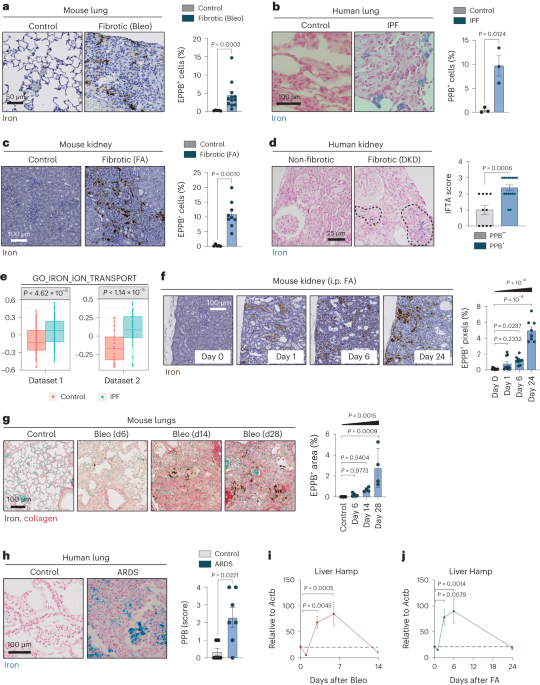
Iron accumulation has been found to play a causative role in fibrogenesis, senescence, and the senescence-associated secretory phenotype (SASP). Fibrogenic injuries can lead to progressive iron accumulation in tissues, which promotes the secretion of pro-fibrotic cytokines, recruitment of immune cells, remodeling of the extracellular matrix, and activation of profibrogenic pathways. Iron accumulation also induces cellular senescence, characterized by the upregulation of senescence markers and DNA damage. These findings suggest that targeting iron accumulation may be a potential therapeutic strategy for fibrotic diseases.
Scientists have used computer modeling to test the hypothesis that evolution can favor the proliferation of genes controlling senescence, or aging. The research suggests that under the right circumstances, aging can have an evolutionary function and be favored by natural selection. This finding challenges the classical non-adaptive theories of aging and opens up new possibilities for understanding the emergence and purpose of senescence in organisms.
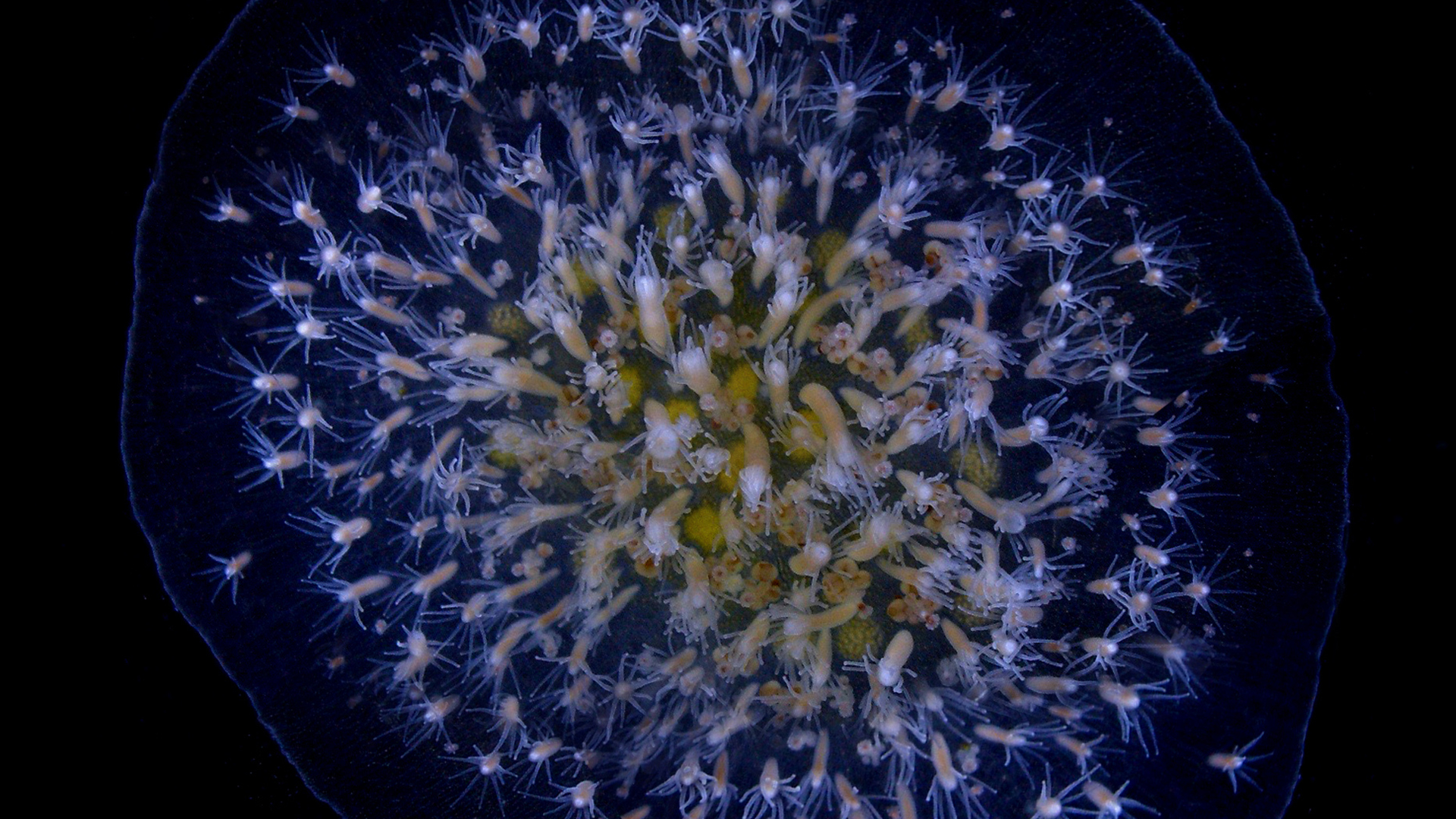
Researchers studying the regenerative capabilities of the sea creature Hydractinia symbiolongicarpus have discovered a link between healing and aging. The study found that senescence, typically associated with aging, plays a role in the creature's extreme regeneration abilities. The researchers identified a molecular signature associated with aging as the creature began regenerating new bodies. This finding suggests that the fundamental biological processes of healing and aging are intertwined. Understanding the regenerative abilities of organisms like Hydractinia could provide insights into human biology and advance the fields of regenerative medicine and age-related disease research.
Researchers studying the regenerative abilities of the tiny sea creature Hydractinia symbiolongicarpus have discovered a molecular signature associated with aging, or senescence, during the process of regeneration. This finding suggests that healing and aging are intertwined biological processes. The study provides new insights into how aging evolved and highlights the potential for understanding human biology and developing regenerative medicine. Hydractinia's ability to regenerate and its unique stem cell system offer valuable insights into the origins of fundamental biological processes like aging and healing.
Scientists studying the small sea creature Hydractinia symbiolongicarpus have discovered that the processes of healing and aging are intertwined. The researchers found that as the creature regenerates its body, it exhibits a molecular signature associated with aging, or senescence. This finding challenges previous understanding of senescence in human cells and provides new insights into the evolution of aging and healing. The study also revealed that Hydractinia has the ability to eject senescent cells, a process not observed in humans. By studying these distant animal relatives, scientists hope to unravel the secrets of regeneration and aging, which could advance the fields of regenerative medicine and age-related disease research.
Researchers have developed a new method of delivering antioxidants to stem cells that can prevent senescence, a process of cellular aging. The method utilizes polymer-stabilized crystals created through microfluidics, which ensures uniform size and dosage, minimizing variation in drug release between cells. The crystals dissolve at a slower rate, resulting in a uniform and extended release of the drug, increasing its effectiveness. This approach could improve the reproducibility of stem cell cultures and enhance the production of biomolecules for therapeutic use. The method has potential applications in biomanufacturing and could be used to deliver other drugs directly into target tissues.